Published: 09 October 2026. The English Chronicle Desk. The English Chronicle Online
Turkey will not deploy troops to take part in offensive military operations against Yemen’s Iran-backed Houthi movement, despite reviewing ways to support Saudi Arabia under a new joint defence agreement with Pakistan and Riyadh. Ankara is considering defensive assistance, including air defence capabilities, electronic warfare measures and technical support, as regional tensions place the agreement under increasing scrutiny.
Turkish Foreign Minister Hakan Fidan outlined the country’s position on Thursday, emphasising that the agreement was designed to protect its members rather than facilitate military attacks against other countries. His comments provide an important indication of how Turkey intends to balance its security commitments with its reluctance to become directly involved in a wider conflict in Yemen.
The agreement, signed by Turkey, Pakistan and Saudi Arabia in August, establishes a framework under which an armed attack against any one of the three countries would be treated as an attack against all of them. The arrangement has taken on greater significance following Houthi attacks targeting Saudi Arabia and subsequent discussions among officials from the three countries about possible responses.

However, Fidan’s remarks suggest that participation in the agreement will not automatically mean sending combat forces into Yemen or launching attacks against Houthi positions. Instead, Ankara is examining what forms of assistance could strengthen Saudi Arabia’s ability to defend its territory against further attacks.
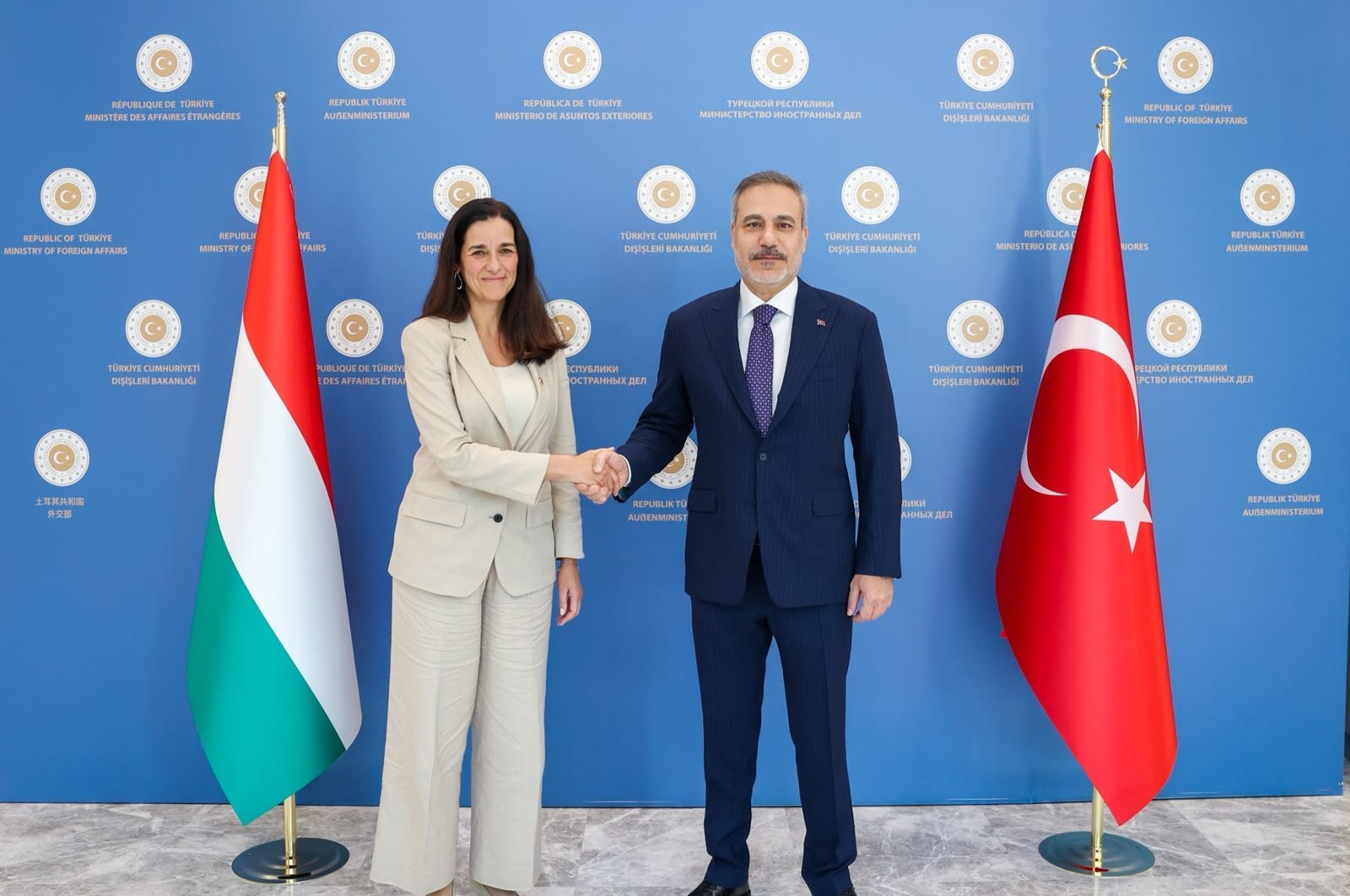
Speaking at a joint press conference in Ankara with Hungarian Foreign Minister Anita Orbán, Fidan said military officials were assessing Saudi Arabia’s requirements and considering how Turkey could contribute. He identified air defence, electronic warfare and technical assistance as areas under consideration, while making clear that Turkey would not send troops to attack territory belonging to another country.
The distinction between defensive support and direct military intervention is central to Ankara’s position. Air defence assistance could help Saudi Arabia detect, intercept or respond to incoming aerial threats, while electronic warfare capabilities could support efforts to counter hostile systems. Technical cooperation could also strengthen the operation and maintenance of defensive equipment. The precise scope of any Turkish contribution, however, has yet to be determined.
Fidan said the military representatives involved in the discussions would establish what assistance Saudi Arabia required and evaluate the potential contributions of Turkey and Pakistan. His comments indicate that the three governments are still considering the practical arrangements rather than having finalised a comprehensive military response.
The Turkish foreign minister also referred to the role of Yemen’s internationally recognised government forces, saying they continued fighting on the ground while Saudi Arabia supported them. His remarks indicate that Ankara views the existing conflict as one in which local forces remain directly engaged, while outside partners may provide assistance without necessarily deploying their own combat troops.
For Turkey, the challenge is to demonstrate solidarity with Saudi Arabia while avoiding an expansion of the conflict. A commitment to help defend an ally can involve a range of measures, from supplying equipment and technical expertise to sharing information and strengthening air defence systems. Such assistance can increase a partner’s defensive capacity without requiring the supporting country to take part directly in ground combat.
The agreement with Saudi Arabia and Pakistan therefore raises important questions about how the three countries will interpret their mutual defence obligations. Although the pact treats an armed attack against one member as an attack against all three, the practical response will depend on the circumstances of an incident, the type of assistance requested and the decisions taken by the governments involved.
Fidan’s insistence that the agreement is defensive rather than offensive appears intended to clarify those limits. His statement that Turkey would not send troops to attack another country’s territory signals that Ankara does not regard the agreement as an automatic authorisation for offensive operations. Instead, Turkey is considering forms of support that it believes would be consistent with the pact’s stated purpose.
The diplomatic and military discussions have intensified following Houthi attacks on Saudi Arabia. The attacks have prompted consultations at both political and military levels, bringing the three signatories together to discuss how the kingdom could be protected. The situation also highlights the wider security challenges facing countries around the Arabian Peninsula, where attacks involving missiles, drones and other weapons can threaten critical infrastructure and increase the risk of regional escalation.
Saudi Arabia has a direct interest in strengthening its capacity to counter such threats, while Turkey and Pakistan must assess what they can provide without undermining their own security priorities. Cooperation on defensive technology and military expertise could offer one route for the three countries to demonstrate their commitment to collective security while limiting the likelihood of a direct confrontation with the Houthis.
Nevertheless, the agreement has not yet completed all the formal steps required for its implementation in Turkey. Turkish officials previously indicated that assistance to Saudi Arabia would initially be provided through bilateral arrangements because the Turkish parliament had not formally approved the joint defence pact.
Fidan said preparations to submit the agreement to parliament were nearly complete and that the government intended to present it as soon as possible. Parliamentary approval could be an important step in establishing the agreement’s domestic legal and political standing in Turkey, although the details of its implementation and the precise responsibilities of each signatory remain significant questions.
Until those processes are completed, Ankara’s approach appears likely to focus on practical defensive cooperation rather than direct participation in offensive operations. Bilateral arrangements could allow Turkey to provide certain forms of assistance while the broader agreement moves through the formal approval process. The nature, scale and timing of any additional support will depend on further assessments and decisions by the countries involved.
Pakistan’s role is also relevant because it is a signatory to the same agreement and is expected to consider what contribution it could make to Saudi Arabia’s defence. The military representatives’ assessment will help determine how the three countries might coordinate their efforts, although no final package of assistance was specified in Fidan’s public remarks.
The developing arrangement reflects a broader effort by Turkey, Pakistan and Saudi Arabia to strengthen security cooperation at a time of heightened regional uncertainty. Yet the three countries must also manage the risks associated with any commitment that could draw them deeper into an existing conflict. Defensive assistance may offer a way to support Saudi Arabia while keeping the boundaries of military involvement clear.

For now, Turkey’s message is that its obligations under the agreement should not be interpreted as a decision to enter an offensive campaign against the Houthis. Ankara is examining ways to help Saudi Arabia improve its defences, with particular attention to air defence, electronic warfare and technical support. The final form of that assistance remains under review, while parliamentary approval of the agreement is still pending.
The distinction could prove important as the regional security situation develops. Whether the agreement ultimately leads to deeper military coordination will depend on the assessment of Saudi Arabia’s needs, the contributions Turkey and Pakistan are prepared to make, and the political decisions required to implement their commitments. Fidan’s latest comments establish one clear limit: Turkey is prepared to consider defensive support, but it will not send troops to conduct offensive operations against Houthi forces.
Related News:
 Saudi Arabia Shuts Oil Pipeline After Drone Attack
 South Korea Rules Out Military Role in Iran War
 Saudi intercepts Houthi missiles as oil fears grow
 Tanker Attacked Near Qatar as Hormuz Tensions Escalate
 Athens Mayor Moves to Tackle Overtourism Crisis
 Southeast Asia Turns to Russia Amid Energy Crisis
 US Awaits Iran Reply on New Ceasefire Proposal
 Hormuz Talks Near Critical Stage
 Houthis Strike Saudi Arabia as Middle East Tensions Rise
 Five Years of Taliban Rule Leave Afghanistan in Crisis
 Green Leader Targets Starmer’s Former Seat
 Trump Calls Iran War ‘Small Potatoes’ Despite US Deaths
 Susan Sarandon Says Palestine Stand Costs Roles
 Nearly 50,000 Flee as Houthis Advance in Yemen
 Saudi Pact Raises Risk of Pakistan Entering War
 Iran Rejects Claims of Shift in US Talks
 Xi urges Trump to avoid US-China military conflict
 Burnham Opens Door to Possible UK Return to EU
 New Maps Reveal Gaza’s Vast Destruction
 Spain Sets Snap Election as Housing Crisis Deepens
 Pacific Climate Summit Draws Limited Global Leaders
 Israel Marks Three Years Since October 7 Attack
 South Korea Probes Fuel Shipments to Russia
 Houthi Missile Claim Sparks Riyadh Airport Disruption
 Israel Promotes Film Challenging Controversial Gaza Documentary
 India’s Youth Movement Alleges Mass Detentions Before Protest
 Gaza War Deepens India’s Strategic Ties With Israel
 Canada Passes Carney’s First Budget in Tight Parliamentary Vote
 India’s Labour Law Overhaul Sparks Fierce Debate
 Mojtaba Khamenei Chosen as Iran’s New Supreme Leader
 Mojtaba Khamenei Supporters Rally as Iranians Fear Repression
 Iran Defiance Grows Amid US-Israel War Pressure
 Injured Mojtaba Khamenei Elevated as Iran Leader
 Trump to Deploy “God Squad” Over Gulf Wildlife Protections
 Iran Drone Strike Hits Kuwaiti Oil Tanker in Dubai Port
 Trump Slams UK Ties and Threatens To Rewrite Trade Deal
 Ukraine Urges UK to Seize Russian Oil Tankers
 Capitalism ‘Suicidal’, Warns Petro at Climate Summit
 Oil Prices Surge Above $120 Amid Iran Blockade Fears
 Trump approval plunges amid Iran war fears
 China Fireworks Factory Blast Kills 21 in Hunan
 Tensions Emerge in Netanyahu-Trump Alliance
 Discontent grows around Putin amid war strain
 Farage and Reform UK Reshape British Politics
 Starmer Leadership Under Pressure After Setbacks
 Ukraine Creates Long-Range Strike Command
 Le Pen’s Popularity Holds Despite Conviction
 Burnham unveils £65m drought aid for farmers
 Former Diplomats Urge UK and France to Act on Palestine
 Trump Hardens Canada Trade Stance as Talks Stall
 Nepal Tunnel Rescue Offers Hope Amid Flood Devastation
 Swedish Mining Push Puts Sami Land Rights Under Pressure
 UK plans tougher Israel stance with settlement trade ban
 Israel Accused of Undermining Palestinian Life
 Yemen War Displaces 125,000 as Fighting Intensifies
 Lib Dems Prepare for Election Amid Reform Challenge
 Trump and Mamdani Hold Cordial Gracie Mansion Meeting
 Japan PM Backs International Criminal Court
 Trump gives Xi red-carpet welcome as trade truce extends
 Greece Pushes for Parthenon Marbles Reunification
 Lula accuses Trump of seeking control over Brazil
 Nepal PM calls deadly flood a global climate warning
 Madrid Tent Camp Grows as Spain Housing Crisis Deepens
 Economic growth and political strain reshape Benin
 Drumcree Talks Falter as Legal Challenge Deepens
 Pilot and Passengers Help Save Flydubai Flight
 Green Party faces dispute over Zionism motion
 US Sends Third Carrier to Middle East
 Badenoch Raises Prospect of 2027 UK Election
 French School Protests Escalate as 400 Schools Close
 Families Await USS Abraham Lincoln Homecoming
 Bosnia’s Young People Look Beyond Election Hope
 Yemen government launches offensive against Houthis
 Iran Nobel Laureate Reveals Prison Torture and Fears
 Israeli Settlers Assault Palestinian Photographer
 Vance Demands Iran Cut Nuclear Enrichment
 USS Lincoln Ends Record 265-Day Deployment
 Japan’s Princess Aiko Fuels Debate Over Royal Succession
 Labour Wins Key London By-election as Greens Fall Short
 UK Pharmacy Body Drops Teva After Ethical Concerns