Published: 09 October 2026. The English Chronicle Desk. The English Chronicle Online
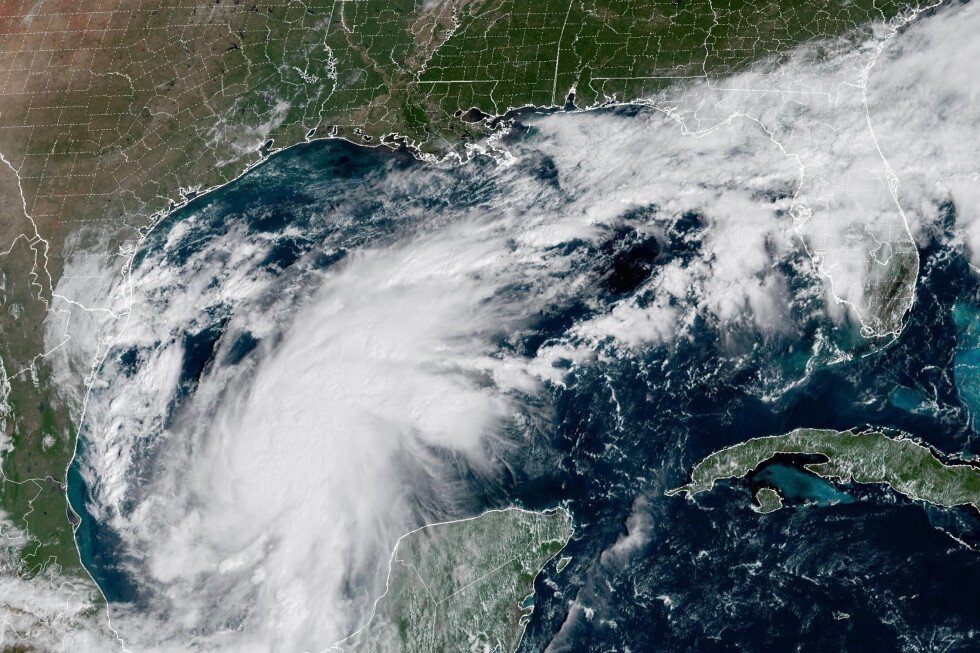
Hurricane Isaias is emerging as a major test of the Federal Emergency Management Agency’s ability to respond to a large-scale natural disaster after sweeping staffing reductions and restructuring under the Trump administration. While officials across Gulf states say they are prepared for the storm, emergency management experts warn that the agency could face serious challenges if Isaias requires a large federal response or is followed by another major disaster.
The hurricane is expected to make landfall in Florida or Alabama late Friday or early Saturday, bringing renewed attention to the federal government’s capacity to coordinate emergency operations after thousands of FEMA employees left the agency during the past year.
The Trump administration has previously indicated that it wants to substantially reduce FEMA’s role and place greater responsibility on individual states. More than 4,300 employees left the agency during fiscal year 2025, representing roughly 17% of its workforce, according to a recent government review.

The reductions have raised questions about whether FEMA still has sufficient staffing and experience to meet its legal responsibilities during a period when extreme weather events continue to create major demands for emergency assistance.
Chris Currie, who oversees homeland security and justice work at the Government Accountability Office, has warned that the central issue is not whether FEMA will respond to disasters but how deeply it will be able to respond.
That distinction could become particularly important if Hurricane Isaias develops into a major disaster requiring sustained federal support. Emergency agencies routinely depend on experienced personnel who understand the complexities of large-scale evacuations, search and rescue operations, shelter coordination, recovery funding and communications between federal and state authorities.
A significant portion of FEMA’s staffing losses came through early retirement. That has created concerns not only about the number of employees available but also about the loss of institutional knowledge.
Between January 2025 and January 2026, 58 members of FEMA’s senior executive service left the agency, compared with an average of about 13 senior executive departures annually during the previous three fiscal years.
Among the senior officials who departed was FEMA’s former Region 4 administrator, whose area included Florida and Alabama, two states now preparing for Isaias. Deanne Criswell, who led FEMA during the Biden administration, has argued that the loss of experienced personnel could be more consequential than the raw reduction in staffing numbers.
She has pointed to the institutional knowledge developed by officials who have previously managed major hurricanes and other disasters. When those people leave, their experience cannot be replaced immediately, potentially affecting the speed and quality of decision-making during emergencies.
FEMA has rejected suggestions that it is unprepared for Isaias. The agency said it is actively monitoring the storm and preparing to support affected states.
Federal incident management assistance teams are being deployed to Alabama and Florida, while FEMA personnel are being positioned within state emergency operations centres. The agency is also pre-positioning emergency supplies at Maxwell Air Force Base in Montgomery, Alabama, so that additional resources can be provided if states request them.
Governors in Florida, Georgia and Alabama have declared states of emergency for counties expected to be affected by the storm. State emergency management officials in Louisiana and Mississippi have also said they remain in regular contact with FEMA and received federal support earlier this year during Tropical Storm Arthur, which caused flash flooding and tornadoes across parts of the Gulf Coast.
Florida emergency management director Jared Perdue said the state has maintained close coordination with its federal partners and expressed confidence in the current preparations.
However, experts caution that the immediate response to one hurricane is only part of the challenge. FEMA could become significantly more stretched if another disaster occurs at roughly the same time.
The possibility of overlapping emergencies has become a particularly important concern because the agency is responsible not only for new disasters but also for thousands of existing recovery operations.
In June, FEMA was managing active recovery efforts connected to more than 1,000 open emergency disaster declarations. If a major hurricane or other disaster requires a large deployment of personnel, the agency could be forced to draw employees away from those ongoing cases.
That could slow recovery for communities that are already waiting for assistance.
The risk is not hypothetical. In 2024, Hurricanes Helene and Milton struck Florida less than two weeks apart. FEMA eventually deployed approximately 13,500 employees in response, placing significant pressure on the agency’s available workforce.
Currie has argued that FEMA was already struggling to maintain sufficient numbers of qualified personnel before the latest staffing reductions. A sequence of major disasters could therefore expose weaknesses that remain less visible during a relatively quiet period.
The agency is also facing criticism over the pace of disaster assistance approvals. A federal judge recently ruled that the administration’s plan to cut FEMA staffing by half was unlawful. Meanwhile, an analysis of major disaster declarations during 2026 found that many approvals came considerably later than the initial requests from states.
The delays have intensified concerns among disaster survivors and emergency management advocates, particularly communities still recovering from earlier catastrophes.
Ginny Goldman, founder of a national organisation representing disaster survivors, said people affected by flooding in Texas Hill Country during the summer were still waiting for individual FEMA assistance. President Donald Trump has announced federal disaster recovery funding for the region, but survivors have continued to question how quickly promised assistance will reach those in need.
For families facing a new hurricane, such delays can be especially worrying. Disaster recovery is not limited to the immediate emergency period. Residents may require temporary housing, financial support, repairs, medical assistance and help replacing essential belongings long after floodwaters recede or winds subside.
Hurricane Isaias is therefore being watched not only as a meteorological event but also as a test of the federal disaster-response system.
The Gulf Coast has extensive experience preparing for hurricanes, and state authorities have activated emergency plans well ahead of the storm. Communities have been distributing sandbags, preparing shelters and reinforcing homes and businesses as forecasts develop.
Yet even strong state preparation cannot eliminate the need for federal assistance during a major catastrophe. A sufficiently powerful storm can overwhelm local resources, particularly when multiple counties or states are affected simultaneously.
The issue is even more significant as the United States enters another period of heightened weather-related risks. Emergency management officials must prepare for hurricanes while also dealing with flooding, wildfires, severe storms and other disasters that can occur across different parts of the country at the same time.
That creates a difficult calculation for FEMA. The agency must maintain enough personnel to respond to new emergencies without abandoning communities still waiting for assistance from previous disasters.
For disaster survivors, the effectiveness of the system is ultimately measured in practical terms: how quickly help arrives, whether officials can answer questions, how efficiently financial assistance is processed and whether families can begin rebuilding their lives.
Goldman has argued that survivors may experience the consequences of staffing shortages differently from government employees accustomed to navigating emergency systems. From the perspective of someone seeking assistance after losing a home or livelihood, even a system that appears operational from inside government can feel deeply inaccessible.
FEMA officials insist that the agency is preparing for Isaias and has already begun positioning personnel and supplies in affected states. Gulf officials have also expressed confidence in their coordination with federal authorities.

The coming days will reveal whether those preparations are sufficient.
If Isaias produces only limited damage, the debate over FEMA’s staffing reductions may remain largely theoretical. But if the storm generates extensive destruction or is followed quickly by another major disaster, the agency could face the kind of sustained pressure that exposes the consequences of losing experienced personnel.
For that reason, Hurricane Isaias represents more than another test of Gulf Coast preparedness. It is also an early measure of whether a smaller and restructured FEMA can deliver the scale of federal support that states and disaster survivors have historically relied upon.
Related News:
 Typhoon Saudel Triggers Mass Evacuations in China
 Evacuations Ordered as California Wildfires Spread Fast
 Melania Trump Epstein remarks spark survivor backlash
 US Labor Department in turmoil after secretary resigns
 Trump DOJ Targets James Comey Again
 Judge Blocks Trump Bid for Arizona Voter Data
 US Court Weighs Fate of TPS for Migrants
 Immigration Judges Fear Pressure in Trump Era
 Trump’s Revenge Drive Deepens GOP Divide
 Trump’s Mount Rushmore Speech: A Divisive Anniversary
 Three-Quarters of England’s Riverbanks Still Off Limits
 Trump Orders Signs Criticising Smithsonian Museum
 Is America Ready for an AOC Presidential Run?
 Burnham unveils £65m drought aid for farmers
 Armed Suspect Attacks Ohio Governor Candidate
 Texas Transfers Raise Fears for Migrant Children
 Memphis Questions National Guard Crime Surge
 Trump and Mamdani Hold Cordial Gracie Mansion Meeting
 Democrat Says ICE Restricted Detention Camp Oversight
 Nepal PM calls deadly flood a global climate warning
 Senators warn US childcare policies could raise costs
 Polanski Says Leadership Not Tied to By-election Result
 Families Await USS Abraham Lincoln Homecoming
 Pritzker’s National Profile Grows Ahead of 2028
 Latin America women fear rollback of rights
 Pacific Climate Summit Draws Limited Global Leaders
 Argentina Protesters Resist Milei’s Land Sale Drive
 Botstein Quits Bard Amid Epstein Investigation Calls
 USS Lincoln Ends Record 265-Day Deployment
 ICE Agent Shoots Man in New York as Child Escapes Harm
 US Senate Debates Turn Bitter as Midterms Near
 Bolsonaro Gains Key Endorsement Ahead of Brazil Runoff
 US National Guard Member Killed in DC Shooting
 Trump press secretary attacks reporter over ICE question
 Kyrsten Sinema Faces High-Profile Lawsuit Over Marriage Interference
 Trump Fed bid heads to Supreme Court
 Partial US Government Shutdown Hits Homeland Security Funding
 Thousands Protest ICE Operations in Nationwide US Day of Action
 Sinema payment row deepens after $9,000 transfer claim
 Nurses’ families fear breakup under UK immigration crackdown
 California Democrats Vow Trump Reckoning
 Trump’s Surgeon General Pick Evades Vaccine Questions
 Adelaide University Faces Backlash Over Event Cancellation
 Trump Signals Hope for New Iran Talks as Ceasefire Fades
 UK Stands Firm on Falklands Amid US Rift
 Investigation Into Anti-Trump Motives After Gala Shooting
 Trump Defiant After Washington Hotel Shooting
 Trump orders US troop pullout from Germany
 Kevin Warsh sworn in as Fed chair amid economic backlash
 Pope Meets Families in Italy Toxic Waste Zone
 Farage and Reform UK Reshape British Politics
 AOC Backs El-Sayed in Tight Michigan Senate Primary
 US Courts Back Trump on Park Signage Removals
 Sydney Records Hottest June Since 1859 as Expert Warns New High a ‘Signature’ of Global Warming
 UK Schools Struggle as Classrooms Top 40C
 Olympus Awaits Unesco Heritage Recognition
 Houthis Strike Saudi Arabia as Middle East Tensions Rise
 Trump Calls Iran War ‘Small Potatoes’ Despite US Deaths
 Trump gives $45,000 holiday gifts to White House aides
 New Mexico Takes Facebook to Trial Over Data Scandal
 Man Arrested in Mississippi Woman’s Death
 Mayors Could Gain Greater Powers Over Water Firms
 Mahmood Warns Far Right Over Asylum Protests
 US Networks Suspend Trump White House Pool Coverage
 Tropics May Wait Longest for Net-Zero Climate Benefits
 Xi urges Trump to avoid US-China military conflict
 Republican Senator Questions Trump Ad Spending
 Madrid Tent Camp Grows as Spain Housing Crisis Deepens
 US Sends Third Carrier to Middle East
 Badenoch Raises Prospect of 2027 UK Election
 French School Protests Escalate as 400 Schools Close
 Lula Warns of Bolsonaro Family Return as Brazil Votes
 Salinas Struggles to Keep the American Dream Alive
 US bombers leave RAF Fairford after terror threat
 Gosport Protesters Clash With Police Over Migrant Rescue
 Quebec separatists return to power without majority
 Trump Says He Deserves Nobel Peace Prize
 UK Water Firms Earn Millions From Industrial Wastewater
 South Africa Withdraws Directive on Asylum Applications
 Trump Rules Out Iran Attack Before US Elections