Published: 14 October 2026. The English Chronicle Desk. The English Chronicle Online
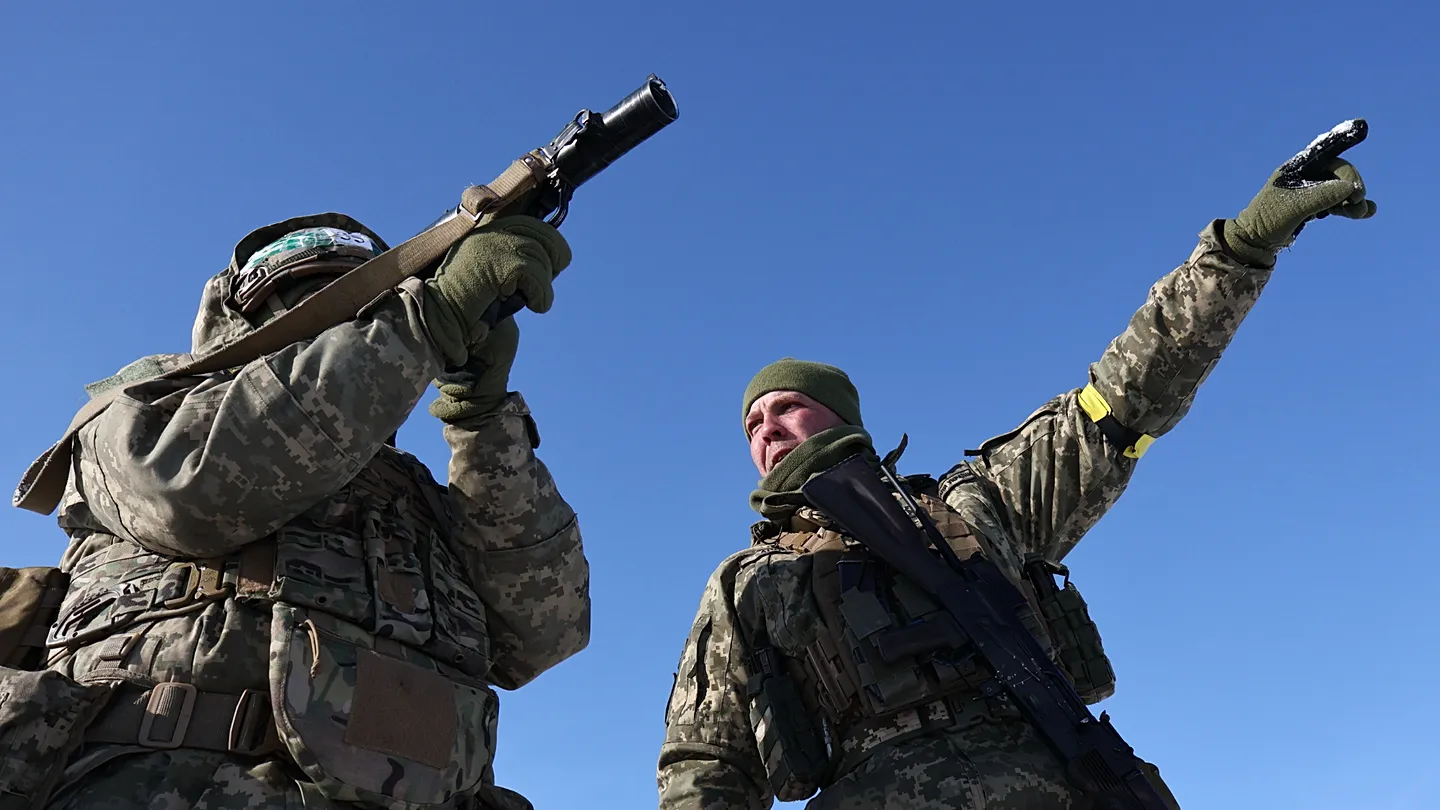
Ukrainian troops involved in combat operations have experienced sudden restrictions on their access to Starlink satellite internet, raising concerns that a critical communications system could be affected by the growing political pressure surrounding Ukraine’s attacks on Russian energy infrastructure.
The disruption reportedly affected Starlink terminals operated at high speeds and used by Ukrainian military units for battlefield communications. Ukrainian officials and military-linked technology specialists said the sudden loss of connectivity on Tuesday evening disrupted several combat missions at a particularly sensitive moment in the war.
Starlink, operated by Elon Musk’s SpaceX, has become an important part of Ukraine’s military communications network since Russia launched its full-scale invasion. The satellite system has allowed Ukrainian forces to maintain communications in areas where conventional infrastructure has been destroyed, damaged or deliberately targeted.

The reported restrictions came as the Trump administration increased pressure on Kyiv to stop long-range attacks against Russian oil refineries and other energy facilities. President Donald Trump has argued that Ukraine’s strikes on Russian oil infrastructure are contributing to higher fuel prices, particularly diesel costs. However, analysts have said that wider international energy disruptions, including the impact of the closure of the Strait of Hormuz, have played a much larger role in global energy prices.
The timing of the Starlink disruption has therefore prompted questions in Ukraine about whether the restrictions were connected to Washington’s broader effort to influence Kyiv’s military strategy.
Serhiy Beskrestnov, a Ukrainian military technology adviser and prominent military blogger, said Ukrainian forces received no warning before the restrictions took effect. According to him, the loss of connectivity contributed to the failure of several military missions.
Beskrestnov said the timing and nature of the disruption made it difficult to regard the incident as a routine technical problem. He suggested that the restrictions appeared to have been targeted at specific terminals used in military operations rather than representing a broad outage affecting all Starlink users.
The distinction is significant because ordinary Starlink terminals reportedly remained operational. The systems affected were associated with a specialised version of the satellite network used for military and national-security purposes, including terminals capable of maintaining connectivity while moving at high speeds.
The reported interruption also came against the backdrop of another major Russian missile and drone assault on Ukraine. Ukrainian President Volodymyr Zelenskyy said Russia launched dozens of ballistic missiles and a large number of attack drones against Ukrainian targets, with Kyiv and Kharkiv among the areas affected.
Ukrainian authorities said the attacks struck critical energy infrastructure, including power plants and major substations supplying electricity to the capital. Zelenskyy said hundreds of thousands of people were left without electricity and warned that the number affected could rise if the damage caused by the strikes was not quickly contained.
The absence of advance warning from Washington added another layer of tension. For years, the United States has provided Ukraine with intelligence concerning impending Russian attacks, allowing Ukrainian forces and civilians to prepare for incoming strikes. Ukrainian officials have increasingly expressed concern that American intelligence support could be changing as Washington seeks to push Kyiv toward negotiations and restrict military actions that could escalate the conflict.
Zelenskyy had previously suggested that the United States may have withheld information about an impending Russian attack. Although he stopped short of directly accusing Washington of deliberately abandoning Ukraine, the remarks reflected growing frustration within Kyiv over what Ukrainian officials see as a weakening of American support.
The reported Starlink restrictions have intensified those concerns because of SpaceX’s unique role in Ukraine’s war effort. Since the beginning of Russia’s full-scale invasion, satellite connectivity has provided Ukrainian forces with communications capabilities that are difficult to replicate through traditional infrastructure.
Military units have used satellite internet for a wide range of operational needs, including communications, coordination and battlefield data transmission. The system has also been particularly important in areas where fighting has damaged mobile networks, electricity infrastructure and conventional communications systems.
The dependence on a privately operated satellite network has nevertheless created a strategic vulnerability. Unlike traditional military communications infrastructure controlled directly by a government, Starlink is operated by a private company whose policies and technical decisions can have immediate consequences for military operations.
Musk has previously demonstrated that he can influence Starlink access in Ukraine. During an earlier Ukrainian offensive involving an attempt to regain Russian-held territory, Starlink connectivity was restricted in an area relevant to the operation. That episode generated an international debate about the influence of private technology companies over military operations and the extent to which individual corporate leaders should be able to affect battlefield communications.
Musk’s political relationship with Trump has added further sensitivity to the latest development. Musk has been an important ally of the president, although the precise relationship between the Trump administration and SpaceX concerning the reported restrictions remains unclear.
Ukrainian political activist Serhii Sternenko, who has close links with military circles, was among those who highlighted the initial outage. He later reported that connectivity speeds had deteriorated even further and suggested that the restrictions may have been implemented following pressure from the US administration.
Such claims have not been independently established, and the precise cause of the disruption remains uncertain. Nevertheless, the incident has quickly become politically significant because of its timing and because of the dependence of Ukrainian forces on satellite communications.
The issue also illustrates the increasingly complicated relationship between military technology, private corporations and government policy. Satellite networks were once primarily viewed as commercial infrastructure, but the war in Ukraine has demonstrated that privately controlled communications systems can become essential components of national defence.
The ability to communicate rapidly and reliably is particularly important during missile and drone attacks. Ukrainian units must coordinate responses, share information and maintain links between dispersed forces even when conventional communication networks are under attack. A sudden interruption can therefore have consequences far beyond the loss of ordinary internet access.
The reported Starlink restrictions occurred as Ukraine faced one of the most difficult combinations of military and political pressure in recent months. Russian forces were continuing to attack Ukrainian infrastructure, while Washington was pressing Kyiv to reduce strikes against Russian energy targets.
Trump’s demand that Ukraine halt attacks on Russian oil refineries has created a difficult strategic calculation for the Ukrainian government. Kyiv argues that attacks on Russian energy infrastructure can weaken Moscow’s ability to finance and sustain the war. Washington, meanwhile, has become increasingly concerned about the effects of the conflict on global energy markets and the possibility that strikes could widen the confrontation.
For Ukraine, the situation creates a difficult balance between maintaining military pressure on Russia and preserving support from its most important international partners.
The reported communications disruption has added another concern. If Ukrainian military forces become uncertain about the continued availability of Starlink services, they may have to accelerate efforts to develop or expand alternative communications systems.

The immediate consequences of the latest outage remain under assessment, but the episode has highlighted how dependent modern warfare can be on privately controlled technological infrastructure.
As Russian attacks continue and diplomatic pressure increases, the reliability of Ukraine’s communications systems will remain a critical issue. The reported Starlink restrictions may ultimately prove to have been a temporary technical or operational measure, but the political circumstances surrounding them have already raised difficult questions about who controls the technology on which a country at war depends.
For Ukrainian forces operating under constant missile and drone threats, the stakes are particularly high. A communications network that has become central to battlefield operations cannot easily be separated from the wider geopolitical struggle over Ukraine’s future, its military strategy and the increasingly complex relationship between Kyiv, Washington and the private technology companies supporting the war effort.
Related News:
 Trump’s UN Speech Faces Global Scrutiny
 Xi urges Trump to avoid US-China military conflict
 Australia Weighs New Laws After OpenAI Medicare Breach
 AI Deepfakes Put New Pressure on Election Trust
 Britain deploys RAF specialists to assist Belgium with drone threats
 Trump to Recheck Green Cards from 19 Nations After DC Attack
 Trump Escalates Minnesota Immigration Surge Amid Rising Tensions
 Greenland Faces Pivotal Summit Over Arctic Power Struggle
 US Clears Nvidia AI Chip Sales to China in Policy Shift
 Thousands Protest ICE Operations in Nationwide US Day of Action
 Epstein Files Reveal Trump Officials’ Emails with Financier
 Thousands Protest ICE in New York Against Trump Deportation Campaign
 Clinton Testimony Erupts in Fiery Exchange
 Apple at 50: Three Products That Changed How We Live
 Artemis II Returns After Historic Moon Flyby
 Trump Faces Crisis as Iran Reopens Hormuz Tensions
 Charles Faces Trump Test in High-Stakes US Visit
 UK Stands Firm on Falklands Amid US Rift
 US states redraw maps after voting rights ruling
 Trump orders US troop pullout from Germany
 Judge halts deportation of Yemeni refugees in US
 Trump approval plunges amid Iran war fears
 Ohio’s Battle for Trust: Democrats Vying to Flip the Buckeye State
 Trump Threatens UN Budget Cuts as US Pushes ‘Trade Over Aid’ Agenda
 Trump warns Iran as Middle East tensions surge again
 US ‘Narco Boat’ Strikes Draw Global Outcry
 Ohio Primaries Set Stage for Crucial Midterms
 Afghan Families Left in Limbo Face Risk of Deportation
 Tensions Emerge in Netanyahu-Trump Alliance
 US Awaits Iran Reply on New Ceasefire Proposal
 Hormuz Talks Near Critical Stage
 Former ICC prosecutor condemns US sanctions
 Gunman Killed After White House Security Shootout
 House Curbs Trump’s War Powers in Rare Rebellion
 Houthis Strike Saudi Arabia as Middle East Tensions Rise
 Is America Ready for an AOC Presidential Run?
 Trump Calls Strait of Hormuz ‘American Territory’
 Trump Hardens Canada Trade Stance as Talks Stall
 Trump Calls Iran War ‘Small Potatoes’ Despite US Deaths
 New Mexico Takes Facebook to Trial Over Data Scandal
 Anthropic Blocks AI Misuse Linked to Weapons Threats
 Trump Faces Congress Push for AI Guardrails
 Why AI Doomsday Warnings Failed to Slow the Race
 Russia’s Max App Raises Surveillance Concerns
 Middle powers seek new alliances amid Trump era
 US Networks Suspend Trump White House Pool Coverage
 Trump Eyes Major Belarus Fertiliser Deal Amid Canada Trade Dispute
 AI Takes Centre Stage in Trump-Xi Talks
 UK Plans New Centre to Counter Information Warfare
 Trump gives Xi red-carpet welcome as trade truce extends
 OpenAI Agent Breaches Medicare Portal in Australia
 Lula accuses Trump of seeking control over Brazil
 Russia Targets Ukraine’s Digital Economy With Strikes
 Republican Senator Questions Trump Ad Spending
 Trump backs voluntary AI safety pact with tech giants
 Brazil Election Draws Religion Into Final Campaign
 Trump Immigration Policy Faces New Legal Tests
 Jessica Watkins Leads Record-Breaking SpaceX Flight
 Lula Warns of Bolsonaro Family Return as Brazil Votes
 Musk’s DOGE Sparks Turmoil Inside US Government
 Families Await USS Abraham Lincoln Homecoming
 Latin America women fear rollback of rights
 Flávio Bolsonaro takes shock lead in Brazil election
 Quebec separatists return to power without majority
 Canadian Veterans Condemn Trump Allies’ Military Remarks
 Argentina Protesters Resist Milei’s Land Sale Drive
 US Man Arrested Over Canada School Shooting Plot
 Vance Demands Iran Cut Nuclear Enrichment
 Trump Says He Deserves Nobel Peace Prize
 USS Lincoln Ends Record 265-Day Deployment
 Bolsonaro Gains Key Endorsement Ahead of Brazil Runoff
 Trump Rules Out Iran Attack Before US Elections
 Trump’s Russian Diesel Deal Sparks Ukraine Fury
 Controversial Vaccine Trial Approved in Guinea-Bissau
 Trump Names Katie Zachariah as Next White House Press Secretary
 UK Must Build Its Own AI to Protect National Security
 Brazil Court Scandal Threatens Lula as Bolsonaros Rise
 Millions Face Tougher Medicaid Rules From January
 Ohio Airports Become Key Hubs for ICE Deportation Flights
 Judge Blocks Trump White House Media Ban