Published: 22 October 2026. The English Chronicle Desk. The English Chronicle Online
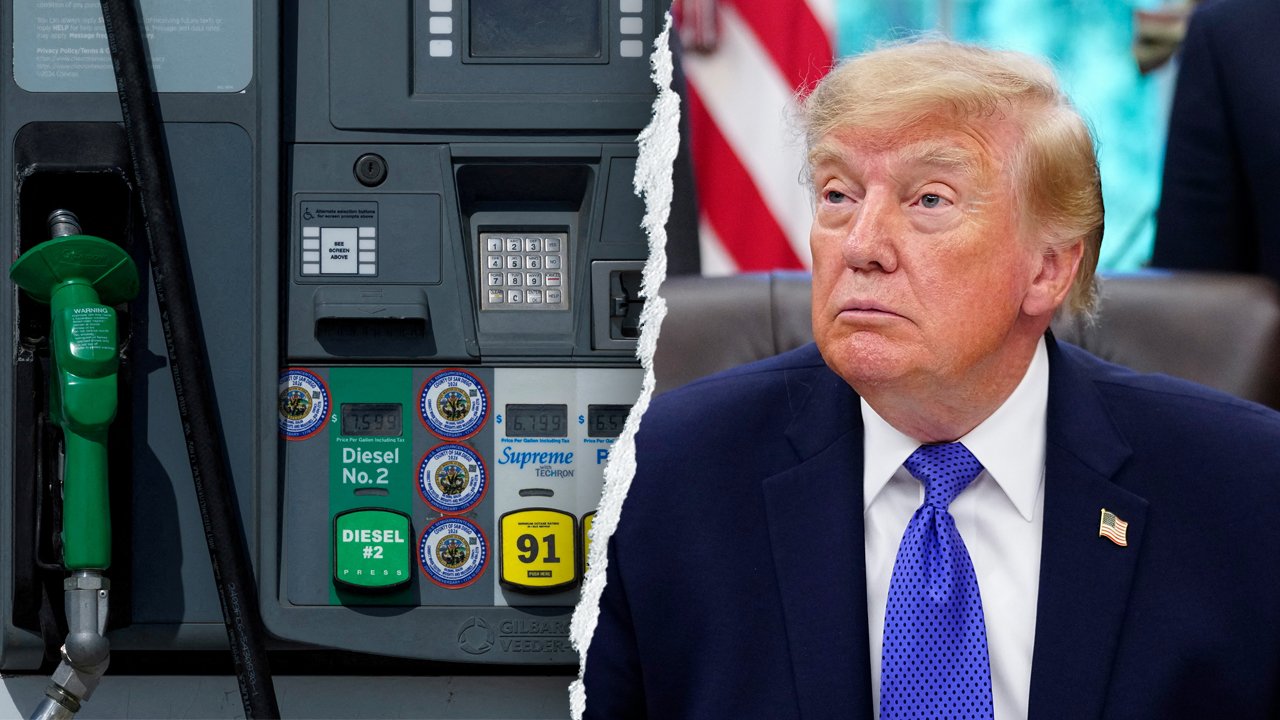
With fewer than two weeks remaining before the critical midterm elections, American voters are facing severe economic pain at the pump, as soaring gasoline and diesel costs hammer household budgets and threaten to exact a heavy political toll on Republican candidates. Across the country, motorists and families are struggling to absorb unprecedented fuel expenses that have outpaced general inflation, creating a pervasive mood of frustration and financial anxiety. From suburban commuters to rural farmers and delivery drivers, citizens are cutting back on essential household expenditures, scaling back children’s extracurricular activities, and reevaluating their travel routines as fueling up becomes an increasingly burdensome weekly expense.
The political fallout from the energy crunch is rippling across key battleground states, where public opinion polls indicate that high energy costs are shaping up to be the defining domestic issue of the election cycle. In communities throughout the industrial Midwest and beyond, voters express deep disillusionment with the current economic trajectory, warning that governing officials appear disconnected from the financial realities faced by working-class families. Political analysts suggest that voter anger over cost-of-living pressures will likely translate into a significant penalty for Republican incumbents at the ballot box, as frustrated citizens seek to register their discontent through their votes.

The national landscape reflects stark increases when compared to previous years, with gasoline and diesel averages climbing dramatically amid constrained global supplies and ongoing geopolitical disruptions. Energy experts attribute the broader price surge to a combination of international conflicts, including the ongoing military confrontation in the Middle East that has restricted vital oil transit routes through key shipping lanes, alongside damage to regional energy infrastructure. Furthermore, domestic refining capacity operating at maximum levels, combined with supply chain disruptions affecting global petroleum markets, has left the United States vulnerable to severe price volatility heading into the winter heating season.
In an effort to mitigate the political damage and provide tangible relief before voters head to the polls, the administration announced a series of emergency policy measures aimed at reducing fuel costs. These interventions included promoting the temporary commercial use of red-dye diesel normally reserved for off-road agricultural machinery, temporarily lifting restrictions on specific foreign fuel imports, and implementing an emergency financial subsidy package designed to assist agricultural producers during the heavy harvest season. Administration officials defended these steps as aggressive and proactive measures intended to alleviate the financial burden on truck drivers, farmers, and everyday consumers.
However, independent energy analysts and market economists have expressed widespread skepticism regarding the potential effectiveness of these executive actions, arguing that the interventions are too limited in scale and arrived far too late to alter market dynamics before the midterms. Energy specialists point out that the volume of fuel covered by recent import adjustments represents only a negligible fraction of daily domestic consumption, rendering the policy largely symbolic rather than transformative. Furthermore, experts warn that measures such as authorizing the use of off-road diesel could inadvertently intensify market competition and drive up operational expenses for agricultural sectors already squeezed by broader trade conflicts and rising overhead costs.
Beyond immediate domestic policy adjustments, economists emphasize that sustainable relief from high energy prices ultimately depends on resolving complex international conflicts that continue to destabilize global petroleum markets. Industry veterans note that lasting stability will require diplomatic breakthroughs to secure vital shipping corridors and de-escalate regional hostilities that currently threaten global energy supplies. Without comprehensive geopolitical resolutions, consumers are likely to face persistent price pressures, reinforcing long-term economic shifts toward alternative energy solutions and heightened consumer electrification across personal transport and heavy industry sectors.
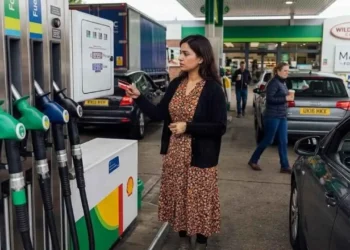
As election day draws closer, the human impact of the fuel crisis remains sharply visible at local gas stations, where drivers calculate the daily trade-offs required to keep their vehicles running. For many citizens, high fuel prices serve as a daily reminder of economic insecurity, influencing their broader assessment of government competence and leadership. With public sentiment heavily influenced by financial pressures at the pump, the upcoming midterm elections promise to serve as a definitive referendum on economic governance, leaving political leaders scrambling to address an issue that has deeply shaken voter confidence nationwide.
The political fallout from this sustained energy crunch is rippling aggressively across key battleground states and competitive legislative districts, where public opinion polls indicate that high energy costs have solidified into the defining domestic economic issue of the election cycle. In communities throughout the industrial Midwest and suburban commercial hubs, voters express deep anger with the current economic trajectory, warning repeatedly that governing officials appear dangerously disconnected from the harsh financial realities experienced by working-class families. Political analysts and polling experts suggest that widespread voter hostility over escalating cost-of-living pressures will almost certainly translate into a significant electoral penalty for Republican incumbents at the ballot box, as frustrated citizens seek to register their discontent by punishing the ruling party.
The national macroeconomic landscape reflects stark increases when compared to previous years, with average retail prices for gasoline and diesel climbing dramatically amid constrained global supplies, refining bottlenecks, and ongoing geopolitical disruptions. Energy analysts and market economists attribute the broader price surge to a compounding combination of international conflicts, including the protracted military confrontation in the Middle East that has severely restricted vital oil transit routes through essential shipping lanes like the Strait of Hormuz, alongside structural damage to regional production infrastructure. Furthermore, domestic refining capacity operating at absolute maximum limits, combined with international supply chain disruptions affecting global petroleum markets, has left the United States uniquely vulnerable to severe price volatility heading directly into the high-demand winter heating season.
In an urgent effort to mitigate the mounting political damage and project decisive action before voters head to the polls, the administration announced a series of emergency executive policy measures aimed at reducing fuel costs for key demographics. These interventions included promoting the temporary commercial use of red-dye diesel normally reserved exclusively for off-road agricultural machinery, temporarily lifting regulatory restrictions on specific foreign fuel imports, and implementing an emergency financial subsidy package designed to assist agricultural producers during the heavy harvest season. Administration officials defended these aggressive steps as proactive measures intended to alleviate the severe financial burden resting squarely on truck drivers, farmers, and everyday consumers.
However, independent energy analysts, academic researchers, and market economists have expressed widespread skepticism regarding the potential effectiveness of these executive actions, arguing vociferously that the interventions are far too limited in scale and arrived much too late to alter fundamental market dynamics before the midterm elections. Energy specialists point out that the volume of fuel covered by recent import adjustments represents only a negligible fraction of daily domestic consumption, rendering the policy largely symbolic rather than transformative. Furthermore, experts warn that measures such as authorizing the wider use of off-road diesel could inadvertently intensify market competition, create logistical confusion, and actually drive up operational expenses for agricultural sectors already squeezed by broader international trade conflicts and skyrocketing overhead costs.

Beyond immediate domestic policy adjustments, economists emphasize that sustainable, long-term relief from high energy prices ultimately depends on resolving complex international conflicts that continue to destabilize global petroleum markets. Industry veterans note that lasting economic stability will require major diplomatic breakthroughs to secure vital shipping corridors, restore damaged infrastructure, and de-escalate regional hostilities that currently threaten global energy supplies. Without comprehensive geopolitical resolutions, consumers are likely to face persistent price pressures, reinforcing long-term economic shifts toward alternative energy solutions and heightened consumer electrification across personal transport and heavy industry sectors.
As election day draws rapidly closer, the human impact of the fuel crisis remains sharply visible at local gas stations, where drivers calculate the daily trade-offs required to keep their vehicles running and their households afloat. For millions of citizens, high fuel prices serve as a daily, inescapable reminder of economic insecurity, heavily influencing their broader assessment of government competence, administrative leadership, and legislative priorities. With public sentiment dominated by financial pressures at the pump, the upcoming midterm elections promise to serve as a definitive national referendum on economic governance, leaving political leaders scrambling to address an issue that has deeply shaken voter confidence nationwide.
Related News:
 BBC News Faces Deep Cuts in 2,000 Job Plan
 Kevin Warsh sworn in as Fed chair amid economic backlash
 Reeves Fights to Keep Treasury Role Amid Labour Turmoil
 Trump Refuses to Sign Housing Bill, But Law Takes Effect
 Burnham Faces Mounting Budget Challenges
 Trump Hardens Canada Trade Stance as Talks Stall
 Trump Pledges $5,000 if Republicans Win Midterms
 US House Passes Russia Sanctions Bill Amid Debate
 Trump Eyes Major Belarus Fertiliser Deal Amid Canada Trade Dispute
 Thinktank Calls for Abolition of UK State Pension
 MPs Defend UK Economic Watchdog Against Critics
 Tony Blair Calls for Britain to Rejoin EU Within a Decade
 Saudi intercepts Houthi missiles as oil fears grow
 Why Americans Feel Ripped Off by Rising Prices
 DOJ Declines to Reopen Powell Renovation Probe
 London Council Warns of 150% Council Tax Rise
 Informa Agrees £2.24bn Deal to Buy Clarion
 EU-China Talks Target Surge in Hybrid Car Imports
 IMF Warns Governments Over Rising Debt Burdens
 Doubts Grow Over Trump’s $15bn Iowa Steel Plant
 Ministers Push ATO to Reconsider Credit Card Ban
 US Senate Debates Turn Bitter as Midterms Near
 Australia Delays Tax Credit Card Payment Ban After Backlash
 France Faces Debt Crisis as Protests and Markets Clash
 Labour Fears Budget Will Fail to Lift Living Standards
 IFS Warns UK Budget Faces £35bn Spending Gap
 Brazil Court Scandal Threatens Lula as Bolsonaros Rise
IMF Raises UK Growth Forecast Ahead of Healey’s Budget
 Trump Rallies GOP as Senate Democrats Boost Key Races
 Business Chief Urges Burnham to Fix Brexit Damage
 Trump Halts New Russia Sanctions Amid Ukraine Rift
 Cormann Warns Australia Against Populist Migration Caps
 Trump Fears Shock Democratic Senate Win in Kansas
 Trump Pledges $400m to Boost Republicans in Midterms
UK Borrowing Hits £24.5bn Ahead of Healey’s Budget
 Government Unveils Northern Powerhouse Rail Plans
 Trump Fed bid heads to Supreme Court
 Albanese Rejects Gas Export Tax Push
 Trump approval plunges amid Iran war fears
 Ohio’s Battle for Trust: Democrats Vying to Flip the Buckeye State
 US Awaits Iran Reply on New Ceasefire Proposal
 US green card applicants must apply from abroad, DHS says
 Albanese Defends Tax Reforms Amid Emotional Speech
 Nationwide Faces Governance Scrutiny Ahead of AGM
 Trump Calls Iran War ‘Small Potatoes’ Despite US Deaths
 Reform Faces Fresh Financial Controversy
 Swedish Mining Push Puts Sami Land Rights Under Pressure
 Trump gives $45,000 holiday gifts to White House aides
 North Sea Firms Urge Early End to Windfall Tax
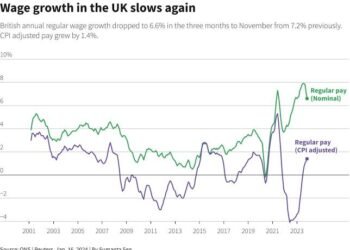 UK Pay Growth Slows to 3.9% as Rate Decision Nears
 Bank Urged to Slow Bond Sales as UK Costs Rise
 Trump Threatens EU With Tariffs Over Canada Proposal
 UK Retail Sales Rebound as Consumers Spend More
 UK Rent Gap Puts Low-Income Families Under Pressure
 Calls Grow to Expand UK National Wealth Fund
 Chinese Hybrid Car Surge Raises EU Auto Industry Concerns
 AO Acquires Jessops in Camera Retail Expansion
 Xi urges Trump to avoid US-China military conflict
 Lula accuses Trump of seeking control over Brazil
 Should Savers Lock Into 5.25% Fixed Rates?
 Burnham Opens Door to Possible UK Return to EU
 Poundland Rescue Bid Could Protect 11,000 Jobs
 Healey urged to act as UK energy bills rise 4%
 UK house price growth slows as mortgage rates rise
 UK borrowing costs surge as global bond sell-off deepens
 French Debt Fears Put Euro Markets Under Pressure
 UK Assures Public Over Diesel Supply
 Badenoch Raises Prospect of 2027 UK Election
 UK Diesel Reaches £2 as Inflation Surges Across Europe
 Salinas Struggles to Keep the American Dream Alive
 Tesco Raises Profit Forecast as Consumer Confidence Holds
 Trump’s Russian Diesel Deal Sparks Ukraine Fury
 Hall and Woodford Win Nobel Economics Prize
 IMF Warns Global Economy Is Nearing Its Limits
 Millions Face Tougher Medicaid Rules From January
 Healey Plans £1bn Online Marketplace Tax Crackdown
 Serbia Leader Linked to Controversial Trump Tower Plan
 UK Could Rejoin EU Through a Switzerland Plus Deal
 UK Plans Higher Training Costs for Older Apprentices
 UK Unemployment Falls to 4.7% as Vacancies Decline