Published: 23 October 2026. The English Chronicle Desk. The English Chronicle Online
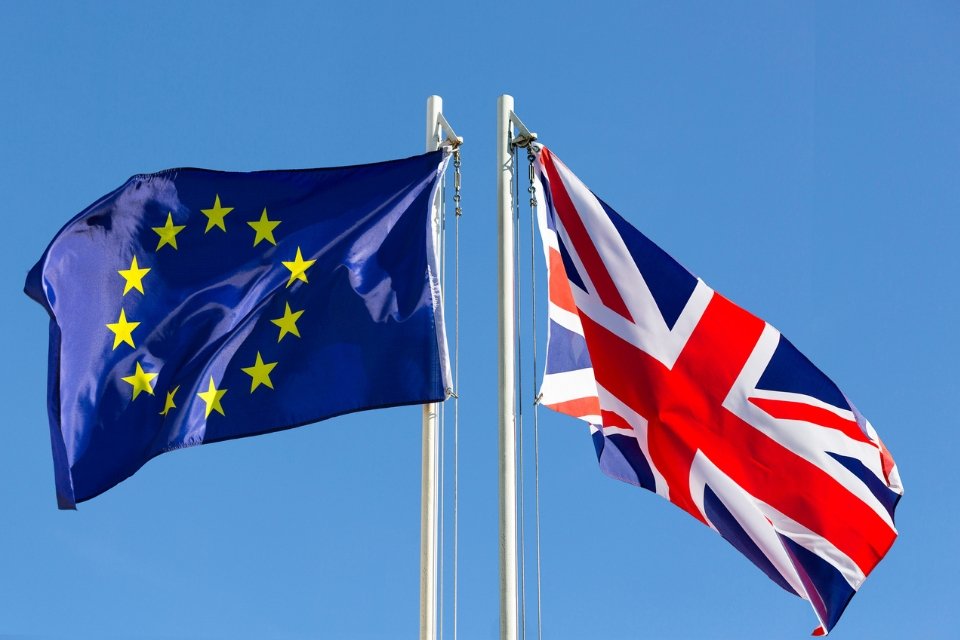
A crucial deadline to finalize a landmark reciprocal Youth Experience Scheme between the European Union and the United Kingdom could be deferred by six months in an effort to safeguard Prime Minister Andy Burnham’s upcoming bilateral summit on November 20. High-level diplomatic discussions in Brussels have stalled over key sticking points, including annual visa quotas, university tuition fee structures, and mandatory healthcare surcharges for young European citizens seeking to live, study, or work in Britain.
Diplomats attending internal briefings in Brussels warned that unresolved differences threaten to overshadow the high-profile summit hosted by EU leaders António Costa and Ursula von der Leyen. Prime Minister Burnham has framed the event as a pivotal moment to reset post-Brexit diplomatic ties and establish a modernized framework for long-term UK-EU cooperation. However, persistent disagreements regarding youth mobility protocols risk derailing the agenda just as the British government seeks to unveil broader economic, security, and trade agreements.

A central point of contention involves the total number of young adults permitted to participate in the proposed youth visa framework each year. British negotiators continue to push for an annual cap capped at approximately 50,000 individuals, aiming to balance international mobility with domestic political sensitivities surrounding net migration numbers. Conversely, several EU member states have advocated for a significantly higher annual limit ranging between 100,000 and 500,000 participants, while some European governments argue against any formal quantitative restrictions whatsoever.
Financial obligations for European participants also remain a major barrier to a final accord. The UK government maintains that incoming visa recipients should pay the national Immigration Health Surcharge—currently set at £1,035 annually—to cover potential access to National Health Service medical care, though negotiators have reportedly discussed a potential 25 percent fee reduction to ease financial burdens.
Higher education tuition rates represent the thorniest obstacle facing British and European officials. Higher education institutions across the UK, particularly non-Russell Group universities facing tight operational budgets, have pressured ministers to maintain full international tuition fees for EU students, which can reach nearly £70,000 annually for prestigious degree programs at elite institutions. European negotiators argue that high international fees run counter to the spirit of a true youth mobility exchange, pushing for fees closer to domestic rates.
Diplomats attending internal briefings in Brussels warned that unresolved operational differences threaten to overshadow the high-profile summit hosted by EU leaders António Costa and Ursula von der Leyen. Prime Minister Burnham has framed the event as a pivotal moment to reset post-Brexit diplomatic ties and establish a modernized framework for long-term UK-EU cooperation. However, persistent disagreements regarding youth mobility protocols risk derailing the broader bilateral agenda just as the British government seeks to unveil major cross-border economic, security, and trade agreements.
A central point of contention involves the total number of young adults permitted to participate in the proposed youth visa framework each year. British negotiators continue to push for an annual cap capped at approximately 50,000 individuals, aiming to balance international mobility opportunities with domestic political sensitivities surrounding net migration numbers. Conversely, several EU member states have advocated for a significantly higher annual limit ranging between 100,000 and 500,000 participants, while some European governments argue against imposing any formal quantitative restrictions whatsoever.
Financial obligations for European participants also remain a major structural barrier to securing a final accord. The UK government maintains that incoming visa recipients should pay the national Immigration Health Surcharge—currently set at £1,035 annually—to cover potential access to National Health Service medical care. While British negotiators have reportedly floated a 25 percent fee discount to ease financial burdens on young applicants, European representatives maintain that healthcare levies undermine the spirit of mutual cultural and educational exchange.
Higher education tuition rates represent the single thorniest obstacle facing British and European officials during pre-summit talks. Higher education institutions across the UK, particularly non-Russell Group universities facing tight operational budgets, have strongly pressured ministers to maintain full international tuition fees for incoming EU students. These international rates can reach upwards of £69,000 annually for prestigious degree programs at elite British institutions. European negotiators argue that charging EU students full international rates renders university exchanges financially unviable, pushing for fees closer to domestic British student rates.
To prevent an open stalemate at the November summit, European Commission diplomats have circulated a compromise proposal to temporarily decouple the youth mobility scheme from the broader leader-level agenda. Under this strategy, member states would sign off on completed agreements covering food and drink trade standards alongside carbon emissions market alignment, while committing to finalize terms on youth tuition and visa quotas by May 2027.
While negotiators remain divided over whether to resolve all issues as a single comprehensive package or separate the most contentious files, diplomats emphasize that preserving broader momentum in UK-EU relations remains the ultimate priority. With formal talks on complex energy market integration already pushed past the summit due to regulatory hurdles, postponing the youth mobility target is increasingly viewed by diplomats as a necessary compromise to guarantee a successful reset between London and Brussels.

To prevent an open stalemate at the November summit, European Commission diplomats have circulated a compromise proposal to decouple the youth mobility scheme from the broader leader-level agenda. Under this strategy, member states would sign off on completed agreements covering food and drink trade standards and carbon emissions market alignment, while committing to finalize terms on youth tuition and visa quotas by May 2027.
While negotiators remain divided over whether to resolve all issues as a single package or separate the most contentious files, diplomats emphasize that preserving momentum in UK-EU relations remains the ultimate priority. With formal talks on broader energy market integration already pushed past the summit, postponing the youth mobility deadline is increasingly viewed as a necessary compromise to secure a successful reset between London and Brussels.
Related News:
 Exeter Approves Saudi Military Training Partnership
 UK Universities Warn Students Ahead of 7 October Pro-Palestine Protests
 British Woman in Iran ‘Losing Hope’ Amid Ongoing Detention
 BBC Journalist Held and Interrogated in Vietnam
 UK University Suspends Human Rights Research Following Pressure from China
 UK University Faces Counter-Terror Probe Over China Pressure
 Top Christmas Books Reads: Classics to Cozy Romcoms
China-critical UK academics face ‘extremely heavy’ pressure from Beijing
 BBC director-general and news chief resign amid bias row
 England’s Special Needs Support Faces Breaking Point
 Rama Rebukes Mahmood for Targeting Albanian Families
 Russian Vessel Used Lasers on RAF Pilots, UK Claims
 UK Ministers Drop Foreign Student Targets for Global Education Push
 Starmer China visit raises human rights pressure on Beijing
 UK and EU Signal Fresh Push for Defence Cooperation Talks
 Starmer Condemns ‘Depraved’ Russian Strikes on Ukraine
 Trump and Chagos Deal Rift Over Iran Strikes
 Andrew Mountbatten-Windsor Arrest After FBI Radar
 Farage Chagos Islands Row Sparks Fury
 Trump Tariffs Threat Spark UK and EU Alarm
 Student Loan Crisis Sparks Outrage Among Graduates in England
 UK Prepares Aircraft Carrier for Middle East Crisis
 Gordon Brown urges court for crimes against children
 Yvette Cooper: UK Must Follow Principles, Not US Pressure
 UK Minister Denies Iran Missile Threat to Britain
 Army Probes Apache Flyover at Kid Rock’s Nashville Estate
 Relationship with Trump may be beyond repair, Starmer warned
 NHS Safety Fears as Nurses Cover Doctor Gaps
 Charles Faces Trump Test in High-Stakes US Visit
 UK Stands Firm on Falklands Amid US Rift
 Koh-i-noor Diamond Row Reignites Colonial Debate
 UK Pushes for New EU Goods Trade Deal
 Reeves Fights to Keep Treasury Role Amid Labour Turmoil
 Farage and Reform UK Reshape British Politics
 Starmer Leadership Under Pressure After Setbacks
 Deadly Russian Air Raids Strike Across Ukraine
 School Bosses Face Strict Pay Cap
 New South Wales Premier Chris Minns Signals Tough Road Ahead for Labor
 Labour MPs Urge Burnham to Revive UK Aid Target
 Former Diplomats Urge UK and France to Act on Palestine
 Ghent Professors Questioned Cofnas Appointment
 Green Leader Targets Starmer’s Former Seat
 Bayeux Tapestry Revives Franco-British Ties
 Masked Protesters Bring Dover Port Traffic to Standstill
 UN expert urges UK to rethink Israel policy
 UK plans tougher Israel stance with settlement trade ban
 Europe’s democracies face a growing far-right threat
 Miliband Rejects Chief Rabbi’s West Bank Warning
 Lib Dems Prepare for Election Amid Reform Challenge
 Middle powers seek new alliances amid Trump era
 King Refers Jamaica Slavery Petition to Privy Council
 UK Plans New Centre to Counter Information Warfare
 UK Pauses Chagos Deal Amid US Opposition
 Elif Eralp Emerges as Berlin’s Next Political Force
 Tony Blair Calls for Britain to Rejoin EU Within a Decade
 Labour Urged to Rebuild Progressive Coalition
 Three Die in Channel Crossing Attempt Near France
 French Student Protests Escalate Into Violent Clashes
 Burnham Opens Door to Possible UK Return to EU
 Drumcree Talks Falter as Legal Challenge Deepens
 UK-France Returns Deal Faces Expiry as Talks Stall
 Green Party faces dispute over Zionism motion
 French School Protests Escalate as 400 Schools Close
 Polanski Says Leadership Not Tied to By-election Result
 France Schools Protests Draw 250,000 as Police Clash
 UK Mission in East Jerusalem to Remain Open
 France Urges UK to Consider Returning to EU
 French Student Protests Grow Despite Government Pledge
 Labour Wins Key London By-election as Greens Fall Short
 Burnham Rises as Farage and Polanski Face Setbacks
 Labour Beats Greens in Crucial London By-election
 Milburn Proposes Pre-Apprenticeship Route for Young People
 UK Gaza Refugee Route Criticised Over False Hope Claims
 French Students Protest Poor Conditions in Paris Suburbs
 UK Greens Face Crisis Over Zionism and Extremism Row
 Greta Thunberg Backs French Students in School Protests
 UK Could Rejoin EU Through a Switzerland Plus Deal
 Brexit Debate Returns as UK Voters Reconsider EU Exit
 UK Plans Higher Training Costs for Older Apprentices
 Up to 20 English Maternity Units Face Possible Closure