A Kenyan migrant worker in Saudi Arabia has reportedly been sentenced to 100 lashes after giving birth to a child outside marriage, triggering renewed international criticism of the kingdom’s treatment of women, migrant workers and vulnerable foreign nationals. Human rights organisations have condemned the reported punishment as an act of violence, raising questions about women’s legal protections, the treatment of unmarried mothers and the effectiveness of Saudi Arabia’s widely publicised judicial reforms.
The woman, identified as Esther Wanja Muthoni, was working as a domestic employee in Saudi Arabia when she became pregnant following a brief relationship with an Egyptian man. She had reportedly travelled to the kingdom for employment as a housekeeper and nanny, seeking better financial opportunities through overseas work. However, her personal circumstances changed dramatically after the pregnancy became known to the authorities.

According to reports, the father of the child subsequently left Saudi Arabia, leaving Muthoni to face the consequences of the situation without his support. Her case eventually came before the Saudi judicial system, where she was reportedly sentenced to 100 lashes under the country’s interpretation and application of Islamic law.
The ruling was issued last month, but the case became publicly known after Muthoni’s circumstances attracted the attention of international human rights advocates and media organisations. In an interview with the New York Times following the judgment, she expressed fear about the punishment and questioned why she should be subjected to such treatment. She said she was uncertain whether she could physically endure the lashes and insisted that she did not deserve the punishment.
The case has prompted particular concern because human rights organisations say unmarried women in Saudi Arabia can face significant legal and social difficulties when they become pregnant. Although some women reportedly give birth outside marriage, many avoid hospitals because of fears that medical facilities will notify the authorities.
Under Saudi Arabia’s legal framework, sexual relations outside marriage are treated as a criminal offence. Rights advocates argue that the consequences can fall disproportionately on women, particularly migrant workers who have limited financial resources, restricted support networks and little knowledge of the legal system.
Ekaterina Porras Sivolobova, founder of Do Bold, a non-profit organisation advocating for migrant workers’ rights in the Gulf region, said many unmarried women give birth at home to avoid being reported to the authorities. She explained that Muthoni’s case came to light because she had been taken to a hospital, where medical institutions are required to report unmarried women giving birth.
According to Sivolobova, the reporting requirements create an environment in which vulnerable women may avoid seeking professional medical assistance even when they need urgent care. This can expose mothers and newborn children to additional health risks, particularly when pregnancies involve complications or when women lack access to adequate medical support.
The circumstances surrounding Muthoni’s case also highlight the particular vulnerability of migrant domestic workers in the Gulf. Many foreign women travel to Saudi Arabia and neighbouring countries after accepting employment opportunities in household management, childcare and other domestic services. For some, overseas employment represents an important opportunity to support children, parents and other family members back home.
However, migrant workers can face significant challenges when their employment arrangements, immigration status and personal circumstances become complicated. Women who become pregnant outside marriage may encounter additional difficulties because of the legal and social consequences associated with their situation. Those without strong support networks can find themselves isolated and uncertain about where to seek assistance.
The case is not the first time Kenyan women have faced difficulties after giving birth outside marriage in Saudi Arabia. A previous investigation published in 2024 documented the experiences of several Kenyan single mothers who were reportedly unable to leave the kingdom because their children had been born outside marriage and faced problems obtaining exit documentation.
The investigation highlighted how some fathers abandoned the mothers after relationships ended, reportedly fearing arrest or legal consequences for extramarital sexual relations. The women were left dealing with childcare responsibilities, immigration complications and uncertainty about their ability to return home with their children.
For many migrant mothers, the difficulties extend beyond the immediate question of legal punishment. Establishing a child’s identity, obtaining travel documents and securing permission to leave the country can become complicated processes. These challenges may leave women feeling trapped in circumstances they cannot easily resolve.
Human rights advocates say Muthoni’s reported sentence raises wider concerns about the treatment of women under Saudi Arabia’s judicial system, particularly in cases involving pregnancy and relationships outside marriage.
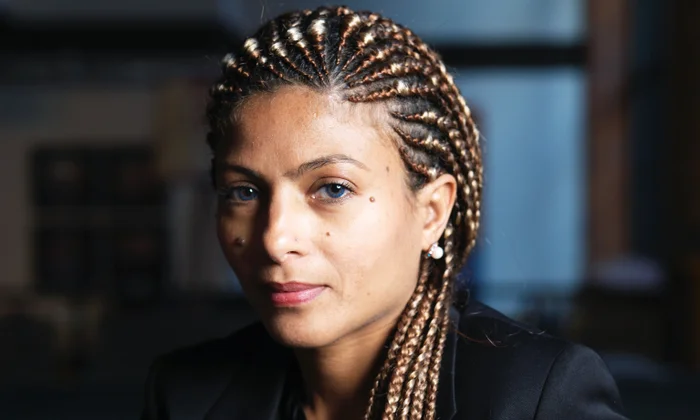
Maryam Aldossari, acting director of the UK-based human rights organisation ALQST, strongly criticised the reported ruling. She described the punishment as an act of violence and argued that the Kenyan mother should have been allowed to return to her home country rather than face corporal punishment.
Aldossari also questioned the apparent contradiction between Saudi Arabia’s efforts to promote women’s empowerment internationally and the reported treatment of a vulnerable migrant mother. She argued that the case raised serious questions about the practical impact of the reforms being promoted by Crown Prince Mohammed bin Salman.
Saudi Arabia has introduced several legal and social changes in recent years as part of its broader modernisation programme. These reforms have included changes to aspects of the judicial system, women’s participation in public life and the country’s international image. Nevertheless, rights organisations continue to raise concerns about the application of certain laws and the protection available to women.
One particularly important issue involves Saudi Arabia’s announcement in April 2020 that flogging would be abolished as a judicial punishment. The decision was widely viewed as a significant step towards reforming the kingdom’s criminal justice system.
However, the reform did not completely eliminate flogging from the country’s legal framework. According to a report published by ALQST in 2021, the changes applied to ta’zir offences, in which judges have discretion over the punishment imposed. Flogging remained a possible penalty for certain hudud offences, which involve fixed punishments under the kingdom’s interpretation of Islamic law.
The distinction has become central to the criticism surrounding Muthoni’s reported sentence. Rights advocates argue that although the government announced an end to judicial flogging in 2020, exceptions and differences in the legal classification of offences have left room for such punishments to remain possible in certain cases.
The case has also drawn attention to the responsibilities of Kenya’s government towards its citizens working overseas. Sivolobova said she had experienced difficulties obtaining assistance from Kenyan authorities when trying to support women facing similar circumstances in Saudi Arabia.
Her concerns suggest that diplomatic and consular assistance may be particularly important for migrant women who encounter legal problems in foreign countries. Access to legal representation, protection from exploitation and assistance with travel documentation can make a significant difference to individuals facing difficult situations.
For Kenya, the reported punishment presents a sensitive diplomatic and human rights issue. Thousands of Kenyan nationals travel abroad for employment, including domestic work in Gulf countries. Protecting their rights and ensuring access to assistance when problems arise remain important responsibilities for the authorities.
The case has also attracted attention because of the planned visit to Saudi Arabia by Reem Alsalem, the United Nations special rapporteur on violence against women and girls. Her proposed visit was postponed last week, with the United Nations indicating that it would need to be rescheduled in light of regional circumstances.
Alsalem said she had intended to raise specific cases during the visit. She also indicated that if the visit did not take place soon, she would pursue the concerns separately through established United Nations procedures available to independent mandate holders.
Her intervention could provide another international avenue for raising questions about the reported treatment of women and the broader legal challenges facing migrant mothers in Saudi Arabia.
The Saudi government was approached for comment regarding Muthoni’s reported sentence. However, no official response was included in the available information.
For now, the Kenyan mother’s situation has become a significant example of the difficulties faced by vulnerable migrant women navigating unfamiliar legal systems far from their families. Beyond the reported sentence itself, the case raises questions about access to healthcare, protection from exploitation, consular assistance and the treatment of children born to unmarried migrant mothers.

As international scrutiny grows, human rights organisations are calling for greater protection for women facing similar circumstances and stronger safeguards for migrant workers. They argue that vulnerable mothers should have access to healthcare, legal assistance and a safe opportunity to return to their home countries without facing violence or unnecessary hardship.
Muthoni’s reported case has therefore become more than an individual legal dispute. It has renewed international debate over women’s rights, migrant worker protection and the gap between announced legal reforms and their practical implementation in Saudi Arabia.
Related News:
 Navi Pillay Wins Nobel Peace Prize for Justice
 Senegal LGBTQ+ Crackdown Drives People Into Hiding
 Police Suspect Help in Missing Alice Springs Girl Case
 Ebola outbreak in DRC overwhelms health system as cases surge
 Victim says non-custodial rape sentence ‘rock in my face’
 Texas Transfers Raise Fears for Migrant Children
 South Africa’s Femicide Crisis Deepens
 Clancy Defense Seeks Inquiry Into Lone Juror
 King Refers Jamaica Slavery Petition to Privy Council
 Paris child pickpocketing gang leader jailed for eight years
 Tennessee Set to Execute Woman After Clemency Denied
 Fayed Survivors Demand Inquiry Into Medical Regulator
 Almost Half of Fayed Accusers May Be Trafficking Victims
 Latin America women fear rollback of rights
 Police accused of failing abuse victims
 Christa Pike Wakes After Failed Tennessee Execution
 South Sudan Trauma Wards Struggle as Fighting Intensifies
 South Africa Withdraws Directive on Asylum Applications
 US Execution Livestream Plan Sparks Global Outrage
 Three Convicted in Mexico Surfing Trip Murders
 UK Bill Faces Warning Over Fayed Trafficking Victims
 Barrister Criticises Trial After Suicide Case Verdict
 Immigration Judges Fear Pressure in Trump Era
 New Footage Revives Peter Falconio Mystery
 Westminster Council Threatens Charing Cross Soup Kitchen
 BBC Warned About Missing Clothes of Murder Victim
 Cambridge Professor Jason Arday Found Dead at Home
 Survivor Sues Musk’s xAI Over AI Abuse Images
 UN expert urges UK to rethink Israel policy
 Councils spend £125m on illegal children’s care
 Abusive ex used Tesla to control and harass former partner
 Patriot Platform Raises Concern Across Britain
 Israel Accused of Undermining Palestinian Life
 Mahmood Warns Far Right Over Asylum Protests
 Harrods Faces Dispute Over Fayed Abuse Compensation
 Patrick Clancy speaks publicly about children’s deaths
 Briton Faces Cyprus Court Over Son’s Fatal Fall
 Democrat Says ICE Restricted Detention Camp Oversight
 Japan PM Backs International Criminal Court
 Yemen fighting forces children out of school and into work
 Cornell Fraternity Assault Investigation Reopened
 London Facial Recognition Trial Ends With False Alert
 Pelicot Trial Play Comes to London for One Night
 French Student Protests Escalate Into Violent Clashes
 Israel-bound Plane Lands in Saudi Arabia After Cockpit Fight
 Drumcree Talks End Without Agreement Ahead of Appeal
 French School Protests Escalate as 400 Schools Close
 New Prosecutor Takes Over Cornell Assault Case
 Gosport Protesters Clash With Police Over Migrant Rescue
 Tigray rebels accused of recruiting boys as war returns
 Christa Pike Awake After Failed Tennessee Execution
 Botstein Quits Bard Amid Epstein Investigation Calls
 EU Divisions Deepen Over Israel Policy
 UAE Says Co-Pilot Planned Suicide Attack on Israel
 Controversial Vaccine Trial Approved in Guinea-Bissau
 British Military School Abuse Victims Denied Justice
 Elizabeth Struhs Inquest Examines Child Safety Failures
 England and Wales Begin Second Wave of Early Prison Releases
 Iranian Woman Faces Death Sentence Over Social Media Post
 Camera Discovery Triggers Navy Ship Investigation
 French Police Face Scrutiny Over Injured Teenagers
 Saudi Arabia Faces Outcry Over Execution of Former Minor
 Mexican Court Sentences Three Men to 158 Years Each
 Macron Condemns Violence as France Faces 2,400 Arrests
 Helen Haines Loses Leg in Alleged Targeted Attack
 Zelenskyy Says US Failed to Warn Kyiv of Russian Strikes
 French Fast-Track Courts Face Backlash Over Riot Cases
 Former RAAF Pilot Accused of Murdering Wife
 Serbia’s Student Victory Sparks a ‘Smell of Freedom’
 Amnesty Alleges Cambodian Officers Guarded Scam Compounds
 Erin Patterson Faces Life in Prison After Appeal Loss
 King Charles Faces Reparations Protests at Antigua Summit
 Russell Brand Trial Enters Crucial Week of Evidence
 Domestic Abuse Survivor Fears Attacker Without Tag
 Alan Jones Trial Paused for Melbourne Cup Viewing
 CPS Prosecutor Cites Fictitious Case in High Court
 Henry Nowak Family Rejects Political Use of His Death
Met Police Chief Urges More Russell Brand Victims to Speak Out
 Early-Release Prisoners Face Rising Risk of Homelessness
 Russell Brand’s Barrister Reports Himself to Legal Watchdog