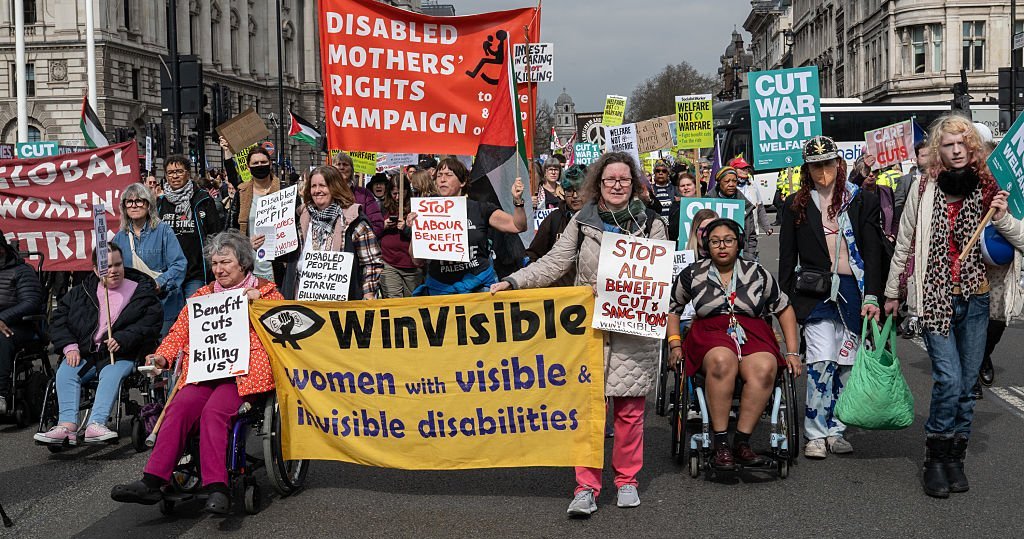
Proposed reductions to disability-related benefits in the United Kingdom could push more young people and vulnerable households into extreme poverty, with millions already struggling to afford essential items such as food, clothing, heating and shelter, according to new research by the Joseph Rowntree Foundation.
The findings have intensified concerns about the potential consequences of changes to the welfare system, particularly as the government considers recommendations from two major reviews examining support for young people and disabled claimants. Poverty charities and disability campaigners warn that reducing financial assistance could deepen hardship among people who already face significant barriers to employment, healthcare and independent living.
The research, conducted by academics at Heriot-Watt University in Edinburgh, estimates that approximately 3.8 million people in the UK experienced destitution last year. The figure includes around one million children, highlighting the scale of financial insecurity affecting families across the country.

Destitution represents an extreme form of poverty in which people cannot afford several basic necessities. Under the definition used in the research, a person is considered destitute if they have been unable to afford at least two of six essential items during the previous month. These include shelter, food, heating, lighting, clothing and footwear, and basic toiletries.
The report paints a troubling picture of households unable to meet even their most fundamental needs. Around one-quarter of people experiencing destitution had no income at all. A further 58% reported having less than £90 a week in net income after paying rent, leaving little money for food, transport, clothing, household bills and other essential expenses.
Many people affected by extreme hardship are increasingly dependent on emergency assistance, including food banks and other crisis support services. Researchers warned that destitution is becoming a persistent experience rather than a temporary financial emergency, with individuals repeatedly turning to charities and support organisations simply to survive.
The findings are particularly concerning for disabled people and those living with long-term health conditions. Approximately 61% of people experiencing destitution reported having a disability or long-term illness, demonstrating the close relationship between poor health and financial insecurity.
The report also found that 37% of destitute people with life-limiting conditions were not receiving disability benefits. This suggests that a significant proportion of people facing serious health challenges are already outside the financial support system intended to help cover the additional costs associated with disability.
The research was completed before the publication of the recent Milburn review, which proposed removing certain disability-related benefits for people under the age of 25. Nevertheless, its findings raise questions about the potential impact of such recommendations on young people who are already experiencing financial difficulties.
The review, led by Alan Milburn, examined the challenges facing young people who are not in education, employment or training and considered ways to improve their participation in work. Its recommendations have included changes to disability-related support for younger claimants, prompting criticism from organisations concerned about the financial security of people with health conditions.
Disability campaigners and poverty charities have warned that removing benefits from under-25s could make it harder for young people to manage their health, maintain stable living conditions and enter employment. They argue that financial insecurity can increase stress, worsen existing health problems and reduce the ability of individuals to access the support needed to become economically independent.
The government is expected to publish a white paper in the new year setting out its response to the Milburn review and the findings of another assessment led by Stephen Timms. The Timms review is examining personal independence payment, commonly known as PIP, which provides financial support to people who face additional costs because of disability or long-term health conditions.
The two reviews are expected to influence the government’s approach to future welfare reforms. Their recommendations have attracted considerable attention because disability benefits play an important role in helping people manage the extra expenses associated with daily activities, mobility, personal care and other aspects of independent living.
The Heriot-Watt University research emphasised that PIP has historically played a critical role in helping disabled people escape extreme financial hardship. Researchers argued that any future changes should ensure that assistance reaches those with the greatest need, without unnecessary delays or restrictions.
The report warned that the consequences of reducing support could be particularly serious for disabled people whose incomes are already so low that they face a risk of destitution. It called for future reforms to take account of the circumstances of people with significant health conditions rather than relying on broad changes that could leave vulnerable groups without adequate financial protection.
Concerns have also been raised about changes to the health-related element of Universal Credit. The research noted that halving health payments for new claimants from April was likely to significantly reduce the incomes of some households already at risk of extreme poverty. The Milburn review subsequently recommended removing this benefit for all claimants under the age of 25.
Campaigners fear that combining reductions in health-related payments with restrictions on disability benefits could create additional financial pressure for younger people with long-term conditions. They argue that welfare support should help people maintain a reasonable standard of living while addressing the barriers that prevent some individuals from working.
Professor Suzanne Fitzpatrick of Heriot-Watt University, a co-author of the research, said the growing persistence of destitution was particularly disturbing. She warned that people were repeatedly having to seek emergency assistance simply to meet their most basic needs.
Fitzpatrick argued that the figures no longer represented a temporary increase in hardship. Millions of people remained unable to afford the necessities required for everyday life, raising serious questions about the effectiveness of the country’s existing social safety net.
The geographical distribution of destitution also highlights significant inequalities across the UK. Greater London recorded the highest rate of extreme hardship, with approximately two in every 100 households experiencing destitution. Among local authority areas, Newham, Westminster, Manchester, Tower Hamlets and Hounslow were identified as particularly affected.
The research found that certain groups faced a disproportionately high risk of extreme poverty. Single working-age adults, disabled people, people from ethnic minority communities and migrants were among those most likely to experience destitution.
These findings suggest that financial hardship is not evenly distributed across society. People who face barriers in the labour market, have additional health-related expenses or lack access to stable financial support may be particularly vulnerable when household budgets come under pressure.
Julian Hartley, group chief executive of the Joseph Rowntree Foundation, warned that without effective action, destitution could become an accepted feature of life for millions of people. He stressed that behind the statistics were individuals and families unable to obtain food, shelter, clothing and basic toiletries.
The government has defended its wider approach to tackling poverty, arguing that household incomes have improved and that several measures are beginning to ease financial pressure on families.
A government spokesperson said household incomes had increased by 5% in real terms and that food bank usage had fallen. The spokesperson also highlighted the decision to remove the two-child limit, saying the policy change would lift 450,000 children out of poverty by the end of the current parliamentary term.
The government said it would consider the findings of the Milburn and Timms reviews together before setting out the next steps in its welfare reforms. It maintained that a strong safety net would remain in place for people who needed support.
However, the disagreement over disability benefits reflects a wider debate about the balance between encouraging employment, managing public spending and protecting people who cannot easily support themselves financially. While policymakers are seeking ways to improve employment opportunities and reform the welfare system, charities argue that financial assistance must not be withdrawn from people whose health conditions make work difficult or impossible.

The latest research has added urgency to that debate. With millions already experiencing extreme hardship, decisions about disability payments and health-related benefits could have consequences extending well beyond government budgets. For young people with disabilities, families facing rising living costs and individuals dependent on emergency support, the outcome of the forthcoming reforms could determine whether they receive sufficient assistance to maintain a basic standard of living.
As the government prepares its response to the two reviews, campaigners are urging ministers to prioritise the needs of those most exposed to poverty. They argue that successful welfare reform should help people move towards greater independence without placing their health, dignity or ability to meet essential living costs at risk.
Related News:
 NHS Safety Fears as Nurses Cover Doctor Gaps
 Up to 20 English Maternity Units Face Possible Closure
 Support for NHS Founding Principles Declines Across UK
 UK Review Urges Jobs Revolution for Disabled Youth
 UK Schools Struggle as Classrooms Top 40C
 Disabled Travellers Seek Fairer UK Care Rules
 Headteachers Warn New Ofsted System Is Harming Wellbeing
 Polanski Says Leadership Not Tied to By-election Result
 Milburn Proposes Pre-Apprenticeship Route for Young People
 Older Worker Training Plan Faces Business Backlash
 Essex Volunteer Accuses Reform Councillor of Nazi Remark
 Yvette Cooper Reverses NHS Patient Watchdog Abolition Plan
 MPs Urge UK to Write Off Most British Council Debt
 UK Apologises to Ukrainian Refugees Over Russian GCSE
 UK Employers to Be Forced to Publish Job Salaries
 TUC Chief Urges Major Investment to Tackle UK Youth Jobs Crisis
 Burnham Unveils Major Plan to Tackle Youth Unemployment
 UK School Crossing Patrols Face Uncertain Future
 Celebrities and Charities Demand UK Government Act on Child Poverty
 London’s Childlessness Crisis: Schools Closing as Families Shrink
 Reeves rejects £1bn plea for NHS redundancy payouts
 England’s Special Needs Support Faces Breaking Point
 Student Loan Crisis Sparks Outrage Among Graduates in England
 NHS Maternity Units Cover Up Harmful Childbirth Errors
 NHS Plans to Cut Overseas Workers Labeled Overambitious
 Unions Raise Concerns Over Doctors’ Pay Dispute
 Wes Streeting Accuses Doctors of Torpedoing Pay Deal
 Kezia Dugdale Warns of Possible Reversal of Equal Rights Gains
 Barrister Criticises Trial After Suicide Case Verdict
 NHS Drug Deal Faces Legal Threat Over US Trade Agreement
 Farage and Reform UK Reshape British Politics
 Starmer Leadership Under Pressure After Setbacks
 Labour MP Revives Blocked Assisted Dying Bill in Commons
 British Teens in EU Face Soaring UK University Fees
 London Tube Heat Reaches Dangerous Levels
 Burnham unveils £65m drought aid for farmers
 Ghent Professors Questioned Cofnas Appointment
 RAF Barnham Protests Fuel Tensions in Norfolk Town
 Internal Exclusions Surge in England’s Schools
 Councils spend £125m on illegal children’s care
 Mahmood Warns Far Right Over Asylum Protests
 Lib Dems Prepare for Election Amid Reform Challenge
 Labour Apprenticeship Scheme Faces Slow Start
 GP List Policy Risks Cutting Off Vulnerable Patients
 Labour Urged to Rebuild Progressive Coalition
 Free Speech Emerges as Key UK Election Issue
 UK University Strikes Spread as Financial Pressure Grows
 Burnham Opens Door to Possible UK Return to EU
 Drumcree Talks Falter as Legal Challenge Deepens
 Green Party faces dispute over Zionism motion
 Badenoch Raises Prospect of 2027 UK Election
 French School Protests Escalate as 400 Schools Close
 Experts Warn UK Food Security Is at Risk
 Gosport Protesters Clash With Police Over Migrant Rescue
 Labour Wins Key London By-election as Greens Fall Short
 French Students Protest Poor Conditions in Paris Suburbs
 Greta Thunberg Backs French Students in School Protests
 Millions Face Tougher Medicaid Rules From January
 Jenrick Defends Farage Amid Fresh Reform Racism Claims
 NHS Trusts Reject Palantir’s £330m Patient Data Platform
 UK Plans Higher Training Costs for Older Apprentices
 UK Pledges Stronger Protections for Disabled Air Passengers
 Middleton Revitalisation Blueprint for UK Towns
 UK-EU Youth Mobility Scheme Delayed Over Fee Row
 UK Land Registry Plan Faces Opposition From Landowners
 King Charles Faces Reparations Protests at Antigua Summit
 NHS Rolls Out Child Illness Warning System Across England
 Australia Reviews UK Visa Rules Amid Worker Influx
 Early-Release Prisoners Face Rising Risk of Homelessness
 EU Citizens Sue Home Office Over UK Residency Rights
 Burnham’s Christmas Homelessness Pledge Faces Uncertainty
 Afghan Women Denied Care as Male Doctors Face Ban
 Ilse Aigner Set to Make German History as First Female President
 Helen Haines Leaves Hospital After Double Amputation
 Hackney Mayor Accuses Home Office of Free Speech Assault
 UK Blood Services Urge 150,000 Donations Ahead of Winter
 Burnham Weighs Tax Cuts to Boost Youth Employment
 London Car Use Set to Rise 10% Over Next Decade
 UK School Trust Pays Compensation Over Palestine Badges
 India Blocks Cockroach Movement Leader From UK Flight