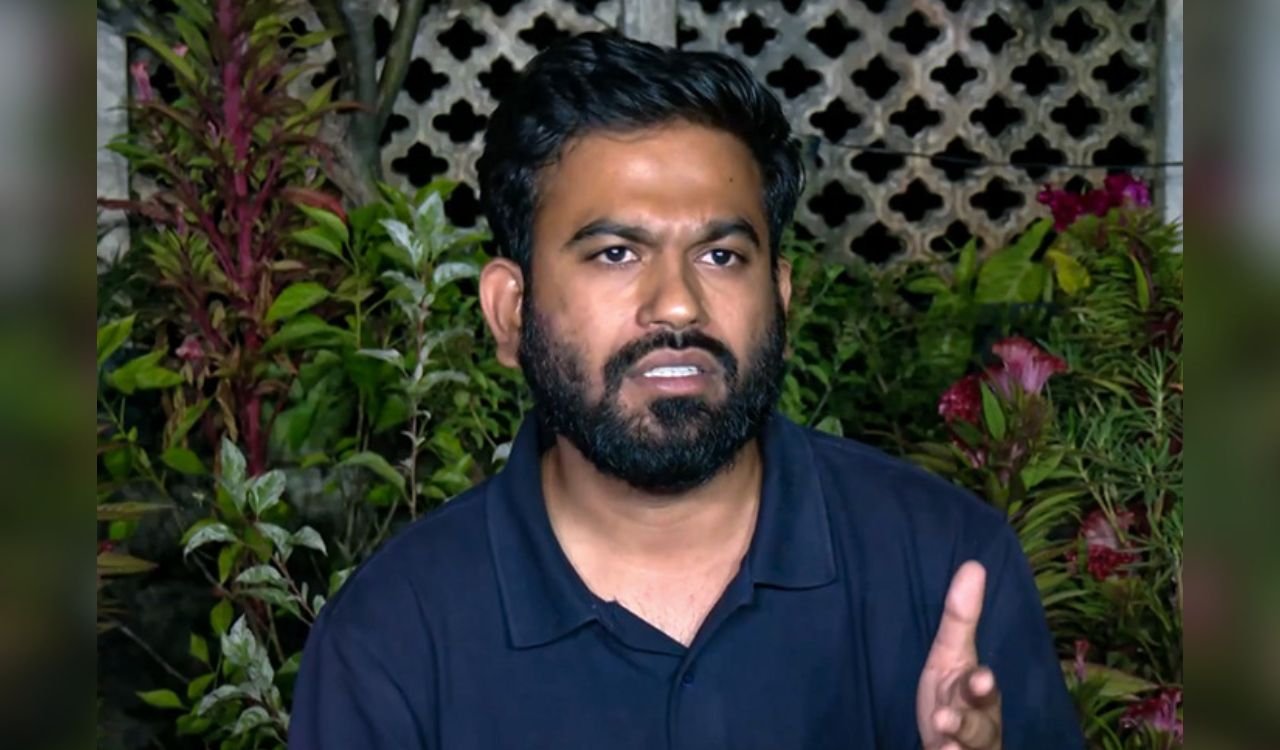
A prominent leader of India’s youth-led Cockroach movement has accused the government of restricting his freedom of movement after he was prevented from boarding a flight to the United Kingdom, where he was scheduled to speak at several prestigious universities about the growing protest movement. Saurav Das, a 27-year-old activist associated with the Cockroach Janta Party (CJP), said immigration officials stopped him at Delhi airport on Tuesday morning after informing him that his passport had been flagged.
The incident has triggered fresh debate over freedom of expression, political dissent and the treatment of young activists in India. Das was expected to travel to Britain to participate in discussions at leading academic institutions, including the University of Oxford, the University of Cambridge, the London School of Economics and the University of Edinburgh. His planned appearance at the Oxford Union was scheduled for 1 December.

Das publicly criticised the authorities, describing the government’s decision as an attempt to prevent him from presenting the movement’s views to an international audience. In a social media statement posted late on Monday, he accused the administration of being afraid of criticism and unwilling to allow independent voices to reach influential academic platforms.
He said the government had prevented him from boarding his flight to London despite invitations from prestigious universities. He also expressed appreciation for Indian students who had worked to organise the events, arguing that their efforts had been undermined by what he described as an anti-intellectual approach to political criticism.
According to Das, the university engagements were intended to explain the origins, objectives and public support behind the Cockroach movement, which has attracted millions of followers across social media platforms since its launch in May 2026. The movement has increasingly become a visible expression of frustration among sections of India’s younger population over political accountability, educational opportunities, public institutions and the functioning of democratic processes.
The Cockroach Janta Party, despite its unusual name, has developed into a significant online political platform. Its rapid growth has demonstrated how digitally organised youth movements can attract public attention and challenge established political narratives. Through social media campaigns, public demonstrations and political criticism, the group has sought to connect young people concerned about governance and institutional accountability.
Das has emerged as one of the movement’s most recognisable figures. His growing influence has also brought him into direct confrontation with the authorities, particularly over protests challenging government decisions and demanding greater accountability from public officials.
The latest airport incident comes approximately one month after Das was detained during a security crackdown in Delhi. He had allegedly defied restrictions imposed around a designated protest area during demonstrations demanding the resignation of India’s chief election commissioner, Gyanesh Kumar. The protests reflected wider dissatisfaction among demonstrators over the functioning and independence of electoral institutions.
The restrictions on Das’s travel have therefore attracted attention beyond the immediate question of whether he will be able to attend his university engagements. For supporters of the movement, the incident raises concerns about whether political activists can freely travel internationally to discuss domestic political developments and participate in academic exchanges.
The Cockroach movement first gained substantial national attention following protests in July over alleged irregularities in examinations. Students and activists raised concerns about the integrity of the examination system, arguing that irregularities had damaged the prospects of young people who depended on competitive examinations for education and employment opportunities.
The demonstrations eventually placed considerable pressure on the government. The controversy resulted in the resignation of India’s education minister, Dharmendra Pradhan, marking an unusual political setback for Prime Minister Narendra Modi’s administration. The minister’s departure was widely viewed as an indication of the political impact that sustained student-led protests could have on the government.
The movement’s growing popularity has also highlighted broader concerns among young Indians about employment opportunities, educational fairness, institutional transparency and the ability of public authorities to respond to criticism. For many young people, examination-related controversies are not simply administrative problems but matters directly affecting their future careers, financial stability and confidence in public institutions.
The latest dispute has unfolded against a wider debate over democratic freedoms in India. Critics of the Modi government have repeatedly expressed concerns about restrictions on civil society organisations, journalists, opposition politicians and individuals who publicly challenge government policies. Human rights advocates have also argued that press freedom and freedom of expression have faced increasing pressure since Modi became prime minister in 2014.
The government and its supporters have frequently defended security-related restrictions as necessary measures to maintain public order and protect national interests. However, critics argue that such justifications can sometimes be used too broadly, potentially limiting legitimate political opposition and peaceful public debate.
Concerns over international academic engagement have also emerged in recent weeks. Earlier in November, India reportedly barred more than 100 foreign speakers from attending a democracy summit organised by the opposition Congress party. Among those denied visas was a Norwegian journalist who had previously questioned Prime Minister Modi about press freedom.
The incident generated further discussion about the country’s approach to international criticism and the participation of foreign observers in political and academic events. The exclusion of journalists and speakers from international gatherings can affect opportunities for independent discussion about democratic institutions, political accountability and civil liberties.
India has also faced criticism over previous cases involving restrictions on individuals attempting to travel abroad. In 2022, authorities prevented Sanna Irshad Mattoo, an award-winning photojournalist from Indian-administered Kashmir, from travelling to the United States to collect her Pulitzer Prize. The decision attracted international attention because it involved a journalist who had received one of the world’s most prestigious awards for her work.
Although the circumstances surrounding Mattoo’s case differ from those involving Das, both incidents have contributed to wider questions about the ability of Indian citizens to travel internationally when their work or public activities involve politically sensitive subjects.
For Das, the immediate consequence is uncertainty over whether he will be able to attend the events organised by Indian students and university societies in Britain. His planned appearance at the Oxford Union was expected to provide an opportunity to discuss the movement with students, academics and other interested audiences.
International university platforms frequently provide space for political debate, public lectures and discussions involving activists from different countries. Such engagements can help students understand political developments through the experiences of individuals directly involved in public movements. They also offer activists an opportunity to present their perspectives beyond their domestic political environment.
The Cockroach movement’s growing international visibility could therefore make Das’s planned visit particularly significant. Its supporters may view the cancellation of his journey as an obstacle to legitimate academic discussion, while critics of the movement may argue that the authorities have the right to investigate travel restrictions where legal or security concerns exist.
However, the available information does not establish why immigration officials flagged Das’s passport or identify the specific legal grounds for preventing him from boarding the flight. An official explanation from the authorities would be necessary to establish whether the restriction was connected to an existing legal order, an administrative decision or another security-related measure.
The absence of a clear explanation has left important questions unanswered. It remains uncertain whether Das will be permitted to travel at a later date, whether his university engagements will be rescheduled and whether the authorities will publicly clarify the reasons behind the decision.
The episode comes at a time when youth-led political movements are increasingly using digital platforms to organise demonstrations, communicate grievances and demand institutional accountability. In India, where millions of young people face intense competition for education and employment, issues involving examination integrity and government transparency can quickly develop into major political controversies.

Ultimately, the dispute surrounding Das’s journey to Britain has become another focal point in India’s broader debate over democratic freedoms and political dissent. While the immediate issue concerns one activist’s international travel plans, its implications extend to the relationship between the government, civil society, universities and young citizens seeking greater accountability.
As the planned December events approach, attention will remain focused on whether Das can travel to the United Kingdom and address the audiences that invited him. His case has already raised difficult questions about the space available for political criticism in the world’s largest democracy and whether international academic discussion can take place without unnecessary restrictions on those expressing dissenting views.
Related News:
 India’s Youth Movement Alleges Mass Detentions Before Protest
 Delhi Braces for Youth Protests Over Voter Roll Dispute
 PTI Announces Swabi Rally Ahead of Long March Plans
 Malaysia to Deport Thousands to Genocide-Hit Myanmar
 Five Years of Taliban Rule Leave Afghanistan in Crisis
 Nepal Flood Survivors Face Unimaginable Loss
 Nepal Tunnel Rescue Offers Hope Amid Flood Devastation
 Nepal PM calls deadly flood a global climate warning
 Gaza War Deepens India’s Strategic Ties With Israel
 Delhi Detains Protest Leaders as Youth Rally Escalates
 French Students Protest Poor Conditions in Paris Suburbs
 Greta Thunberg Backs French Students in School Protests
 India’s Voter Roll Crisis Sparks Nationwide Protests
 Gadi Eisenkot: Israel’s Anti-Netanyahu Challenger
 Suu Kyi Appears in Rare Photos After Royal Gift
 Bedouin Women Drive Historic Arab Election Gains
 Eisenkot Accuses Netanyahu of Racist Anti-Arab Campaign
 Bangladesh Violence Escalates Ahead of Hasina’s Return
 Iraq University Protests Over Ban on Male Professors
 South Korea Orders Island Residents to Take Shelter
 Canadian astronaut French words ease language row
 Israeli Strike in Southern Lebanon Kills Seven
 Is America Ready for an AOC Presidential Run?
 Ghent Professors Questioned Cofnas Appointment
 Nepal-Tibet Flood Death Toll Rises as 2,478 Remain Missing
 Yemen War Displaces 125,000 as Fighting Intensifies
 Lib Dems Prepare for Election Amid Reform Challenge
 Elif Eralp Emerges as Berlin’s Next Political Force
 South Korea-Ukraine Row Erupts Over North Korean POWs
 French Student Protests Escalate Into Violent Clashes
 Drumcree Talks Falter as Legal Challenge Deepens
 UK-France Returns Deal Faces Expiry as Talks Stall
 Green Party faces dispute over Zionism motion
 Pilot Recalls Fight to Save Flydubai Passengers
 French School Protests Escalate as 400 Schools Close
 Germany Pledges €1bn Military Aid to Ukraine
 Latin America women fear rollback of rights
 Sri Lanka Ex-First Lady Arrested Over Donation Probe
 French Student Protests Grow Despite Government Pledge
 Israel Promotes Film Challenging Controversial Gaza Documentary
 Turkey Rules Out Troops in Saudi Arabia’s Houthi Conflict
 Bolsonaro Gains Key Endorsement Ahead of Brazil Runoff
 Delhi Tightens Security Ahead of Election Protest
 Controversial Vaccine Trial Approved in Guinea-Bissau
 UK Gaza Refugee Route Criticised Over False Hope Claims
 UK Greens Face Crisis Over Zionism and Extremism Row
 Delhi Closes Metro Stations Ahead of Election Protest
 Millions Face Tougher Medicaid Rules From January
 Ohio Airports Become Key Hubs for ICE Deportation Flights
 Farage Rejects Claims Reform Would Let Troops Shoot Migrants
 Pakistan School Roof Collapse Kills 27 Students
 French Police Face Scrutiny Over Injured Teenagers
 Zelenskyy Accuses US of Delaying Ukraine Missile Supplies
 Zelenskyy Says US Failed to Warn Kyiv of Russian Strikes
 Japan’s Takaichi Faces a Crucial Second Year in Power
 Fifth Foreign Firm Withdraws From Jerusalem Cable Car Plan
 Netanyahu Faces Defining Election Test as Israel Divides
 Xi Jinping Tightens China’s Anti-Corruption Campaign
 Ukraine Peace Talks Set to Resume in November
 Taylor Faces Backlash Over Response to Haines Attack
 Serbia’s Student Victory Sparks a ‘Smell of Freedom’
 Trump’s Midterm Campaign Faces Racism and Political Backlash
 Spain Mourns 68 Dead After High-Speed Train Crash
 Obama Mocks Trump at Georgia Rally for Democrats
 China Expels Record 33 Officials in Xi Jinping Purge
 Novaya Gazeta to Close After Russian Government Pressure
 Australia Reviews UK Visa Rules Amid Worker Influx
 ANC Faces Voter Backlash in South African Elections
 Exiled Journalists Defy Putin’s Growing Media Crackdown
 France Braces for Nationwide Strike and Mass Protests
 US Pushes for Final Russia-Ukraine Peace Deal
 Knesset Speaker Race Could Decide Netanyahu’s Future
 Ukraine Captures First Indonesian Fighter in Russian Army
 One Nation Candidate Apologises for Offensive Posts
 Afghan Women Denied Care as Male Doctors Face Ban
 Iran Death Row Boxer Wins Prestigious Human Rights Award
 CEU Eyes Budapest Return as Hungary Enters New Era
 Zelenskyy Warns Starshield Curbs Weaken Ukraine Defences
 Trump, Xi and Putin Face Fears of a New Yalta
 Spain Election Could Bring Far Right Back to Government