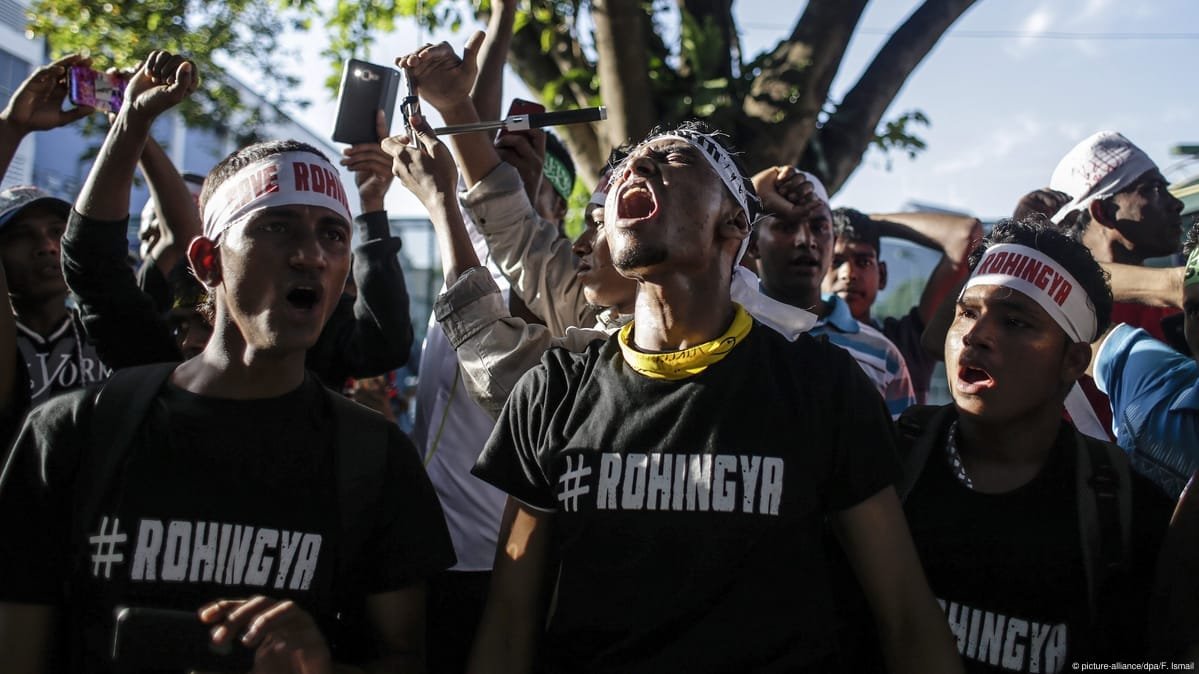
Malaysia has announced plans to send thousands of migrants and refugees back to Myanmar, raising serious humanitarian and human rights concerns over the safety of people returning to a country where military authorities have been accused of committing widespread atrocities. The decision, announced by Prime Minister Anwar Ibrahim, comes at a particularly sensitive moment, just days after the International Court of Justice (ICJ) ruled that Myanmar had committed genocide against its Rohingya Muslim minority.
The announcement has intensified debate over the responsibilities of countries hosting displaced populations and the international community’s obligation to protect people fleeing persecution. Although the Malaysian government has acknowledged that many Myanmar nationals seeking refuge within its borders have suffered serious abuses, it says the country can no longer afford to accommodate such a large refugee population indefinitely.

Speaking in parliament on Tuesday, Anwar defended the government’s decision, arguing that Malaysia had not abandoned its commitment to human rights or the people of Myanmar. He maintained that the planned returns were consistent with the ICJ’s guidance concerning the safe and dignified return of displaced people. However, his announcement has raised questions about whether such conditions can realistically be guaranteed in a country still experiencing widespread political instability, military repression and armed conflict.
Under the announced arrangement, three Malaysian naval vessels are expected to transport approximately 1,500 people back to Myanmar in December. A further 5,303 individuals will be returned by aircraft, with the Myanmar government covering the cost of their transportation. The combined plan involves 6,803 people, although the authorities have not provided a detailed breakdown of their nationalities, backgrounds or protection needs.
One of the most significant concerns is the number of Rohingya refugees who may be included in the deportation programme. The Rohingya, a predominantly Muslim ethnic minority from Myanmar’s Rakhine State, have experienced decades of discrimination, restrictions on citizenship and repeated episodes of violence. According to United Nations figures, they account for approximately two-thirds of the 190,000 Myanmar refugees and asylum seekers living in Malaysia.
Many Rohingya escaped to Malaysia after a brutal military crackdown in Myanmar in 2017. The campaign forced more than 700,000 people to flee across the border into Bangladesh, where they sought protection from violence, persecution and the destruction of their communities. Survivors have described mass killings, sexual violence, the burning of villages and attacks against civilians, including women and children.
The latest announcement is particularly controversial because of the timing of the ICJ judgment. Last week, the United Nations’ highest judicial body ruled that Myanmar had committed genocide against the Rohingya, bringing an end to a seven-year legal battle that attracted considerable international attention.
The ruling represented a historic development in international law. The court’s decision marked the first time the ICJ had found a state responsible for genocide, reinforcing the seriousness of the allegations surrounding Myanmar’s military operations against the minority community. The case also became an important test of the international system’s ability to address allegations of the gravest crimes committed by states.
In its judgment, the court said Myanmar’s authorities must allow and facilitate the safe, voluntary and dignified return of refugees displaced either within the country or abroad. The principle of voluntary return is particularly important because people who have fled persecution should not be forced to return to circumstances where their lives, freedom or personal security could again be threatened.
Anwar referred to the court’s position when defending Malaysia’s policy, saying the country intended to ensure that returns were conducted safely and with dignity. However, critics may question how the Malaysian government can guarantee these conditions when the same authorities and military structures associated with the persecution of the Rohingya remain central to the situation inside Myanmar.
The Malaysian prime minister acknowledged that many asylum seekers in his country had been victims of atrocities carried out by Myanmar’s military regime. Nevertheless, he argued that Malaysia could no longer continue hosting such large numbers of refugees without a sustainable international solution. Efforts to arrange resettlement in third countries had failed to produce the necessary results, leaving Malaysia under increasing pressure to reconsider its approach.
The issue has also become politically sensitive within Malaysia. Public frustration over the presence of large refugee communities has increased in recent years, with some sections of society arguing that providing accommodation, healthcare and other essential services places an excessive financial burden on the country. Concerns about public security and social pressures have also contributed to growing anti-migrant sentiment.
The government has previously described the refugee situation as a long-standing problem requiring a comprehensive solution. In September, Malaysia began returning approximately 1,500 Myanmar nationals as part of a controversial repatriation programme. Authorities characterised the issue as a legacy problem, arguing that the continued presence of foreign asylum seekers had created substantial financial and administrative challenges.
In a statement issued at the time, the Malaysian government said approximately 95 per cent of foreign asylum seekers in the country originated from Myanmar. It argued that the situation had placed significant financial pressure on national resources, contributed to social difficulties and created security concerns for Malaysian citizens.
However, the United Nations had urged Malaysia to halt the September repatriation operation, warning that people should not be sent back to Myanmar given the severity of conditions inside the country. Human rights concerns have centred on the possibility that returnees could face detention, persecution, forced recruitment, violence or other forms of abuse after arriving.
Those concerns have not disappeared. In late October, the Malaysian government said it would seek clarification from Myanmar after reports emerged that hundreds of people recently repatriated from Malaysia were being held in military detention. The reports raised further questions about the treatment of returnees and whether adequate safeguards were in place to protect their rights.
For the Rohingya community, the possibility of forced or unsafe return carries particularly serious implications. Many have spent years rebuilding their lives outside Myanmar after escaping military violence. Some have settled in Malaysia, while others remain in overcrowded refugee camps in Bangladesh, especially in Cox’s Bazar. Returning without reliable security guarantees could expose them to the same conditions that forced them to flee in the first place.
The situation also highlights the limited protection available to refugees in countries that have not established comprehensive national asylum systems. Malaysia is not a party to the 1951 Refugee Convention, and Myanmar refugees often face uncertainty over their legal status, employment opportunities, access to services and long-term prospects. Although many have found ways to support themselves, they remain vulnerable to detention, exploitation and deportation.
The international community now faces renewed pressure to develop practical solutions for Myanmar’s displaced population. The ICJ judgment has strengthened the international legal recognition of the suffering experienced by the Rohingya, but a judicial ruling alone cannot guarantee their physical safety or provide immediate protection to people living outside Myanmar.
For Malaysia, balancing domestic political pressures with international human rights responsibilities will remain a difficult challenge. The government argues that it cannot carry the burden of hosting refugees indefinitely without greater support from other countries. However, the principle of non-refoulement, which prohibits returning individuals to places where they face serious risks of persecution or other grave harm, remains central to international refugee protection.

As the December repatriation programme approaches, the most important questions concern who will be returned, whether participation will genuinely be voluntary, and what independent safeguards will exist after their arrival in Myanmar. Without credible assurances and effective monitoring, the planned operation could expose vulnerable people to further suffering.
The decision therefore represents more than a migration policy dispute between two neighbouring countries. It raises fundamental questions about refugee protection, international justice and the responsibility of governments to prevent people escaping persecution from being returned to danger. For thousands of Myanmar nationals, particularly the Rohingya, the coming weeks could determine whether their uncertain search for safety continues or whether they are forced to confront the very circumstances they risked their lives to escape.
Related News:
 Israeli Strike in Southern Lebanon Kills Seven
 Five Years of Taliban Rule Leave Afghanistan in Crisis
 Latin America women fear rollback of rights
 Israel Promotes Film Challenging Controversial Gaza Documentary
 India’s Youth Movement Alleges Mass Detentions Before Protest
 Delhi Braces for Youth Protests Over Voter Roll Dispute
 PTI Announces Swabi Rally Ahead of Long March Plans
 Zelenskyy Says US Failed to Warn Kyiv of Russian Strikes
 Iran Death Row Boxer Wins Prestigious Human Rights Award
 Bangladesh Violence Escalates Ahead of Hasina’s Return
 Dreyfus Statue Finally Gets Permanent Paris Home
 Ukraine Villagers Demand Answers After Deadly Arms Depot Strike
 Nepal Flood Survivors Face Unimaginable Loss
 Nepal Tunnel Rescue Offers Hope Amid Flood Devastation
 Israel Accused of Undermining Palestinian Life
 Yemen War Displaces 125,000 as Fighting Intensifies
 Gaza Strike Kills Child and Paramedic
 Japan PM Backs International Criminal Court
 King Refers Jamaica Slavery Petition to Privy Council
 Ukraine and Russia Escalate Long-Range Drone War
 Nepal PM calls deadly flood a global climate warning
 Pilot Recalls Fight to Save Flydubai Passengers
 Delhi Freezes Promotion of Police Officer After Allegations
 Sri Lanka Ex-First Lady Arrested Over Donation Probe
 Gaza War Deepens India’s Strategic Ties With Israel
 Pakistan Lawyers Back PTI Long March and Demands
 Delhi Tightens Security Ahead of Election Protest
 Navi Pillay Wins Nobel Peace Prize for Justice
 Delhi Detains Protest Leaders as Youth Rally Escalates
 India’s Voter Roll Crisis Sparks Nationwide Protests
 Gadi Eisenkot: Israel’s Anti-Netanyahu Challenger
 Suu Kyi Appears in Rare Photos After Royal Gift
 Zelenskyy Accuses US of Delaying Ukraine Missile Supplies
 Serbia’s Student Victory Sparks a ‘Smell of Freedom’
 Trump’s Midterm Campaign Faces Racism and Political Backlash
 King Charles Faces Caribbean Slavery Apology Demands
 Amnesty Alleges Cambodian Officers Guarded Scam Compounds
 UAE Nominee Faces Backlash Over Sudan War Role
 Bedouin Women Drive Historic Arab Election Gains
 Ukraine Captures First Indonesian Fighter in Russian Army
 Gaza Floods Leave Thousands Homeless as Tents Await Entry
 Afghan Women Denied Care as Male Doctors Face Ban
 Eisenkot Accuses Netanyahu of Racist Anti-Arab Campaign
 Zelenskyy Warns Starshield Curbs Weaken Ukraine Defences
 Gaza Faces a Toxic Environmental Crisis for Generations
 Indonesia Factory Fire Kills 24, Dozens Missing
 South Korea Orders Island Residents to Take Shelter
 China Fireworks Factory Blast Kills 21 in Hunan
 US ‘Narco Boat’ Strikes Draw Global Outcry
 Immigration Judges Fear Pressure in Trump Era
 New Footage Revives Peter Falconio Mystery
 Ukraine Creates Long-Range Strike Command
 Royal Crown Branded Enslaved Africans in Britain’s Slave Trade

 Lib Dems Prepare for Election Amid Reform Challenge
 Democrat Says ICE Restricted Detention Camp Oversight
 New Maps Reveal Gaza’s Vast Destruction
 Green Party faces dispute over Zionism motion
 French School Protests Escalate as 400 Schools Close
 Iran Nobel Laureate Reveals Prison Torture and Fears
 EU Divisions Deepen Over Israel Policy
 US Execution Livestream Plan Sparks Global Outrage
 French Students Protest Poor Conditions in Paris Suburbs
 Greta Thunberg Backs French Students in School Protests
 Millions Face Tougher Medicaid Rules From January
 Iranian Woman Faces Death Sentence Over Social Media Post
 Pakistan School Roof Collapse Kills 27 Students
 Senegal LGBTQ+ Crackdown Drives People Into Hiding
 UK Bill Faces Warning Over Fayed Trafficking Victims
 Japan’s Takaichi Faces a Crucial Second Year in Power
 Xi Jinping Tightens China’s Anti-Corruption Campaign
 Ukraine Peace Talks Set to Resume in November
 Novaya Gazeta to Close After Russian Government Pressure
 Alan Jones Trial Paused for Melbourne Cup Viewing
 ANC Faces Voter Backlash in South African Elections
 Knesset Speaker Race Could Decide Netanyahu’s Future
 One Nation Candidate Apologises for Offensive Posts
 Teenager Found Alive After Six Days Lost in Australian Bush
 Drone Warfare Fuels a Deadly Civilian Crisis in Sudan
 Helen Haines Leaves Hospital After Double Amputation