Published: 27 November 2026 | The English Chronicle Desk | The English Chronicle Online
UK households could face additional financial pressure as major banks consider passing on the cost of a £1.5bn increase in banking taxes to their customers, according to a warning from Bank of England Governor Andrew Bailey. The warning has raised concerns that the government’s latest tax policy could eventually affect borrowing costs, mortgage rates, savings returns and everyday banking services across the country.
Bailey said financial institutions might attempt to recover the additional tax burden to protect their earnings and maintain targeted rates of return. His comments have intensified debate over the potential consequences of Labour’s decision to temporarily increase the corporation tax surcharge paid by banks.
The measure was introduced by Chancellor John Healey in his first Budget last month as part of the government’s efforts to raise additional revenue and provide financial support to households facing increasing living costs.

Under the new arrangement, the bank corporation tax surcharge will increase from 3% to 6% for a temporary period of 15 months beginning in January. The government expects the measure to generate approximately £1.5bn, which will help fund initiatives intended to provide households with additional financial breathing space.
Although the increase was smaller than some financial institutions had anticipated, concerns remain that banks will seek to offset the additional expense through changes to their commercial policies.
For millions of customers, the consequences could extend beyond the banking industry, particularly as households are already dealing with higher energy bills, rising mortgage costs and uncertainty surrounding the wider UK economy.
Speaking in an interview with The Times, Andrew Bailey said he would not be surprised if banks attempted to pass some or all of the additional tax burden on to customers.
He explained that banks operate within a competitive market and are generally expected to protect their financial performance and achieve particular rates of return.
According to Bailey, whether lenders successfully transfer the additional costs will depend on several factors, including market conditions, competition and the behaviour of other financial institutions.
His comments suggest that although the government will collect additional revenue directly from banks, the economic burden could ultimately be shared with businesses and individual customers.
Banks have several potential ways to respond to higher taxation. They could increase interest rates on certain borrowing products, reduce the competitiveness of savings accounts, introduce higher service charges or adjust lending conditions.
However, the extent to which these measures are adopted will depend on each institution’s financial position and its ability to compete for customers.
Bailey did not suggest that every bank would necessarily pass on the full cost. Instead, he highlighted the commercial incentives that could encourage lenders to protect their profitability.
His warning has nevertheless raised questions about whether the government’s tax policy could produce unintended consequences for households that are already struggling financially.
Chancellor John Healey introduced the temporary increase as part of the government’s first Budget, arguing that additional revenue from the banking sector could help support households during a challenging economic period.
The bank corporation tax surcharge is an additional tax imposed on banking profits. Increasing it from 3% to 6% means financial institutions will face a higher tax burden during the specified 15-month period.
The government expects to raise around £1.5bn through the measure, with the proceeds intended to support initiatives designed to give households greater financial breathing space.
Before the announcement, there had been considerable speculation that the government might restore the surcharge to 8%, the level that applied until 2023.
The decision to settle on 6% was therefore viewed by some within the financial sector as less severe than initially feared.
Nevertheless, banking executives have continued to express concerns about the impact of higher taxation on the UK’s competitiveness as an international financial centre.
The government faces the challenge of balancing its need for additional public revenue against the importance of maintaining a stable and attractive environment for banks, investors and financial businesses.
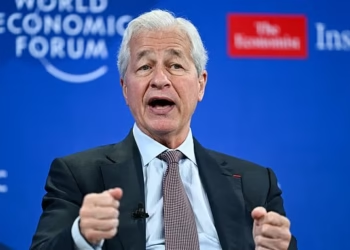
The debate has also attracted criticism from Jamie Dimon, chief executive of American banking giant JP Morgan.
Dimon has indicated that his institution intends to find ways to offset the financial impact of the higher UK bank tax.
Speaking at an event in London the previous week, he described the increase as an unfair penalty and said he intended to recover the additional cost.
His remarks reflected wider concerns within the banking industry that higher taxes could affect profitability and investment decisions.
Dimon also suggested that he wanted governments to understand the economic trade-offs associated with imposing additional financial penalties on major banking institutions.
JP Morgan is among the world’s largest financial institutions, and its position in the UK market means its response could attract considerable attention from competitors and policymakers.
Although individual banks have different business models and financial structures, the possibility of adjusting customer pricing to compensate for additional taxation is likely to remain an important consideration across the industry.
The wider concern is that banks could respond to the tax increase in ways that affect consumers without necessarily announcing a direct banking tax charge.
The warning comes at a particularly difficult time for British households, with several major expenses placing pressure on family budgets.
Energy costs are among the most immediate concerns. According to the information reported alongside the Bank of England governor’s comments, Great Britain’s energy regulator expects gas and electricity costs to increase by 26% in January, taking average annual household bills above £2,000.
For families already struggling with rent, food prices, transport costs and other essential expenses, another increase in household expenditure could create significant financial difficulties.
Mortgage borrowers are also facing uncertainty as higher borrowing costs affect the housing market.
Recent housing market figures indicated that UK house prices experienced their sharpest decline in more than three years during October. Potential buyers have increasingly struggled to afford properties as mortgage rates have risen and household purchasing power has weakened.
The combination of higher energy bills, expensive mortgages and possible increases in banking charges could leave consumers with less disposable income.
If banks decide to increase lending costs or reduce savings returns to protect their profitability, the financial consequences could become particularly noticeable for households with mortgages, personal loans and limited savings.
One of the biggest questions surrounding the tax increase is how banks will distribute the additional costs across their products and services.
Mortgage customers could potentially face higher borrowing costs if lenders adjust their pricing structures. However, mortgage rates are influenced by several factors, including the Bank of England’s base rate, wholesale funding costs, competition and expectations about inflation.
Consequently, it would be premature to assume that the additional bank surcharge will automatically produce higher mortgage rates.
Savings customers could also be affected if banks decide to reduce the interest rates offered on certain deposit accounts.
Similarly, business customers may face changes to lending conditions or banking charges if financial institutions seek to protect their margins.
Smaller businesses could be particularly sensitive to changes in commercial lending costs because many depend on bank financing to manage cash flow, purchase equipment and expand operations.
Nevertheless, competition between banks could limit their ability to transfer the full tax burden to customers. Financial institutions that increase charges too aggressively risk losing customers to competitors offering more attractive products.
This is the market pressure that Bailey highlighted when discussing the uncertainty surrounding the banks’ potential response.
The controversy places the Labour government in a difficult position as it attempts to demonstrate that the banking sector is making a greater contribution to public finances while protecting ordinary consumers.
Supporters of the surcharge increase may argue that major banks should contribute additional revenue through taxation, particularly when the government needs resources to support public services and households.
However, critics warn that higher taxes on financial institutions can have consequences beyond the companies directly affected.
If banks respond by increasing borrowing costs or reducing savings returns, the policy could indirectly place additional pressure on the same households the government intends to support.
The issue also raises questions about the UK’s attractiveness as a destination for international banking investment.
Major financial institutions make decisions about investment, employment and the location of business operations by considering taxation, regulation, market access and profitability.
A temporary tax increase may not necessarily change those decisions, but continued uncertainty about the long-term tax environment could influence the industry’s investment plans.
The government will therefore need to monitor how banks respond after the surcharge increase takes effect in January.
Andrew Bailey’s warning does not mean that banks have already decided to increase charges or borrowing rates. Rather, it highlights the possibility that financial institutions will seek to protect their earnings when faced with additional taxation.
The actual consequences will depend on competition, economic conditions and individual banking decisions.
For consumers, the most important issue will be whether the government’s effort to raise £1.5bn ultimately results in higher costs for everyday financial services.

With energy bills expected to rise, mortgage affordability under pressure and house prices weakening, British households have little room for further increases in essential expenditure.
The coming months will therefore be important in determining whether the banking sector absorbs the additional tax burden or transfers a significant proportion of it to customers.
The government may achieve its immediate revenue objective, but the wider economic impact will depend on how financial institutions respond and whether competition protects consumers from higher costs.
For now, Bailey’s warning has placed an important question at the centre of Britain’s economic debate: can the government make banks pay more without ordinary customers eventually paying part of the bill?
Related News:
 UK House Prices Fall as Mortgage Rates Rise
 Oil nears $100 as Saudi attacks shake markets
 Thames Water Revises Oxfordshire Mega-Reservoir Plan
 UK Retail Sales Rebound as Consumers Spend More
 UK Borrowing Hits £18.3bn Ahead of Budget
 Thinktank Calls for Abolition of UK State Pension
 MPs Defend UK Economic Watchdog Against Critics
 UK Trade Losses Grow Without EU Product Deal
 Should Savers Lock Into 5.25% Fixed Rates?
 UK Diesel Prices Hit Record High Amid Iran Conflict
 Poundland Rescue Bid Could Protect 11,000 Jobs
 UK house price growth slows as mortgage rates rise
 UK borrowing costs surge as global bond sell-off deepens
 UK Assures Public Over Diesel Supply
 UK Diesel Reaches £2 as Inflation Surges Across Europe
 Minister Rejects Fears of UK Diesel Shortage
 Informa Agrees £2.24bn Deal to Buy Clarion
 Google Maps Brings Live Fuel Prices to UK Drivers
 IFS Warns UK Budget Faces £35bn Spending Gap
 UK Van Drivers Face £2.5bn Diesel Cost Surge
 IMF Warns Global Economy Is Nearing Its Limits
IMF Raises UK Growth Forecast Ahead of Healey’s Budget
 Healey Plans £1bn Online Marketplace Tax Crackdown
 Business Chief Urges Burnham to Fix Brexit Damage
 UK Unemployment Falls to 4.7% as Vacancies Decline
UK Borrowing Hits £24.5bn Ahead of Healey’s Budget
 Healey Set to Scrap Planned Cut to Cash ISA Allowance
 BP Profits Surge as Middle East Conflict Lifts Margins
 UK House Price Growth Slows to Two-Year Low
 London Luxury Homes Face Deeper Price Declines
 UK Mortgage Holders Face Fresh Payment Shock
 UK House Prices Suffer Sharpest Fall in Three Years
 UK Inflation Climbs to 3.6% as Fuel Prices Surge
 UK Borrowing Beats Forecast in Boost for Healey
 UK Retail Sales Surge as Families Stockpile Emergency Supplies
 Capita CEO Quits as Shares Plunge 67% Over Pension Crisis
 M&G Chief Warns Over London Stock Market Exodus
 Europe Faces Winter Gas Supply Anxiety
 UK Cost Squeeze Deepens as Mortgages and Gas Rise
 Billionaire Chris Rokos poised to leave UK
 JPMorgan Boss Warns Against UK Bank Tax Rise
 John Lewis Losses Widen to £124m as Confidence Falls
 UK Pay Growth Slows to 3.9% as Rate Decision Nears
 Bank Urged to Slow Bond Sales as UK Costs Rise
 UK Productivity Improves as Bank Weighs Interest Rates
 UK Rent Gap Puts Low-Income Families Under Pressure
 Calls Grow to Expand UK National Wealth Fund
 Chinese Hybrid Car Surge Raises EU Auto Industry Concerns
 AO Acquires Jessops in Camera Retail Expansion
 Saudi intercepts Houthi missiles as oil fears grow
 Healey urged to act as UK energy bills rise 4%
 French Debt Fears Put Euro Markets Under Pressure
 North Sea Strike Threatens UK Fuel Supplies
 UK Weighs Chinese Car Tariffs Amid EU Trade Push
 BT Agrees £400m TalkTalk Rescue Deal
 UK house prices stall as mortgage costs rise
 IMF Warns Governments Over Rising Debt Burdens
 Tesco Raises Profit Forecast as Consumer Confidence Holds
 Ministers Push ATO to Reconsider Credit Card Ban
 Oil Shock Sends Markets Lower as Middle East Risks Grow
 Hall and Woodford Win Nobel Economics Prize
 UK Could Rejoin EU Through a Switzerland Plus Deal
 UK Inflation Hits 3.5% as Middle East War Drives Fuel Costs
 Tax Online Sales to Save High Street, Burnham Urged
 UK Consumer Confidence Plunges at Fastest Rate Since Brexit Vote
 Labour MPs Urge Burnham to Lead UK Reindustrialisation
 China’s AI Ambitions Hit $2.4 Trillion Market Setback
 UK Chancellor Moves to Scrap Gas Standing Charges
 Fed Expected to Hold Rates Steady Ahead of US Midterms
 Avanti West Coast Faces £70m Refund Bill
 Australia Faces Deeper Economic Slowdown
 Ryanair Weighs Pay Freezes as Fuel Costs Surge
 Australia Raises Interest Rates to 18-Year High
 Poundland Remains Vulnerable as Rescue Talks Continue
 Australian Mortgage Confidence Hits 32-Year Low
 UK Youth Face Jobs Crisis as Economy Loses Momentum
 Australian Property Investor Lending Suffers Record Fall
 UK Unemployment Falls to 4.6% Amid Youth Jobs Crisis
 Bank of England Faces £160m Renovation Challenge
 EDF Expands UK Market With 1.3m Utilita Accounts