Published: 07 July 2026. The English Chronicle Desk. The English Chronicle Online.
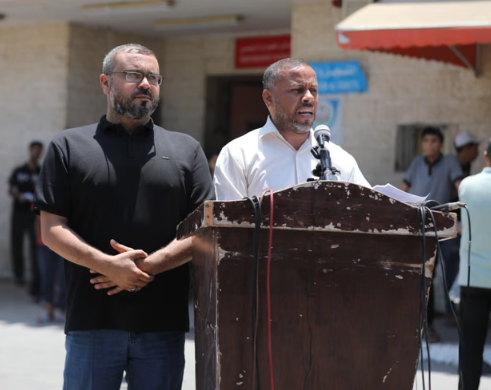
Hamas has officially signaled a major shift in its long-standing governance of the Gaza Strip. The group announced its intention to relinquish administrative authority after two decades of ruling the coastal territory. This unexpected declaration invites a US-backed interim administration to take charge of the besieged region immediately. It remains unclear how this announcement will impact the current, fragile ceasefire now in effect. The region continues to face a dire humanitarian crisis that has gripped its population for months.
While offering to transfer civil security, Hamas has notably stopped short of promising to disarm itself entirely. Israel and the United States have consistently demanded full disarmament as a prerequisite for any lasting peace. The designated governing body, the National Committee for the Administration of Gaza, is ready to assume its duties. However, the Israeli government has blocked this committee from entering the territory since its formation in January. This significant obstacle casts serious doubt on the practical timing of any potential handover of regional power.
Analysts suggest that this announcement is largely a symbolic move intended to revive a stalled peace process. Diplomatic efforts have been frozen for months, effectively blocking essential reconstruction and aid for the territory’s population. Currently, over two million people in Gaza remain in desperate need of food, water, and medical supplies. Observers believe the move also serves to counter specific, controversial proposals supported by the current United States administration. These proposals aim to restrict relief efforts to a tiny proportion of the population within isolated, militarized enclaves.
The Trump administration has actively promoted a plan to relocate Palestinian residents into specially constructed, high-security zones. Some officials describe these areas as humanitarian cities, while critics label them as nothing more than modern-day concentration camps. Mohammed al-Farra, the current head of the Hamas administration in Gaza, announced his formal resignation earlier this morning. He stated that Hamas would cease its political direction of the strip to facilitate a peaceful, orderly transition. The official confirmed that existing civil servants and public workers will continue their vital roles during this period.
In his resignation letter, al-Farra detailed his efforts to prepare the governmental system for a full and smooth transfer of power. He formally stepped down from his positions as chairman of the governmental work follow-up committee and the emergency committee. Hamas spokesperson Hazem Qassem emphasized that the group is taking this step to remove any pretext for continued military aggression. He argued that the ongoing war of extermination must end to allow the people of Gaza a chance at survival. The prospect of an immediate political transition, however, still appears quite remote to many regional experts and diplomats.
The National Committee for the Administration of Gaza remains overseen by a Board of Peace established during the recent negotiations. Its thirteen members, mostly prominent Palestinian professionals, have remained trapped in Cairo due to ongoing travel restrictions imposed by Israel. Ali Shaath, who serves as the committee chair, expressed readiness to assume these national responsibilities as soon as resources permit. The path forward remains complicated by a profound lack of trust between the primary actors involved in this complex conflict.
In a recent report to the United Nations, the high representative for Gaza pinned primary blame on Hamas for the current impasse. However, many international observers have criticized this assessment for a perceived lack of impartiality regarding the ongoing humanitarian violations. Hamas leaders have clarified that they will not abandon their weapons while Israel maintains direct control over significant portions of the territory. They also point to persistent ceasefire violations and the ongoing support of paramilitary groups as justification for their defensive stance. The Board of Peace issued a noncommittal response, stating only that it has taken formal note of the announcement today.
The board reiterated that the core principle for future governance remains one authority, one law, and one unified security force. This stance implies the mandatory consolidation of all weapons under the control of the incoming National Committee for the Administration of Gaza. Max Rodenbeck, an expert at the International Crisis Group, noted that Hamas is desperate to find some way to break the deadlock. He explained that given the limited leverage and the unending misery in Gaza, the group is clearly looking for a diplomatic opening. He added that the onus is now on the Board of Peace to show some much-needed flexibility in these difficult talks.
The Palestinian Authority continues to struggle with shaping policy while navigating the complex demands of its various international and regional backers. There is immense pressure to stick to a comprehensive plan that envisions reconstruction for the entire Gaza Strip rather than just isolated zones. Analysts warn that if the interim administration only operates within limited enclaves, it would face a complete loss of its domestic legitimacy. Hamas is likely trying to recapture the political initiative to circumvent the roadblocks created by the proposed plan for restricted, militarized communities.
Even if the group agrees to disarm and satisfy all external demands, deep skepticism remains regarding the intentions of the Israeli government. The current prime minister is facing significant internal pressure to maintain his fragile governing coalition ahead of the upcoming autumn elections. Consequently, diplomats on the ground expect very little tangible progress on the future of the Gaza Strip until after the voting concludes. The people of Gaza remain caught in the middle, waiting for a resolution that addresses their most basic human needs and security.
Related News:
 Ukraine war briefing: Zelenskyy offers help to Saudi Crown prince on combatting Iranian drones
 Ukraine Sends Drone Experts to Defend US Bases in Jordan
 Saudi Arabia Urging US to Keep Up Iran Attacks
 Diplomacy on the Brink: Pakistan’s Risky Peace Mission
 Trump Slams Europe as Transatlantic Tensions Boil Over
 High-Value Target: Iranian Strike Destroys US Radar Plane
 UN Warns Israeli Death Penalty Bill Could Be a War Crime
 Pakistan and China Propose Five-Part Peace Plan
 Trump Issues Stark Warning After Strike On Iran’s Largest Bridge
 Hope and Fear as Iranians Flee Across the Turkish Border
 The Price of Hubris: Trump, Netanyahu, and the ‘Easy’ War
 Israel Defies Ceasefire as Lebanon Operations Persist
 Middle East Peace Crisis: Ceasefire Strained by New Violence
 Pakistan Brokers Historic Peace Deal Amid Rising Tensions
 Netanyahu Vows Continued Lebanon Strikes Amid Peace Talks
 Islamabad Hosts Historic Peace Talks Between Iran and USA
 US and Iran Pursue Extension of Ceasefire via Pakistan
 Trump’s Islamabad Gamble: The High Stakes of a New Iran Deal
 The General’s Gambit: Pakistan’s New Role in Global Peace
 Can Trump’s Ceasefire Hold in Lebanon?
 Global order shifts amid Trump-era turmoil
 Middle East Crisis Escalates as Oil Routes Shake Markets
 Saudi Arabia Blocks Trump’s Naval Plan for Hormuz Strait
 Tensions Emerge in Netanyahu-Trump Alliance
 UAE’s Secret Strike on Iran Risks Wider Gulf Conflict
 Netanyahu Claims Secret UAE Visit Amid Regional Conflict
 Netanyahu Calls Early Election Amid Coalition Turmoil
 Plea for Mercy: The Battle to Bring Ahmed al-Doush Home
 Trump Issues New Threat of Strikes Amid Iran Standback
 Global Outrage After Israeli Minister Mocks Bound Activists
 Israeli Strikes in Lebanon Kill 10 Amid Ceasefire Strain
 Hunger increasingly weaponised in global conflicts
 Former ICC prosecutor condemns US sanctions
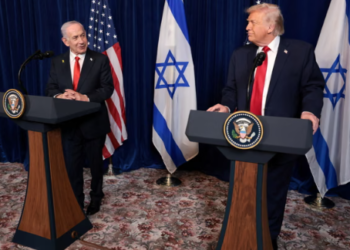 Trump and Netanyahu Clash Over Crucial US and Iran Peace Deal
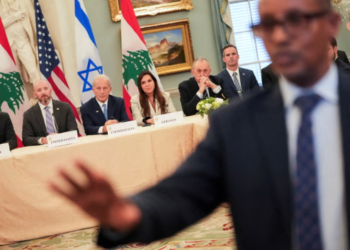 Washington Brokerage Sparking Hope Amid Regional Firestorms
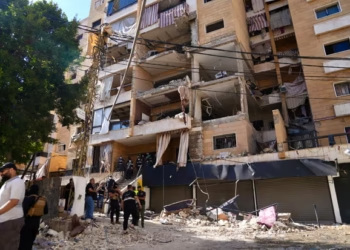 Israel Defies Trump in Direct Strikes on Targets Across Iran
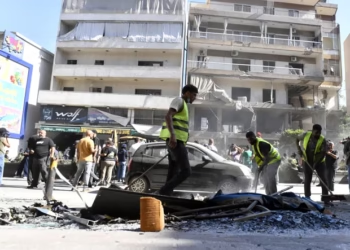 US and Iran Agree Historic Framework to End 15-Week War
 Global Powers Navigate Fragile Peace as Hormuz Reopens
 Trump Signs Landmark Iran Accord in Versailles
 Uncertainty Prevails as Landmark Peace Talks Abruptly Conclude Before Commencement
 Iran To Propose New Shipping Fees In Strait Of Hormuz
 Grief and Devotion Amidst the Rubble of Nabatieh
 High Drama in Tehran Over Secret Nuclear Letters
 Iran Prepares for Massive Six-Day Funeral for Khamenei
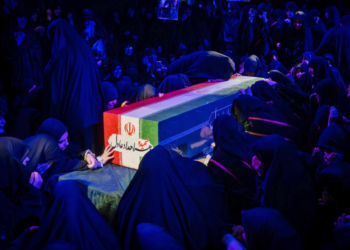 Iran Prepares for Massive Funeral for Supreme Leader
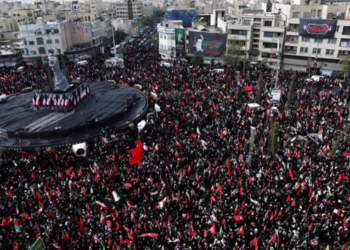 Iran Bids Farewell to Fallen Leader in Massive Procession
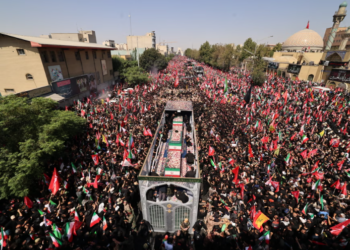 Iran Mourns: Millions at Khamenei’s Final Procession
 Israeli Officer Investigated for Car Grenade Attack
 Yemen Accuses Iran of Violating National Sovereignty
 Trump Threatens Iran Power Strikes Over Hormuz Impasse
 Houthis Strike Saudi Arabia as Middle East Tensions Rise
 Friedman Uninvited From 2024 Adelaide Writers’ Week
 Spoof “Make America Go Away” Caps Rally Denmark Over Greenland
 New Zealand Covid Response Praised Despite Lingering Scars
 Tehran Strikes Mark War’s Most Devastating Night
 Injured Mojtaba Khamenei Elevated as Iran Leader
 Teenage Titan: Sooryavanshi Smashes IPL Records
 Trump’s Six-Week Iranian War: The High Cost of Ignorance
 US and Iran Agree to Two-Week Provisional Ceasefire
 Security Alert Near Israeli Embassy as Police Investigate
 US-Iran Standoff: Will Trump Deploy Ground Troops?
 Investigation Into Anti-Trump Motives After Gala Shooting
 Trump Rejects Tehran Peace Plan as Regional Truce Crumbles
 High Stakes in Beijing as Trump and Xi Meet Amid Global Turmoil
 Fear and Betrayal: The Chilling Case of Kouri Richins
 Trump and Xi Convene in Beijing for Historic High-Stakes Summit
 Aussie Race Row: Coalition Accused of Scapegoating
 Trump Pledges 5,000 Troops for Poland in U-Turn
 Cannes filmmakers split over AI’s role in cinema
 US Condemns ‘Two-Tier’ UK Policing After Student Murder
 Trump Appeals for Middle East Calm but Conflict Escalates
 Millions in British Charity Funds Linked to Illegal Settlements
 US Trafficking Arrest Exposes Shocking Exploitation
 Gas Prices Fall Below $4 Following US-Iran Peace Deal
 Canada Secure Historic Last 16 Spot with Late Goal
 EU Slashes Steel Quotas But Grants UK Favourable Rates
 Southern Europe Reels as Wildfires Force Mass Evacuations
 Trump Swaps Planes Amid Iran Tensions
 Rotterdam Museum Honours Artist With Peanut Butter Floor
 Bangkok Nightclub Blaze Claims 30 Lives Amid Negligence Probe