Published: 10 August 2026. The English Chronicle Desk. The English Chronicle Online
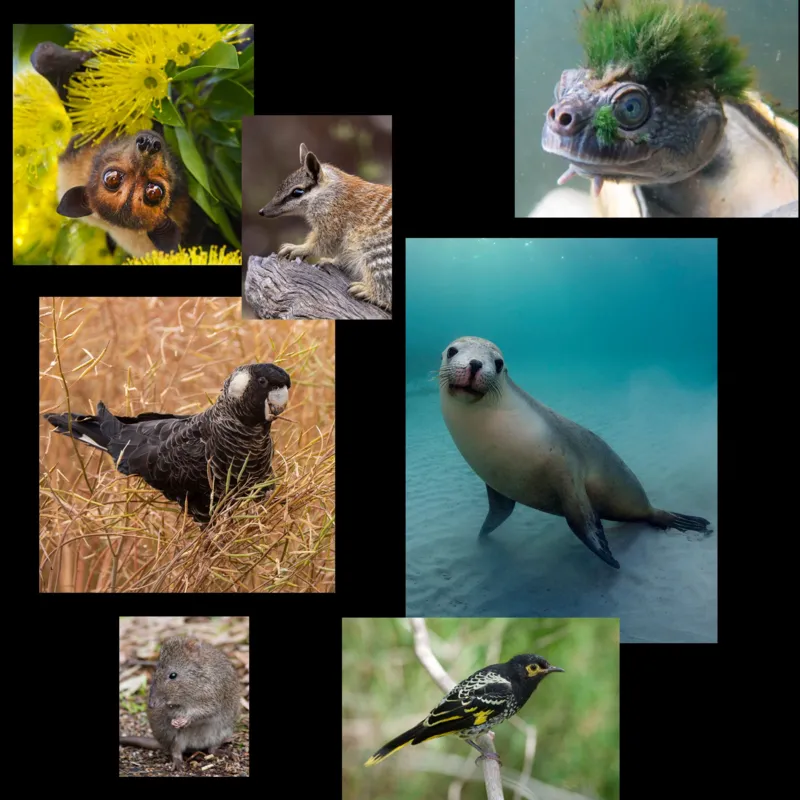
Australia is facing an intensifying biodiversity crisis, with scientists warning that the country is losing unique plants and animals at an alarming rate. Yet amid the growing list of threatened species, one small marsupial is providing conservationists with an important reason to remain hopeful.
The numbat, an unusual Australian mammal with distinctive stripes and a long, narrow snout, has made a remarkable recovery after decades of decline. Once widespread across large parts of southern Australia, the species was reduced to a handful of isolated populations, including one at Dryandra Woodland in Western Australia.
Conservation work at Dryandra has helped transform the numbat’s prospects. Its population has grown substantially, and the species has recently been removed from the international endangered category and reclassified as near-threatened.
For the people who have spent decades protecting it, the change represents far more than an improved status on a conservation list. It demonstrates that determined intervention can prevent species from disappearing.
But researchers caution that the numbat’s recovery should not be interpreted as the end of the problem. Australia remains one of the world’s most significant extinction hotspots, particularly for mammals, and many species continue to decline because of habitat destruction, invasive predators, disease and climate change.

At Dryandra Woodland, conservationists conduct annual surveys to monitor the numbat population. During the spring breeding season, teams travel along bush tracks looking for the animals as they emerge from their shelters and move through the woodland.
The surveys involve recording sightings, mapping locations and estimating population density. Volunteers work alongside researchers, often spending hours searching without seeing a single numbat.
The animal’s ability to blend into its surroundings makes the task particularly difficult. Numbats are relatively small, active mainly during the day and often disappear among logs, vegetation and woodland debris.
Dr Tony Friend, who has worked on numbat conservation since the 1980s, remembers a time when fewer than 50 animals remained at Dryandra. The population has since increased dramatically.
The wider recovery has been supported by breeding programmes, predator control and efforts to establish additional populations. Perth Zoo has also contributed to the conservation effort by breeding numbats and preparing animals for release into the wild.
One young numbat at the zoo was being prepared for release, with keepers carefully monitoring its development. Such programmes are intended not only to increase numbers but also to strengthen genetic diversity in wild populations.
Predator control remains one of the biggest challenges. Feral cats and foxes prey on native Australian wildlife, while other introduced species have transformed ecosystems across the continent.
Australia’s feral cat population alone is estimated to kill billions of native animals each year. Controlling these predators across large areas is difficult, expensive and labour-intensive.
The pressures facing the numbat are part of a much larger national problem. Australia is home to an extraordinary concentration of species found nowhere else on Earth, but this uniqueness also means that local threats can have global consequences.
More than 80% of Australia’s species are believed to be endemic, meaning they occur naturally nowhere else. When one of these species disappears from Australia, it can disappear from the planet entirely.
Habitat destruction remains a central concern. Land clearing for agriculture, development, mining and other industries has fragmented ecosystems and left many animals confined to increasingly small areas.
Invasive plants and animals add another layer of pressure. Rabbits, foxes, feral cats, fire ants and cane toads have all caused significant ecological damage. Diseases have also contributed to steep declines among native wildlife.
Koalas, for example, have been affected by chlamydia, while the chytrid fungus has devastated frog populations and contributed to multiple extinctions.
Climate change is making the situation even more complicated. Rising temperatures and increasingly severe weather events can destroy habitats, reduce food availability and push animals beyond the conditions in which they can survive.
Australia’s devastating Black Summer bushfires of 2019 and 2020 illustrated the scale of the danger. Scientists estimated that billions of animals were killed or displaced during the fires, with many species suffering damage to already fragile populations.
Extreme flooding, heatwaves and other climate-related events have continued to place pressure on wildlife.
Scientists describe Australia as being on the front line of the global biodiversity crisis. The country has recorded more mammal extinctions than any other nation, while researchers believe the official tally of extinct species may significantly underestimate the true number.
Australia’s government officially recognises dozens of species as extinct, but researchers say the actual number of plants and animals lost may already exceed 100.
The consequences extend beyond wildlife. Biodiversity supports agriculture, tourism, scientific research and other parts of the economy. The disappearance of species can also affect ecosystems in ways that are difficult to predict.
For Indigenous Australians, the loss carries an additional cultural dimension. Native species and landscapes are closely connected to traditional knowledge, identity and cultural practices.
There has been increased political attention to biodiversity protection in recent years. The federal government has pledged to halt and reverse biodiversity loss by 2030 and has introduced reforms intended to strengthen Australia’s environmental protection system.
However, conservationists remain concerned about implementation, funding and the influence of industries that depend on Australia’s natural resources.
Critics argue that environmental commitments mean little without sufficient money and effective enforcement. Conservation organisations have also warned that government spending on biodiversity protection remains far below what is required to reverse decades of environmental damage.
Much of Australia’s conservation effort continues to depend on volunteers, scientists, community organisations and philanthropic funding.
The numbat’s recovery demonstrates what can happen when these groups receive sustained support. But conservationists warn that success can itself create a dangerous illusion that the problem has been solved.
The history of the woylie, or brush-tailed bettong, provides a warning. After recovering enough to be removed from a threatened category, the species later declined again and was returned to the list in a more vulnerable condition.
The lesson is that conservation cannot stop simply because a population begins to recover.
At Dryandra, that philosophy remains central to the work. After hours of searching, researchers eventually spot several numbats, including young animals. The sightings provide a moment of celebration after years of difficult conservation work.
The latest population figures suggest there are now around 3,000 numbats across Australia, with numbers at Dryandra having increased substantially.
For conservationists, however, the recovery is not a reason to walk away. It is evidence that continued investment can work.
Australia’s extinction crisis remains severe, but the numbat offers a different narrative from the usual story of ecological decline. It shows that species can recover when governments, scientists, Indigenous communities, conservation groups and volunteers work together over long periods.

The challenge now is ensuring that the numbat’s success becomes a model rather than an exception.
The future of Australia’s wildlife will depend not only on saving individual species but also on protecting the habitats on which they depend, controlling invasive predators, addressing disease and responding to climate change.
The numbat may have moved away from the brink, but its survival still depends on continued action.
As one of the researchers involved in its recovery put it, conservationists cannot simply decide that the species is now safe and walk away.
The work must continue if the numbat is to remain part of Australia’s landscape for generations to come.
Related News:
 South Africa’s Garden Route Gem Faces Looming Water Crisis
 Draft Severe Weather Plan Following Storm Flooding
 Cameras Installed to Monitor Flood Levels Across Vulnerable Areas
 What is Groundwater Flooding and Why Dorset is Seeing ‘Historical Highs’
 Dozens of Flood Warnings in England After Days of Non-Stop Rain
 Aberdeen Chosen for GB Energy HQ at Marischal Square
 Red Eyes and Black Beaches: Oil Spill’s Lasting Scars

 BRRRITAIN: Met Office Issues Yellow Weather Warning for More Snow
 Temperatures Dip Below Freezing as Arctic Air Sweeps Across the UK
 How Do You Modernise Mango Farming? India’s Growers Urged to Innovate as Climate Change Hits
 Victorian Bridge Could Be Saved by Traffic Ban
 Scotland’s Climate Plans Face Scrutiny Over ‘Science Fiction’ Targets
 UK’s First Geothermal Plant Powers 10,000 Homes
 UK Winter Nowhere Near a Record Breaker Despite Floods and Storms
 UK Records Warmest Day of the Year as Temperatures Exceed 18 °C
 NI Executive Approves Bill to Permanently Ban Fracking
 Conservation Budgets Hit by Increased Fly‑Tipping Costs
 Study Says Only Two Nations May Survive Nuclear War
 Community farm appeal to cover thousands in repairs
 Net Zero by 2050 ‘Cheaper Than One Fossil Fuel Crisis’
 UK Energy Reform Could Cut Bills by £200
 Evacuations Ordered as California Wildfires Spread Fast
 UK Records Earliest Spring as Nature Awakens Fast
 Moldova River Crisis Exposes War’s Hidden Cost
 Heavier SUVs Accelerate Britain’s Pothole Crisis
 Cyclone Vaianu Forces Mass Evacuations in New Zealand
 Crackdown Backfires on UK Climate Protesters
 Older Than Dinosaurs: Secrets of Mayfly Dance Revealed
 Capitalism ‘Suicidal’, Warns Petro at Climate Summit
 Coalition pushes fossil fuel phaseout plan
 Record May Heat to Cold Front in Eastern Australia
 Norway Doubles Down on Oil and Gas for Europe Energy Security
 Tractor Breakdown Tests Lincolnshire Farmers
 Britons Build Emergency Supplies Amid Rising Fears
 “A Classroom in Crisis”: Special School Extends Closure Following Devastating Flash Flooding
 “The Climate Multiplier”: Assessing the Dual Threat of Disease-Bearing Mosquitoes and Heat-Related Mortality
 Sycamore Gap Artwork Chosen After Public Vote
 Pope Meets Families in Italy Toxic Waste Zone
 UK rejects EV charging VAT cut amid Treasury clash
 Hope for mountain bongos returns to Kenya
 UN Issues Urgent Warning: Imminent Return of El Niño
 Trump Approves $700m Coal Industry Investment
 Family Says Heatwave Drownings Reopen Grief
 Albania Protests Erupt Over Luxury Resort Plan
 Global Chicken Consumption Soars, UN Reports
 Deadly Earthquake Hits Philippines
 At Least 19 Killed After Powerful Earthquake Hits Southern Philippines
 Airline Leaders Warn 2050 Net Zero Target May No Longer Be Achievable
 Europe Swelters as UK and France Smash Heat Records
 Temperatures Set to Fall This Week, But Forecasters Warn Heat Could Return Soon
 Net Zero School Remains Cool and Open as Heatwave Tests Britain’s Buildings
 Why Extreme Heat Can Cause Trees to Collapse and What Experts Say Can Be Done
 Germany Summons Chinese Envoy Over Russian Troop Training
 Sydney Records Hottest June Since 1859 as Expert Warns New High a ‘Signature’ of Global Warming
 UK Heatwaves Ignite Crisis of Sleep and Public Safety
 Parents Fundraise to Cool Overheated School Classrooms
 Extreme Heat Grounds Birds of Prey Across the UK
 Europe Scorched as Record Heatwaves Grip the Continent
 London Tube Heat Reaches Dangerous Levels
 Venezuela Quake Death Toll Surpasses 4,000
 UK Heatwaves May Have Claimed Thousands of Lives
 UK Heatwave Nears Two-Week Milestone as High Temperatures Continue Across the Country
 Britain Set for ‘Bumper Year’ for Butterflies as Conservationists Predict Strong Season
 Tokyo’s Push for Shorts at Work Sparks Debate as Some Women Raise Concerns Over ‘Leg Hair Harassment’
 No Helicopters Available to Fight Wildfires as ‘Crisis Management’ Plans Activated
 Thousands Evacuated in France as Wildfires Spread Across Regions
 Venezuelans Still Seek Answers One Month After Quakes
 France Evacuates Tourist Area as Wildfires Spread
 Three-Quarters of England’s Riverbanks Still Off Limits
 French Firefighters Battle ‘David vs Goliath’ Wildfire
 Wildfires Intensify in South-West France as Region Braces for 40C Heatwave
 Amber Heat Health Alerts Issued as UK Heatwave Set to Reach 35C Peak
 Two Killed as Firefighting Helicopters Collide During Greece Wildfire Mission
 Storms Set to End UK Heatwave with Flood Warnings
 Calls Grow to Ban Toxic Pet Flea Treatments
 Suspect Planned Spokane Wildfire on Dry, Windy Day
 Drone Warnings Issued as South Korea Battles Historic Heatwave
 US, RWE Reach Major Deal as Offshore Wind Projects End
 Canadians Defy Evacuation Orders as Wildfires Spread