Published: August 7, 2026. The English Chronicle Desk. The English Chronicle Online
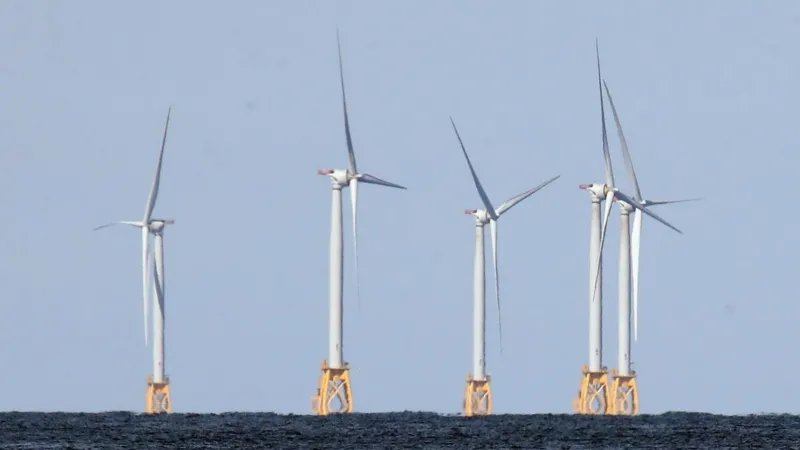
The United States has reached another landmark agreement with a major international energy company as the Trump administration continues reshaping the country’s energy strategy. German energy giant RWE has agreed to withdraw from several offshore wind developments in US waters in exchange for a compensation package valued at approximately $1.2 billion, marking one of the most significant reversals for the American offshore renewable energy sector in recent years.
The agreement represents another milestone in President Donald Trump’s effort to redirect federal energy policy away from offshore wind generation and toward conventional fossil fuel production. Since returning to office, Trump has repeatedly argued that the United States should prioritize domestic oil and natural gas production while reducing government support for renewable energy projects that, according to his administration, depend heavily on subsidies and lengthy regulatory processes.
For RWE, the settlement brings an end to years of planning for offshore wind developments along several American coastlines. The company confirmed it will relinquish leases covering offshore areas near California, Louisiana and the New York Bight, concluding that there is no realistic pathway for securing the permits required to move the projects forward under the current regulatory environment.

Company executives described the decision as the result of a comprehensive assessment of market conditions and government policy. Rather than continuing to invest in projects facing prolonged uncertainty, RWE said it had chosen to redirect its capital toward energy infrastructure that aligns more closely with current federal priorities.
A significant portion of the compensation package will now be invested in conventional energy developments across the United States. Among the largest commitments is approximately $900 million earmarked for a liquefied natural gas export terminal in Louisiana. The company also intends to expand its broader American energy portfolio over the coming years, announcing plans to invest roughly €17 billion across the country during the next six years.
RWE emphasized that while its offshore wind ambitions in the United States are ending, it is not withdrawing from the American market. Instead, it intends to focus on projects capable of delivering reliable electricity under current economic and regulatory conditions. Company representatives argued that adapting investment strategies to changing political realities is essential for maintaining long-term business stability.
The Department of the Interior welcomed the agreement, describing it as evidence that private companies are responding to the administration’s new direction for national energy policy. Interior Secretary Doug Burgum said the United States should prioritize an energy system based on affordability, reliability and domestic production rather than one heavily dependent on public financial support.
According to administration officials, encouraging investment in conventional energy infrastructure will strengthen national energy security while creating employment opportunities across multiple industries, particularly in states with established oil and gas sectors.
The RWE settlement is not an isolated development. Since the beginning of the year, several major international energy companies have altered or abandoned offshore wind projects following discussions with federal authorities. Earlier this year, French energy group TotalEnergies agreed to discontinue planned offshore wind developments in the United States and instead redirected investment toward liquefied natural gas facilities and offshore oil production in the Gulf of Mexico.
More recently, Duke Energy reached a separate agreement involving the cancellation of an offshore wind lease near the Carolina coast while committing substantial investment toward alternative energy infrastructure considered more compatible with current federal priorities.
Together, these agreements illustrate the scale of change taking place across America’s energy landscape. Offshore wind developers who once viewed the United States as one of the world’s fastest-growing renewable energy markets are increasingly reconsidering their investment strategies amid shifting political priorities and regulatory uncertainty.

Supporters of the administration argue that the changes reflect economic realism rather than ideological opposition to renewable energy. They contend that projects relying on significant government incentives impose unnecessary costs on taxpayers while producing intermittent electricity that cannot always meet growing demand.
The White House has repeatedly emphasized that expanding domestic fossil fuel production can lower energy prices, reduce dependence on foreign suppliers and strengthen industrial competitiveness. Officials also argue that investment in natural gas infrastructure can provide greater energy reliability as electricity consumption continues to increase across the country.
Related News:
 Iran Rejects Ceasefire, Warns Trump With Chilling Message
 Trump Approves $700m Coal Industry Investment
 Trump Warns Iran Over Strait of Hormuz Blockade
 Trump Administration Probe of Fed’s Powell Draws Pushback
 Trading Day: Trump Crosses Fed Rubicon, Market Shrugs
 As Trump Retreats from Climate Goals, China Is Becoming a Green Superpower
 US and Indonesia Finalise Deal to Cut Tariffs to 19%
 US Will Not Back Out of Tariff Deals with UK and Others, Says Trump Trade Representative
 Trump’s tariff strategy collapse sows global chaos and confusion
 What Tariffs Has Trump Introduced and Why?
 Bill Gates ‘Took Responsibility’ Over Epstein Ties in Staff Meeting, Foundation Says
 G7 to Hold Emergency Oil Talks as Markets Plunge
 Trump Threatens Iran With ‘Twenty Times Harder’ Oil Strike
 Gulf Oil Shock Sends Global Economic Ripples
 The Situation Is Dire: War on Iran Squeezes India’s Cooking‑Gas Supplies
 Oil Price Jumps Despite Deal to Release Record Amount of Reserves
 Millions Left Without Power as Grid Fails
 Trump Faces New Warning Signs as Iran War Hits Home
 ‘Strategic Reserve’: Italy Defers Coal Phase-Out to 2038 Amid Energy Crisis
 The Horns of Dilemma: Why the 2026 Iran War Ignited and Where It Goes Next
 Tectonic Tension: Trump Blasts NATO Costs as Rutte Admits to ‘Very Frank’ Exchange
 Midnight Fire: Israel and Hezbollah Exchange Strikes as Trump Lashes Out at Tehran
 Capitalism ‘Suicidal’, Warns Petro at Climate Summit
 Crude Surge: Oil Hits Four-Year High as Trump Weighs “New Options” for Iran
 “The Art of the Withdrawal”: Trump Targets Germany Troops as Iran Row Boils Over
 Trump approval plunges amid Iran war fears
 Trump Threatens UN Budget Cuts as US Pushes ‘Trade Over Aid’ Agenda
 “The Trading Bonanza”: Shell Profits Soar to $6.9 Billion Amid Iran War ‘Volatility’
 “The High Stakes of Havoc”: Inside the Corporate Machinery Raking in Billions from the Iran War
 Norway Doubles Down on Oil and Gas for Europe Energy Security
 US Awaits Iran Reply on New Ceasefire Proposal
 Trump: Preventing Nuclear Iran Is ‘The Only Thing That Matters’
 Hormuz Talks Near Critical Stage
 Albania Protests Erupt Over Luxury Resort Plan
 Global Chicken Consumption Soars, UN Reports
 Asia Prepares for Severe El Niño Threat
 Global Stock Markets Slide Amid Tech Sell-Off and Middle East Tensions
 Why the Expected Fight Over the North American Trade Deal Never Materialised
 African Fishermen Blame Chinese Trawlers for Declining Catches
 Why Some African Nations Are Rejecting Trump Aid
 Trump’s New Vision for 250 Years of US Expansion
 US-Iran Exchange Fire as Hormuz Tensions Escalate
 As Heatwaves Strike, Europeans Turn to Chinese Air Conditioners
 Houthis Claim Attack on Oil Tankers as US Launches More Strikes on Iran
 US Unveils Fresh Tariffs on Global Trading Partners
 Wildfires Advance Toward Farmland Near Bordeaux
 Trump Weighs Response to Iran Crackdown as Tehran Says Communication Open With US
 US Clears Nvidia AI Chip Sales to China in Policy Shift
 EU Says US Ties Have Suffered ‘Big Blow’ After Greenland Crisis
 UK New Car Discounts Near £6,000 as Prices Are Slashed
 How Do You Modernise Mango Farming? India’s Growers Urged to Innovate as Climate Change Hits
 American Citizen Killed in Cuba Boat Shooting, U.S. Officials Say
 Iran War Puts Trump at Political Risk Amid Rising Prices
 Sri Lanka Sets Weekly Shutdown to Save Fuel
 Chain of Fire: US Bunker Busters Strike Major Iranian Ammo Depot in Isfahan
 Russia: The Unforeseen Winner of the Iran Conflict
 Hungary Claims Plot to Target Gas Pipeline Pre-Vote
 Oil and Diplomacy: Russian Refineries Burn as Zelenskyy Secures Middle East Shield
 Electric Shock: Australians Buy Record Number of New EVs as Fuel Crisis Bites
 The Great Chokehold: Why the Strait of Hormuz is the Epicenter of the 2026 Crisis
 Moldova River Crisis Exposes War’s Hidden Cost
 Diplomatic Deadlock: Lebanon Enters High-Stakes Border Talks with ‘No Cards to Play’
 The Fog of War and the Ticker Tape: Suspicious Trades Rile Washington
 ‘A Fragile Calm’: Oil Prices Dip as Trump Extends Iran Ceasefire, But Blockade Holds Firm
 “Industrial-Scale Extraction”: White House Memo Accuses China of Mass AI Theft
 US to Escort Trapped Ships Through the Strait of Hormuz
 High Street Crisis: Fears Grow Over Post Office Closures
 Pope Meets Families in Italy Toxic Waste Zone
 UN Issues Urgent Warning: Imminent Return of El Niño
 Israel Strikes Iran After Missile Attack
 US Launches Strikes on Iran After Military Helicopter Downed Near Strait of Hormuz
 UK Economy Suffers a Sharp Downturn as Iran Conflict Bites
 Trump Helps Clear Balogun for Belgium World Cup Clash
 Trump’s Major Recruitment Drive Targets Border Patrol Growth
 Trump Tariffs Could Cut Northern Ireland Exports to the US by 15%, Research Suggests
 Thousands Evacuated in France as Wildfires Spread Across Regions
 AI Jitters Send Chip Stocks Tumbling in US and Asia
 Wildfires Intensify in South-West France as Region Braces for 40C Heatwave
 Two Killed as Firefighting Helicopters Collide During Greece Wildfire Mission
 Trump Renews Push to End Birthright Citizenship