Published: 18 September 2026. The English Chronicle Desk. The English Chronicle Online.
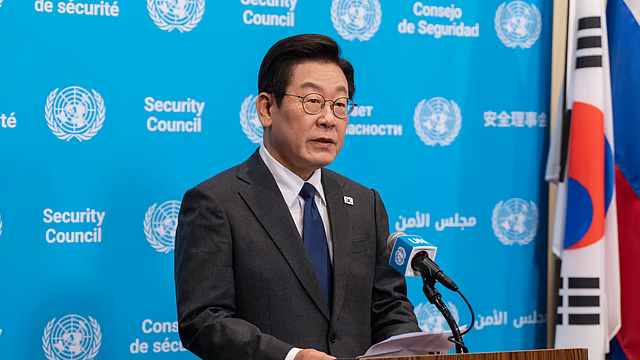
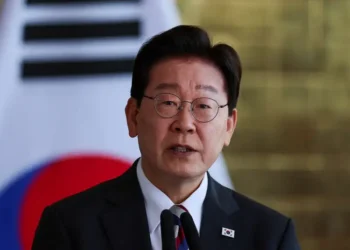
South Korea will not deploy its military to the Middle East in a way that could draw the country directly into the war involving Iran and the United States, President Lee Jae Myung said on Friday, ending recent speculation about whether Seoul could send forces or military assets to the Strait of Hormuz.
Lee’s statement comes after growing pressure from US President Donald Trump for allies to provide greater support for the US military campaign against Iran. South Korea had been reviewing options for contributing to the security of commercial shipping and energy supplies in the strategically important waterway, but the possibility of a deployment had become politically sensitive at home.
“There won’t be deployment that would involve or enter war,” Lee said at a news conference on Friday, making clear that South Korea would not send forces into a role that could make it a participant in the conflict.
The president also said Seoul would not deploy military assets for that purpose. His comments appeared intended to draw a clear distinction between protecting South Korean commercial interests and taking part in military operations connected to the war.

At the same time, Lee indicated that South Korea was considering whether it could make a limited contribution to safeguarding navigation in the region. The Strait of Hormuz is one of the world’s most important energy transit routes, and disruption there could have significant consequences for countries that rely heavily on imported oil and gas.
South Korea is particularly exposed to developments affecting energy shipments because its economy depends substantially on imported crude oil and other energy resources. Lee said Seoul needed to take minimum measures, similar to those taken by other countries, to protect commercial shipping, crude-oil shipments and the safety of South Korean citizens.
The country already maintains a naval presence off the coast of Somalia as part of an international anti-piracy operation. That existing maritime capability could potentially provide a basis for limited efforts focused on protecting shipping rather than participating in combat operations.
The distinction is important because the government in Seoul has faced competing pressures. Washington has sought stronger allied participation in the conflict, while South Korea has domestic concerns about becoming involved in another overseas military confrontation.
Trump has criticised Seoul for what he considers insufficient support for the US war in Iran. The disagreement has added pressure to an already complex relationship between the two allies.
The United States and South Korea maintain a longstanding military alliance, largely centred on deterring North Korea and maintaining security on the Korean Peninsula. The alliance includes substantial US military forces stationed in South Korea and regular joint military exercises.
However, Washington’s demands for greater support outside the Korean Peninsula have created a separate issue for Seoul. South Korean policymakers must consider their obligations to the alliance while also assessing the potential economic, political and security consequences of involvement in the Middle East.
Trump’s administration also scaled back major joint military exercises with South Korea during the summer. The decision unsettled the US ally and contributed to uncertainty over the broader direction of bilateral security cooperation.
The debate over the Strait of Hormuz has been particularly sensitive because of the waterway’s importance to South Korea’s economy. Any prolonged disruption to energy shipments could increase costs for South Korean industries and consumers.
Lee therefore suggested that Seoul would continue to consider measures designed to protect its own economic and security interests, while maintaining a firm boundary against involvement in combat.
The president’s position also comes as Seoul and Washington negotiate a separate issue involving South Korea’s investment commitments in the United States.
South Korea agreed last year to invest $350 billion in US manufacturing as part of a trade arrangement under which Washington reduced tariffs on South Korean imports to 15%. Negotiations over how the investment programme will be implemented have continued, with concerns in Seoul focusing on the commercial viability of the proposed commitments.
Lee said the main obstacle to reaching an agreement was concern about whether parts of the investment package would make economic sense for South Korea.
He acknowledged that there were provisions that Seoul would find difficult to accept, but said the two governments were moving closer to an agreement.
The issue has significant economic implications for South Korea because major investments in US manufacturing could affect corporate finances, domestic investment and the country’s industrial strategy. The government has consequently been seeking arrangements that can meet Washington’s expectations while remaining commercially sustainable for Korean companies.
A parliamentary briefing on the investment plans that had been expected this week was postponed and is now expected to take place next week.
The US-South Korea relationship is also closely connected to developments involving North Korea. Lee said there remained a possibility that Trump could meet North Korean leader Kim Jong-un in the coming months, although he acknowledged that many conditions would need to align before such a meeting could take place.
Lee said Trump wanted dialogue with Kim and that he also supported efforts to create an opportunity for talks between Washington and Pyongyang.
The South Korean government has continued coordinating with the United States on the possibility of renewed diplomacy with North Korea. Any meeting between Trump and Kim, however, would depend on decisions by Pyongyang as well as the wider security environment in the region.
North Korean state media has so far remained largely silent on Trump’s repeated calls for another meeting with Kim. Reports have indicated that Trump has encouraged his advisers to explore the possibility of holding talks with the North Korean leader during the autumn.
The potential summit issue adds another layer to Seoul’s foreign-policy calculations. South Korea must simultaneously manage its military alliance with Washington, relations with North Korea, economic ties with the United States and its exposure to instability in the Middle East.
Lee’s decision to rule out military participation in the Iran war reflects that broader balancing act. While Seoul is prepared to consider measures that protect its shipping, energy supplies and citizens, the president has said that such efforts will not involve entering the conflict.
The distinction could also allow South Korea to maintain cooperation with Washington without committing forces to combat operations. Maritime security assistance focused on commercial shipping would be significantly different from participating in attacks or other military operations against Iran.
For the United States, however, the decision represents a limitation on the extent of South Korean military involvement. Trump has sought greater contributions from allies, particularly as the conflict has placed pressure on energy markets and international shipping.

For Seoul, the immediate priority remains protecting national interests while avoiding an expansion of the country’s military role beyond the Korean Peninsula.
The Strait of Hormuz will remain an important consideration. Any escalation affecting the waterway could threaten oil and gas shipments and increase economic pressure on energy-importing countries. South Korea’s government therefore faces the challenge of preparing for potential disruption without becoming directly involved in hostilities.
Lee’s comments suggest that Seoul intends to maintain that distinction. South Korea can participate in measures designed to protect commercial navigation and its own citizens, he said, but will not send forces into a role that would amount to entering the war.
The position comes at a time when relations between Washington and Seoul are being tested across several fronts. Defence cooperation, trade and investment negotiations, energy security and North Korea policy are all interconnected parts of the alliance.
The coming months will show how the two governments manage those differences while maintaining their broader strategic partnership. For now, Seoul has drawn a clear line around military participation in the Iran conflict while leaving open the possibility of limited maritime measures to protect its commercial and national interests.
Related News:
 Saudi Arabia Shuts Oil Pipeline After Drone Attack
 Southeast Asia Turns to Russia Amid Energy Crisis
 US Awaits Iran Reply on New Ceasefire Proposal
 Hormuz Talks Near Critical Stage
 Houthis Strike Saudi Arabia as Middle East Tensions Rise
 Trump Calls Iran War ‘Small Potatoes’ Despite US Deaths
 Nearly 50,000 Flee as Houthis Advance in Yemen
 Canada Passes Carney’s First Budget in Tight Parliamentary Vote
 India’s Labour Law Overhaul Sparks Fierce Debate
 Carney’s Alberta Pipeline Deal Sparks Immediate Pushback
 Mark Carney Walks Diplomatic Tightrope on China Visit
 Middle East Flights Halted After Iran Strikes
Nine Killed in Karachi Consulate Protest
Middle East Flights Halted After Iran Strikes
Nine Killed in Karachi Consulate Protest
 UK Prepares Aircraft Carrier for Middle East Crisis
 Mojtaba Khamenei Chosen as Iran’s New Supreme Leader
 Tehran Oil Depot Strikes Darken City With Toxic Smoke
 Mojtaba Khamenei Supporters Rally as Iranians Fear Repression
 Iran Defiance Grows Amid US-Israel War Pressure
 Hormuz Crisis Sparks Global Oil Market Fears
 Iranian Exile Factions Seek US Backing for Iran’s Future
 Injured Mojtaba Khamenei Elevated as Iran Leader
 Trump Iran War Stance Hardens as Conflict Widens
 Ghalibaf Iran: Survivor Emerges in Shifting Power Game
 Trump to Deploy “God Squad” Over Gulf Wildlife Protections
 Trump Threatens Iran With Total Infrastructure Destruction
 Iran Drone Strike Hits Kuwaiti Oil Tanker in Dubai Port
 Albanese to Address Nation as War Sparks Economic Crisis
 Iran Crisis Tests Trump’s Global Leadership
 Trump Slams UK Ties and Threatens To Rewrite Trade Deal
 Athens Mayor Moves to Tackle Overtourism Crisis
 US Calls Australia Media Law “Foreign Extortion”
 Capitalism ‘Suicidal’, Warns Petro at Climate Summit
 Oil Prices Surge Above $120 Amid Iran Blockade Fears
 Trump likens US Navy actions to ‘pirates’
 Global order shifts amid Trump-era turmoil
 Trump approval plunges amid Iran war fears
 Trump Threatens UN Budget Cuts as US Pushes ‘Trade Over Aid’ Agenda
 Australia pushes Pacific security pact amid China tension
 BJP Sweeps West Bengal in Historic Breakthrough
 Middle East Crisis Escalates as Oil Routes Shake Markets
 Tensions Emerge in Netanyahu-Trump Alliance
 Norway Doubles Down on Oil and Gas for Europe Energy Security
 One Nation Stuns Australia With Historic Farrer Win
 Beijing Becomes Centerstage for Global Diplomatic Ballet
 UK Pushes for New EU Goods Trade Deal
 Reeves Fights to Keep Treasury Role Amid Labour Turmoil
 China mine blast death toll rises to 90
 Discontent grows around Putin amid war strain
 Former ICC prosecutor condemns US sanctions
 Trump Claims Iran Peace Deal Near Completion
 Millions Gather for Khamenei’s Six-Day State Funeral
 Europe Weighs Hormuz Navigation Fee Plan
 Ukraine Creates Long-Range Strike Command
 Venezuela Quake Death Toll Surpasses 4,000
 Taliban global ties grow as rights fears mount
 Seoul proposes historic peace talks to replace Korean War armistice
 Israeli Strike in Southern Lebanon Kills Seven
 Five Years of Taliban Rule Leave Afghanistan in Crisis
 Trump Calls Strait of Hormuz ‘American Territory’
 Trump Faces Iran War Crisis Before Midterm Vote
 Former Diplomats Urge UK and France to Act on Palestine
 Trump announces major US oil deal with Venezuela
 Trump Hardens Canada Trade Stance as Talks Stall
 Green Leader Targets Starmer’s Former Seat
 Susan Sarandon Says Palestine Stand Costs Roles
 Swedish Mining Push Puts Sami Land Rights Under Pressure
 Argentina to file criminal charges over Falklands oil drilling
 UK plans tougher Israel stance with settlement trade ban
 Miliband Rejects Chief Rabbi’s West Bank Warning
 Trump Pledges $5,000 if Republicans Win Midterms
 North Korea Expands Uranium Facility at Yongbyon
 Israel Accused of Undermining Palestinian Life
 Indonesia Receives First Aircraft Carrier
 Shadow Fleet at Sea: Europe’s Battle Against Illicit Oil Shipping
 Starmer Says Labour’s Economic Plan Needs Years to Deliver
 UK and US Drop in Global Corruption Index Rankings
 Maldives Cave Diving Tragedy Raises Safety Alarm
 Grief and Devotion Amidst the Rubble of Nabatieh
 Trump Faces Backlash Over $2bn Earnings Since Return
 Unions Warn Labour Over Zero-Hours Contract Reforms