Published: 07 October 2026. The English Chronicle Desk. The English Chronicle Online
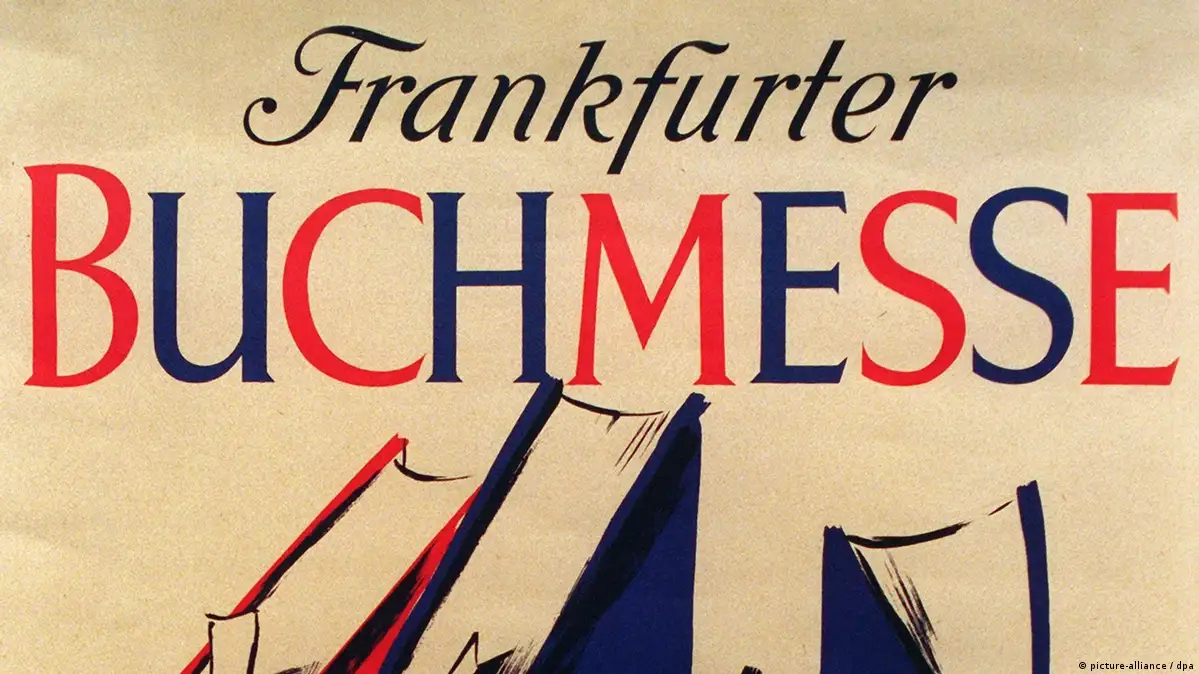
The Frankfurt Book Fair, widely regarded as the world’s largest international publishing event, has opened in Germany with thousands of publishers, authors and creative-industry professionals gathering for one of the most important annual meetings of the global literary world.
The 78th edition of the fair is taking place in Frankfurt and will continue until Sunday, 11 October. Around 4,000 publishing companies from approximately 130 countries are participating this year, underlining the event’s importance as a global marketplace for books, ideas, intellectual exchange and creative industries.
The Czech Republic is this year’s Guest of Honour, placing the country and its literary culture at the centre of the event. But the opening ceremony was marked not only by the celebration of literature but also by a visible political confrontation over the role of government in culture.

The fair was formally opened on Tuesday evening, ahead of its opening to the general public on Wednesday. The ceremony featured moments of protest and audible criticism directed towards Czech Culture Minister Oto Klempíř, while Czech writer Radka Denemarková received an enthusiastic response from the audience.
The contrasting reactions highlighted one of the central themes surrounding this year’s fair: the increasingly difficult relationship between politics, culture and freedom of expression in Europe.
Klempíř, a member of the right-wing Czech political movement Motorists, had already attracted considerable attention before arriving in Frankfurt. Critics have accused him of pursuing policies that could increase political influence over the Czech cultural sector.
His approach to public broadcasting and state funding for filmmaking has also generated controversy, with opponents raising concerns about greater government control over cultural institutions and publicly funded creative work.
Those tensions became evident during the opening ceremony.
After Klempíř delivered his remarks, Denemarková took the stage and immediately received a strong response from the audience. Her speech directly addressed the political climate in Europe and the challenges facing cultural institutions and independent artists.
She argued that governments and ministers who attempt to damage culture may eventually leave office, but literature has a longer life.
Her remarks were widely welcomed by those in attendance, particularly when she connected the debate over culture with the broader political shift towards the far right in parts of Europe.
Denemarková questioned how literature and politics could be separated at a time when European political life is becoming increasingly polarised. She also referred to the presence of former state security officials within the Czech government and argued that the political environment made it increasingly difficult for writers and artists to remain detached from political developments.
The writer described the situation as exhausting and frustrating and urged audiences to challenge those in power rather than remain silent.
Her remarks received prolonged applause. At the conclusion of her speech, members of the audience stood to applaud her, creating one of the most striking moments of the opening ceremony.
Denemarková also emphasised the importance of libraries and independent publishing as safeguards for knowledge and democratic debate. She warned against the destruction or suppression of books and argued that societies need clear thinking, creativity, courage and publishing houses capable of operating independently.
Her intervention gave the opening ceremony a political dimension that went beyond the traditional celebration of books and publishing.
Despite the controversy, the Frankfurt Book Fair remains fundamentally a global meeting place for the publishing industry and the wider creative economy. The event brings together publishers, booksellers, authors, translators, educators, technology companies, filmmakers, game developers and specialists working across a wide range of information industries.
The fair has developed into much more than a traditional exhibition of printed books. It is now an international marketplace where publishers negotiate rights, explore new technologies and develop partnerships across borders.
Fiction, children’s literature, academic publications, scientific databases and specialist information are all represented. The event also provides opportunities for the publishing sector to connect with film and television companies, gaming businesses and technology firms.
For publishers, Frankfurt is an important place to discover new authors and literary projects, sell international rights and explore emerging business models. For writers, it provides access to a global network of publishers, agents and readers.
The fair’s importance also extends beyond commercial interests. Every October, Frankfurt becomes a temporary centre for international discussion about literature, knowledge and ideas.
Its history is closely connected to the development of European publishing.
Frankfurt was already an important meeting point for intellectuals and scholars in the early 16th century. Academics, religious figures, archivists and intellectuals travelled to the city to publish their work, seek publishers and exchange information about developments in science, scholarship and culture.
Books, however, were far less accessible to ordinary people at the time. Publishing remained closely associated with intellectual and social elites, while political authorities frequently sought to control the circulation of ideas.
Censorship became an important part of that history. During the 17th and 18th centuries, political authorities attempted to restrict writings that challenged established systems of power.
The disruption caused by the Thirty Years’ War also contributed to a shift in the centre of German book culture. Leipzig gradually became a major intellectual and publishing hub, eventually developing a reputation for literature, music and scholarship.
Frankfurt’s relationship with the book trade was revived after the Second World War.
In September 1949, a new Frankfurt Book Fair was established in the city centre at St Paul’s Church. The inaugural postwar event displayed 844 books from 205 publishers between 18 and 23 September.
That revival marked the beginning of the modern Frankfurt Book Fair and restored the city’s position as a major international centre for publishing.
Over subsequent decades, the fair expanded dramatically. What began as a relatively modest postwar exhibition became a major international event attracting participants from around the world.
Today, its influence reaches far beyond Germany. The fair reflects changes taking place throughout the global publishing industry, including the growing importance of digital media, audiovisual storytelling, games, scientific information and new technologies.
At the same time, the political debate surrounding this year’s opening demonstrates why literary events continue to matter beyond the commercial value of books.
The clash between the Czech culture minister and critics within the literary community illustrates a broader question facing cultural institutions across Europe: whether governments should play a stronger role in shaping publicly funded culture or whether artistic and publishing organisations should remain protected from political interference.
For many writers and publishers, freedom of expression and editorial independence are essential to the purpose of literature itself.
The Frankfurt Book Fair therefore begins its 78th edition at a moment when the publishing industry is confronting both technological change and political uncertainty. Its halls will host commercial negotiations, literary discussions and cultural programmes, while the debates outside the exhibition spaces are likely to continue shaping conversations about the relationship between literature and power.
The Czech Republic’s position as Guest of Honour gives this year’s fair a particular cultural focus. The country’s writers, publishers and creative professionals have an opportunity to introduce their work to an international audience, even as disagreements surrounding its political leadership add an unexpected layer of controversy.
For visitors, the fair offers an opportunity to explore new books and ideas from around the world. For the publishing industry, it remains one of the most important annual gatherings for business and international cooperation.

And for writers such as Denemarková, the event provides a platform to argue that books remain relevant precisely because they can challenge authority, preserve independent thought and encourage people to question the world around them.
As Frankfurt welcomes thousands of publishing professionals and visitors this week, the fair once again demonstrates the enduring power of books to bring people together while also exposing disagreements about politics, culture and freedom.
The 2026 edition may ultimately be remembered not only for the books introduced and business agreements concluded, but also for the debate over who should have influence over culture and how literature can remain independent in an increasingly polarised political environment.
Related News:
 High-speed Spain train crash leaves nation in mourning
 EU launches Grok AI probe into X over explicit images
 Scotland–France Ferry Revival Tied to Dunkirk’s Green Rebirth
 TikTok Design Faces EU Crackdown Over Addictive Features
 Italy Arrests Protesters Amid Milan Olympic Chaos
 Portugal Election Delivers Socialist Win as Far Right Surges
 Mandelson Faces EU Inquiry Over Epstein Links
 Cyprus Drone Strike Sparks Europe’s Strong Response
 Spain Shuts Airspace to US Military Over Iran Conflict
 Spain Faces Backlash Over Xenophobic Chants in Egypt Draw
 Italian Town Buys Mussolini Villa to Keep Away Fascist Fans
 Hungary election: Orbán faces biggest test amid scandal
 Atlético Madrid Outlast Barcelona in Epic European Clash
 Rat Poison Found in Baby Food Sparks Major Recall Row
 Border Chaos: UK Travellers Face Massive EU Delays
 Ukraine strikes Tuapse as oil disaster worsens
 Alex Zanardi dies at 59, a symbol of resilience
 Arteta urges Arsenal to step up in Atlético semi-final
 France Faces Record Presidential Crowded Race Amid Far-Right Surge
 Norway Doubles Down on Oil and Gas for Europe Energy Security
 Greece Probes Mystery Explosive Drone in Ionian Waters
 Ex-Chief of Staff Named in Major Ukraine Corruption Probe
 Romania’s Judicial Crisis: A System Under Siege
 Chaos at Valdebebas: Florentino Pérez Calls for Elections
 UEFA Resists FIFA’s New Red Card Rules for Next Season
 Hybrid village stores fight rural decline
 Pope Meets Families in Italy Toxic Waste Zone
 Cannes filmmakers split over AI’s role in cinema
 Former ICC prosecutor condemns US sanctions
 Hungary Targets Oligarchs with Proposed Landmark Wealth Tax
 Deadly Russian Air Raids Strike Across Ukraine
 EU Leadership Gathers in Tivat to Renew Balkan Ties
 Papal Visit Offers Political Lifeline to Spanish Premier
 Lib Dems Demand Bold EU Reset to Salvage British Economy
 Labour’s Flawed Brexit Strategy Exposed by Top Diplomat
 The Fear Gap: Why Europe Feels Less Safe Than It Is
 Spyware Targets MEP Investigating Pegasus Abuses
 UK Nations Brace for Potential Breakup Amid Reform Surge
 BMA Faces Unprecedented Staff Cuts Amidst Severe Financial Turmoil
 Le Pen to Run for President Despite Embezzlement Conviction
 Meta Under Fire: The Battle Over Addictive Social Media Design
 England and Norway Fans Turn Miami Into World Cup Carnival
 A New Era Begins: Spain and Gibraltar Border Fence Falls
 Wildfires Force Mass Evacuations in France And Spain
 Russian Missiles Intensify Pressure on Kyiv
 Deadly TikTok Driving Trend Alarms Ireland
 Ukraine Villagers Demand Answers After Deadly Arms Depot Strike
 Bayeux Tapestry Revives Franco-British Ties
 Reform Faces Fresh Financial Controversy
 AfD election surge leaves Magdeburg residents deeply uneasy
 Europe’s democracies face a growing far-right threat
 Sweden Election Hangs on Far-Right Breakthrough
 Europe’s Education Giants Face Fresh Pisa Setback
 Greece Pushes for Parthenon Marbles Reunification
 Elif Eralp Emerges as Berlin’s Next Political Force
 Russia Targets Ukraine’s Digital Economy With Strikes
 National Rally makes historic gains in French Senate
 Madrid Tent Camp Grows as Spain Housing Crisis Deepens
 Putin Orders Russian Army Expansion as War Intensifies
 French Student Protests Escalate Into Violent Clashes
 Europe’s Record Heat Summer Signals Climate Risks
 Berlin App Helps Residents Protect City Trees
 French Debt Fears Put Euro Markets Under Pressure
 French School Protests Escalate as 400 Schools Close
 Half of UK Voters Back Possible EU Return
 Bosnia’s Young People Look Beyond Election Hope
 Rome Cracks Down on Rising Golf Cart Tours
 Germany Pledges €1bn Military Aid to Ukraine
 EU Waits for UK Plan as Relations Reset Begins
 Ukraine claims strikes have crippled Russia’s oil refining
 Jeffrey Archer Dies at 86 After Storied Career
 Former German Intelligence Chief Arrested Over Espionage
 France Braces for Major Student Protest Mobilisation
 France Schools Protests Draw 250,000 as Police Clash
 WHO Says Russia Plague Epidemic Risk Remains Low
 EU-China Talks Target Surge in Hybrid Car Imports
 Tanker Ablaze After Drone Strike Near Sochi
 Poland Pushes Energy Security Beyond Russian Gas
 Ghesquière imagines a warmer future for Louis Vuitton
 Shell Refineries Set for Record Refining Profits