Published: 08 October 2026. The English Chronicle Desk. The English Chronicle Online
Japan’s four largest beer producers have come under investigation after authorities raided their offices over suspicions that they may have coordinated beverage prices, raising concerns about competition and the financial pressure facing consumers.
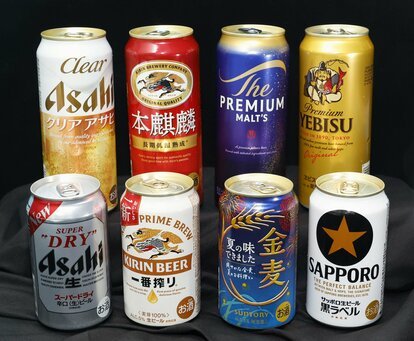
Officials from Japan’s Fair Trade Commission searched the offices of Asahi Breweries, Kirin Brewery, Suntory Beer and Sapporo Breweries this week as part of an inquiry into possible violations of the country’s anti-monopoly law. Together, the four companies account for more than 90% of Japan’s domestic beer market, giving the investigation potentially significant implications for the country’s beverage industry.
The raids mark an unusually serious development for Japan’s food and drink sector. The companies are suspected of coordinating aspects of their pricing strategies rather than independently responding to changes in production and distribution costs. If the allegations are confirmed, the case could expose consumers to the consequences of reduced competition in one of Japan’s most established consumer markets.

Hiroo Iwanari, secretary general of the Fair Trade Commission, confirmed that an investigation had begun but declined to provide detailed information about the allegations or the evidence gathered by investigators. The four breweries have indicated that they will cooperate with the authorities as the inquiry proceeds.
The investigation is reportedly focused on the possibility that coordinated pricing decisions affected products as they moved through wholesalers and into supermarkets, convenience stores, bars and restaurants. Because price increases at the manufacturing level can eventually be passed through the distribution chain, any agreement between major producers could have a direct effect on the amount paid by customers.
Japanese media reports have cited sources familiar with the investigation as saying sales managers and other executives from the breweries may have held meetings over an extended period to discuss the timing and scale of retail price increases. The suspected increases reportedly ranged from several yen to several dozen yen at a time.
Such coordination would be particularly significant because the four companies dominate the Japanese beer market. When a small number of businesses control most of a market, simultaneous price movements can have a substantial effect on consumers, particularly when there are limited alternatives with comparable market presence.
The price increases investigated by authorities have occurred against a backdrop of rising costs for raw materials, transportation and distribution. Japanese beer producers have increased prices on several occasions in recent years, with major increases taking place in October 2022, October 2023 and April 2025.
Beer has not been the only product affected by changing costs. Japanese consumers have also faced higher prices for happoshu, a low-malt alcoholic beverage that has traditionally occupied a lower-priced position in the market. Third-category beer, which contains little or no malt, has also remained an important part of the Japanese beverage market.
The breweries have publicly attributed their price increases to higher production and distribution costs. The Fair Trade Commission is now examining whether those increases were reached independently or whether the companies may have worked together to protect their profitability.
The distinction is central to the investigation. Companies are generally free to adjust prices in response to legitimate increases in costs, but competition authorities can intervene when businesses are suspected of coordinating prices or otherwise restricting competition.
Japan’s alcohol market has changed considerably over the past several decades. Overall alcohol consumption has declined as the country has experienced demographic changes and younger generations have adopted different drinking habits. Despite that decline, alcoholic beverage sales remain economically significant.
Sales of alcoholic drinks in Japan reached about ¥3.8tn, equivalent to roughly $24.3bn, in 2024. Beer represented around 30% of the total, while happoshu and third-category beer together accounted for a further 11.9%.
The figures underline the importance of the beer industry despite broader changes in Japanese drinking culture. For major producers, maintaining profitability has become more challenging as demand evolves while the costs of ingredients, energy, packaging, transport and distribution increase.
That economic pressure provides important context for the current investigation but does not establish that the companies acted unlawfully. The allegations remain subject to examination, and the companies have not been found responsible for violating competition rules.
Financial markets nevertheless reacted quickly to the raids. Shares in Asahi, Kirin, Suntory and Sapporo fell following the searches on Wednesday, reflecting investor concerns about the potential consequences of the investigation.
A serious finding by competition authorities could expose the companies to regulatory penalties and potentially lead to further legal action. Japanese media reports have indicated that the Fair Trade Commission considers the matter particularly serious because of its possible impact on consumers and has not ruled out the possibility of a criminal complaint.
The investigation also comes at a sensitive moment for Japan’s competition authorities. Only three months earlier, officials raided six Japanese ice-cream manufacturers over allegations that they had operated a cartel. That earlier case heightened scrutiny of pricing practices within the country’s food and beverage sector.
The beer investigation could therefore become an important test of how aggressively Japanese authorities respond to suspected coordination among dominant consumer brands. The outcome may also influence how major manufacturers communicate about future price increases and how independently they make decisions in markets where a handful of companies hold substantial shares.
For consumers, the central concern is more immediate: whether repeated price increases were simply the result of higher costs or whether competition between leading breweries was weakened in ways that made those increases easier to impose.
Beer remains deeply embedded in Japanese social and commercial life, from restaurants and bars to convenience stores and household consumption. Even relatively modest increases can become significant when applied across millions of purchases.
The investigation will now determine whether the suspected meetings and pricing discussions crossed the line into prohibited coordination. Authorities will need to establish what was discussed, who participated, whether agreements were reached and whether those agreements influenced prices paid by consumers.

Until that process is complete, the allegations remain unproven. But the scale of the companies involved means the inquiry is already attracting considerable attention. With four firms controlling the overwhelming majority of Japan’s beer market, any finding of unlawful coordination could have consequences extending well beyond the companies themselves.
The case could ultimately reshape expectations around pricing transparency and competition in Japan’s beverage industry, while offering consumers and investors a clearer picture of how recent price increases were determined.
Related News:
 Chinese Hybrid Car Surge Raises EU Auto Industry Concerns
 Oil nears $100 as Saudi attacks shake markets
 Thames Water Revises Oxfordshire Mega-Reservoir Plan
 Iran Rejects Claims of Shift in US Talks
 UK Trade Losses Grow Without EU Product Deal
 Saudi intercepts Houthi missiles as oil fears grow
 Poundland Rescue Bid Could Protect 11,000 Jobs
 UK Diesel Reaches £2 as Inflation Surges Across Europe
 Minister Rejects Fears of UK Diesel Shortage
 UK Weighs Chinese Car Tariffs Amid EU Trade Push
 Informa Agrees £2.24bn Deal to Buy Clarion
 EU-China Talks Target Surge in Hybrid Car Imports
 Shell Refineries Set for Record Refining Profits
 US Awaits Iran Reply on New Ceasefire Proposal
 Canada to Match Trump’s 50% Tariffs Dollar for Dollar
 Shein targets $27bn valuation in Hong Kong debut
 Firms on both sides fear damage from US-Canada trade war
 Europe Faces Winter Gas Supply Anxiety
 Dutch Bank Moves 86 Tonnes of Gold to London
 Trump Hardens Canada Trade Stance as Talks Stall
 Swedish Mining Push Puts Sami Land Rights Under Pressure
 UK House Prices Fall as Mortgage Rates Rise
 Billionaire Chris Rokos poised to leave UK
 JPMorgan Boss Warns Against UK Bank Tax Rise
 John Lewis Losses Widen to £124m as Confidence Falls
 Saudi Arabia Shuts Oil Pipeline After Drone Attack
 Oil Prices Surge as Saudi Pipeline Closure Deepens Crisis
 UK Productivity Improves as Bank Weighs Interest Rates
 Japan Raises Rates to 31-Year High
 UK Retail Sales Rebound as Consumers Spend More
 Trump Eyes Major Belarus Fertiliser Deal Amid Canada Trade Dispute
 UK Borrowing Hits £18.3bn Ahead of Budget
 Thinktank Calls for Abolition of UK State Pension
 MPs Defend UK Economic Watchdog Against Critics
 Trump gives Xi red-carpet welcome as trade truce extends
 AO Acquires Jessops in Camera Retail Expansion
 Should Savers Lock Into 5.25% Fixed Rates?
 Beaverbrooks Boss Calls for Relief on Business Costs
 Why Americans Feel Ripped Off by Rising Prices
 UK Diesel Prices Hit Record High Amid Iran Conflict
 Ukraine Faces $45m Hourly Cost From Missile Alerts
 UK house price growth slows as mortgage rates rise
 UK borrowing costs surge as global bond sell-off deepens
 Boots Sale Nears as Weston Family Eyes $9bn Deal
 French Debt Fears Put Euro Markets Under Pressure
 UK Assures Public Over Diesel Supply
 London Luxury Homes Face a Prolonged Property Slump
 UK Faces Calls to Review Bank Failure Bets
 North Sea Strike Threatens UK Fuel Supplies
 BT Agrees £400m TalkTalk Rescue Deal
 Asos Investigates Hack Claims After Customer Alerts
 UK house prices stall as mortgage costs rise
 IMF Warns Governments Over Rising Debt Burdens
 Doubts Grow Over Trump’s $15bn Iowa Steel Plant
 Tanker Attacked Near Qatar as Hormuz Tensions Escalate
 South Korea Probes Fuel Shipments to Russia
 Albanese Rejects Gas Export Tax Push
 Kevin Warsh sworn in as Fed chair amid economic backlash
 Albanese Defends Tax Reforms Amid Emotional Speech
 Discontent grows around Putin amid war strain
 US CEOs Earn 614 Times More Than Workers
 UK Risks Falling Behind in AI Race
 UK Cost Squeeze Deepens as Mortgages and Gas Rise
 Iceland to Open First UK High Street Store in Falklands
 UK Retailers Accused of Breaking Refund Laws
 UK Pay Growth Slows to 3.9% as Rate Decision Nears
 Bank Urged to Slow Bond Sales as UK Costs Rise
 Mayors Could Gain Greater Powers Over Water Firms
 Entain Plans 400 Job Cuts After Profit Update
 US Sanctions Open New Battle for Cuba Assets
 UK Rent Gap Puts Low-Income Families Under Pressure
 Calls Grow to Expand UK National Wealth Fund
 Australia Renewables Reach Record 80% Grid Demand
 Xi urges Trump to avoid US-China military conflict
 Burnham Opens Door to Possible UK Return to EU
 Healey urged to act as UK energy bills rise 4%
 Badenoch Raises Prospect of 2027 UK Election
 Salinas Struggles to Keep the American Dream Alive
 Poland Pushes Energy Security Beyond Russian Gas
 Royal Mail Plans Up to 2,500 Job Cuts