Published: 12 October 2026. The English Chronicle Desk. The English Chronicle Online
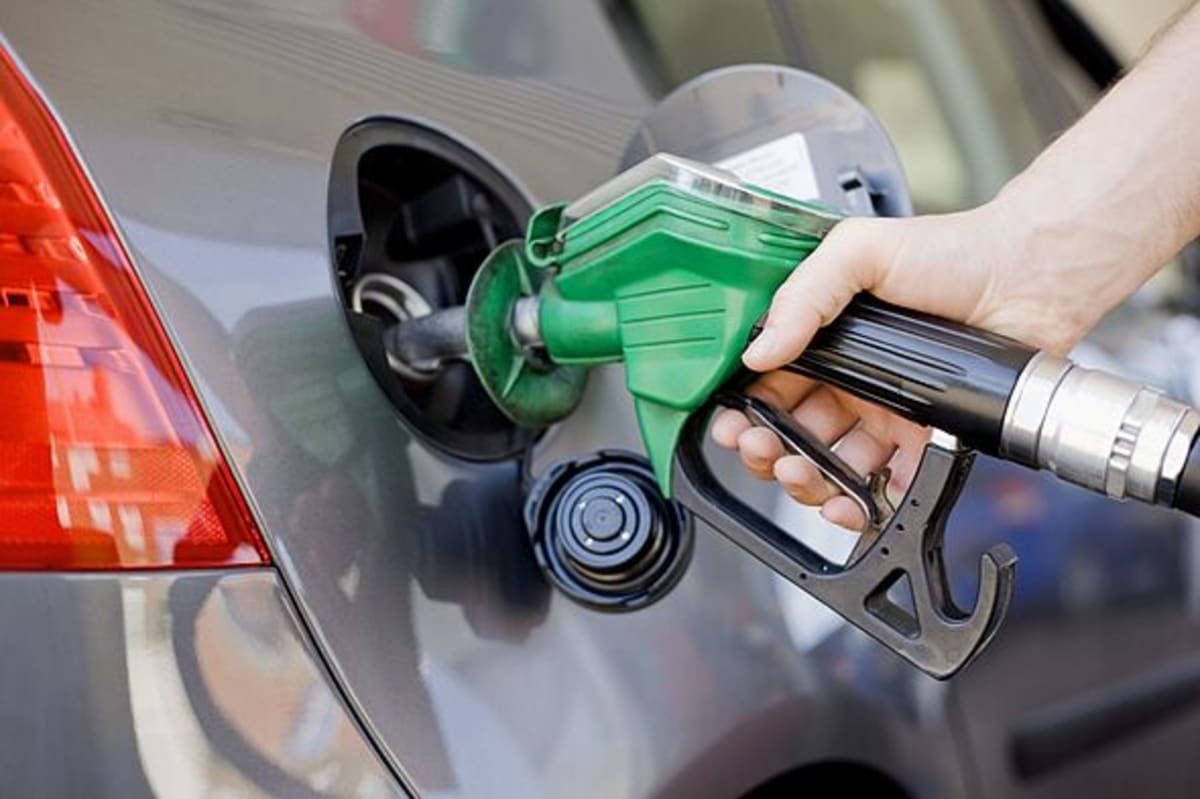
Millions of van and pickup drivers across the United Kingdom are facing a sharp increase in fuel expenditure, with new estimates suggesting that rising diesel prices could add approximately £2.5bn to their collective costs this year. The growing financial pressure is prompting calls for the government to abandon planned fuel duty increases, as transport operators warn that higher running costs could eventually feed through to food prices, household goods and other essential purchases.
Analysis prepared by price comparison company Moneysupermarket estimates that owners of diesel-powered vans and pickups will spend almost £8.5bn on fuel during 2026, compared with approximately £5.95bn last year. The difference highlights the scale of the pressure facing businesses and individuals who depend on commercial vehicles for their livelihoods.
The figures come as diesel prices in Britain have climbed to unprecedented levels amid disruption to international oil supplies, including problems affecting refineries and fuel production in the Middle East and Russia. The resulting shortage of crude oil and refined petroleum products has increased costs throughout the supply chain, leaving motorists and commercial operators exposed to a volatile energy market.

For an individual van owner, the increase could be equally significant. Moneysupermarket estimates that the average annual fuel bill for a van driver could reach £1,965 this year, compared with £1,294 in 2025. Based on typical mileage and fuel consumption, that represents an increase of £671 in a single year.
For businesses operating several vehicles, the additional expenditure can quickly reach thousands of pounds. Independent tradespeople, delivery companies, construction firms and small logistics operators often rely on diesel vans to travel between customers, transport equipment and complete daily work. Unlike some household expenses, fuel is frequently an essential operating cost that cannot easily be eliminated.
The number of vans on British roads has grown substantially in recent years, partly because of the expansion of online shopping, home deliveries and the increasing number of self-employed people working in trades. These vehicles have become an important part of the country’s economic infrastructure, connecting warehouses, retailers, manufacturers and customers.
However, the sector remains heavily dependent on diesel. Although electric vans are gradually becoming more common, around 95% of light commercial vehicles in the UK are still diesel-powered. This means that the overwhelming majority of businesses using these vehicles remain vulnerable to changes in the price of conventional fuel.
The average diesel pump price rose above £2 a litre for the first time earlier this month, representing an increase of more than 40% since late February. The rise followed the disruption to crude oil and refined fuel supplies associated with the US-Israel war on Iran, which has intensified concerns about the reliability and affordability of global energy supplies.
Even with a recent reduction in diesel prices, the cost remains considerably higher than before the conflict. Data from motoring organisation the RAC indicates that diesel is approximately 57p a litre more expensive than it was before the US-Iran conflict, while petrol prices are around 42p higher.
For households, the consequences extend beyond the price displayed at filling stations. The RAC estimates that filling a family-sized car now costs approximately £31 more for diesel and £23 more for petrol than before the conflict. For commercial drivers who refuel frequently and cover substantial distances, the financial impact can be considerably greater over the course of a year.
Against this backdrop, the government’s planned fuel duty increases have become a major source of concern for the transport industry. The increases, previously postponed from September, are scheduled to add 3p a litre from 1 January 2027 and a further 2p from 1 March. Industry representatives argue that introducing higher duties while diesel prices remain elevated would intensify the financial strain on businesses already struggling to absorb rising operating expenses.
The Road Haulage Association (RHA), which represents businesses involved in moving goods by road, has urged the government to reconsider the planned increases. Its managing director, Richard Smith, has warned that many members operate on profit margins of around 2%, leaving little room to absorb a sudden rise in fuel costs.
For companies working with such narrow margins, higher diesel prices can undermine profitability even when demand for their services remains steady. Operators may attempt to reduce other expenses, renegotiate contracts or increase delivery charges. Smaller businesses, however, can find it particularly difficult to pass higher costs on to customers without risking contracts or losing work to competitors.
Smith has argued that imposing additional fuel duty on top of current prices would create a serious burden for companies transporting goods and for the households purchasing them. The association’s position is that higher fuel taxation can contribute to rising food prices because road transport is integral to moving agricultural products, processed food and retail supplies from producers to shops.
The potential consequences are particularly important during a period when households and businesses are already sensitive to increases in living and operating costs. If transport companies raise their charges to compensate for more expensive diesel, manufacturers, wholesalers and retailers may face higher distribution bills. Some of those costs could eventually be reflected in the prices paid by consumers, although the final impact would depend on fuel prices, competition, contracts and other business expenses.
The RAC has also called for government intervention. Simon Williams, the organisation’s head of policy, has warned that the scheduled duty increase would make fuel more expensive for motorists and could prolong the financial pressure created by the current price surge.
Williams has suggested that ministers could consider extending or increasing the existing fuel duty reduction, or reducing value added tax as a way of easing the burden. He has argued that the government has options available to soften the impact of higher fuel prices, particularly when drivers are already paying substantially more than before the disruption to international energy markets.
The RHA is also advocating a more targeted support package for commercial vehicle operators. Smith has called on the chancellor to introduce a rebate of 15p per litre for British van, coach and haulage businesses. According to the association, similar forms of assistance have been offered to commercial transport operators in Spain, France and Italy.
Supporters of a rebate argue that targeted assistance could help businesses remain operational, protect employment and limit the extent to which higher transport costs are passed on to consumers. A measure focused on commercial vehicles could also distinguish businesses that depend on fuel for delivering essential services from private motorists using vehicles for personal journeys.
However, any such proposal would need to be assessed against the government’s wider financial commitments, the cost of public support and the potential effect on tax revenues. Fuel duty is an established source of government income, and abandoning planned increases could create a fiscal trade-off at a time when ministers face competing spending priorities.
The international dimension of the crisis has added further uncertainty. On Friday, US President Donald Trump announced a deal involving Russian diesel in an attempt to ease pressure on American motorists. The move angered Ukrainian President Volodymyr Zelenskyy, reflecting the political sensitivities surrounding Russian energy supplies and the continuing conflict involving Ukraine.
Developments of this kind underline the extent to which fuel prices are influenced by geopolitical decisions beyond the control of British drivers and transport companies. Changes in international supply arrangements may ease shortages in some markets, but their impact on UK prices will depend on the availability of refined products, global demand, transport costs and wider market conditions.
The British government had been contacted for comment on the rising costs and calls for further assistance. The debate is likely to intensify as the next budget approaches and the planned fuel duty changes draw closer.
For van drivers, the immediate challenge is managing sharply increased expenses while continuing to provide services that businesses and households rely on every day. For the wider economy, the concern is that sustained fuel inflation could place additional pressure on supply chains, weaken small-business finances and contribute to higher prices for goods.

The latest estimates highlight the scale of the problem facing the commercial vehicle sector. With projected annual spending on diesel-powered vans and pickups approaching £8.5bn, the issue extends well beyond individual motorists filling their tanks. It raises broader questions about how the government should respond to an energy-driven cost shock, how much of the burden businesses can reasonably absorb and whether additional taxation should proceed while fuel prices remain unusually high.
As ministers weigh their options, transport operators are pressing for measures that provide meaningful relief without creating further uncertainty for businesses and consumers. Whether through a change to fuel duty or targeted assistance for commercial fleets, the decisions made in the coming months could influence operating costs across the British economy and the prices households ultimately pay.
Related News:
 UK House Prices Fall as Mortgage Rates Rise
 Oil nears $100 as Saudi attacks shake markets
 Thames Water Revises Oxfordshire Mega-Reservoir Plan
 UK Retail Sales Rebound as Consumers Spend More
 UK Borrowing Hits £18.3bn Ahead of Budget
 Thinktank Calls for Abolition of UK State Pension
 MPs Defend UK Economic Watchdog Against Critics
 UK Trade Losses Grow Without EU Product Deal
 Should Savers Lock Into 5.25% Fixed Rates?
 UK Diesel Prices Hit Record High Amid Iran Conflict
 Poundland Rescue Bid Could Protect 11,000 Jobs
 UK house price growth slows as mortgage rates rise
 UK borrowing costs surge as global bond sell-off deepens
 UK Assures Public Over Diesel Supply
 UK Diesel Reaches £2 as Inflation Surges Across Europe
 Minister Rejects Fears of UK Diesel Shortage
 Informa Agrees £2.24bn Deal to Buy Clarion
 Google Maps Brings Live Fuel Prices to UK Drivers
 IFS Warns UK Budget Faces £35bn Spending Gap
 Wealthy Britons Flee Gulf War but Avoid UK Taxes
 UK Wage Growth Slows as Jobs Market Holds Firm
 BBC News Faces Deep Cuts in 2,000 Job Plan
 New UK advice scheme to boost savings and investing
 Reeves Fights to Keep Treasury Role Amid Labour Turmoil
 UK rejects EV charging VAT cut amid Treasury clash
 EasyJet Takeover Sparks Fears Over Passengers’ Future
 Europe Faces Winter Gas Supply Anxiety
 UK Households Could Save £173 on Fixed Energy Deals
 Burnham Faces Mounting Budget Challenges
 Dutch Bank Moves 86 Tonnes of Gold to London
 UK Cost Squeeze Deepens as Mortgages and Gas Rise
 Billionaire Chris Rokos poised to leave UK
 JPMorgan Boss Warns Against UK Bank Tax Rise
 John Lewis Losses Widen to £124m as Confidence Falls
 UK State Pension Set to Rise 3.9% as Triple Lock Holds
 UK Parents Cut School Uniform Costs as Prices Rise
 UK Pay Growth Slows to 3.9% as Rate Decision Nears
 Bank Urged to Slow Bond Sales as UK Costs Rise
 UK Inflation Hits 3.1% as Household Pressure Grows
 UK Productivity Improves as Bank Weighs Interest Rates
 Japan Raises Rates to 31-Year High
 UK Rent Gap Puts Low-Income Families Under Pressure
 Calls Grow to Expand UK National Wealth Fund
 Chinese Hybrid Car Surge Raises EU Auto Industry Concerns
 Tony Blair Calls for Britain to Rejoin EU Within a Decade
 AO Acquires Jessops in Camera Retail Expansion
 Saudi intercepts Houthi missiles as oil fears grow
 Beaverbrooks Boss Calls for Relief on Business Costs
 Why Americans Feel Ripped Off by Rising Prices
 New UK Homes in Flood Zones Face Insurance Risk
 Ukraine Faces $45m Hourly Cost From Missile Alerts
 Healey urged to act as UK energy bills rise 4%
 Boots Sale Nears as Weston Family Eyes $9bn Deal
 French Debt Fears Put Euro Markets Under Pressure
 London Luxury Homes Face a Prolonged Property Slump
 London Council Warns of 150% Council Tax Rise
 UK Faces Calls to Review Bank Failure Bets
 North Sea Strike Threatens UK Fuel Supplies
 UK Weighs Chinese Car Tariffs Amid EU Trade Push
 BT Agrees £400m TalkTalk Rescue Deal
 Asos Investigates Hack Claims After Customer Alerts
 EU-China Talks Target Surge in Hybrid Car Imports
 UK house prices stall as mortgage costs rise
 IMF Warns Governments Over Rising Debt Burdens
 Tesco Raises Profit Forecast as Consumer Confidence Holds
 Ministers Push ATO to Reconsider Credit Card Ban
 Oil Shock Sends Markets Lower as Middle East Risks Grow
 Australia Delays Tax Credit Card Payment Ban After Backlash
 France Faces Debt Crisis as Protests and Markets Clash
 UK Savers Face Uncertainty as Rates Rise Above 5%
 Labour Fears Budget Will Fail to Lift Living Standards
 Albanese Rejects Gas Export Tax Push
 Trump Hardens Canada Trade Stance as Talks Stall
 UK Retailers Accused of Breaking Refund Laws
 North Sea Firms Urge Early End to Windfall Tax
 Entain Plans 400 Job Cuts After Profit Update
 Trump Threatens EU With Tariffs Over Canada Proposal
 Burnham Opens Door to Possible UK Return to EU
 Badenoch Raises Prospect of 2027 UK Election
 Japan Beer Giants Face Cartel Probe