Published: 13 October 2026. The English Chronicle Desk. The English Chronicle Online
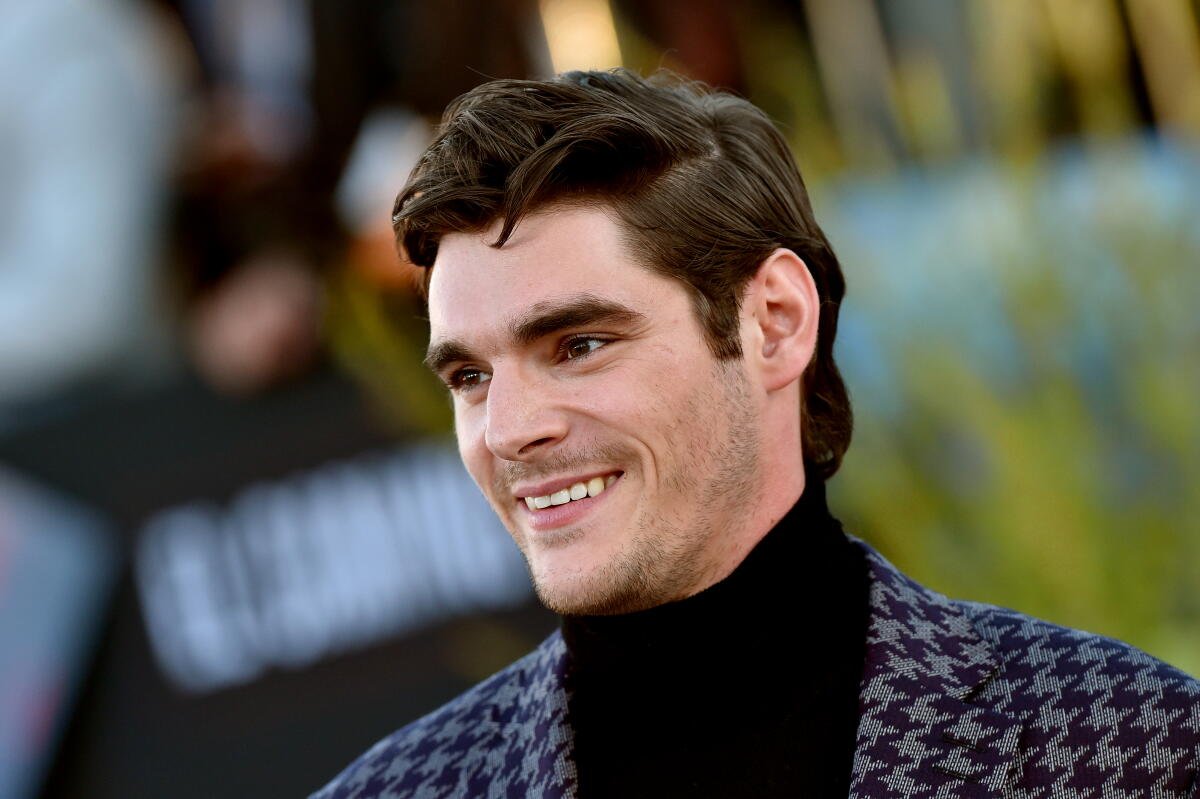
Actor RJ Mitte, best known for his role as Walter White Jr in the acclaimed television drama Breaking Bad, has died aged 34 in Brownsville, Texas. Mitte, whose own experience with cerebral palsy informed his performance on the series, was also widely recognised for his work advocating greater disability representation and inclusion in the entertainment industry.
Mitte’s representatives announced his death in a statement, describing him as a beloved actor, philanthropist and passionate disability rights advocate. His publicist confirmed reports that he had died by suicide. Authorities said no foul play was suspected, while an autopsy was expected to provide further information about the circumstances surrounding his death.
News of Mitte’s death prompted an outpouring of grief from former colleagues, friends and fans, particularly those who had followed his career since his breakthrough role on Breaking Bad. Bryan Cranston, who played his on-screen father Walter White, paid an emotional tribute to the actor, remembering him as his “sweet son” from the series.

Cranston described Mitte as a fine actor and a strong advocate for performers with disabilities. He recalled working alongside him during the demanding production of Breaking Bad and praised his determination and professionalism.
The actor said Mitte had never allowed his disability to become an excuse for avoiding the challenges of production. Cranston also revealed that he and Mitte had exchanged messages only weeks before his death about the possibility of meeting for lunch.
Reflecting on that conversation, Cranston expressed deep sadness and uncertainty over whether such a meeting might have changed the course of events. He emphasised, however, that he had loved Mitte and greatly valued the years they spent working together, both during Breaking Bad and after the series ended.
Mitte joined Breaking Bad when he was just 15 years old, taking on the role of Walter White Jr, the teenage son of Cranston’s chemistry teacher-turned-drug kingpin character. He appeared in all 56 episodes of the acclaimed AMC drama, which went on to become one of the most influential and widely praised television series of its era.
Walter White Jr was written as a teenager living with cerebral palsy, and Mitte’s own experience with the condition brought an unusual level of authenticity to the role. Rather than simply portraying disability as a plot device, the series presented a character whose disability formed part of his everyday life and family relationships.
Mitte later spoke openly about the challenges and opportunities of being a disabled performer. In interviews, he argued that actors with disabilities should have the opportunity to portray complex characters and demonstrate the full range of human experiences rather than being restricted to narrow stereotypes.
His career became closely associated with the broader conversation about representation in Hollywood. Mitte used the visibility created by Breaking Bad to advocate for greater opportunities for disabled performers and to challenge assumptions about what actors with disabilities could achieve.
He also became involved in philanthropic work and disability-focused organisations. He served as an ambassador for United Cerebral Palsy and later held a leadership role with the Mitte Foundation, continuing his efforts to raise awareness and support inclusion beyond his acting career.
His death was particularly painful for members of the Breaking Bad cast, who had known him since he was a teenager. Aaron Paul, who played Jesse Pinkman, said he was heartbroken by the news and expressed his love for his friend.
Dean Norris, who portrayed Hank Schrader, Walter White Jr’s uncle, also remembered Mitte warmly. Norris said that although Mitte did not play his television son, he had always looked out for him when he was a young actor on the set. He described Mitte as a sweetheart and said he would be deeply missed.
Mitte’s career extended beyond Breaking Bad. He appeared in television productions including Switched at Birth and The Guardians of Justice, taking on roles that allowed him to develop a broader body of work after his breakthrough as Walter White Jr.
Shortly before his death, Mitte had been promoting Talking to Strangers, a new film described as a romantic tragedy. His death therefore came at a time when he remained professionally active and engaged with audiences.
Earlier in October, Mitte also appeared on a podcast where he discussed his experiences on Breaking Bad and reflected on the character that had defined much of his early career. He explained that Walter White Jr had been inspired by a real-life friend of creator Vince Gilligan, helping to shape the character’s authenticity.
Mitte said that playing the role felt genuine to him and that he had been able to settle deeply into the character. His personal experience with cerebral palsy provided a connection that helped distinguish his portrayal from conventional television representations of disability.
Away from acting, Mitte’s personal history also shaped his understanding of family and identity. Born in 1992, he was raised in Mississippi by adoptive parents. He later recalled learning that he had been adopted when he was eight years old after his stepbrother told him.
In a previous interview, Mitte said the discovery did not make him feel unwanted or different within his family. He explained that he had never felt unloved or regarded as a burden, reflecting positively on the family environment in which he was raised.
His early life also included significant responsibility. By his teenage years, he had begun contributing financially to his family, an experience he later described as frightening but necessary. His acting career subsequently transformed his circumstances and placed him in the international spotlight while he was still very young.
Breaking Bad became the defining professional achievement of his early life. The series, centred on a chemistry teacher who enters the illegal drug trade after receiving a devastating medical diagnosis, became renowned for its writing, performances and complex exploration of family, morality and power.
For Mitte, the role was both a career breakthrough and an opportunity to bring his personal experience into mainstream television. His performance helped demonstrate that disabled characters could be integrated into major dramatic productions without their disability being the sole focus of their identity.
His advocacy continued long after Breaking Bad ended. Mitte repeatedly spoke about the importance of allowing disabled performers to take part in the industry on equal terms and of presenting people with disabilities as complete individuals rather than reducing them to a diagnosis.
That work became an important part of his public identity. While millions of viewers knew him as Walter White Jr, his contribution extended beyond the screen through his efforts to promote accessibility, awareness and representation.
The reaction from his former castmates reflects the personal impact he had on those around him. Cranston’s tribute in particular conveyed the bond formed between the actors during years of filming, while Paul’s and Norris’s messages highlighted the affection and respect Mitte had earned among colleagues.
His death also brings renewed attention to the pressures faced by people working in highly visible industries and to the importance of taking mental health concerns seriously. Although the circumstances of his death are tragic, his life and work also leave a broader legacy through his advocacy for disability rights and representation.
Mitte’s contribution to television cannot be separated from the significance of seeing a disabled actor play a major recurring character on one of the most celebrated dramas of its generation. His performance challenged conventional expectations and helped open conversations about authenticity in casting and storytelling.
As fans and colleagues remember him, Mitte is likely to be recalled not only for the character he played but also for the causes he championed. His career demonstrated how an actor can use public visibility to challenge stereotypes and create greater awareness around disability.

For the Breaking Bad community, his death marks the loss of a performer who became part of one of television’s most memorable ensembles while still a teenager. For disability advocates, it marks the loss of a prominent voice who used his career to argue for broader representation.
RJ Mitte’s legacy will therefore extend beyond his most famous role. Through acting, philanthropy and advocacy, he helped bring disability representation into conversations reaching audiences around the world. His work, remembered by his colleagues and fans, remains part of the cultural impact of Breaking Bad and of the continuing effort to make entertainment more inclusive.
Related News:
 Whistler’s Mother and why its fame frustrated artist
 Susan Sarandon Says Palestine Stand Costs Roles
 Bad Apples Review: Ronan Leads School Horror Satire
 Taylor Swift and Madonna Lead 2026 MTV VMAs
 Pelicot Trial Play Comes to London for One Night
 Sam Wood Denied Bail Over Alleged Domestic Assault
 Sydney Festival 2027 Unveils Major International Dance Line-up
 11 Best Supermarket Wines Chosen by Experts and Sommeliers
 Exhibition Revisits Life of 18th-Century Black Court Figure
 Harry and Meghan’s Australia Visit Sparks Debate
 NHS Safety Fears as Nurses Cover Doctor Gaps
 Disneyland Adds Facial Recognition at Entrances
 Man Opens Up on Cleft Lip at 60 in Emotional Journey
 Opera Singer Hails Surgery For Restoring Her Hearing
 Florida Surgeon ‘Devastated’ Over Fatal Surgery Error
 Barrister Criticises Trial After Suicide Case Verdict
 Sycamore Gap Artwork Chosen After Public Vote
 Pope Meets Families in Italy Toxic Waste Zone
 Cannes filmmakers split over AI’s role in cinema
 The Obamalisk: Inside the Controversial $850m Presidential Center
 Dreyfus Statue Finally Gets Permanent Paris Home
 UK Schools Struggle as Classrooms Top 40C
 London Tube Heat Reaches Dangerous Levels
 Can Anyone Replace Graham Norton? Chat Show Challenge
 Weight-Loss Drugs Offer Food Savings Mainly to High Earners
 Is This the End of Harry and Meghan’s US Dream?
 Yayoi Kusama, Iconic Polka Dot Artist, Dies at 97
 British Museum Faces Questions Over Peter Thiel’s Private Bayeux Viewing
 Disabled Travellers Seek Fairer UK Care Rules
 NHS Breast Care Review Finds Serious Patient Harm
 Patrick Clancy speaks publicly about children’s deaths
 Headteachers Warn New Ofsted System Is Harming Wellbeing
 Roman Finds Reveal Bath’s Suburban Past
 GP List Policy Risks Cutting Off Vulnerable Patients
 Greece Pushes for Parthenon Marbles Reunification
 Fayed Survivors Demand Inquiry Into Medical Regulator
 Oasis Recordings Pulled From Auction After Legal Action
 BBC Three and Scotland Face Online-Only Future
 Banned Health Coach Faces UK Events Criticism
 Gillian Anderson Defends Front-Row Theatre Warning
 Experts Warn UK Food Security Is at Risk
 Cancer rises faster among younger adults, study finds
 The Cockroach Infestation I Still Cannot Forget
 WHO Says Russia Plague Epidemic Risk Remains Low
 WHO Seeks Russia Answers Over Suspected Plague Death
 Indonesia Faces Lawsuit Over Escalating Wildfire Haze
 Sardinia Village Emerges as Longevity Hotspot
 Teenager Receives UK’s First Testicular Tissue Transplant
 South Sudan Trauma Wards Struggle as Fighting Intensifies
 UK Pharmacy Body Drops Teva After Ethical Concerns
 Controversial Vaccine Trial Approved in Guinea-Bissau
 Australian Advocates Seek Subsidised Drugs for PMOS
 Bedbug Infestation Grounds Qantas Plane in Rome
 Kate Winslet to Narrate Film Highlighting King’s Environmental Mission
 Reeves rejects £1bn plea for NHS redundancy payouts
 Director Michael Caton-Jones Reflects on Career and Beginnings
 Five-Year-Old Dies After Rare Tonsil Surgery Complication
 Streeting moves on doctor pay to end strike dispute
 UK reports baby formula toxin poisoning cases across the country
 Placenta Accreta Warning as Hunt Urges Action
 New Zealand Covid Response Praised Despite Lingering Scars
 Rising Costs Force Families to Rethink Days Out
 Scott Mills Sacked by BBC Over Personal Conduct Claims
 Palantir Boss Defends NHS Deal Amid Government Break Clause
 Crisis in NHS Surgery Scheduling Hits Patients Hard
 Wes Streeting faces narrow road to Labour members’ favour
 Maldives Cave Diving Tragedy Raises Safety Alarm
 Breakthrough NHS Tests for Endometriosis Patients
 England and Norway Fans Turn Miami Into World Cup Carnival
 Sydney Arts Venue Faces Eviction After Religious Protests
 Olympus Awaits Unesco Heritage Recognition
 Queue row erupts on Wales’ highest mountain
 Bayeux Tapestry Revives Franco-British Ties
 Man Arrested in Mississippi Woman’s Death
 UK Rent Gap Puts Low-Income Families Under Pressure
 London Facial Recognition Trial Ends With False Alert
 Healey urged to act as UK energy bills rise 4%
 Badenoch Raises Prospect of 2027 UK Election
 South Africa Withdraws Directive on Asylum Applications
 Trump Names Katie Zachariah as Next White House Press Secretary