Published: 20 October 2026. The English Chronicle Desk. The English Chronicle Online
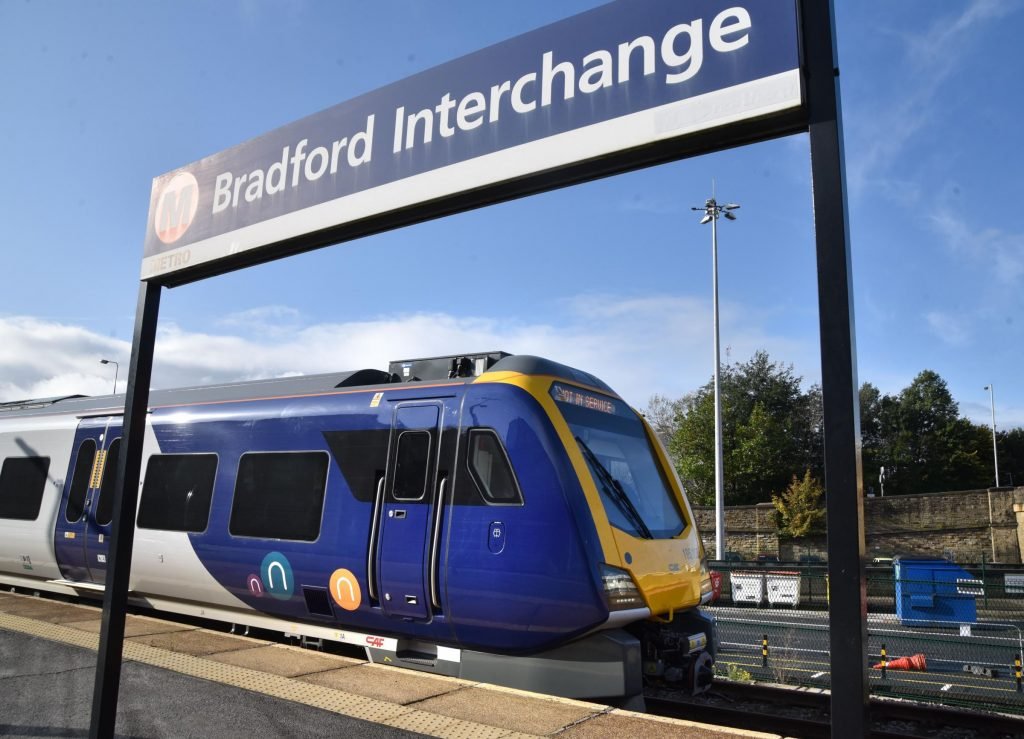
A new railway station planned for Bradford is expected to transform rail travel across northern England, strengthen connections between major cities and support economic regeneration in one of West Yorkshire’s most important urban centres. The government’s announcement marks a significant step forward for Northern Powerhouse Rail, a long-promised transport programme intended to improve journey times, increase service frequency and make travel between northern cities more convenient.
The new station will be developed at the site of the existing Bradford Interchange, but its design is intended to allow trains to run through the city rather than terminate there. This would create a more direct rail connection between Leeds and Manchester, improving Bradford’s position within the regional transport network and potentially making the city more attractive to commuters, businesses, investors and visitors.
The station is expected to be built by the middle of the 2030s. Although the project remains several years away from completion, its approval has been welcomed by regional leaders who have long argued that inadequate transport infrastructure has held back the economic potential of northern England. For Bradford, the announcement offers the prospect of better connections with neighbouring cities and a stronger role in the region’s future development.

Transport Secretary Heidi Alexander described the decision as an important milestone for Bradford, saying the new station would transform how people travel across the north. The Department for Transport has said the wider Northern Powerhouse Rail programme is intended to provide a more frequent and convenient railway, allowing passengers to travel without having to plan every journey around limited departures.
The proposed service has been described as a “turn-up-and-go” railway. Under this approach, trains would operate frequently enough for passengers to have greater flexibility over when they travel, reducing the inconvenience associated with infrequent services and lengthy waits. If delivered as intended, the system could make rail travel a more practical option for people travelling to work, attending appointments, visiting family or accessing education and other services across the region.
Bradford’s current rail connections have long been a concern for local politicians and transport campaigners. Despite being one of the largest urban centres in the north of England, the city has not always enjoyed the same level of direct connectivity as neighbouring cities. A station capable of accommodating through services could help address that disadvantage and improve access to employment and commercial opportunities beyond the city.
The announcement also forms part of a wider regeneration strategy for Bradford. The proposed station is expected to sit alongside the Southern Gateway regeneration project, which aims to reshape parts of the city centre and encourage further development. Better rail links could make these plans more attractive to developers and employers by improving access for workers, customers and visitors.
Bradford Council estimates that the new railway station, together with the proposed West Yorkshire mass transit network, could generate more than £1bn in economic benefits. The projected figure reflects expectations that improved transport connections could stimulate investment, support employment, increase economic activity and contribute to the transformation of the city centre.
However, the scale of those benefits will depend on how effectively the projects are delivered and integrated with wider development plans. Transport infrastructure can improve access to opportunities, but the full economic impact also depends on businesses investing, new homes being built, skills development and the availability of services that enable residents to benefit from growth.
West Yorkshire Mayor Tracy Brabin said Bradford had substantial untapped potential and argued that faster, more frequent trains to Leeds and Manchester could help unlock it. She also highlighted the importance of transforming the city centre, suggesting that transport improvements and regeneration should be viewed as connected parts of a broader economic strategy.
The proposed tram or mass transit network linking parts of West Yorkshire is expected to complement the railway investment. Improved connections between local neighbourhoods, employment areas and major transport hubs could make it easier for residents to reach stations and continue their journeys without relying entirely on cars. Such integration would be particularly important if Bradford is to benefit fully from more frequent intercity rail services.
Henri Murison, chief executive of the Northern Powerhouse Partnership, welcomed the decision to build the station at Bradford Interchange, describing it as a long-term commitment to the city and the wider north. He said confidence was already building in Bradford and suggested that the announcement could strengthen expectations of further investment.
The reaction reflects a broader frustration among northern leaders over delays to major transport projects. For years, politicians and business organisations have argued that northern England needs a transport network capable of supporting economic growth across multiple cities rather than concentrating connectivity and investment disproportionately in the south-east.
Northern Powerhouse Rail was first promised by the Conservative government in 2014. The original ambition was to improve connections between major northern cities, with a proposed network extending from Liverpool to Hull. However, the programme struggled to progress into a fully funded and clearly defined construction plan, leaving regional leaders uncertain about when promised improvements would become reality.
The current government, led by Prime Minister Keir Starmer, announced in January that the project would be delivered in three stages, with a funding cap of £45bn. Local contributions could supplement that amount, although the final delivery of the programme will depend on funding decisions, planning, construction requirements and the sequencing of individual projects.
The first stage is expected to focus on improving connections using existing railway lines around Yorkshire. The wider programme also includes plans for a new line between Liverpool and Manchester. The staged approach is intended to move the project forward while managing its financial demands, but it also means that passengers and regional authorities will have to wait for the different components to be delivered over time.
The government’s decision on Bradford comes against a background of debate over the future of major rail investment in northern England. One longstanding point of contention has been the proposal for an underground station at Manchester Piccadilly as part of Northern Powerhouse Rail. Andy Burnham, during his time as Greater Manchester mayor, championed the plan, but the Treasury did not approve it.
The dispute illustrated the difficulty of balancing ambitious transport plans against financial constraints. Regional leaders have argued that major cities need infrastructure designed around long-term growth, while central government must decide how to allocate limited resources across competing projects and public services. The Bradford station announcement will therefore be assessed not only on its local benefits but also on how it fits into the wider northern transport strategy.
Further changes to northern transport infrastructure may also emerge from efforts to improve connections between Manchester and Birmingham. The rail industry has been anticipating additional work on that route following the cancellation of the northern leg of HS2. Improving links between major economic centres is considered important for businesses and passengers, particularly where existing services struggle to provide the speed, capacity or reliability needed to support growing demand.
Meanwhile, regional leaders in South Yorkshire are pursuing a separate transport-related initiative involving Doncaster Sheffield Airport. The South Yorkshire Mayoral Combined Authority and Doncaster City Council are preparing to acquire the airport from its current owner, Peel Land, subject to formal approval. Their ambition is to restart freight operations next year and resume passenger flights by spring 2028.
The airport ceased operations in November 2022 after its owners concluded that it was commercially unviable under the circumstances at the time. Its closure removed an important potential transport and economic asset from the region, prompting calls for a solution that could restore aviation activity and support local growth.
South Yorkshire Mayor Oliver Coppard said the proposed transaction would return the airport’s future to local hands and provide one of the region’s major growth opportunities with a platform for long-term success. He credited the government’s devolution agenda with helping regional authorities take action to pursue the acquisition.
Coppard also recalled the obstacles that followed the airport’s closure, including the owners’ reluctance to sell, the absence of legal powers for local authorities to intervene and a lack of support from the government at the time. He said the circumstances had now changed and expressed optimism about the airport’s potential future.
The proposed airport acquisition and Bradford railway investment are separate projects, but both reflect a growing emphasis on giving regional authorities a greater role in shaping transport infrastructure and economic development. Improved rail services, local mass transit and renewed aviation connections could collectively help northern communities strengthen links with other parts of the country and attract new business activity.
For Bradford, the immediate significance of the new station lies in the promise of more direct and frequent rail services to Leeds and Manchester. Better connections could widen the range of employment opportunities available to residents, help employers reach a larger workforce and make the city more accessible to visitors and investors.

Yet the timetable remains a major consideration. With construction expected to extend into the middle of the 2030s, the city will need to maintain momentum on regeneration and investment while waiting for the full railway benefits to materialise. Clear funding arrangements, effective project management and coordination with other transport schemes will be essential if the station is to deliver the promised improvements.
The announcement has nevertheless given Bradford and its neighbouring authorities a renewed basis for planning the city’s future. After years of uncertainty surrounding northern rail investment, the commitment to a new station offers a visible sign that the region’s connectivity is being addressed as part of a wider economic programme.
Whether the project ultimately transforms travel across northern England will depend on the delivery of the station and the wider network around it. For now, the plan represents a major step towards a more connected Bradford, with the potential to strengthen the city’s links to neighbouring economic centres and support a broader revival of northern transport infrastructure.
Related News:
 Reform UK funding: mystery billionaire revealed
 MPs warn AI financial risks threaten UK stability
 MPs warn AI financial risks threaten UK stability
 OpenAI Halts Stargate UK Project Amid Energy Crisis
 Burnham unveils £65m drought aid for farmers
 London Launches First Self-Driving Taxis
 Green Leader Targets Starmer’s Former Seat
 Nats Boss Summoned as UK Flight Chaos Continues
 Election Candidate Abuse Raises Alarm in England
 UK Heatwaves Set to Worsen Pothole Damage, RAC Warns
 Tom Watson Takes Senior Role at Palantir
 Thinktank Calls for Abolition of UK State Pension
 Avanti West Coast Set for Public Ownership in March
 Dale Vince Plans New London-Wide News Operation
 Burnham Opens Door to Possible UK Return to EU
 Edinburgh Glasshouses Reopen After Major Restoration
 Palantir Lobbyist Had Role in Burnham Campaign
 Feeld Founders Receive Record Dividend as Sales Rise
 Badenoch Raises Prospect of 2027 UK Election
 BT Broadband Pauses Raise Digital Switchover Concerns
 Sydney Town Square Plans Face New Planning Hurdle
 UK Water Firms Earn Millions From Industrial Wastewater
 Labour MP Urges Billions for Affordable Homes
 Milburn Proposes Pre-Apprenticeship Route for Young People
 Labour Fears Budget Will Fail to Lift Living Standards
 Recruitment Boss Accused of Leading Doxxing Campaign
 UK Must Build Its Own AI to Protect National Security
 UK Passport Rules Leave Family Facing Separation
 UK Pledges Stronger Protections for Disabled Air Passengers
 Trump’s UK Ambassador Urges North Sea Drilling to Strengthen US Ties
 Millionaires group urge Reeves to introduce wealth tax to ‘lift kids out of poverty’
 Starmer Says Labour’s Economic Plan Needs Years to Deliver
 UK Government Borrowing Drops to £11.6bn in December
 AI job losses UK: Britain faces sharper employment shock
 UK shelves £110m border project amid trade strain
 Reeves Must Back Defence Plan or Face Dismissal, Says Unite Chief
 Rising Costs Force Families to Rethink Days Out
 Kezia Dugdale Warns of Possible Reversal of Equal Rights Gains
 Silent Tracks: Rail Line Without Passengers
 Farage and Reform UK Reshape British Politics
 Starmer Leadership Under Pressure After Setbacks
 UK Ministers Lobby Trump Over Under-16s Social Media Ban
 Trump Faces Backlash Over $2bn Earnings Since Return
 London Tube Heat Reaches Dangerous Levels
 Unions Warn Labour Over Zero-Hours Contract Reforms
 Queue row erupts on Wales’ highest mountain
 Ghent Professors Questioned Cofnas Appointment
 RAF Barnham Protests Fuel Tensions in Norfolk Town
 UK Risks Falling Behind in AI Race
 UK Subsidence Claims Surge After Record-Breaking Summer
 UK plans tougher Israel stance with settlement trade ban
 Councils spend £125m on illegal children’s care
 Iceland to Open First UK High Street Store in Falklands
 UK Retailers Accused of Breaking Refund Laws
 UK Pay Growth Slows to 3.9% as Rate Decision Nears
 Bank Urged to Slow Bond Sales as UK Costs Rise
 Heathrow Expansion Faces New Climate Conditions Over CO₂
 Mayors Could Gain Greater Powers Over Water Firms
 Mahmood Warns Far Right Over Asylum Protests
 UK Rent Gap Puts Low-Income Families Under Pressure
 Lib Dems Prepare for Election Amid Reform Challenge
 Labour Apprenticeship Scheme Faces Slow Start
 MPs Defend UK Economic Watchdog Against Critics
 Roman Finds Reveal Bath’s Suburban Past
 UK Plans New Centre to Counter Information Warfare
 Xi urges Trump to avoid US-China military conflict
 Frome Community Loses Bid for Major Regeneration Site
 The Tests Awaiting Andy Burnham After Labour Conference
 Free Speech Emerges as Key UK Election Issue
 London Facial Recognition Trial Ends With False Alert
 UK University Strikes Spread as Financial Pressure Grows
 Poundland Rescue Bid Could Protect 11,000 Jobs
 Healey urged to act as UK energy bills rise 4%
 Gosport Protesters Clash With Police Over Migrant Rescue
 Houthi Missile Claim Sparks Riyadh Airport Disruption
 UK Shoppers Urged to Avoid Hake and Coley
 UK Could Rejoin EU Through a Switzerland Plus Deal
 NHS Trusts Reject Palantir’s £330m Patient Data Platform
 Brexit Debate Returns as UK Voters Reconsider EU Exit
 Up to 20 English Maternity Units Face Possible Closure