Published: 21 October 2026. The English Chronicle Desk. The English Chronicle Online
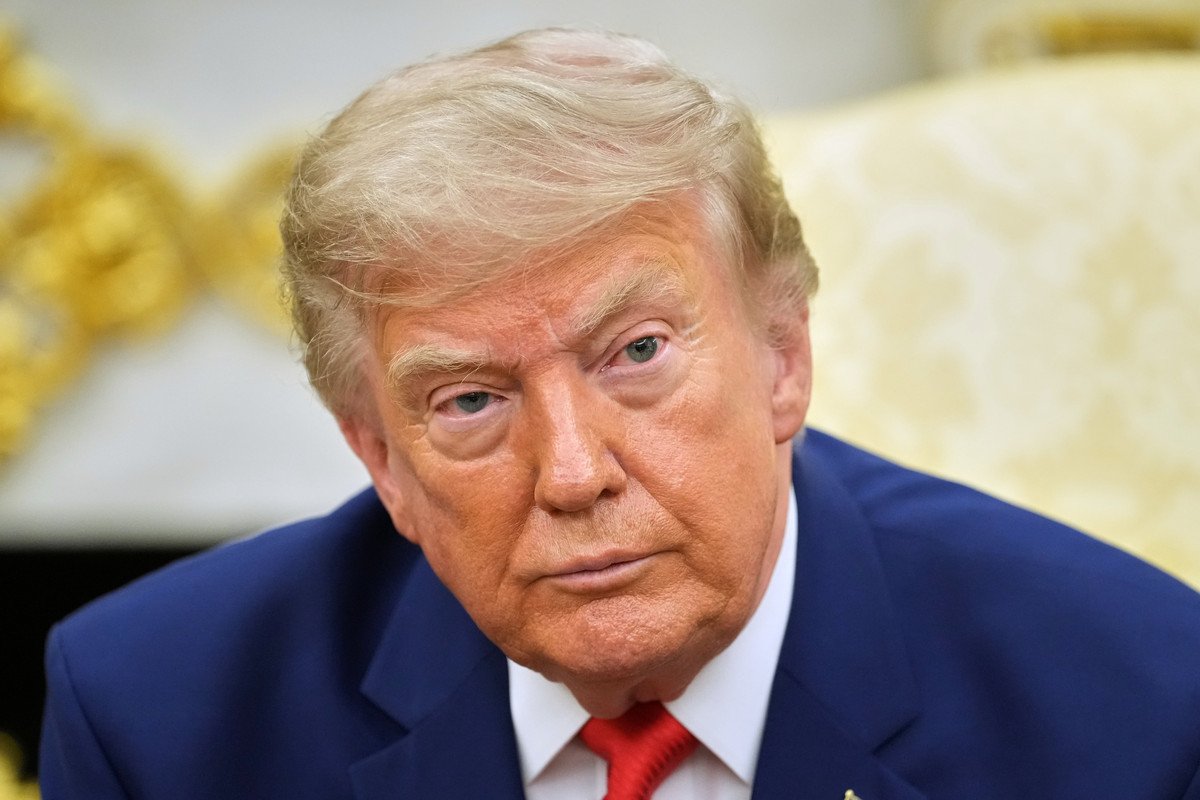
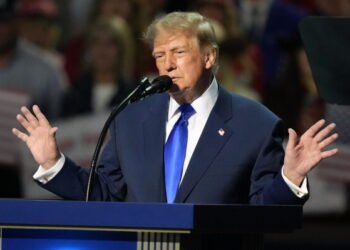
US President Donald Trump has pledged to spend as much as $400 million supporting Republican candidates ahead of the country’s midterm elections, intensifying an already high-stakes political contest as his party seeks to retain control of Congress. The spending, which Trump said would be channelled through his political operation and the aligned super political action committee Maga Inc, highlights the president’s determination to make the November elections a referendum on his administration and the future direction of American politics.
Trump announced the projected expenditure in a statement on his Truth Social platform, saying more than $300 million had already been spent on advertising, voter outreach, rallies, telephone campaigning, get-out-the-vote programmes and election-integrity initiatives. He said the total would reach approximately $400 million by election day on 3 November, describing the spending as an honour and a demonstration of his commitment to the Republican Party.
The scale of the proposed investment underscores the importance Trump attaches to the midterms, which will determine the balance of power in Congress during the remainder of his presidency. Republicans are seeking to maintain their influence in the House of Representatives and the Senate, while Democrats hope to capitalise on public concerns over economic conditions, government policy and the president’s increasingly confrontational political style.

Trump has continued a campaign tour designed to energise Republican supporters and assist candidates in competitive races. On Tuesday, he travelled to North Carolina to campaign for Michael Whatley, the Republican Senate nominee challenging former Democratic governor Roy Cooper. The contest is among those drawing national attention as both parties assess their prospects ahead of election day.
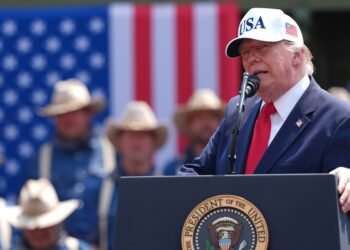
At a rally in Greenville, Trump repeated familiar claims about political opponents, criticised Democrats and portrayed a Republican victory as essential to preventing what he described as dangerous consequences for the country. He also repeated allegations linking unrest in France to immigration, although French authorities had not established the connection he suggested. His remarks reflected a campaign strategy that places immigration, public order and partisan divisions at the centre of the political debate.
The president’s substantial financial commitment comes as political spending becomes an increasingly important feature of American elections. Campaign advertising, digital outreach, rallies and voter mobilisation efforts can help candidates establish name recognition, communicate policy positions and encourage supporters to participate. A large national spending operation can also allow a president to influence races well beyond the White House, particularly when individual candidates lack comparable financial resources or national visibility.
Trump said the money would support a range of activities, including direct and indirect contact with voters, advertising and election-integrity programmes. The precise distribution of the projected $400 million was not detailed in his announcement, but the figure illustrates the scale of the resources being mobilised by his political network.
Meanwhile, former New York City mayor Mike Bloomberg has committed $80 million to support Democratic candidates ahead of the midterms. The competing financial efforts demonstrate how wealthy political figures and aligned organisations can shape the broader campaign environment, providing money for advertising and organising while increasing the national significance of local and state contests.
Although spending alone cannot determine an election result, it can influence which candidates receive sustained attention and how effectively campaigns reach voters. The outcome will depend on a combination of political organisation, voter turnout, public opinion and the issues that dominate the final weeks of campaigning. The large sums involved have nevertheless renewed debate about the influence of wealthy donors and political organisations in the American democratic process.
Trump’s campaign appearances have also featured confrontations with protesters and sharp criticism of Democratic candidates. At the North Carolina rally, security personnel removed several demonstrators, including one protesting high fuel prices. Trump dismissed the protesters as losers and suggested their parents would disapprove of their actions. The exchanges highlighted the increasingly combative atmosphere surrounding his campaign events.
The president also attacked Cooper’s record as governor, making claims about crime and the release of prisoners during the Covid-19 pandemic. Trump suggested that the release of approximately 3,500 inmates had contributed to higher crime, although the releases occurred as part of an agreement involving civil rights groups. Such claims have become part of the wider contest over public safety, with both parties seeking to persuade voters that their candidates are better equipped to address crime and community concerns.
Beyond the campaign trail, the president has drawn criticism for linking government decisions and financial relief to the outcome of the elections. During his North Carolina rally, Trump said the federal government would settle remaining legitimate claims involving water contamination at Marine Corps Base Camp Lejeune only if Republicans won control of both chambers of Congress.
“If we win the House and the Senate,” Trump said, he would direct the Department of Justice to settle the remaining legitimate claims as quickly as possible. He then warned that if Republicans lost, there would be “no money” for the settlements.
The dispute concerns veterans, military families and others who were exposed to contaminated drinking water at the North Carolina base over several decades. Camp Lejeune was established in the early 1940s, and its drinking water was contaminated with industrial solvents from the early 1950s until the late 1980s. Those affected have pursued compensation for illnesses and other harm associated with the exposure.
Trump said his administration had already delivered $1 billion in settlements to affected veterans and their families. However, his latest remarks raised concerns because they appeared to make the resolution of outstanding claims dependent on the electoral success of his party. Critics could view such a condition as placing political pressure on people seeking compensation for harm connected to their military service.
The issue has also caused friction among some of Trump’s supporters. Rightwing influencer Laura Loomer criticised the Justice Department over what she described as inadequate settlement offers to veterans, accusing officials of making “lowball” proposals. Attorney general Todd Blanche pushed back against her criticism, defending associate attorney general Stanley Woodward Jr and accusing Loomer of targeting one of the department’s leading officials.
The disagreement illustrates the difficulties facing the administration as it attempts to balance political messaging, legal obligations and expectations among its own supporters. Veterans’ compensation claims have become particularly sensitive because they involve people who served in the armed forces and families who have waited years for resolution.
Trump has made similar political threats in other contexts. During a recent appearance in Kansas, he said he would not permit year-round sales of gasoline containing higher concentrations of ethanol if voters elected a Democratic candidate over Republican senator Roger Marshall. Such statements have intensified concerns about the extent to which federal policy decisions are being linked to electoral outcomes.
The midterm campaign has also unfolded against a backdrop of disputes over disaster response, foreign policy and political language. Reports have indicated that the Federal Emergency Management Agency is encouraging states to prepare to assume greater financial responsibility for disasters. The agency has faced funding reductions and the departure of thousands of personnel under the administration, prompting concerns among former employees and emergency-response specialists about its future capacity.
At the same time, Trump has faced criticism following his use of an antisemitic slur during a rally in Kansas while defending Marshall against criticism over lawsuits involving patients with unpaid medical bills. The Anti-Defamation League condemned the term as rooted in a longstanding antisemitic stereotype, although its statement did not directly name Trump. The controversy has added to broader questions about the president’s rhetoric and the political consequences of his public remarks.
Foreign policy has also featured in the campaign debate. Trump administration officials have faced questions over intelligence sharing with Ukraine and the US approach to Russia’s war. Ukrainian President Volodymyr Zelenskyy has described discussions with US officials as substantive and constructive, while disagreements over the administration’s policy have continued in Washington.

These developments form part of the political environment in which voters will decide whether Republicans should retain congressional control. The election is not simply a contest between individual candidates: it will also determine how much legislative support Trump can expect for his domestic agenda and how effectively Democrats can challenge the administration during the remaining years of his term.
Trump’s pledge to spend $400 million demonstrates the importance he places on securing a favourable result. His campaign operation is seeking to mobilise supporters, assist Republican candidates and maintain the political momentum generated by his rallies. Democrats, meanwhile, are relying on their own financial networks and criticism of the administration to persuade voters that a change in congressional control is necessary.
With election day approaching on 3 November, the contest is likely to become more intense as campaigns increase advertising and voter outreach. The eventual result will depend on whether the money invested translates into turnout and support at the ballot box. For now, Trump’s spending pledge signals that he intends to play a central role in the midterms, using his political influence and financial resources to help Republicans defend their position in Congress.
Related News:
 US Senate Debates Turn Bitter as Midterms Near
 Trump Refuses to Sign Housing Bill, But Law Takes Effect
 Trump and Mamdani Hold Cordial Gracie Mansion Meeting
 Brazil Court Scandal Threatens Lula as Bolsonaros Rise
 Brazil Cuts Working Week to 40 Hours in Lula Election Boost
 Trump Rallies GOP as Senate Democrats Boost Key Races
 Alberta Voters Reject Push for Canadian Independence
 US Labor Department in turmoil after secretary resigns
 Judge Blocks Trump Bid for Arizona Voter Data
 US Court Weighs Fate of TPS for Migrants
 Immigration Judges Fear Pressure in Trump Era
 Trump’s Revenge Drive Deepens GOP Divide
 Trump Orders Signs Criticising Smithsonian Museum
 Armed Suspect Attacks Ohio Governor Candidate
 Trump gives $45,000 holiday gifts to White House aides
 Trump Pledges $5,000 if Republicans Win Midterms
 Reform UK Receives Record £36m Donation From Crypto Billionaire
 Reform Faces Questions Over £72m Donations
 UK Retailers Accused of Breaking Refund Laws
 US House Passes Russia Sanctions Bill Amid Debate
 Omar Proposes Bill to Redirect ICE Funding
 Texas Transfers Raise Fears for Migrant Children
 Memphis Questions National Guard Crime Surge
 Reform UK Faces Internal Debate Over £72m Spending
 Democrat Says ICE Restricted Detention Camp Oversight
 Thinktank Calls for Abolition of UK State Pension
 Trump Ads Trigger Fight Over Taxpayer Money
 Burnham Opens Door to Possible UK Return to EU
 Senators warn US childcare policies could raise costs
 Badenoch Raises Prospect of 2027 UK Election
 DOJ Declines to Reopen Powell Renovation Probe
 Pritzker’s National Profile Grows Ahead of 2028
 Latin America women fear rollback of rights
 Tanker Attacked Near Qatar as Hormuz Tensions Escalate
 Botstein Quits Bard Amid Epstein Investigation Calls
 ICE Agent Shoots Man in New York as Child Escapes Harm
 US Execution Livestream Plan Sparks Global Outrage
 France Faces Debt Crisis as Protests and Markets Clash
 Trump Attacks Norway After Nobel Peace Prize Snub
 Labour Fears Budget Will Fail to Lift Living Standards
 Ten US Midterm Races That Could Defy Expectations
 Millions Face Tougher Medicaid Rules From January
 Ohio Airports Become Key Hubs for ICE Deportation Flights
 Trump Targets Arizona and Montana Amid GOP Election Worries
 Talarico Faces Tough Voter Test in Texas Senate Race
 Serbia Leader Linked to Controversial Trump Tower Plan
 Trump Halts New Russia Sanctions Amid Ukraine Rift
Trump Falsely Questions Ossoff’s Election Legitimacy
 Cormann Warns Australia Against Populist Migration Caps
 UK Family Linked to Offshore Gambling Licence Controversy
 Alberta Referendum Exposes Deep Divisions Over Independence
 Obama Warns Against Threat to Ilhan Omar’s Citizenship
 Trump Fears Shock Democratic Senate Win in Kansas
 Meta Faces Election Bias Claims Ahead of Brazil Runoff
 US National Guard Member Killed in DC Shooting
 Trump Fed bid heads to Supreme Court
 Partial US Government Shutdown Hits Homeland Security Funding
 Kevin Warsh sworn in as Fed chair amid economic backlash
 Trump’s Mount Rushmore Speech: A Divisive Anniversary
 Burnham unveils £65m drought aid for farmers
 Unions Warn Labour Over Zero-Hours Contract Reforms
 Trump Calls Iran War ‘Small Potatoes’ Despite US Deaths
 UK Pay Growth Slows to 3.9% as Rate Decision Nears
 Entain Plans 400 Job Cuts After Profit Update
 Trump Threatens EU With Tariffs Over Canada Proposal
 Mahmood Warns Far Right Over Asylum Protests
 UK Rent Gap Puts Low-Income Families Under Pressure
 US Networks Suspend Trump White House Pool Coverage
 MPs Defend UK Economic Watchdog Against Critics
 Republican Senator Questions Trump Ad Spending
 UK University Strikes Spread as Financial Pressure Grows
 Healey urged to act as UK energy bills rise 4%
 French School Protests Escalate as 400 Schools Close
 Salinas Struggles to Keep the American Dream Alive
 Gosport Protesters Clash With Police Over Migrant Rescue
 Ministers Push ATO to Reconsider Credit Card Ban
 Trump Says He Deserves Nobel Peace Prize
 South Africa Withdraws Directive on Asylum Applications
 Trump’s Russian Diesel Deal Sparks Ukraine Fury
 Trump Names Katie Zachariah as Next White House Press Secretary