Published: 22 October 2026. The English Chronicle Desk. The English Chronicle Online
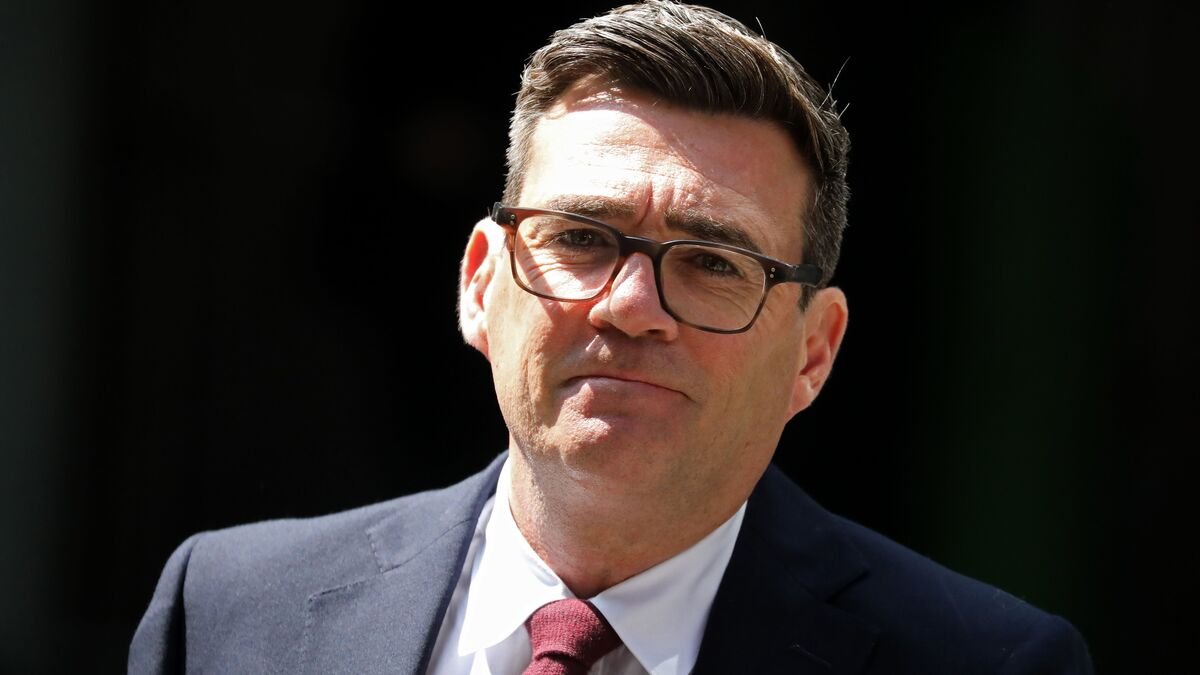
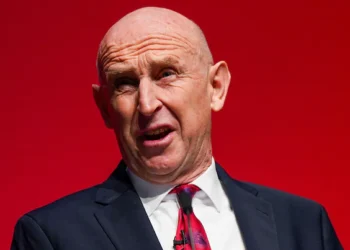
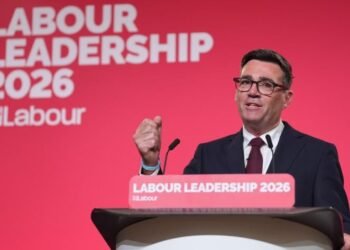
As the government prepares for its highly anticipated inaugural budget, Prime Minister Andy Burnham and Chancellor John Healey are facing mounting pressure from senior economic advisers and business leaders to overhaul the nation’s tax system and rescue struggling high streets from terminal decline. Leading figures, including British Chambers of Commerce president Andy Haldane, have urged Downing Street to implement a more progressive tax framework that heavily rebalances financial incentives away from digital e-commerce giants and toward traditional brick-and-mortar retailers. With town centres across the United Kingdom increasingly hollowed out by boarded-up shops and vanishing commercial footprints, policymakers are being pressed to level the playing field before community decay fuels further political disenfranchisement.
The core argument driving the proposed tax reform centers on the structural unfairness that has long penalized physical storefronts while favoring massive online retailers. Economists point out that the current regulatory architecture relies heavily on punitive business rates that disproportionately burden small, independent shopkeepers who must contend with soaring operational overheads and evaporating customer footfall. In contrast, digital marketplaces and warehouse-based operators enjoy significant tax advantages. Proponents of reform argue that introducing targeted measures, such as an online sales tax or rigorous enforcement of value-added tax collection on major e-commerce platforms like Amazon and eBay, would generate vital public revenues while simultaneously providing much-needed financial breathing space for high-street businesses.

Anticipation surrounding the upcoming budget has intensified as Treasury officials signal potential interventions aimed at easing pressures on retail and hospitality operators. Reports suggest the chancellor may introduce tighter tax regulations on online marketplaces, a move projected to raise substantial revenue by holding digital giants accountable for third-party seller compliance. Furthermore, the government is widely expected to honor previous commitments to reform the business rates threshold, effectively removing smaller commercial entities from the punitive taxation system altogether. However, retail industry representatives caution that while these targeted reliefs are welcome, policymakers must carefully navigate complex international trade dynamics to avoid retaliatory trade measures or tariffs from foreign partners wary of taxes targeting major technology firms.
The urgency of revitalizing Britain’s high streets extends far beyond mere economic metrics, touching directly upon the social fabric and political stability of post-industrial communities. Recent sociological research highlights a direct correlation between rising high-street vacancy rates and the growing electoral appeal of right-wing populist movements, which seek to weaponize local economic neglect and public disillusionment. In response, the government has launched substantial regeneration initiatives, including community ownership funds and devolved funding packages designed to empower local leaders and grassroots organizations. Yet, experts emphasize that without a fundamental realignment of commercial property taxes and digital sales levies, localized regeneration efforts will continually battle against an uphill macroeconomic current.
Beyond immediate tax adjustments, prominent economic strategists are advocating for deeper structural devolution that grants regional mayors and local authorities greater financial autonomy. Proponents argue that allowing directly elected leaders more control over regional fiscal levers—such as shares of income tax or local revenue collection—would enable communities to tailor economic policies to their specific regional needs. While Treasury leadership has historically guarded central tax-setting powers closely, the ongoing crisis facing traditional retail centers has forced a reassessment of how local economic growth can be stimulated across every postcode.
As the budget announcement draws closer, the competing demands placed upon the Treasury highlight the intricate balancing act required to secure the future of Britain’s commercial centers. Retailers, hospitality executives, and community advocates await concrete legislative action that can reconcile the convenience of modern e-commerce with the enduring cultural and economic value of thriving town centres. Whether the government’s upcoming fiscal package will deliver the sweeping structural realignment necessary to protect the high street remains to be seen, but the urgency of the moment demands a decisive and forward-thinking response.
The core argument driving the proposed tax reform centers on the profound structural unfairness that has long penalized physical storefronts while heavily favoring massive online retailers and remote warehouse operators. Economists point out that the current regulatory architecture relies overwhelmingly on punitive business rates that disproportionately burden small, independent shopkeepers who must contend with soaring operational overheads, escalating energy bills, and evaporating customer footfall. In stark contrast, digital marketplaces and warehouse-based operations enjoy significant commercial advantages and lower comparative tax burdens relative to their physical turnover. Proponents of systemic reform argue that introducing targeted measures, such as a dedicated online sales tax or rigorous enforcement of value-added tax collection on major e-commerce platforms like Amazon and eBay, would generate vital public revenues while simultaneously providing much-needed financial breathing space for high-street businesses fighting for survival.
Anticipation surrounding the upcoming budget package has intensified as Treasury officials signal potential interventions aimed at easing pressures on retail, leisure, and hospitality operators. Reports suggest the chancellor may introduce tighter tax regulations on online marketplaces, a move projected to raise substantial revenue by holding digital giants fully accountable for third-party seller compliance across the United Kingdom. Furthermore, the government is widely expected to honor previous policy commitments to reform the business rates threshold, effectively removing smaller commercial entities from the punitive taxation system altogether. However, retail industry representatives caution that while these targeted reliefs are welcome, policymakers must carefully navigate complex international trade dynamics to avoid retaliatory trade measures or protective tariffs from foreign partners wary of fiscal policies targeting major multinational technology firms.
The urgency of revitalizing Britain’s high streets extends far beyond mere economic metrics, touching directly upon the social fabric, community cohesion, and political stability of post-industrial towns. Recent sociological and political research highlights a direct and alarming correlation between rising high-street vacancy rates and the growing electoral appeal of right-wing populist movements, which actively seek to weaponize local economic neglect and public frustration. In response, the government has launched substantial regeneration initiatives, including community ownership funds and devolved funding packages designed to empower local leaders and grassroots organizations. Yet, economic experts emphasize that without a fundamental realignment of commercial property taxes and digital sales levies, localized regeneration efforts will continually battle against an uphill macroeconomic current that favors digital isolation over shared community spaces.

Beyond immediate tax adjustments, prominent economic strategists are advocating for deeper structural devolution that grants regional mayors and local authorities greater financial autonomy and budgetary control. Proponents argue that allowing directly elected leaders more oversight over regional fiscal levers—such as shares of income tax or localized revenue collection mechanisms—would enable communities to tailor economic policies to their specific regional needs rather than relying on centralized mandates. While Treasury leadership has historically guarded central tax-setting powers closely, the ongoing crisis facing traditional retail centers has forced a necessary reassessment of how local economic growth can be stimulated across every postcode in the country.
As the budget announcement draws closer, the competing demands placed upon the Treasury highlight the intricate balancing act required to secure the future of Britain’s commercial centers. Retailers, hospitality executives, and community advocates await concrete legislative action that can reconcile the undeniable convenience of modern e-commerce with the enduring cultural, social, and economic value of thriving town centres. Whether the government’s upcoming fiscal package will deliver the sweeping structural realignment necessary to protect the high street remains to be seen, but the urgency of the moment demands a decisive, forward-thinking, and structurally transformative response.
Related News:
 BBC News Faces Deep Cuts in 2,000 Job Plan
 Reeves Fights to Keep Treasury Role Amid Labour Turmoil
 Burnham Faces Mounting Budget Challenges
 Thinktank Calls for Abolition of UK State Pension
 MPs Defend UK Economic Watchdog Against Critics
 Tony Blair Calls for Britain to Rejoin EU Within a Decade
 London Council Warns of 150% Council Tax Rise
 Informa Agrees £2.24bn Deal to Buy Clarion
 Labour Fears Budget Will Fail to Lift Living Standards
 IFS Warns UK Budget Faces £35bn Spending Gap
IMF Raises UK Growth Forecast Ahead of Healey’s Budget
 Business Chief Urges Burnham to Fix Brexit Damage
UK Borrowing Hits £24.5bn Ahead of Healey’s Budget
 Wealthy Britons Flee Gulf War but Avoid UK Taxes
 UK Wage Growth Slows as Jobs Market Holds Firm
 UK Doubles Steel Tariffs to 50% to Protect Domestic Plants
 New UK advice scheme to boost savings and investing
 UK Pushes for New EU Goods Trade Deal
 UK rejects EV charging VAT cut amid Treasury clash
 Labour MPs Urge Burnham to Revive UK Aid Target
 UK Households Could Save £173 on Fixed Energy Deals
 Reform Faces Fresh Financial Controversy
 UK House Prices Fall as Mortgage Rates Rise
 Oil nears $100 as Saudi attacks shake markets
 John Lewis Losses Widen to £124m as Confidence Falls
 Thames Water Revises Oxfordshire Mega-Reservoir Plan
 Reform Faces Questions Over £72m Donations
 North Sea Firms Urge Early End to Windfall Tax
 UK Pay Growth Slows to 3.9% as Rate Decision Nears
 Bank Urged to Slow Bond Sales as UK Costs Rise
 UK Inflation Hits 3.1% as Household Pressure Grows
 UK Youth Jobs Gap Reveals Deep Regional Divide
 Tories Press Healey Over Tax Rises Ahead of Budget
 Trump Threatens EU With Tariffs Over Canada Proposal
 Trump Threatens EU Over Canada Partnership Proposal
 UK Retail Sales Rebound as Consumers Spend More
 UK Rent Gap Puts Low-Income Families Under Pressure
 Reform UK Faces Internal Debate Over £72m Spending
 Calls Grow to Expand UK National Wealth Fund
 UK Borrowing Hits £18.3bn Ahead of Budget
 Burnham Leaves Door Open to Future Brexit Reversal
 UK Trade Losses Grow Without EU Product Deal
 AO Acquires Jessops in Camera Retail Expansion
 Saudi intercepts Houthi missiles as oil fears grow
 Should Savers Lock Into 5.25% Fixed Rates?
 Beaverbrooks Boss Calls for Relief on Business Costs
 UK Diesel Prices Hit Record High Amid Iran Conflict
 New UK Homes in Flood Zones Face Insurance Risk
 Burnham Opens Door to Possible UK Return to EU
 Poundland Rescue Bid Could Protect 11,000 Jobs
 Healey urged to act as UK energy bills rise 4%
 UK house price growth slows as mortgage rates rise
 UK borrowing costs surge as global bond sell-off deepens
 UK Assures Public Over Diesel Supply
 Badenoch Raises Prospect of 2027 UK Election
 UK Diesel Reaches £2 as Inflation Surges Across Europe
 Minister Rejects Fears of UK Diesel Shortage
 BT Agrees £400m TalkTalk Rescue Deal
 EU-China Talks Target Surge in Hybrid Car Imports
 UK Billionaire Exodus Raises Wealth and Tax Concerns
 IMF Warns Governments Over Rising Debt Burdens
 Google Maps Brings Live Fuel Prices to UK Drivers
 France Urges UK to Consider Returning to EU
 Ministers Push ATO to Reconsider Credit Card Ban
 Australia Delays Tax Credit Card Payment Ban After Backlash
 Labour MP Urges Billions for Affordable Homes
 France Faces Debt Crisis as Protests and Markets Clash
 UK Van Drivers Face £2.5bn Diesel Cost Surge
 IMF Warns Global Economy Is Nearing Its Limits
 Cyber Fraud Threatens Trust in Global Financial System
 Healey Plans £1bn Online Marketplace Tax Crackdown
 UK Could Rejoin EU Through a Switzerland Plus Deal
 Cormann Warns Australia Against Populist Migration Caps
 UK Plans Higher Training Costs for Older Apprentices
 UK Unemployment Falls to 4.7% as Vacancies Decline
 Trump Faces Voter Backlash Over Soaring Gas Prices
 Unions Warn Labour Over Zero-Hours Contract Reforms
 Entain Plans 400 Job Cuts After Profit Update
 Tom Watson Takes Senior Role at Palantir
 The Tests Awaiting Andy Burnham After Labour Conference