Published: 23 October 2026. The English Chronicle Desk. The English Chronicle Online
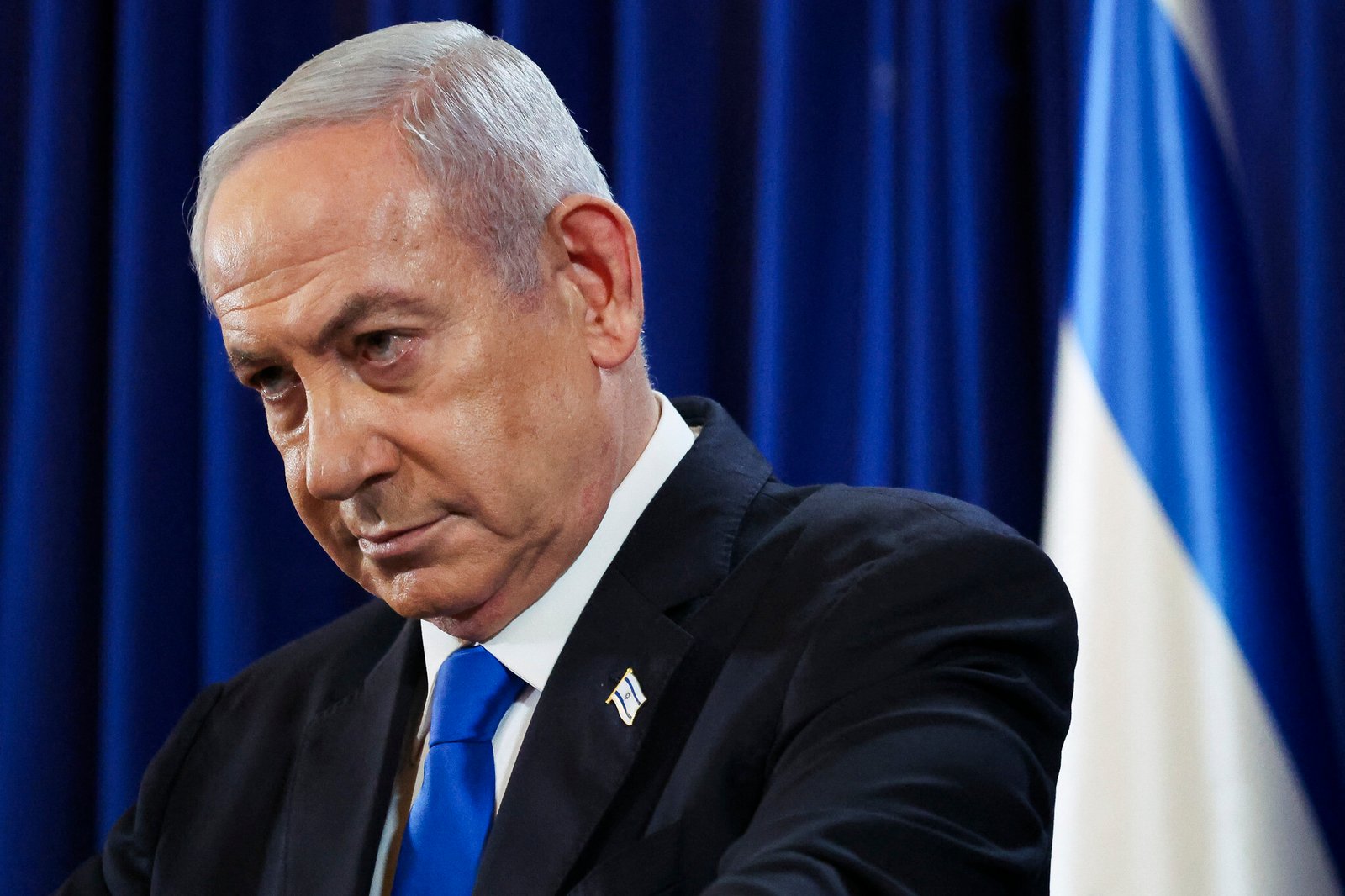
As the sun sets over the central town of Kfar Qasim, Palestinian citizens of Israel gather in local establishments over hot knafeh pastries and shots of strong cardamom-laced coffee, listening attentively to urgent political appeals for their votes. Making up roughly 20 percent of Israel’s total population, Palestinian voters are emerging as the crucial focal point in national efforts to unseat Prime Minister Benjamin Netanyahu and his far-right governing coalition in the upcoming parliamentary elections.
Addressing assembled crowds in Tayibe and neighboring municipalities, veteran Palestinian politicians have emphasized the vital mathematical significance of Arab voter participation. Ahmad Tibi, a member of the Knesset for over two decades and leader of the Ta’al party, stressed that high turnout across the Arab community represents one of the most effective democratic mechanisms available to bring down the current administration. Most independent political polling indicates that Netanyahu’s right-wing bloc will fall short of a 61-seat majority in the 120-seat Knesset, while the main Jewish-Israeli opposition bloc is similarly projected to lack a clear path to forming a government without external support.

Forecasts suggest that Palestinian parties—divided between the Islamist Ra’am party and the Joint List alliance—are positioned to secure between 12 and 15 seats. This electoral calculus creates an unprecedented dynamic, even as mainstream Jewish-Israeli opposition leaders officially refuse to entertain formal governing alliances with Arab factions. In response, right-wing coalition organizers have run aggressive, fear-driven campaign advertisements attempting to delegitimize Arab political participation, utilizing slogans framed as a stark choice between the nationalist right and Palestinian identity.
Despite public refusals from opposition figures regarding formal coalition agreements, political analysts and local voters recognize that post-election realities often force strategic shifts. Historical precedent was established in 2021 when Ra’am leader Mansour Abbas entered a coalition government alongside Naftali Bennett. Observers and voters within the Arab community note that practical parliamentary arithmetic will likely compel opposition leaders to negotiate informal confidence-and-supply agreements once final election results are certified.
For Palestinian politicians and community members, navigating potential alignment with Jewish-Israeli opposition parties presents deep ethical and strategic challenges. Mainstream opposition platforms largely oppose a two-state solution, reject the formal establishment of a Palestinian state, and continue to support Jewish settlement expansions across the occupied West Bank. Nevertheless, many voters view the election through the lens of political mitigation, arguing that preventing the return of far-right cabinet ministers takes precedence over traditional political divides.
Rising fear serves as a major catalyst driving voter engagement across Arab municipalities. The devastating loss of life and structural destruction in Gaza, escalating violence and land displacement in the West Bank, and intensifying state-sanctioned discrimination inside Israel have cultivated widespread anxiety over the consequences of another term for the ruling far-right coalition. Civic leaders emphasize that citizens are increasingly conscious of the risks posed by the continuation of current government policies.
Historically, voter turnout among Arab citizens has fluctuated due to disillusionment with a political framework that many feel marginalizes their fundamental rights. Disqualifications of prominent Arab political figures by judicial authorities have further fueled skepticism surrounding democratic fairness. Earlier in the election cycle, the disqualification of Balad party leader Sami Abu Shehadeh highlighted contrasting judicial standards, particularly as motions to disqualify controversial far-right ministers for inciting racism were rejected. Furthermore, some Palestinian citizens choose to abstain from voting on principle, arguing that participation in state elections lends unearned legitimacy to an oppressive political structure.
For Palestinian politicians and community members, navigating potential alignment with Jewish-Israeli opposition parties presents deep ethical and strategic challenges. Mainstream opposition platforms largely oppose a two-state solution, reject the formal establishment of a Palestinian state, and continue to support Jewish settlement expansions across the occupied West Bank. Nevertheless, many voters view the election through the lens of political mitigation, arguing that preventing the return of far-right cabinet ministers takes precedence over traditional political divides.

Rising fear serves as a major catalyst driving voter engagement across Arab municipalities. The devastating loss of life and structural destruction in Gaza, escalating violence and land displacement in the West Bank, and intensifying state-sanctioned discrimination inside Israel have cultivated widespread anxiety over the consequences of another term for the ruling far-right coalition. Civic leaders emphasize that citizens are increasingly conscious of the risks posed by the continuation of current government policies.
Despite these reservations, a heightened sense of urgency defines the current campaign cycle across towns like Kafr Qassim. For many residents, voting represents a critical act of civic presence and resistance against aggressive policies of annexation and systemic displacement. As election day approaches, the mobilization of Israel’s Palestinian electorate stands as the single most decisive factor that could reshape the country’s executive leadership and shatter Netanyahu’s political coalition.
Related News:
 China-critical UK academics face ‘extremely heavy’ pressure from Beijing
 US Justice Department Files Lawsuit Against California Over Partisan Voting Maps
 Trump Deploys DHS to Charlotte in Major Arrest Operation
 Congress Approves Release of Epstein Files, Trump Expected to Sign
 Texas Governor Faces Lawsuit From CAIR
 Chinese & Japanese Boats Clash Near Disputed Islands
 Putin Meets US Envoy Amid Key Ukraine Peace Talks
 UK and EU Signal Fresh Push for Defence Cooperation Talks
 Thousands Protest ICE Operations in Nationwide US Day of Action
 Sydney Protest Clash Triggers Police Probe
 Report Says Pezzullo Acted ‘Recklessly’ in Dealings
 Hungary election: Orbán faces biggest test amid scandal
 Suspected Plot Targets Pipeline Before Hungary Vote
 US Court Ruling Reshapes Voting Rights Landscape
 Cartel crackdown raises fears of fresh violence
 US states redraw maps after voting rights ruling
 Judge halts deportation of Yemeni refugees in US
 Trump warns Iran as Middle East tensions surge again
 Former ICC prosecutor condemns US sanctions
 Gunman Killed After White House Security Shootout
 Irish Gangland Figure Fails in Dublin Election Bid
 Millions Gather for Khamenei’s Six-Day State Funeral
 Le Pen’s Popularity Holds Despite Conviction
 Dreyfus Statue Finally Gets Permanent Paris Home
 Mystery Grows Over Mitch McConnell’s Health
 Exeter Approves Saudi Military Training Partnership
 UN expert urges UK to rethink Israel policy
 UK plans tougher Israel stance with settlement trade ban
 Miliband Rejects Chief Rabbi’s West Bank Warning
 Israel Accused of Undermining Palestinian Life
 Saudi Pact Raises Risk of Pakistan Entering War
 US Networks Suspend Trump White House Pool Coverage
 Japan PM Backs International Criminal Court
 King Refers Jamaica Slavery Petition to Privy Council
 Irish PM Backs Coach in Israel Football Dispute
 UK Pauses Chagos Deal Amid US Opposition
 Republican Senator Questions Trump Ad Spending
 French Student Protests Escalate Into Violent Clashes
 Burnham Opens Door to Possible UK Return to EU
 Drumcree Talks Falter as Legal Challenge Deepens
 UK-France Returns Deal Faces Expiry as Talks Stall
 Brazil Election Draws Religion Into Final Campaign
 Trump Immigration Policy Faces New Legal Tests
 French School Protests Escalate as 400 Schools Close
 Latin America women fear rollback of rights
 Trump Rally Faces Protests as Texas Race Tightens
 Tanker Attacked Near Qatar as Hormuz Tensions Escalate
 UK Mission in East Jerusalem to Remain Open
 Trump Says He Deserves Nobel Peace Prize
 EU Divisions Deepen Over Israel Policy
 Controversial Vaccine Trial Approved in Guinea-Bissau
 Delhi Detains Protest Leaders as Youth Rally Escalates
 UK Greens Face Crisis Over Zionism and Extremism Row
 Brazil Court Scandal Threatens Lula as Bolsonaros Rise
 Ohio Airports Become Key Hubs for ICE Deportation Flights
 Farage Rejects Claims Reform Would Let Troops Shoot Migrants
 India’s Voter Roll Crisis Sparks Nationwide Protests
 Ukrainian Soldier Faces Trial Over Nord Stream Blast
 Judge Blocks Trump White House Media Ban
 Trump Warns Alaska Voters Over Rival Dan Sullivans
 Trump Targets Arizona and Montana Amid GOP Election Worries
 Brazil Cuts Working Week to 40 Hours in Lula Election Boost
 Gadi Eisenkot: Israel’s Anti-Netanyahu Challenger
 Trump Rallies GOP as Senate Democrats Boost Key Races
 Talarico Faces Tough Voter Test in Texas Senate Race
 Trump’s Ambassador Picks Face Growing Controversy
 Serbia Leader Linked to Controversial Trump Tower Plan
 UK Could Rejoin EU Through a Switzerland Plus Deal
 Trump Falsely Questions Ossoff’s Election Legitimacy
 Macron Condemns Violence as France Faces 2,400 Arrests
 Suu Kyi Appears in Rare Photos After Royal Gift
 Zelenskyy Accuses US of Delaying Ukraine Missile Supplies
 Fifth Foreign Firm Withdraws From Jerusalem Cable Car Plan
 Meta Faces Election Bias Claims Ahead of Brazil Runoff
 Omar Claims US Raid on Residence Was Meant to Intimidate
 Aung San Suu Kyi Speaks to Son After Five Years
 Russia Strikes Kyiv After Agreeing to Resume Peace Talks
 Liechtenstein Prince Exercises First Veto of Reign to Block Abortion Reform
 Massive Student-Led Movement Marches in Belgrade Ahead of Serbian Vote
 Milan Braces for Unrest as Debate Intensifies Over Lost Generation