The meeting is particularly significant because it is the final interest-rate decision before voters head to the polls in the United States. Economic conditions, especially the cost of living, are expected to remain central to the political debate as voters prepare to determine which party will control Congress.
The Federal Reserve’s decision comes after officials raised interest rates last month for the first time since 2023, responding to inflation that has remained above the central bank’s long-term target. The increase drew criticism from President Donald Trump, who has repeatedly called for substantially lower borrowing costs.
Trump argued that interest rates in the United States should be 1% or less, reflecting his preference for cheaper borrowing to support economic activity. However, the Federal Reserve operates independently when setting monetary policy and must consider its responsibility to maintain price stability and support sustainable employment.

Inflation remains a significant concern for policymakers. The annual inflation rate rose from 3.4% in August to 3.7% in September, according to the figures cited in the report. The increase places inflation well above the Federal Reserve’s 2% target, reinforcing concerns that price pressures could remain persistent if the central bank eases its response too quickly.
Against this backdrop, leaving rates unchanged would give policymakers additional time to assess incoming economic data and determine whether the previous increase is having the intended effect. A pause would not necessarily signal the end of monetary tightening, as officials could still consider another increase later in the year if inflation remains elevated.
Several Federal Reserve officials have indicated in recent weeks that a pause could be appropriate, even as many economists anticipate another rate increase before the end of the year. Their comments suggest that policymakers are considering the timing of future decisions rather than committing themselves to a fixed sequence of increases.
Federal Reserve Governor Christopher Waller said earlier this month that interest-rate increases did not necessarily need to occur at consecutive meetings, provided the necessary adjustments were implemented within an acceptable period.
His remarks reflect the challenge facing the central bank as it attempts to balance the need to control inflation against the risks of slowing economic activity too sharply. Raising rates can reduce borrowing and spending, helping ease demand-driven price pressures, but it can also increase financial strain on households and businesses.
The proximity of the midterm elections adds another layer of political and economic sensitivity to the decision. Nicholas Economides, a professor of economics at New York University’s Stern School of Business, said the timing made a major departure from the existing policy approach less likely.
He argued that even a substantial policy change would have limited time to affect economic conditions before the elections. Nevertheless, the Federal Reserve’s decision will remain important because interest-rate expectations influence financial markets, borrowing costs and consumer confidence.
Higher interest rates generally make loans more expensive, affecting credit cards, mortgages and business financing. They can also influence the returns available on certain savings accounts, potentially benefiting savers while increasing costs for borrowers.
When inflation is elevated, the central bank can raise rates to discourage excessive borrowing and spending. As demand moderates, businesses may face less pressure to increase prices. However, the effectiveness of this approach depends on the underlying causes of inflation.
One of the most significant complications confronting policymakers is the recent surge in energy prices. The report attributes much of this year’s inflationary pressure to the war in the Middle East involving Iran and the resulting disruption to oil supplies following the closure of the Strait of Hormuz, a strategically important passage for international trade.
Oil prices reportedly rose above $117 a barrel earlier this week, reaching their highest level in more than six months. Higher energy costs can feed through the economy, increasing expenses for transport, manufacturing, electricity and the distribution of goods.
These additional costs can ultimately affect household budgets, pushing up the prices of essential goods and services. Businesses facing higher operating expenses may also pass some of those increases on to consumers, extending the effects of energy market disruption beyond the fuel sector.
The inflation figures therefore present the Federal Reserve with a difficult policy choice. While higher interest rates can reduce demand, they cannot directly restore disrupted oil supplies or reopen blocked shipping routes. Policymakers must consequently distinguish between inflation caused by excessive demand and price increases driven by external supply shocks.
Economides warned that increasing interest rates in response to supply-driven inflation could slow the economy without addressing the underlying source of higher prices. He argued that monetary tightening can be counterproductive when inflation originates from shortages or disruptions rather than excessive consumer demand.
Such concerns are particularly relevant when households are already facing rising living costs. Higher borrowing expenses could compound the financial pressure created by expensive fuel, food and other essentials, potentially reducing disposable income and consumer spending.
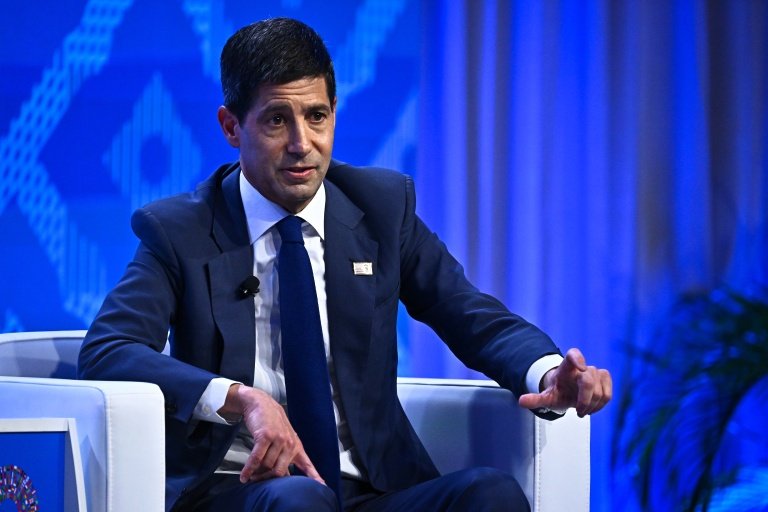
However, Federal Reserve Chair Kevin Warsh has emphasised that the central bank cannot ignore the possibility that an initial increase in energy prices could spread into broader inflation. Even when a price shock begins in one sector, businesses and workers may adjust their prices and wage demands in ways that keep inflation elevated after the original disruption has eased.
Speaking at the Federal Reserve’s September meeting, Warsh acknowledged that the central bank could not directly control individual prices, including those of oil and groceries. He said its responsibility was to prevent changes in relative prices from producing wider economic effects.
This distinction is central to the Federal Reserve’s strategy. Officials cannot determine global oil prices through interest-rate decisions, but they can attempt to influence domestic demand and inflation expectations. If households and businesses begin anticipating persistent price increases, inflation can become more entrenched, making it harder to return to the central bank’s target.
The coming decision will therefore depend on how policymakers assess the balance between immediate inflationary pressures and the potential economic costs of further tightening. A pause would allow officials to observe whether existing measures are sufficient, while leaving the possibility of future increases open.
For American households, the consequences extend beyond financial markets. Mortgage payments, credit-card balances, car loans and other borrowing costs are closely connected to interest-rate conditions, although the extent and timing of changes vary across products.
Higher rates can make it more expensive for first-time homebuyers to enter the property market and for businesses to finance expansion. At the same time, people with interest-bearing savings may receive better returns, depending on how financial institutions adjust their rates.
The political implications are also significant. The cost of living is expected to be one of the most important issues in the forthcoming midterm elections, with economic concerns featuring prominently in polling cited in the report. Voters’ experiences of inflation, employment opportunities and borrowing costs could influence how they assess the government’s economic management.
Nevertheless, the Federal Reserve’s mandate requires it to make monetary policy decisions based on economic conditions rather than electoral considerations. Its independence is intended to allow officials to pursue price stability over the longer term, even when decisions are politically unpopular.
The reported disagreement between Trump and the central bank illustrates the tension between demands for lower borrowing costs and the need to contain inflation. Lower rates can support spending and investment, but reducing them while inflation remains elevated could risk prolonging price pressures if demand strengthens too quickly.
Conversely, keeping rates high for an extended period could weaken economic activity and increase financial pressure on households and businesses. Policymakers must therefore consider both the risks of persistent inflation and the possibility that excessive tightening could undermine growth.
The latest meeting is unlikely to settle that debate. Instead, the decision will provide another indication of how the Federal Reserve intends to respond to a combination of energy market disruption, persistent price increases and uncertainty about the wider economic outlook.

If officials leave rates unchanged, attention will turn to their accompanying statements, economic projections and guidance on the possibility of further increases. Investors, businesses and consumers will be looking for evidence of whether policymakers believe inflation is becoming more persistent or whether the existing policy stance is sufficient.
Ultimately, the Federal Reserve faces a difficult task as the United States approaches a politically significant election period. Its immediate challenge is to prevent inflation from becoming entrenched while avoiding unnecessary damage to economic growth.
The expected pause would give officials additional time to evaluate the impact of previous rate increases and the evolving energy crisis. However, with inflation still above target and oil prices under pressure, the path ahead remains uncertain for borrowers, savers, investors and policymakers alike.
Related News:
 Trump Hardens Canada Trade Stance as Talks Stall
 Trump Eyes Major Belarus Fertiliser Deal Amid Canada Trade Dispute
 Saudi intercepts Houthi missiles as oil fears grow
 EU-China Talks Target Surge in Hybrid Car Imports
 France Faces Debt Crisis as Protests and Markets Clash
 US Awaits Iran Reply on New Ceasefire Proposal
 Reeves Fights to Keep Treasury Role Amid Labour Turmoil
 Firms on both sides fear damage from US-Canada trade war
 Dutch Bank Moves 86 Tonnes of Gold to London
 Oil nears $100 as Saudi attacks shake markets
 Trump Pledges $5,000 if Republicans Win Midterms
 US House Passes Russia Sanctions Bill Amid Debate
 Japan Raises Rates to 31-Year High
 Thinktank Calls for Abolition of UK State Pension
 MPs Defend UK Economic Watchdog Against Critics
 Iran Rejects Claims of Shift in US Talks
 Tony Blair Calls for Britain to Rejoin EU Within a Decade
 Why Americans Feel Ripped Off by Rising Prices
 Ukraine Faces $45m Hourly Cost From Missile Alerts
 French Debt Fears Put Euro Markets Under Pressure
 UK Diesel Reaches £2 as Inflation Surges Across Europe
 Minister Rejects Fears of UK Diesel Shortage
 Informa Agrees £2.24bn Deal to Buy Clarion
 IMF Warns Governments Over Rising Debt Burdens
 Tanker Attacked Near Qatar as Hormuz Tensions Escalate
 Ministers Push ATO to Reconsider Credit Card Ban
 Oil Shock Sends Markets Lower as Middle East Risks Grow
 Australia Delays Tax Credit Card Payment Ban After Backlash
 IFS Warns UK Budget Faces £35bn Spending Gap
 Hall and Woodford Win Nobel Economics Prize
 IMF Warns Global Economy Is Nearing Its Limits
 Brazil Court Scandal Threatens Lula as Bolsonaros Rise
IMF Raises UK Growth Forecast Ahead of Healey’s Budget
 Trump Rallies GOP as Senate Democrats Boost Key Races
 Business Chief Urges Burnham to Fix Brexit Damage
 UK Could Rejoin EU Through a Switzerland Plus Deal
 Trump Halts New Russia Sanctions Amid Ukraine Rift
 Cormann Warns Australia Against Populist Migration Caps
 Trump Fears Shock Democratic Senate Win in Kansas
UK Borrowing Hits £24.5bn Ahead of Healey’s Budget
 Trump Faces Voter Backlash Over Soaring Gas Prices
 China’s AI Ambitions Hit $2.4 Trillion Market Setback
 Trump Faces Crisis as Iran Reopens Hormuz Tensions
 Trump approval plunges amid Iran war fears
 Ohio’s Battle for Trust: Democrats Vying to Flip the Buckeye State
 Kevin Warsh sworn in as Fed chair amid economic backlash
 Hormuz Talks Near Critical Stage
 Trump Refuses to Sign Housing Bill, But Law Takes Effect
 Canada to Match Trump’s 50% Tariffs Dollar for Dollar
 Trump orders US to rename Lake Ontario ‘Lake America’
 Europe Faces Winter Gas Supply Anxiety
 Trump Calls Iran War ‘Small Potatoes’ Despite US Deaths
 Swedish Mining Push Puts Sami Land Rights Under Pressure
 Saudi Arabia Shuts Oil Pipeline After Drone Attack
 UK Pay Growth Slows to 3.9% as Rate Decision Nears
 Bank Urged to Slow Bond Sales as UK Costs Rise
 Trump Threatens EU With Tariffs Over Canada Proposal
 UK Retail Sales Rebound as Consumers Spend More
 Trump gives Xi red-carpet welcome as trade truce extends
 Chinese Hybrid Car Surge Raises EU Auto Industry Concerns
 Xi urges Trump to avoid US-China military conflict
 Lula accuses Trump of seeking control over Brazil
 Should Savers Lock Into 5.25% Fixed Rates?
 Burnham Opens Door to Possible UK Return to EU
 Poundland Rescue Bid Could Protect 11,000 Jobs
 UK house price growth slows as mortgage rates rise
 UK borrowing costs surge as global bond sell-off deepens
 UK Assures Public Over Diesel Supply
 DOJ Declines to Reopen Powell Renovation Probe
 South Korea Probes Fuel Shipments to Russia
 Tesco Raises Profit Forecast as Consumer Confidence Holds
 Trump’s Russian Diesel Deal Sparks Ukraine Fury
 Millions Face Tougher Medicaid Rules From January
 Healey Plans £1bn Online Marketplace Tax Crackdown
 Serbia Leader Linked to Controversial Trump Tower Plan
 UK Unemployment Falls to 4.7% as Vacancies Decline
 UK Inflation Hits 3.5% as Middle East War Drives Fuel Costs
 Tax Online Sales to Save High Street, Burnham Urged
 Labour MPs Urge Burnham to Lead UK Reindustrialisation
 Healey Set to Scrap Planned Cut to Cash ISA Allowance