A child has died after contracting measles in rural northern New York, marking the state’s first measles-related fatality in three decades and raising fresh concerns about declining vaccination rates across the United States. The death, confirmed by state officials on Monday, has renewed attention on the dangers of vaccine-preventable diseases and the growing challenges facing public health authorities as measles outbreaks spread across several parts of the country.
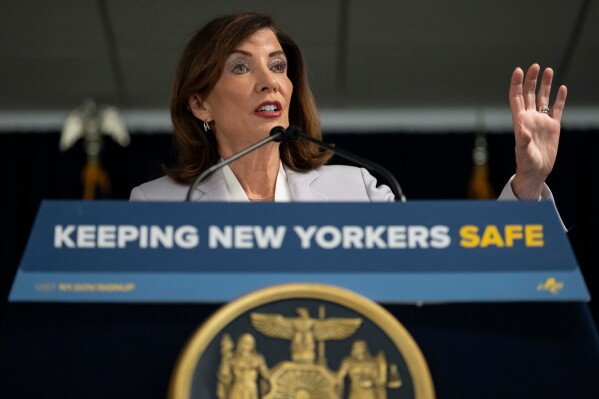
New York Governor Kathy Hochul announced that the child died in Lewis County, approximately 93 miles north of Syracuse. Expressing deep sorrow over the incident, Hochul described the death as a devastating development for the family and the wider community. She also warned that the tragedy demonstrated the consequences of weakening vaccination protections against diseases that can be prevented through established immunisation programmes.
In a statement, the governor said she was heartbroken to learn that a child in Lewis County had died after contracting measles. She emphasised that the state had not experienced a measles-related death for 30 years, describing the incident as a serious reminder of the importance of maintaining decades of progress in protecting Americans against preventable illnesses.

Hochul also criticised the federal government’s approach to immunisation, arguing that changes in national vaccination policy could undermine public confidence and weaken protections that have helped prevent the spread of infectious diseases. Her comments reflect growing political disagreements in the United States over childhood vaccination recommendations, public health responsibilities and the role of federal health authorities.
Measles is one of the most contagious viral diseases affecting humans. It spreads primarily through the air when an infected person breathes, coughs or sneezes. The virus can remain infectious in an enclosed environment for an extended period, making transmission possible even after an infected individual has left the area.
Initial symptoms commonly include high fever, cough, a runny nose and red, watery eyes. A characteristic rash generally develops several days after the first symptoms, often beginning on the face before spreading across the body. Although many patients recover, measles can cause serious complications, particularly among young children and people with weakened immune systems.
Potential complications include pneumonia, severe dehydration, brain inflammation and other life-threatening conditions. According to public health estimates cited in the reports, approximately one to three people die for every 1,000 measles cases. The risk is particularly concerning for children who are too young to receive routine vaccination or who have not developed sufficient protection against the virus.
The latest death has highlighted the importance of maintaining high vaccination coverage, particularly in communities where measles transmission can spread rapidly. Health experts have long emphasised that widespread immunisation protects not only vaccinated individuals but also vulnerable people who cannot receive certain vaccines for medical reasons.
The United States declared that domestic measles transmission had been eliminated in 2000 following years of successful vaccination programmes and sustained public health efforts. However, elimination did not mean that the virus had disappeared permanently. Imported infections could still occur, and outbreaks remained possible whenever the disease entered communities with insufficient vaccination coverage.
Public health authorities generally identify approximately 95 per cent vaccination coverage as the level needed to maintain community protection against measles. When immunisation rates fall below that threshold, the likelihood of outbreaks increases, particularly in areas where groups of unvaccinated individuals live close to one another.
In recent years, vaccination coverage across the United States has declined in several communities. The reduction has created additional opportunities for measles to spread, raising concerns among doctors, epidemiologists and public health officials. The situation has become increasingly difficult as misinformation, vaccine hesitancy and disagreements over immunisation policies have influenced public attitudes.
The latest national figures indicate the scale of the growing problem. The Centers for Disease Control and Prevention reported 4,588 measles cases across the United States in 2026 as of late October. That figure was more than twice the number recorded during the whole of 2025, demonstrating a significant deterioration in the country’s measles situation.
The federal health agency had confirmed three measles-associated deaths during the year, although state health departments reported higher figures. Pennsylvania authorities, for example, reported six deaths from the disease in 2026, highlighting differences between national and state-level reporting.
Pennsylvania has also emerged as one of the country’s major measles hotspots. The state reported 1,338 cases as of the same late-October reporting period, making it a particularly important centre of the outbreak. Large outbreaks have also been reported in South Carolina and Utah, where case numbers have exceeded 500 in each state.
These figures have placed additional pressure on healthcare providers and local health departments. Hospitals and medical professionals must remain prepared to identify suspected infections, manage complications and prevent further transmission. Public health teams also need to monitor exposed individuals, provide accurate information and encourage eligible residents to receive recommended vaccinations.
New York had already taken emergency measures before the latest fatality. In early October, Governor Hochul declared a disaster emergency in response to measles cases in neighbouring states and rural parts of New York. The decision was intended to strengthen the state’s ability to respond to the growing public health threat.
The emergency order expanded the number of healthcare professionals authorised to administer measles vaccinations. Paramedics, midwives and other qualified personnel were included in the wider vaccination effort, allowing more people to access immunisation services. The order also enabled nurses to join doctors in ordering diagnostic tests, helping improve the speed and reach of disease detection.
The measures reflected concerns that traditional healthcare arrangements might not be sufficient to respond quickly to a growing outbreak. In rural communities, residents can face additional difficulties accessing medical facilities because of geographical distance, limited healthcare resources and shortages of medical personnel. Expanding vaccination and testing capacity can therefore play an important role in preventing further transmission.
However, the emergency response has also drawn attention to wider national disagreements over vaccination policy. Robert F Kennedy Jr, the US Secretary of Health and Human Services, has faced criticism over his public comments concerning certain vaccines and his approach to childhood immunisation.
Kennedy has been a controversial figure in the American public health debate because of his previous statements questioning aspects of established vaccination policy. His leadership has also coincided with significant changes to federal immunisation recommendations, including a reduction in the number of childhood vaccination recommendations.
Critics argue that reducing established vaccination guidance could create confusion among parents and weaken public confidence in routine immunisation. They have warned that changes to recommendations must be based on strong scientific evidence and communicated clearly to healthcare professionals and families.
Supporters of reviewing federal vaccination policy may argue that public health recommendations should be regularly assessed. However, medical professionals continue to emphasise that the measles, mumps and rubella vaccine is a highly effective tool for preventing measles and reducing the risk of severe illness.
The New York fatality has brought these disagreements into sharper focus. For families, the consequences of an outbreak are not simply a matter of political debate or public policy. They involve the health and safety of children, the emotional burden on parents and the possibility of losing loved ones to an illness that routine vaccination can largely prevent.
The tragedy in Lewis County is also likely to increase pressure on state and federal authorities to strengthen disease surveillance, improve access to vaccination and communicate more effectively with communities where immunisation rates have declined. Healthcare providers may need to intensify outreach programmes, particularly in rural areas and communities with limited access to medical services.

Parents and caregivers are being reminded of the importance of discussing vaccination schedules with qualified healthcare professionals. The standard measles, mumps and rubella vaccination programme provides strong protection, with two doses offering approximately 97 per cent protection against measles. Maintaining recommended immunisation coverage remains essential to protecting children and limiting community transmission.
The death of the child in New York represents a deeply painful moment for the affected family and a serious warning for public health authorities. After three decades without a measles-related fatality in the state, the return of such a tragedy highlights how quickly progress against infectious diseases can be threatened when vaccination coverage weakens.
As measles cases continue to rise across the United States, the challenge facing officials is no longer limited to controlling individual outbreaks. It also involves restoring public confidence in vaccination, protecting vulnerable communities and ensuring that preventable diseases do not once again become a major cause of childhood illness and death. The latest incident has made one message particularly clear: sustained immunisation and effective public health action remain essential to preventing further tragedies.
Related News:
 WHO Seeks Russia Answers Over Suspected Plague Death
 Controversial Vaccine Trial Approved in Guinea-Bissau
 Australian Advocates Seek Subsidised Drugs for PMOS
 Millions Face Tougher Medicaid Rules From January
 Climate Change Makes Tap Water Unsafe in Arctic Norway
 Nigeria Confirms Ebola Case as Regional Outbreak Spreads
 Democrats Court Maha Voters as Trump Alliance Frays
 US Clears Nvidia AI Chip Sales to China in Policy Shift
 Canadian astronaut French words ease language row
 Chornobyl Still at Risk 40 Years After Disaster
 RAF Typhoons scrambled amid Russian drone threat near Nato
 Giuliani hospitalised in critical condition
 US Court Restores Abortion Pill Access Temporarily
 Florida Surgeon ‘Devastated’ Over Fatal Surgery Error
 FDA Chaos Deepens as Trump Eyes Makary Exit
 Ebola outbreak in DRC overwhelms health system as cases surge
 Trump’s Revenge Drive Deepens GOP Divide
 Pope Meets Families in Italy Toxic Waste Zone
 Mystery Grows Over Mitch McConnell’s Health
 Weight-Loss Drugs Offer Food Savings Mainly to High Earners
 Is America Ready for an AOC Presidential Run?
 Australia gives users control over social media algorithms
 Patrick Clancy speaks publicly about children’s deaths
 Tropics May Wait Longest for Net-Zero Climate Benefits
 AI Takes Centre Stage in Trump-Xi Talks
 Super El Niño Threatens Hundreds of Thousands of Lives
 Trump gives Xi red-carpet welcome as trade truce extends
 Xi urges Trump to avoid US-China military conflict
 AI Deepfakes Put New Pressure on Election Trust
 Food Industry Mobilises Against the MAHA Movement
 Banned Health Coach Faces UK Events Criticism
 Families Await USS Abraham Lincoln Homecoming
 Latin America women fear rollback of rights
 WHO Says Russia Plague Epidemic Risk Remains Low
 Sardinia Village Emerges as Longevity Hotspot
 Teenager Receives UK’s First Testicular Tissue Transplant
 South Sudan Trauma Wards Struggle as Fighting Intensifies
 USS Lincoln Ends Record 265-Day Deployment
 UK Pharmacy Body Drops Teva After Ethical Concerns
 Bolsonaro Gains Key Endorsement Ahead of Brazil Runoff
 Panama Hit by Powerful 7.7-Magnitude Earthquake
 Trump Attacks Norway After Nobel Peace Prize Snub
 Trump Names Katie Zacharia as Next White House Spokesperson
 Trump Names Katie Zachariah as Next White House Press Secretary
 Ten US Midterm Races That Could Defy Expectations
 Ohio Airports Become Key Hubs for ICE Deportation Flights
 Ukraine Combat Units Face Sudden Starlink Restrictions
 US Report Exposes Scale of Dating App Scams
 Brazil Cuts Working Week to 40 Hours in Lula Election Boost
 Indonesia Tests Dry Ice as Toxic Haze Spreads Across Asia
 Talarico Faces Tough Voter Test in Texas Senate Race
 Trump Slams Ukraine Strikes as Russia Ceasefire Collapses
 One Nation Pledges $2,000 Baby Subsidy in Victoria
 Obama Warns Against Threat to Ilhan Omar’s Citizenship
 Zelenskyy Says US Failed to Warn Kyiv of Russian Strikes
 Meta Faces Election Bias Claims Ahead of Brazil Runoff
 Helen Haines Loses Both Legs After Alleged Attack
 Trump, Musk, and Zelenskyy Trade Blame Over Ukraine Starshield Access
 Lula Supporters Make Final Push Ahead of Brazil Runoff
 Rubio Urges Cubans to Seize Moment for Change
 Vance Steps Up Midterm Role Amid 2028 Questions
 US Midterms Could Reshape Trump’s Second Term
 US Bans BYD Vehicles at Japan Military Base
 Melting Dolomites Glaciers Reveal 250 WWI Explosives
 Trump’s Midterm Campaign Faces Racism and Political Backlash
 Obama Mocks Trump at Georgia Rally for Democrats
 Global Crises Test Diplomacy as Trump’s Policies Face Scrutiny
 Australia Faces Growing Scrutiny Over Paraquat Risks
 UK Weighs Tougher Firework Rules Over Animal Welfare
 NHS Rolls Out Child Illness Warning System Across England
 The Kill Line: A Shifting Vision of the American Dream
 ‘Drinking from a Fetid Pond’: Superbug Genes in Lough Neagh
 Maldives Cave Diving Tragedy Raises Safety Alarm
 England and Norway Fans Turn Miami Into World Cup Carnival
 Olympus Awaits Unesco Heritage Recognition
 British Columbia Sues OpenAI Over School Shooting
 London Facial Recognition Trial Ends With False Alert
 Trump’s Russian Diesel Deal Sparks Ukraine Fury
 Elizabeth Struhs Inquest Examines Child Safety Failures
 UK Visa Refusal Threatens Baby’s Family Christmas