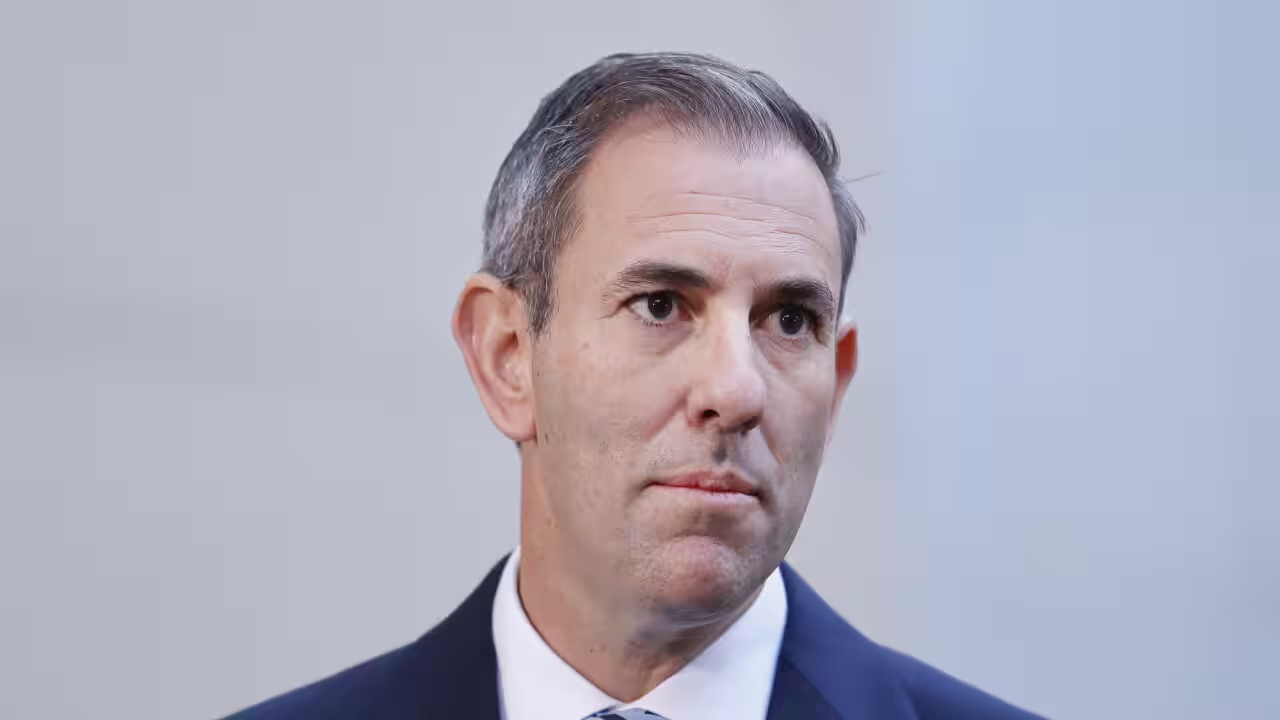
Australia’s environment minister, Murray Watt, has urged colleagues within the governing Labor Party to stop undermining Treasurer Jim Chalmers as the government faces mounting pressure over economic management, declining public support and plans to reduce federal spending. His intervention comes amid speculation about tensions between Chalmers and Prime Minister Anthony Albanese, as senior ministers consider potentially unpopular budget savings, including changes to clean energy subsidies.
The dispute has emerged at a difficult moment for the Australian government. Rising economic pressures, repeated interest rate increases and weakening opinion poll results have intensified scrutiny of Labor’s financial decisions. With the next mid-year budget update expected in December, ministers are working to identify areas where spending can be reduced without creating further political difficulties.
Cabinet’s expenditure review committee met on Monday to discuss possible savings. The meeting followed last week’s decision by the Reserve Bank of Australia to increase interest rates for the fifth time, adding to concerns among households and businesses already dealing with higher borrowing costs and living expenses.

Watt used a public appearance to express support for Chalmers, responding to questions about reports of disagreements within the government and whether he wanted an end to criticism and leaks directed at the treasurer. He said he did, emphasising that ministers had a responsibility to work together and support government policies, particularly during challenging economic conditions.
Watt described Chalmers as an excellent treasurer who was working under difficult circumstances. He argued that several factors affecting Australia’s economy were beyond the direct control of any finance minister and said he strongly supported Chalmers’ efforts to manage the situation.
However, the environment minister also acknowledged that the treasurer was facing criticism from within his own political ranks. Referring to the speculation surrounding internal disagreements, Watt said it was obvious that various people were making different comments. His remarks highlighted growing concern that public disputes among senior Labor figures could weaken confidence in the government’s economic leadership.
The political pressure has been reinforced by fresh opinion polls showing a decline in Labor’s primary vote. The Resolve Political Monitor, published in The Age and the Sydney Morning Herald, placed Labor’s support at 28%, a substantial fall from the 34.6% it received at the previous federal election.
The Coalition also experienced a decline, losing one percentage point to reach 22%. One Nation, meanwhile, remained steady at 25%, putting it ahead of both major political groupings in the primary vote measure.
A separate Redbridge poll published by the Australian Financial Review showed a similarly difficult picture for Labor. Its primary vote fell two percentage points to 26%, while the Coalition increased four points to 25%. One Nation recorded 28%, down one point but still ahead of the two major parties.
Although primary vote figures do not directly determine the final election result, the surveys indicate that Labor is struggling to maintain its electoral support. One Nation’s continued strength also suggests that dissatisfaction with established political parties is creating opportunities for minor parties to attract voters.
For Albanese and Chalmers, the challenge is to demonstrate that the government can respond effectively to economic pressures while maintaining public confidence in its broader policy agenda. Internal disagreements over spending priorities could make that task more difficult, particularly as ministers prepare to announce savings that may affect programmes popular with households.
The latest budget discussions are closely linked to the Reserve Bank’s efforts to control inflation. Governor Michele Bullock has said governments must manage their budgets independently of monetary policy decisions. However, she has also warned that public and private spending has contributed to excess demand in the economy, adding pressure to inflation.
Higher interest rates are intended to moderate demand by increasing borrowing costs and encouraging households and businesses to spend more cautiously. But the consequences can be difficult for mortgage holders, small businesses and families managing everyday expenses. The government’s spending decisions are therefore being examined not only for their financial impact but also for their potential effect on inflation and household confidence.
Watt has criticised the opposition and minor parties for demanding additional government savings while preventing certain proposed measures from passing through parliament. He pointed to changes to the private health insurance rebate for people aged over 65, arguing that the Coalition was blocking savings worth approximately A$10 billion.
According to Watt, the opposition’s position was inconsistent with its demands for the government to reduce expenditure. He argued that Labor was being asked to identify further savings while existing proposals intended to reduce public spending remained stalled in parliament.
The government is also examining the size and cost of the federal public service. Albanese has confirmed that departments and agencies will face scrutiny as part of the budget review. The process is expected to identify programmes and administrative expenses that could be reduced or redirected towards higher-priority areas.
The approach follows a similar exercise last year, when government departments and agencies were asked to identify potential savings of up to 5% from their annual budgets. The latest review could extend that pressure as ministers seek to demonstrate fiscal discipline and respond to concerns about government spending.
Some of the most politically sensitive proposals involve programmes designed to support Australia’s transition towards cleaner energy. The government’s A$7 billion home battery subsidy programme and incentives for electric vehicle purchases could face reductions or tighter eligibility requirements.
The home battery scheme was announced in April 2025 and was initially expected to cost approximately A$2 billion. Its popularity has been considerable, with more than 600,000 systems installed. The rapid expansion, however, has raised questions about the programme’s long-term financial cost and whether the original funding arrangements remain sustainable.
One possible change under consideration is the introduction of means testing. Such a measure could restrict access to subsidies based on household income or financial circumstances, potentially directing public support towards families considered most in need.
Any change would create a difficult political balancing act. Home battery incentives have been promoted as a way to encourage household investment in energy storage, support renewable electricity and reduce pressure on the wider power system. Tightening the programme could help limit public expenditure, but it could also disappoint households that expected to benefit from the existing arrangements.
Electric vehicle incentives are facing similar scrutiny. Subsidies introduced to encourage consumers to purchase electric vehicles have cost the federal budget more than originally anticipated. The government must now consider whether the financial benefits of encouraging cleaner transport justify the level of public support being provided.
Reducing those incentives could save money in the short term but may slow the adoption of electric vehicles at a time when Australia is seeking to reduce transport emissions and expand its clean energy transition. Ministers will therefore need to weigh fiscal considerations against environmental and industrial objectives.
The debate also comes as the opposition seeks to strengthen its economic message. On Monday, Angus Taylor announced the establishment of an opposition initiative described as a red tape reduction group, intended to identify regulations that impose unnecessary costs and administrative burdens on businesses.
The proposal reflects the Coalition’s attempt to present itself as a party focused on economic efficiency, private-sector activity and reducing the regulatory demands placed on companies. It also provides the opposition with an opportunity to criticise the government’s approach to spending and economic management.

For Labor, the immediate challenge is to prepare a credible budget update while preventing disagreements from damaging its public standing. Chalmers must balance the need to reduce spending with the government’s commitments on energy, household support and public services. At the same time, Albanese faces the task of maintaining unity among ministers and ensuring that the government’s economic message remains consistent.
Watt’s public defence of the treasurer indicates that some senior ministers recognise the risks of allowing internal criticism to dominate the political debate. Whether his intervention will ease tensions remains uncertain, particularly as difficult decisions about subsidies and government expenditure move closer.
The December budget update is expected to provide a clearer picture of the government’s priorities. Its decisions could affect households, businesses, energy consumers and public services, while also shaping the political debate over Labor’s economic record. With public support under pressure and economic challenges continuing, the government’s ability to present a united position may prove almost as important as the savings it ultimately delivers.
Related News:
 Australia Rejects Russian Fuel as Trump Strikes Deal
 Cormann Warns Australia Against Populist Migration Caps
 Australia Raises Interest Rates to 18-Year High
 Capitalism ‘Suicidal’, Warns Petro at Climate Summit
 Norway Doubles Down on Oil and Gas for Europe Energy Security
 Reeves Fights to Keep Treasury Role Amid Labour Turmoil
 Trump Pledges $5,000 if Republicans Win Midterms
 Tony Blair Calls for Britain to Rejoin EU Within a Decade
 Saudi intercepts Houthi missiles as oil fears grow
 EU-China Talks Target Surge in Hybrid Car Imports
 NSW Leader Downplays Impact of Landmark Coal Ruling
 Ministers Push ATO to Reconsider Credit Card Ban
 Australia Delays Tax Credit Card Payment Ban After Backlash
 France Faces Debt Crisis as Protests and Markets Clash
 Hanson Attacks Taylor as Australian Conservatives Clash
 Brazil Court Scandal Threatens Lula as Bolsonaros Rise
 Trump Rallies GOP as Senate Democrats Boost Key Races
 Trump Halts New Russia Sanctions Amid Ukraine Rift
 Australian Mortgages Now Cheaper Than Rent in Some Suburbs
 Trump Fears Shock Democratic Senate Win in Kansas
 Alberta Voters Reject Push for Canadian Independence
 UN Warns World Must Cut Emissions by 18% by 2030
 Jim Chalmers Navigates Hard Economic Choices as Inflation
 Fed Expected to Hold Rates Steady Ahead of US Midterms
 Albanese Faces Labor Pressure as Inflation Hits 4.3%
 Global Crises Test Diplomacy as Trump’s Policies Face Scrutiny
 G20 Photo Cancelled as Russia Deepens Western Rift
 Rate Rise Threatens Australian Jobs and Businesses
 Denmark Seeks EU-Wide Ban on Fast-Growing Turbo Chickens
 Inquiry Calls for Australia to Scrap AUKUS Submarine Deal
 Paraguay President Quits After Major Bank Collapse
 Zelenskyy Seeks Urgent Help as Russia Hits Ukraine’s Power Grid
 Paraguay President Impeached and Arrested After Banking Crisis
 Qatar Pushes Iran Deal to Reopen Strait of Hormuz
 New Zealand’s Opportunity Party Challenges Populist Politics
 Victorian Labor Faces Election Crisis as Poll Slumps to 18%
 Canada Passes Carney’s First Budget in Tight Parliamentary Vote
 Trump to Deploy “God Squad” Over Gulf Wildlife Protections
 Oil Prices Surge Above $120 Amid Iran Blockade Fears
 $13bn World Cup Set to Break All Revenue Records
 Trump approval plunges amid Iran war fears
 US Awaits Iran Reply on New Ceasefire Proposal
 Ukraine Creates Long-Range Strike Command
 Burnham unveils £65m drought aid for farmers
 Trump Hardens Canada Trade Stance as Talks Stall
 Trump Calls Iran War ‘Small Potatoes’ Despite US Deaths
 UK Subsidence Claims Surge After Record-Breaking Summer
 Swedish Mining Push Puts Sami Land Rights Under Pressure
 UK plans tougher Israel stance with settlement trade ban
 North Sea Firms Urge Early End to Windfall Tax
 Trump Threatens EU With Tariffs Over Canada Proposal
 Australia Renewables Reach Record 80% Grid Demand
 MPs Defend UK Economic Watchdog Against Critics
 Chinese Hybrid Car Surge Raises EU Auto Industry Concerns
 Xi urges Trump to avoid US-China military conflict
 Lula accuses Trump of seeking control over Brazil
 Burnham Opens Door to Possible UK Return to EU
 French Debt Fears Put Euro Markets Under Pressure
 UK Diesel Reaches £2 as Inflation Surges Across Europe
 Argentina Protesters Resist Milei’s Land Sale Drive
 IMF Warns Governments Over Rising Debt Burdens
 South Korea Probes Fuel Shipments to Russia
 Houthi Missile Claim Sparks Riyadh Airport Disruption
 Trump’s Russian Diesel Deal Sparks Ukraine Fury
 Hall and Woodford Win Nobel Economics Prize
 IMF Warns Global Economy Is Nearing Its Limits
 Serbia Leader Linked to Controversial Trump Tower Plan
 UK Could Rejoin EU Through a Switzerland Plus Deal
 Brexit Debate Returns as UK Voters Reconsider EU Exit
 Japan’s Takaichi Faces a Crucial Second Year in Power
 UK Borrowing Hits £24.5bn Ahead of Healey’s Budget
 Tax Online Sales to Save High Street, Burnham Urged
 Greens Face Leadership Test as Jordon Steele-John Misconduct Claims Leave Party in Limbo
 Labour MPs Urge Burnham to Lead UK Reindustrialisation
 China’s AI Ambitions Hit $2.4 Trillion Market Setback
 UK Land Registry Plan Faces Opposition From Landowners
 UK Chancellor Moves to Scrap Gas Standing Charges
 Trump’s Global Policies Put Republicans at Risk
 Australia Faces Deeper Economic Slowdown
 James Talarico Makes History with Texas Senate Victory