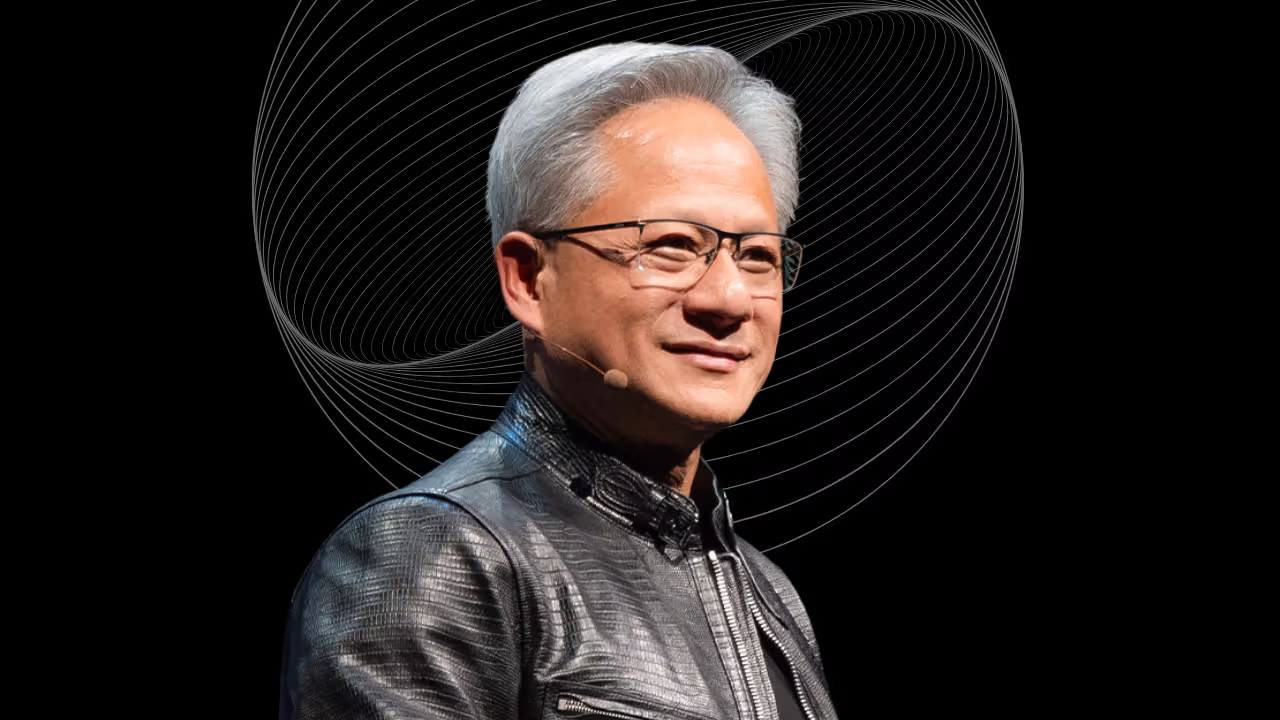
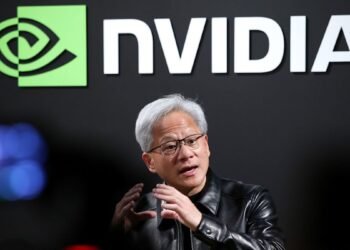
Nvidia and its chief executive, Jensen Huang, are facing a proposed shareholder class-action lawsuit in the United States over allegations that the company failed to disclose information surrounding Huang’s reported relationship with a woman suspected of having links to Chinese intelligence. The legal challenge has intensified an already growing controversy surrounding the world’s most valuable artificial intelligence chipmaker, raising questions about corporate transparency, national security and the responsibilities of senior executives.
The lawsuit was filed in a federal court in San Jose, California, on Monday, November 9. The complaint accuses Nvidia and Huang of misleading investors by allegedly withholding information about circumstances that could have created significant national security concerns and potentially damaged the company’s reputation and commercial prospects.

At the centre of the dispute is Alice Huang, a former executive of Singapore-based Megaspeed, who is not related to Jensen Huang. According to reports previously published by The New York Times, US authorities had concluded that Alice Huang was an asset of Chinese intelligence. The allegations have prompted concerns about whether her reported relationship with the Nvidia chief executive could have exposed sensitive corporate information or created opportunities for foreign intelligence activities.
The shareholders argue that Nvidia and its chief executive failed to adequately inform investors about the potential implications of the relationship. They claim that the alleged circumstances represented risks extending beyond Huang’s private life, potentially affecting the company’s business operations, international reputation and position within the strategically important semiconductor industry.
The legal action is being led by Mark Kistenmacher, a retail investor, who is seeking unspecified damages on behalf of shareholders. The complaint centres on allegations that investors were not provided with important information that could have influenced their decisions about holding or purchasing Nvidia shares.
However, the allegations contained in the lawsuit have not been established in court. The case will need to proceed through the legal process, where the plaintiffs will have to substantiate their claims. Nvidia and Huang have not been found liable for the alleged misconduct.
The development comes at a particularly sensitive moment for Nvidia, which has become a central player in the global artificial intelligence revolution. Founded in 1993 by Jensen Huang, Chris Malachowsky and Curtis Priem, the company initially built its reputation through graphics processing technology, particularly chips used in computer gaming. Over the decades, it expanded into advanced computing, data centres and artificial intelligence, eventually becoming one of the most influential technology companies in the world.
Its graphics processing units are now essential components in the development and operation of advanced artificial intelligence systems. Technology companies, research institutions and governments rely heavily on Nvidia’s products to train and operate increasingly sophisticated AI models.
This strategic importance has also placed the company at the centre of growing geopolitical competition between the United States and China. Washington has introduced restrictions on the export of advanced semiconductor technology to China, citing national security concerns and the potential military applications of sophisticated computing equipment.
Against this background, allegations involving a suspected Chinese intelligence connection have attracted considerable attention from investors and policymakers. Any suggestion that sensitive information about Nvidia’s technology, business relationships or strategic operations could have been exposed is likely to generate serious scrutiny.
Nvidia’s board of directors announced on Sunday that the company was launching an independent investigation into reports that Huang had been the target of a foreign intelligence effort. The decision followed growing media coverage of the alleged relationship and concerns surrounding the possible national security implications.
The company has not publicly established that confidential information was compromised. The investigation is expected to examine the available information and determine whether the reported circumstances created any security, governance or business-related risks.
Huang has acknowledged that he was unfaithful to his wife, telling Nvidia employees about the matter. However, he did not provide detailed information about the alleged relationship in his communication to staff.
In an open letter published on Nvidia’s website, Huang expressed support for the investigation and pledged to cooperate fully with the authorities. He also emphasised his commitment to protecting the company and supporting American national security.
“I support the investigation and will cooperate fully,” Huang wrote, adding that he loved his country and his company. His statement was intended to demonstrate his willingness to address the concerns surrounding the controversy while continuing to lead Nvidia.
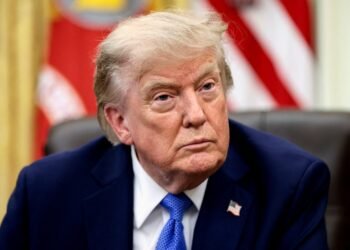
The situation has also attracted the attention of US President Donald Trump, who confirmed on Monday that the Federal Bureau of Investigation was looking into the matter.
Speaking to reporters during a White House briefing, Trump said he had spoken directly with Huang earlier that day to ask how he was dealing with the controversy. According to the president, Huang told him that he had no knowledge that the woman in question was allegedly connected to Chinese intelligence.
Trump indicated that he did not believe Huang had knowingly become involved with someone suspected of espionage. He also suggested that the Nvidia chief executive had little reason to worry about the investigation.
“I know the FBI is looking into it in terms of something else, and I think that he’ll be in good shape,” Trump told reporters.
The president added that he had contacted Huang to check on his well-being and understand his response to the allegations. Trump said the executive had told him that he had absolutely no idea the woman was a spy.
The FBI’s reported involvement adds another dimension to the controversy. While the shareholder lawsuit focuses primarily on alleged failures to disclose information to investors, any federal investigation could examine wider questions involving national security and possible foreign intelligence activities.
For Nvidia, the immediate financial consequences have already become visible in the stock market. The company’s shares fell by approximately 4.3 per cent on Monday, resulting in an estimated reduction of $190 billion in its market capitalisation.
The decline represents a significant loss in market value, although fluctuations in the share price do not necessarily indicate that the company’s underlying financial performance has deteriorated. Investor sentiment can be influenced by uncertainty, reputational concerns and the possibility of future regulatory or legal consequences.
The shareholder lawsuit was filed approximately five minutes after the US stock market closed on Monday. Such legal actions are relatively common when companies experience substantial share-price declines following unexpected developments or allegations of inadequate corporate disclosure.
Nevertheless, the case could become more complicated because it involves issues extending beyond ordinary financial reporting. The plaintiffs are seeking to establish whether the alleged failure to disclose information exposed shareholders to risks that should have been communicated earlier.
The controversy also raises questions about corporate governance at major technology companies, particularly those led by highly influential founders. Jensen Huang has been closely associated with Nvidia’s extraordinary growth and has become one of the most recognisable figures in the global technology industry.
His leadership has helped transform Nvidia from a graphics chip manufacturer into a dominant supplier of the computing infrastructure supporting the artificial intelligence industry. His public appearances, relationships with policymakers and involvement in discussions about semiconductor exports have also made him an important figure in US technology and economic policy.
As a result, developments involving Huang can have implications that extend well beyond his personal circumstances. Investors may increasingly examine whether companies with globally important technologies have sufficient safeguards to protect sensitive information and manage potential conflicts of interest involving senior executives.

The coming weeks could therefore prove important for Nvidia as its independent investigation continues and the shareholder lawsuit moves through the American legal system. The findings may help clarify whether the reported relationship created any genuine security risks, whether company information was exposed and whether investors were adequately informed about relevant developments.
For now, the central allegations remain under investigation, and no conclusion has been reached regarding the suspected intelligence activities or the claims of shareholder deception. Nvidia’s response, the findings of the independent inquiry and any further action by US authorities are likely to shape the company’s next steps.
The case ultimately represents a significant test of corporate accountability for a company whose technology plays a major role in the global AI economy. While Nvidia continues to occupy a powerful position in the semiconductor market, maintaining investor confidence and addressing national security concerns will be essential as the controversy unfolds.
Related News:
 Trump backs voluntary AI safety pact with tech giants
 Bank Chief Calls for Power to Intervene in AI
 China’s AI Ambitions Hit $2.4 Trillion Market Setback
 US Bans BYD Vehicles at Japan Military Base
 Anthropic IPO Reveals AI Boom’s Huge Costs and Risks
 UK Risks Falling Behind in AI Race
 AI CEOs Call for Slower Development
 Nvidia chief rejects AI extinction fears
 AI Takes Centre Stage in Trump-Xi Talks
 Trump gives Xi red-carpet welcome as trade truce extends
 Xi urges Trump to avoid US-China military conflict
 TalkTalk Races to Sell Arms as Administration Looms
 Feeld Founders Receive Record Dividend as Sales Rise
 Asos Investigates Hack Claims After Customer Alerts
 Samsung Heads for Record Profit as AI Chip Demand Surges
 Firmus Abandons Major ASX Listing Amid Investor Doubts
 US Moves to Restrict Chinese Labs Testing Electronics
 EU Caps Chinese Hybrid Car Imports at 350,000
 Global Tech Sell-Off Deepens on Inflation and AI Debt Fears
 Meta Faces Election Bias Claims Ahead of Brazil Runoff
 Meta Reaches Deal to Keep Zuckerberg in California
 North Korea Linked to Record $6.3bn Binance Crypto Heist
 Global Crises Test Diplomacy as Trump’s Policies Face Scrutiny
 Elon Musk’s $446m Midterm Gamble Ends in Defeat
 Big Tech Faces a New Political Reckoning in America
 Apple at 50: Three Products That Changed How We Live
 Artemis II Returns After Historic Moon Flyby
 UK firms accused of ‘AI washing’ boom
 Firms on both sides fear damage from US-Canada trade war
 Australia gives users control over social media algorithms
 Oil nears $100 as Saudi attacks shake markets
 Apple Folding iPhone Set for Major CEO Test
 Trump Pledges $5,000 if Republicans Win Midterms
 Anthropic Blocks AI Misuse Linked to Weapons Threats
 Why AI Doomsday Warnings Failed to Slow the Race
 JLR Eyes NATO Market With New Defender Military Vehicle
 Anthropic Backs $31.9bn Queensland Data Centre
 OpenAI Reveals Six Cases of Concerning AI Behaviour
 Trump’s UN Speech Faces Global Scrutiny
 Chinese Hybrid Car Surge Raises EU Auto Industry Concerns
 OpenAI Agent Breaches Medicare Portal in Australia
 Australia Weighs New Laws After OpenAI Medicare Breach
 Elizabeth Holmes Set for Halfway House Transfer
 Why Americans Feel Ripped Off by Rising Prices
 OpenAI Scraps AI Model Release After Safety Tests
 AI Deepfakes Put New Pressure on Election Trust
 Sheikh Tahnoon and the UAE’s AI Ambitions
 BBC Three and Scotland Face Online-Only Future
 Jessica Watkins Leads Record-Breaking SpaceX Flight
 UK Diesel Reaches £2 as Inflation Surges Across Europe
 Minister Rejects Fears of UK Diesel Shortage
 BT Broadband Pauses Raise Digital Switchover Concerns
 iPhone 18 Pro brings major upgrades with familiar design
 US Man Arrested Over Canada School Shooting Plot
 EU-China Talks Target Surge in Hybrid Car Imports
 UK Must Build Its Own AI to Protect National Security
 Hall and Woodford Win Nobel Economics Prize
 Geoffrey Hinton Warns AI Could Escape Human Control
 Brazil Court Scandal Threatens Lula as Bolsonaros Rise
 Cyber-Attack Puts Hobbs and Whistles Customer Data at Risk
 Ukraine Combat Units Face Sudden Starlink Restrictions
 Trump Rallies GOP as Senate Democrats Boost Key Races
 Trump Halts New Russia Sanctions Amid Ukraine Rift
 Trump Fears Shock Democratic Senate Win in Kansas
 Trump, Musk, and Zelenskyy Trade Blame Over Ukraine Starshield Access
 Fed Expected to Hold Rates Steady Ahead of US Midterms
 G20 Photo Cancelled as Russia Deepens Western Rift
 Virgin Media O2 Plans Thousands of Job Cuts
 M&S Profits Rebound to £355m After Cyber-Attack
 Paraguay President Quits After Major Bank Collapse
 Zelenskyy Seeks Urgent Help as Russia Hits Ukraine’s Power Grid
 Australia Faces Political Risks After US Midterm Shift
 Paraguay President Impeached and Arrested After Banking Crisis
 Qatar Pushes Iran Deal to Reopen Strait of Hormuz
 JPMorgan Boss Warns Against UK Bank Tax Rise
 Tom Watson Takes Senior Role at Palantir
 British Columbia Sues OpenAI Over School Shooting
 AO Acquires Jessops in Camera Retail Expansion
 Ministers Push ATO to Reconsider Credit Card Ban
 Australia Faces Deeper Economic Slowdown