Published: 01 April 2026. The English Chronicle Desk. The English Chronicle Online.
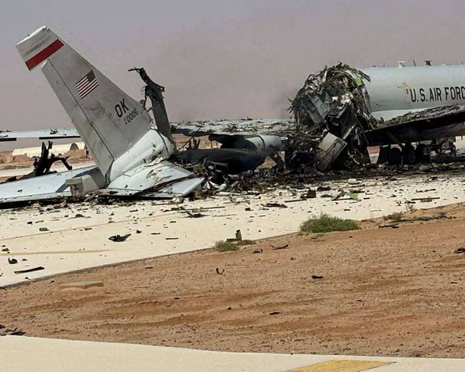
The recent destruction of a sophisticated American surveillance aircraft has sent shockwaves through global military circles this week. An Iranian missile strike targeted the Prince Sultan Airbase located deep within the borders of Saudi Arabia. This bold operation resulted in the total loss of a vital E-3 Sentry aircraft. Such an event raises urgent questions regarding the current safety of Western military assets abroad. Many analysts now wonder how a critical radar plane was left so vulnerable to attack. The strike demonstrates a level of precision that many Western officials did not previously expect. It appears that Iranian forces have refined their targeting capabilities despite ongoing regional aerial pressure. This incident marks a significant escalation in the long-standing tensions throughout the Middle East.
The E-3 Sentry is widely known as the eyes and ears of modern airpower. These massive planes carry a distinctive rotating radar dome mounted high above the rear fuselage. They first entered production during the late sixties to provide early warning for threats. Today they remain essential for monitoring communications and tracking complex troop movements on the ground. Only sixteen of these specific operational airframes remain in the current United States inventory. Losing even one represents a massive blow to the surveillance capacity of the fleet. The aircraft are responsible for managing the battle space and identifying incoming enemy missile threats. Without these planes, fighter pilots lose a crucial layer of protection during active combat. The loss of such an asset creates a dangerous gap in regional intelligence gathering.

Images emerging from the Saudi airbase reveal the devastating precision of the Iranian strike. The missile reportedly hit the radar dome of the aircraft with incredible tactical accuracy. This specific point of impact suggests that the attackers possessed high-quality targeting coordinates. Several in-flight refuelling tankers parked nearby also sustained various levels of heavy shrapnel damage. A number of American servicemen were injured during the chaotic explosion on the tarmac. These soldiers are currently receiving medical treatment at a nearby military hospital facility. The attack occurred on the twenty-seventh of March during a period of high alert. It follows a month of intense air raids conducted by United States forces. Despite these efforts to degrade Iranian capabilities, Tehran has proven it can strike.
Ukrainian President Volodymyr Zelenskyy has offered startling insights into the lead-up to the attack. He claimed that Ukrainian intelligence tracked a Russian spy satellite over the airbase recently. This satellite reportedly photographed the Prince Sultan Airbase on three separate occasions in March. The first image was captured on the twentieth, followed by another on the twenty-third. A final reconnaissance pass occurred on the twenty-fifth, just two days before the strike. Zelenskyy noted that such a pattern typically indicates a very imminent military operation. He described the process as a sequence of preparation, simulation, and final execution. These claims suggest a level of cooperation between Moscow and Tehran that worries experts. If Russia is providing intelligence, the threat to Western forces increases significantly.
The Kremlin has moved quickly to distance itself from these very serious allegations. Foreign Minister Sergei Lavrov issued a firm denial regarding the sharing of military intelligence. He stated that Russia does not provide Iranian forces with specific American troop locations. However, the timing of the satellite passes remains a point of intense international scrutiny. The E-3 was one of six planes deployed to help stabilize the region. These aging aircraft have struggled with significant maintenance issues over the past few years. Reports suggest that the mission-capable rate for the fleet was only fifty-six percent. This means that nearly half of these planes are often grounded for repairs. Losing a functional airframe further strains a fleet that is already spread thin.
Former military pilots have expressed deep concern over the strategic implications of this loss. Heather Penney, a director at the Mitchell Institute, highlighted the role of battle managers. She explained that these officers are essential for deconflicting crowded and dangerous air spaces. They provide the lethal effects and targeting data that modern combat forces require daily. Without their guidance, the risk of friendly fire or missed targets grows substantially. The destruction of this plane removes a primary pillar of regional air superiority. It forces commanders to rethink how they protect their most valuable surveillance platforms. Many experts believe that Iran is now intentionally targeting these key airpower enablers. By hitting radars and tankers, they can effectively ground the entire air force.
The conflict has entered a new and much more calculated phase of attrition. Initial reports from American commanders suggested that Iranian missile stores were rapidly being depleted. However, it now seems that Tehran is carefully husbanding its most advanced military resources. They appear to be shifting away from high-intensity launches toward more surgical strikes. This strategy allows them to extend the timeline of the war for months. Longer conflicts tend to place a heavier burden on the fragile global economy. Rising fuel prices and shipping disruptions are already being felt across the United Kingdom. Iran may be using its military leverage to force a favorable diplomatic outcome. The precision shown in Saudi Arabia suggests they have plenty of strength left.
The Prince Sultan Airbase was once considered a relatively safe haven for Western assets. It is located far from the immediate front lines of most regional flashpoints. This sense of security may have led to a lapse in defensive posture. The fact that a slow-moving radar plane was hit on the ground is troubling. Standard protocols usually require these high-value assets to be shielded by advanced batteries. It remains unclear if the Patriot missile systems on site were fully operational. Investigators are currently looking into why the incoming threat was not intercepted sooner. The failure to protect the E-3 Sentry has sparked a high-level review. New defensive measures will likely be implemented at all bases throughout the region.

The diplomatic fallout from this event is expected to be quite severe indeed. Washington will likely face pressure to respond to this direct hit on its property. However, the risk of a broader regional war remains a very constant fear. Every military action must be weighed against the potential for a massive escalation. The involvement of Russian intelligence, if proven, adds a complicated layer to diplomacy. It suggests that the conflict in Ukraine and the Middle East are linked. Western leaders must navigate these waters with extreme caution and a firm hand. The safety of thousands of personnel depends on making the right strategic choices. For now, the focus remains on assessing the damage and preventing further losses.
The British government has closely monitored the situation alongside its close American allies today. Protecting the flow of trade through the region is a top priority for London. Any further instability could lead to a significant rise in domestic energy costs. The English Chronicle will continue to provide updates as more information becomes available. Our team is working to verify reports regarding the condition of the injured. We remain committed to delivering the most accurate news to our dedicated readers. This story serves as a reminder of the volatility inherent in global politics. As the situation evolves, the need for clear and responsible reporting is paramount. We will track the official response from both the Pentagon and Riyadh.
In conclusion, the loss of the E-3 Sentry is a watershed moment. It highlights the shifting balance of power and technology in the modern era. Precision weaponry has made even the most remote bases vulnerable to sudden attack. Military planners must now adapt to a world where air superiority is challenged. The era of unchallenged Western dominance in the skies may be facing tests. How the international community responds will define the security landscape for years. This event is not just a military loss but a geopolitical signal. It tells us that the reach of Iranian influence is growing more lethal. The world watches closely as the next steps in this drama unfold. Everyone hopes for a resolution that brings lasting peace to the Middle East.
Related News:
 Ukraine war briefing: Zelenskyy offers help to Saudi Crown prince on combatting Iranian drones
 Ukraine Sends Drone Experts to Defend US Bases in Jordan
 Saudi Arabia Urging US to Keep Up Iran Attacks
 Diplomacy on the Brink: Pakistan’s Risky Peace Mission
 Trump Slams Europe as Transatlantic Tensions Boil Over
 UN Warns Israeli Death Penalty Bill Could Be a War Crime
 Pakistan and China Propose Five-Part Peace Plan
 Trump Issues Stark Warning After Strike On Iran’s Largest Bridge
 Hope and Fear as Iranians Flee Across the Turkish Border
 The Price of Hubris: Trump, Netanyahu, and the ‘Easy’ War
 Israel Defies Ceasefire as Lebanon Operations Persist
 Middle East Peace Crisis: Ceasefire Strained by New Violence
 Pakistan Brokers Historic Peace Deal Amid Rising Tensions
 Netanyahu Vows Continued Lebanon Strikes Amid Peace Talks
 Islamabad Hosts Historic Peace Talks Between Iran and USA
 US and Iran Pursue Extension of Ceasefire via Pakistan
 Trump’s Islamabad Gamble: The High Stakes of a New Iran Deal
 The General’s Gambit: Pakistan’s New Role in Global Peace
 Can Trump’s Ceasefire Hold in Lebanon?
 Global order shifts amid Trump-era turmoil
 Middle East Crisis Escalates as Oil Routes Shake Markets
 Saudi Arabia Blocks Trump’s Naval Plan for Hormuz Strait
 Tensions Emerge in Netanyahu-Trump Alliance
 UAE’s Secret Strike on Iran Risks Wider Gulf Conflict
 Netanyahu Claims Secret UAE Visit Amid Regional Conflict
 Netanyahu Calls Early Election Amid Coalition Turmoil
 Plea for Mercy: The Battle to Bring Ahmed al-Doush Home
 Trump Issues New Threat of Strikes Amid Iran Standback
 Global Outrage After Israeli Minister Mocks Bound Activists
 Israeli Strikes in Lebanon Kill 10 Amid Ceasefire Strain
 Hunger increasingly weaponised in global conflicts
 Former ICC prosecutor condemns US sanctions
 Trump and Netanyahu Clash Over Crucial US and Iran Peace Deal
 Washington Brokerage Sparking Hope Amid Regional Firestorms
 Israel Defies Trump in Direct Strikes on Targets Across Iran
 US and Iran Agree Historic Framework to End 15-Week War
 Global Powers Navigate Fragile Peace as Hormuz Reopens
 Trump Signs Landmark Iran Accord in Versailles
 Uncertainty Prevails as Landmark Peace Talks Abruptly Conclude Before Commencement
 Iran To Propose New Shipping Fees In Strait Of Hormuz
 Grief and Devotion Amidst the Rubble of Nabatieh
 High Drama in Tehran Over Secret Nuclear Letters
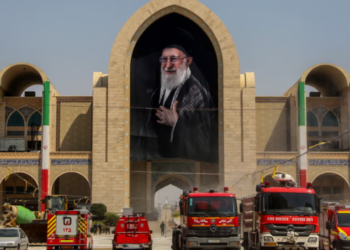 Iran Prepares for Massive Six-Day Funeral for Khamenei
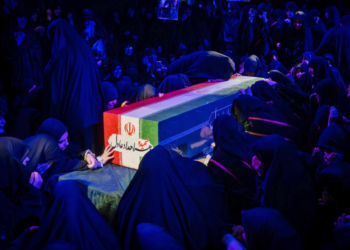 Iran Prepares for Massive Funeral for Supreme Leader
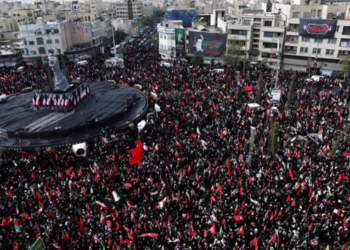 Iran Bids Farewell to Fallen Leader in Massive Procession
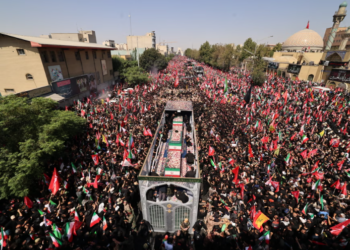 Iran Mourns: Millions at Khamenei’s Final Procession
 Hamas Proposes Handing Over Control of Gaza Strip
 Israeli Officer Investigated for Car Grenade Attack
 Yemen Accuses Iran of Violating National Sovereignty
 Trump Threatens Iran Power Strikes Over Hormuz Impasse
 Houthis Strike Saudi Arabia as Middle East Tensions Rise
 Friedman Uninvited From 2024 Adelaide Writers’ Week
 Spoof “Make America Go Away” Caps Rally Denmark Over Greenland
 New Zealand Covid Response Praised Despite Lingering Scars
 Injured Mojtaba Khamenei Elevated as Iran Leader
 Trump and Tehran Find Common Ground in Landmark Ceasefire
 Kyiv and Odesa Mourn After Deadly Wave of Russian Strikes
 US Forces Seize Iranian Ship Near Hormuz Blockade
 Investigation: Offshore Loans and Sanctions
 Cross-Border Crisis Shatters Fragile Afghan Peace
 The Burning Lens: An Iranian Artist’s Visual Resistance
 One Nation Candidate’s Surprising Ties to Independents
 Putin Signals War End as Russian Momentum Stalls
 Romania’s Judicial Crisis: A System Under Siege
 Scepticism and tight security as Beijing braces for Trump
 Philippine Senator Flees After Days Under Senate Siege
 Tensions Flare as Israeli Nationalists March in Jerusalem
 Secrecy Down Under: Albanese Faces FoI Scandal
 Tony Abbott Returns as New Liberal Party President
 Discontent grows around Putin amid war strain
 Teaching Machines Right From Wrong in the Digital Age
 Oman Defies US Pressure Over Strategic Strait of Hormuz
 Ex-CIA Agent Accused of $40m Gold Theft and Fake Spy Unit
 Aukus Deal Facing Fierce Backing and Historic Criticism
 Tragic Loss of Australian Sprinter Jemma Stapleton
 Trump Urged to Condemn UFC Fighter Over Obama Slurs
 Russian Tanker Captain Remanded in UK Court After Channel Seizure
 US Military Pacific Boat Strike Kills Three People
 Trump’s Mount Rushmore Speech: A Divisive Anniversary
 Trump Swaps Planes Amid Iran Tensions