Published: 19 September 2026. The English Chronicle Desk. The English Chronicle Online.
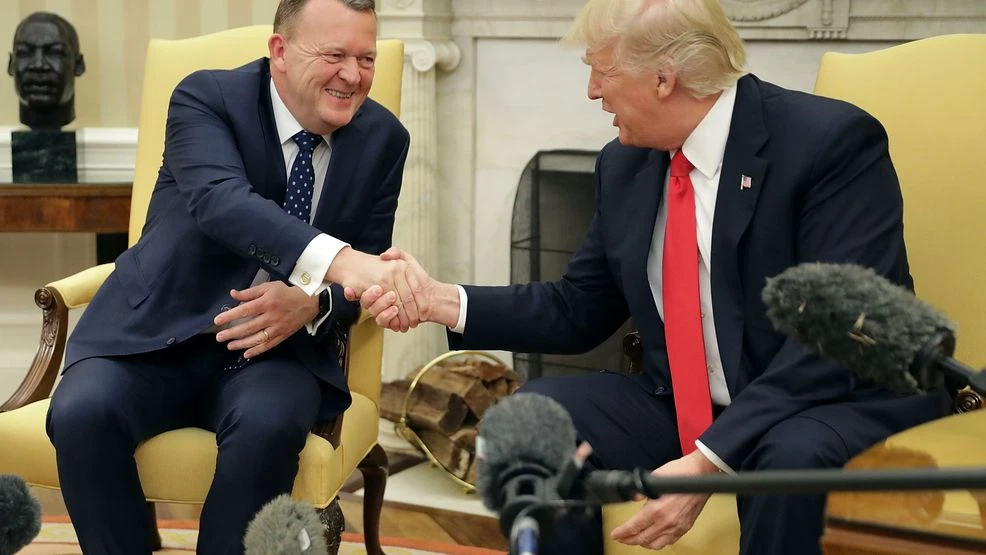
The United States, Denmark and Greenland have reached an agreement aimed at strengthening security in the strategically important Arctic territory, marking a significant development after months of tension over President Donald Trump’s repeated demands for greater American control over Greenland.
Trump announced the agreement on Friday, describing it as a major arrangement that would give the United States permanent control over Greenland’s security and allow Washington to address what he has described as American strategic concerns in the Arctic. He also said the United States would begin developing plans for a larger military presence on the island.
The announcement represented a sharp change in tone from the confrontation that had dominated relations between Washington and Copenhagen during Trump’s second term. For months, Trump had repeatedly argued that Greenland was essential to American national security and had refused to rule out the use of force to acquire the territory.
The new agreement, however, does not transfer sovereignty over Greenland to the United States. Greenland remains a self-governing territory within the Kingdom of Denmark, and Danish and Greenlandic leaders have stressed that the arrangement recognises the sovereignty and territorial integrity of the kingdom as well as the Greenlandic people’s right to self-determination.

The precise terms of the agreement were not immediately made public. Danish and Greenlandic officials said the three governments are expected to formally sign the pact during the United Nations General Assembly in New York next week. The agreement will also require parliamentary approval in Denmark and Greenland before it can take effect.
Trump presented the arrangement as a major American security achievement. He said Washington would have the ability to ensure Greenland’s security and claimed that countries considered adversaries of the United States would not be able to establish military bases, deploy forces or make sensitive investments on the island without American approval.
The proposal would also permit the United States to expand its military presence in Greenland. Washington already operates a significant facility at Pituffik, formerly known as Thule Air Base, which has played an important role in American defence and space operations since the Cold War.
Greenland’s geographical position makes it particularly important to the security calculations of the United States and its European allies. The island sits between North America and Europe and occupies a strategically important position for monitoring activity across the Arctic and North Atlantic.
The changing Arctic environment has added to that strategic importance. Melting sea ice is opening new maritime routes and increasing international interest in the region’s resources and transportation corridors. Russia has strengthened its Arctic military capabilities, while China has expanded its economic and scientific interest in the wider region.
For Washington, maintaining a strong military presence in Greenland is therefore closely connected to wider concerns about Arctic security. The new agreement appears designed to provide greater American access and operational flexibility without changing Greenland’s formal political status.
Danish Prime Minister Mette Frederiksen welcomed the agreement and said it represented an important step for Greenland, Denmark and the United States. She emphasised that the arrangement recognises the sovereignty and territorial integrity of the Kingdom of Denmark and the Greenlandic people’s right to determine their own future.
Greenland’s Prime Minister Jens-Frederik Nielsen also welcomed the agreement, saying it would strengthen security for Greenland, Denmark, the United States and the wider Western alliance.
Those statements are significant because Trump’s previous campaign for greater American control over Greenland had generated deep concern in Denmark and Greenland. Copenhagen has repeatedly insisted that Greenland is not for sale, while Greenlandic political leaders have maintained that the island’s future must ultimately be determined by its own people.
Trump’s interest in Greenland is not new. During his first presidency, he confirmed reports that he had considered purchasing the territory from Denmark. In his second term, however, his rhetoric became considerably more forceful, with the president arguing that American control was necessary for national and economic security.
The repeated threats created tensions within the NATO alliance. Denmark is a longstanding US ally, and the possibility that Washington might attempt to acquire part of another NATO member’s territory by force raised questions about the future of transatlantic relations.
The dispute also generated political debate within Greenland. The island has a population of roughly 56,000 people and enjoys extensive self-government while remaining constitutionally connected to Denmark. Greenlandic leaders have repeatedly emphasised the principle of self-determination when discussing the territory’s future.
The latest agreement appears to offer a diplomatic route away from the most contentious aspects of Trump’s earlier position. Instead of changing sovereignty, it focuses on security cooperation and military access.
Reports indicate that the arrangement would restrict the establishment of military bases by non-NATO countries and limit certain strategic investments by potential US adversaries. Such provisions are particularly relevant to concerns about Chinese and Russian influence in the Arctic.
The agreement is also expected to remain relevant if Greenland’s constitutional relationship with Denmark changes in the future. Greenland has a legal pathway towards independence, although any such development would involve decisions by the Greenlandic people and negotiations concerning its relationship with Denmark.
The possibility of Greenlandic independence has added another layer to the security discussion. Any future change in sovereignty could alter the legal framework governing military cooperation, but the proposed agreement appears intended to preserve American security interests regardless of Greenland’s future constitutional status.
For Denmark, maintaining sovereignty while strengthening Arctic defence cooperation offers a different approach from the confrontation that characterised the earlier dispute. For Greenland, the emphasis on self-determination provides an important political safeguard against the perception that the island’s future is being decided by outside powers.
For the United States, expanded military access would strengthen its ability to monitor the Arctic and North Atlantic and respond to potential security threats. The agreement could also provide greater certainty for American defence planners at a time when Arctic competition is becoming increasingly important.
The political timing of the announcement is also notable. The agreement comes ahead of the United Nations General Assembly and several weeks before the US midterm elections. Trump’s announcement gives his administration a major foreign-policy development to present to the American public, although the long-term implications of the agreement will depend on its final text and implementation.
The pact is not yet a completed transfer of authority. Its exact provisions remain subject to formalisation and parliamentary procedures. The difference between Trump’s description of “permanent control” and the Danish and Greenlandic emphasis on sovereignty and self-determination also means that the final legal wording will be closely examined.
The agreement could nevertheless mark an important turning point in the Greenland dispute. Instead of pursuing the territorial acquisition Trump repeatedly advocated, Washington and Copenhagen have apparently found common ground around expanded security cooperation.

That does not erase the tensions of the past year. Trump’s threats to acquire Greenland generated concerns across Denmark, Greenland and other European capitals, while the episode raised broader questions about the strength of alliances and the limits of American strategic ambitions.
The Arctic itself is likely to remain an increasingly important arena of international competition. Climate change is altering access to the region, while its geographical position and natural resources are attracting greater attention from major powers.
The new US-Denmark-Greenland security arrangement therefore extends beyond the immediate dispute over Greenland’s political status. It reflects a wider effort to define how the United States and its European allies will respond to changing security conditions in the Arctic.
Whether the agreement ultimately produces a stable long-term framework will depend on its final terms, parliamentary approval and how Washington, Copenhagen and Nuuk interpret their respective responsibilities. For now, the announcement suggests that the dispute over Greenland’s future has shifted from a confrontation over territorial control towards negotiations over security, military presence and strategic cooperation.
Related News:
 Former ICC prosecutor condemns US sanctions
 Trump Receives Machado’s Nobel Medal in White House Meeting
 EU Says US Ties Have Suffered ‘Big Blow’ After Greenland Crisis
 Thousands Protest ICE Operations in Nationwide US Day of Action
 Epstein Files Reveal Trump Officials’ Emails with Financier
 Thousands Protest ICE in New York Against Trump Deportation Campaign
 Trump orders US troop pullout from Germany
 Ukraine strikes Tuapse as oil disaster worsens
 Global order shifts amid Trump-era turmoil
 Indiana Republicans Defy Trump in Key Vote Test
 Tensions Emerge in Netanyahu-Trump Alliance
 Putin Declares Russia Victory at Scaled Victory Day Parade
 Fear and Betrayal: The Chilling Case of Kouri Richins
 Zelenskyy warns over Oreshnik threat as Kyiv hit
 Houthis Strike Saudi Arabia as Middle East Tensions Rise
 Russian Missiles Intensify Pressure on Kyiv
 Trump Calls Strait of Hormuz ‘American Territory’
 Trump Faces Iran War Crisis Before Midterm Vote
 Trump announces major US oil deal with Venezuela
 Trump Hardens Canada Trade Stance as Talks Stall
 Two National Guard Soldiers Critically Injured Near White House
 American Mother Extradited From UK to U.S. on Murder Charges
 Trump Says US Must ‘Own’ Greenland to Block Russia, China
 Gulf states warn Trump Iran strikes risk wider Middle East war
 Iran unrest slows under brutal crackdown and global tensions
 US-Cuba Negotiations Shift as Oil Blockade Looms
 Buffalo Refugee Tragedy: Border Patrol Neglect Leads to Death
 Ukraine war briefing: Zelenskyy offers help to Saudi Crown prince on combatting Iranian drones
 Spain Faces Backlash Over Xenophobic Chants in Egypt Draw
 Italian Town Buys Mussolini Villa to Keep Away Fascist Fans
 US Airman Rescued in Daring Mission After F-15 Shot Down in Iran
 Trump and Tehran Find Common Ground in Landmark Ceasefire
 Hungary election: Orbán faces biggest test amid scandal
 Trump Signals Hope for New Iran Talks as Ceasefire Fades
 Reeves Slams Trump Over Iran War Lack Of Exit Plan
 Trump’s Presidency: A House of Cards Collapsing?
 Trump Starts $166bn Tariff Refund Process
 UK Stands Firm on Falklands Amid US Rift
 Investigation Into Anti-Trump Motives After Gala Shooting
 Oil Prices Surge Above $120 Amid Iran Blockade Fears
 Judge halts deportation of Yemeni refugees in US
 Trump approval plunges amid Iran war fears
 Japan Protests Erupt Over Plans to Revise Constitution
 Ohio’s Battle for Trust: Democrats Vying to Flip the Buckeye State
 US ‘Narco Boat’ Strikes Draw Global Outcry
 Afghan Families Left in Limbo Face Risk of Deportation
 FIFA Confirms Global Ban for Benfica Star Prestianni
 New South Wales Wetland Rescue Legislation Passes
 US Awaits Iran Reply on New Ceasefire Proposal
 US and Mexico Face Heatwave as Floods Batter South Africa
 Putin Signals War End as Russian Momentum Stalls
 Romania’s Judicial Crisis: A System Under Siege
 Scepticism and tight security as Beijing braces for Trump
 Philippine Senator Flees After Days Under Senate Siege
 Fragile Truce Shattered as Violence Escapes Diplomatic Control
 Tulsi Gabbard exits after turbulent intelligence tenure
 Pope Meets Families in Italy Toxic Waste Zone
 Cannes filmmakers split over AI’s role in cinema
 Discontent grows around Putin amid war strain
 House Curbs Trump’s War Powers in Rare Rebellion
 EU Leadership Gathers in Tivat to Renew Balkan Ties
 Papal Visit Offers Political Lifeline to Spanish Premier
 Aukus Deal Facing Fierce Backing and Historic Criticism
 Thai Princess Bajrakitiyabha Passes Away at 47
 Trump Urged to Condemn UFC Fighter Over Obama Slurs
 Grief and Devotion Amidst the Rubble of Nabatieh
 US Military Pacific Boat Strike Kills Three People
 Canada Secure Historic Last 16 Spot with Late Goal
 Keiko Fujimori Claims Dramatic Victory in Peru Runoff
 Trump’s Mount Rushmore Speech: A Divisive Anniversary
 Le Pen to Run for President Despite Embezzlement Conviction
 England and Norway Fans Turn Miami Into World Cup Carnival
 A New Era Begins: Spain and Gibraltar Border Fence Falls
 Wildfires Force Mass Evacuations in France And Spain
 Former Diplomats Urge UK and France to Act on Palestine
 Ukraine Villagers Demand Answers After Deadly Arms Depot Strike
 Bayeux Tapestry Revives Franco-British Ties
 Trump Calls Iran War ‘Small Potatoes’ Despite US Deaths
 Europe’s democracies face a growing far-right threat
 Sweden Election Hangs on Far-Right Breakthrough