Published: 28 September 2026. The English Chronicle Desk. The English Chronicle Online
The managing director of family-owned jeweller Beaverbrooks has called on the UK government to give businesses “a bit of a break”, warning that rising employment costs and continued economic uncertainty are putting pressure on retailers at a crucial time of the year.
Anna Blackburn made the comments after Beaverbrooks reported broadly flat sales and a decline in underlying operating profit for its latest financial year. The retailer said its underlying operating profit fell by 9% to £7.8m, with higher employer national insurance contributions and an increase in the legal minimum wage contributing to the pressure on profitability.
Despite the decline in profit, Blackburn described the company’s performance as strong given the difficult conditions facing the wider retail sector. She said feedback from within the jewellery industry suggested that Beaverbrooks had performed comparatively well in a challenging market.
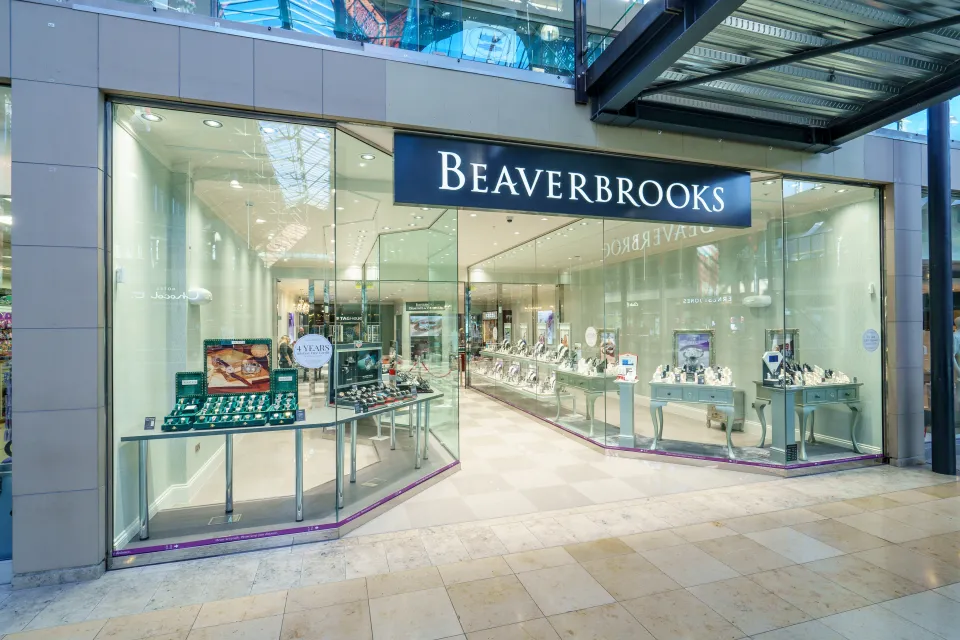
The company reported total sales of £217m for the year, representing a small decline of 0.1%. Beaverbrooks operates 56 stores under its main brand and four Loupe watch boutiques, alongside 22 outlets dedicated to individual luxury watch brands.

Its portfolio includes stores and concessions associated with internationally recognised watchmakers such as Omega, Breitling, Tudor and TAG Heuer. The scale and positioning of the business give it exposure to both the broader high street market and the premium end of consumer spending.
Blackburn said the company wanted the government to concentrate on restoring consumer confidence and creating greater economic stability. In particular, she called for action to address unemployment and inflation while urging ministers not to introduce further taxes on businesses in the upcoming budget.
Her comments come at a particularly important point in the retail calendar. The final months of the year are traditionally crucial for jewellery and other discretionary retailers because Christmas shopping can account for a significant proportion of annual consumer spending.
For retailers, however, the approach to the festive season is taking place against a complicated economic background. Households continue to face pressure from living costs, while businesses are dealing with higher employment expenses and uncertainty about future government policy.
Blackburn argued that businesses have limited capacity to absorb additional costs after recent increases in employer national insurance contributions and the minimum wage. She said the government should focus on creating conditions that encourage businesses to invest and consumers to spend.
Her comments reflect a broader concern within the retail industry about the cumulative effect of rising operating costs. Employers must consider wages, national insurance, business rates, energy expenses, property costs and other overheads when deciding how many staff to employ and how much to invest in their operations.
For retailers with physical stores, these pressures can be particularly significant. High street businesses need to maintain attractive premises, employ customer-facing staff and invest in technology while also competing with online retailers that may operate with different cost structures.
Beaverbrooks has nevertheless continued to invest in its physical stores and digital operation. Blackburn said the company remained committed to the high street and believed that exceptional products and customer service were central to its long-term success.
The company has recently opened its fourth Loupe watch boutique in Sheffield and plans further investment in existing locations. Stores at Manchester’s Trafford Centre and Lakeside in Essex are due to undergo refurbishment during the coming year.
That investment reflects Beaverbrooks’ strategy of continuing to develop its physical presence despite the difficult trading environment. Rather than reducing its retail footprint, the company is seeking to modernise stores and improve the experience offered to customers.
The retailer is also investing in its online operation and developing new products. The combination of physical retail and digital shopping has become increasingly important for businesses competing for customers whose shopping habits have changed significantly over recent years.
Blackburn’s comments come amid wider concerns from major retailers about the government’s approach to business costs. Retail executives have been calling for greater certainty ahead of the October budget, particularly over business rates and employment-related expenses.
The head of another major UK retailer, JD Sports, has also criticised the increase in employer national insurance contributions alongside the rise in the legal minimum wage. The retailer’s leadership has argued that higher employment costs could encourage companies to invest more heavily in technology and reduce their reliance on some categories of workers.
Such concerns are particularly significant for businesses employing large numbers of people. Higher labour costs can influence decisions about recruitment, working hours, automation and store expansion. For retailers, these choices can directly affect the level of customer service available in shops.
At the same time, the government faces its own financial constraints. Higher oil prices and increased borrowing costs have added pressure to public finances and household budgets, making the forthcoming budget a difficult balancing exercise.
The government must consider how to raise or allocate revenue while attempting to support economic growth and protect households facing financial pressure. Any changes to taxation or business costs could therefore have consequences for companies deciding whether to expand, hire additional workers or increase investment.
Among the measures reportedly under consideration are changes to the way some green energy subsidies are funded, with the possibility of transferring some costs from household energy bills to general taxation. Fuel duty and targeted support for lower-income households are also understood to be part of the wider budget debate.
For retailers, the central concern is predictability. Companies making investment decisions often need to plan months or years ahead, particularly when opening stores, refurbishing properties, expanding workforces or investing in technology.
Blackburn’s call for a long-term and coordinated strategy reflects that concern. Businesses may be better positioned to invest when they have a clearer understanding of future taxation, employment costs and economic policy.
For Beaverbrooks, the company’s latest results show both the resilience of its business and the pressure facing the sector. Sales remained almost unchanged, but the reduction in underlying operating profit demonstrates how increased costs can affect companies even when revenues remain relatively stable.
The jewellery sector also occupies an unusual position within the retail economy because many purchases are discretionary and relatively high in value. Consumers may postpone purchases when they feel uncertain about their finances, but established luxury and premium brands can also benefit when customers choose to spend on significant personal or family occasions.
Maintaining customer confidence is therefore particularly important. Beaverbrooks’ strategy of investing in staff, stores, products and online services suggests that the company believes service and customer experience will remain important competitive factors despite the wider pressure on spending.
The retailer’s long history is another part of that strategy. Founded in 1919, Beaverbrooks has operated through numerous economic cycles and changes in consumer behaviour. Blackburn pointed to the company’s longevity as evidence of its commitment to the high street and its emphasis on product quality and customer service.
That experience does not remove the challenges facing the business, but it provides context for its decision to continue investing during a period when some retailers are taking a more cautious approach.
The coming months could prove particularly important. Retailers are preparing for Christmas while waiting for greater clarity from the government’s budget. Businesses will be watching closely for decisions affecting employment costs, taxation, business rates and household spending power.
For consumers, the economic debate is closely connected to their own financial circumstances. If household costs remain elevated, discretionary purchases may come under pressure. If inflation eases and confidence improves, retailers could see stronger demand.
For businesses such as Beaverbrooks, the outcome will depend on a combination of consumer confidence, operating costs and the wider economic environment. The company has demonstrated a willingness to invest, but Blackburn’s comments make clear that retailers want government policy to provide greater stability rather than additional cost pressures.
The debate also highlights the difficult balance facing policymakers. Businesses want lower or more predictable costs, while the government must finance public services and manage its broader fiscal commitments. Measures designed to support workers or public finances can also increase expenses for employers.

As the October budget approaches, retailers will therefore be paying close attention to every major announcement. Beaverbrooks’ latest results provide a snapshot of how even a comparatively resilient retailer can see profitability squeezed when costs rise faster than sales.
For Blackburn, the message is straightforward: businesses need room to invest, employ people and build confidence. Whether the government can provide that stability while meeting its wider economic and fiscal objectives will be one of the central questions surrounding the upcoming budget.
For Beaverbrooks and other retailers, the immediate priority will be navigating the crucial Christmas trading period while continuing to invest in their businesses. The longer-term challenge will be adapting to an economic environment in which consumer confidence, employment costs and government policy are all closely intertwined.
Related News:
 Oil nears $100 as Saudi attacks shake markets
 John Lewis Losses Widen to £124m as Confidence Falls
 Thames Water Revises Oxfordshire Mega-Reservoir Plan
 UK Trade Losses Grow Without EU Product Deal
 AO Acquires Jessops in Camera Retail Expansion
 Wealthy Britons Flee Gulf War but Avoid UK Taxes
 UK Wage Growth Slows as Jobs Market Holds Firm
 BBC News Faces Deep Cuts in 2,000 Job Plan
 New UK advice scheme to boost savings and investing
 Reeves Fights to Keep Treasury Role Amid Labour Turmoil
 UK rejects EV charging VAT cut amid Treasury clash
 UK Households Could Save £173 on Fixed Energy Deals
 Burnham Faces Mounting Budget Challenges
 Spire Healthcare Agrees £1bn Takeover by Toscafund
 UK House Prices Fall as Mortgage Rates Rise
 Billionaire Chris Rokos poised to leave UK
 JPMorgan Boss Warns Against UK Bank Tax Rise
 UK Retailers Accused of Breaking Refund Laws
 Entain Plans 400 Job Cuts After Profit Update
 Next Raises Profit Forecast After Strong Summer Sales
 UK Productivity Improves as Bank Weighs Interest Rates
 Barclays Staff Push Back Against Office Return Plan
 UK Retail Sales Rebound as Consumers Spend More
 UK Rent Gap Puts Low-Income Families Under Pressure
 Calls Grow to Expand UK National Wealth Fund
 UK Borrowing Hits £18.3bn Ahead of Budget
 Thinktank Calls for Abolition of UK State Pension
 MPs Defend UK Economic Watchdog Against Critics
 Chinese Hybrid Car Surge Raises EU Auto Industry Concerns
 Tony Blair Calls for Britain to Rejoin EU Within a Decade
 TalkTalk Races to Sell Arms as Administration Looms
 Should Savers Lock Into 5.25% Fixed Rates?
 UK Doubles Steel Tariffs to 50% to Protect Domestic Plants
 Oil and Gas Prices Surge Amid Iran-Israel Attacks on Gasfields
 Student Loan Interest May Rise Despite 6% Cap
 Carmakers Face £3bn Gap in UK Loan Payout Scandal
 Albanese Rejects Gas Export Tax Push
 City & Guilds Faces Governance Crisis Over Sale
 UK Pushes for New EU Goods Trade Deal
 Essex valley emerges as rising English wine hub
 Labour MPs Urge Burnham to Revive UK Aid Target
 EasyJet Takeover Sparks Fears Over Passengers’ Future
 Pubs and Hotels Face Business Rates Reform Review
 Firms on both sides fear damage from US-Canada trade war
 UK Risks Falling Behind in AI Race
 Europe Faces Winter Gas Supply Anxiety
 Dutch Bank Moves 86 Tonnes of Gold to London
 UK Subsidence Claims Surge After Record-Breaking Summer
 Reform Faces Fresh Financial Controversy
 Ukraine Moves to Seize Water Company
 UK Cost Squeeze Deepens as Mortgages and Gas Rise
 Swedish Mining Push Puts Sami Land Rights Under Pressure
 UK retailers plan 100,000 placements for young people
 McLaren to Create 1,000 UK Jobs in £450m Investment
 Nats Boss Summoned as UK Flight Chaos Continues
 Iceland to Open First UK High Street Store in Falklands
 Oil Prices Surge as Saudi Pipeline Closure Deepens Crisis
 Reform Faces Questions Over £72m Donations
 Farage Threatens Union Funding Ban Over Reform Donations
 UK State Pension Set to Rise 3.9% as Triple Lock Holds
 UK Parents Cut School Uniform Costs as Prices Rise
 Fashion Firms Urge UK-Made NHS and Army Uniforms
 North Sea Firms Urge Early End to Windfall Tax
 UK Pay Growth Slows to 3.9% as Rate Decision Nears
 Bank Urged to Slow Bond Sales as UK Costs Rise
 JLR Eyes NATO Market With New Defender Military Vehicle
 UK Inflation Hits 3.1% as Household Pressure Grows
 UK Youth Jobs Gap Reveals Deep Regional Divide
 Mayors Could Gain New Powers Over UK Water Firms
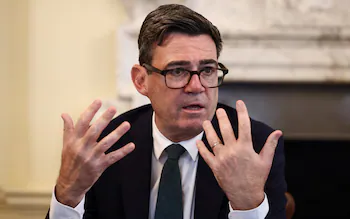 Mayors Could Gain Greater Powers Over Water Firms
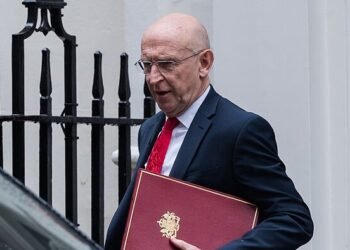 Tories Press Healey Over Tax Rises Ahead of Budget
 Trump Threatens EU With Tariffs Over Canada Proposal
 Trump Threatens EU Over Canada Partnership Proposal
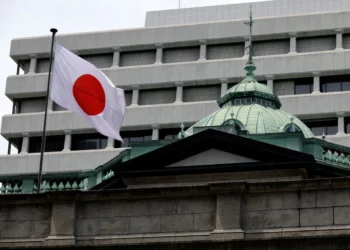 Japan Raises Rates to 31-Year High
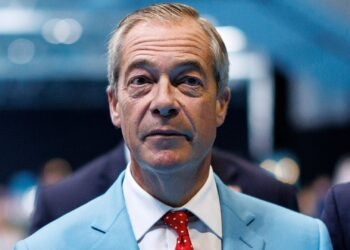 Reform UK Faces Internal Debate Over £72m Spending
 Labour Apprenticeship Scheme Faces Slow Start
 Burnham Leaves Door Open to Future Brexit Reversal
 Saudi intercepts Houthi missiles as oil fears grow
 UK Food Trade Deficit Hits £21bn in 2026
 Avanti West Coast Set for Public Ownership in March