Published: 28 September 2026. The English Chronicle Desk. The English Chronicle Online
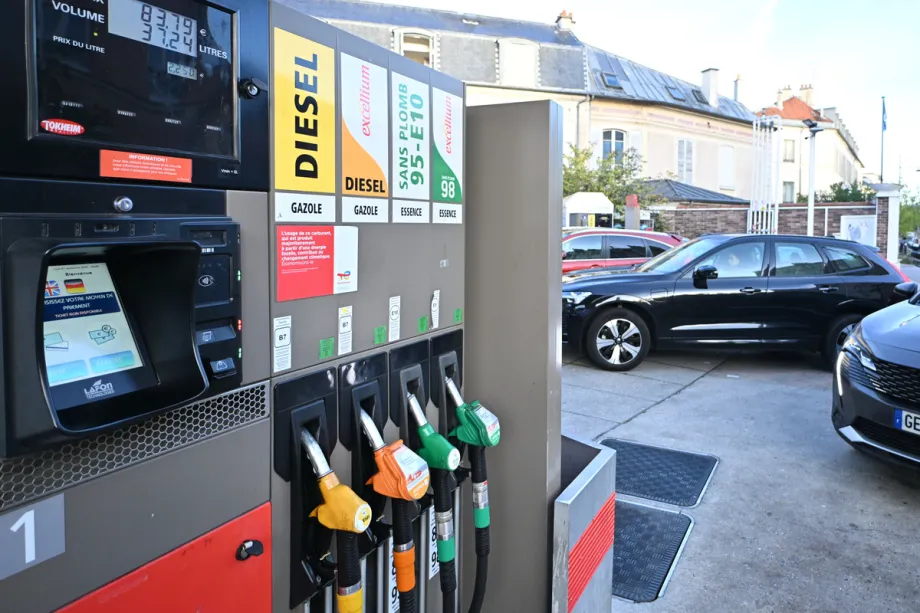
The average price of diesel at UK forecourts has reached a new record high, adding further pressure to motorists and businesses as disruption linked to the conflict in the Middle East continues to push up energy costs.
Diesel is now averaging 199.18p a litre across the UK, surpassing the previous record of 199.09p recorded in June 2022 following Russia’s invasion of Ukraine. The latest increase has raised concerns that pump prices could soon cross the psychologically significant £2-a-litre threshold.
The surge is creating difficulties not only for private motorists but also for the wider economy. Diesel is widely used by freight operators, delivery companies, agricultural businesses, construction firms and other industries that depend on road transport. Higher fuel costs can therefore spread through supply chains, increasing the expense of moving goods before eventually reaching consumers.
The RAC has estimated that filling an average family car with diesel now costs almost £110. That represents an increase of about £31 compared with the beginning of the US-Iran conflict in February, highlighting how quickly fuel costs have risen in recent months.

Simon Williams, head of policy at the motoring organisation, said the diesel market had entered unfamiliar territory as prices moved beyond previous records.
For households already facing pressure from higher living costs, the increase means that routine journeys can become significantly more expensive. Commuters who rely on cars, families travelling longer distances and workers whose jobs require regular driving are all exposed to the rise.
The pressure is not limited to diesel users. Petrol prices have also continued to climb, with the average UK price reaching 174.13p a litre. According to RAC calculations, petrol now costs around 41p a litre more than it did at the beginning of the conflict, while filling an average petrol car costs close to £96.
The sharp rise in fuel prices is being closely watched because of its potential impact on inflation and household finances. Fuel is a direct expense for motorists, but it also forms part of the cost structure of thousands of businesses.
Road freight is particularly important. Lorries and vans transport food, manufactured products, building materials and other goods between ports, warehouses, distribution centres, retailers and customers. When the cost of operating those vehicles rises, companies may have to absorb some of the additional expense or pass it on through higher prices.
Dr Jonathan Owens, an operations and supply chain expert at the University of Salford, warned that the effects could spread across a broad section of the UK economy.
Supermarkets, manufacturing, construction, agriculture and online retail are among the sectors that depend heavily on road transport. Even businesses that do not purchase large quantities of diesel directly can be affected because their suppliers and delivery partners may face higher transport costs.
The transmission of those costs can happen quickly. Fuel prices influence the cost of transporting goods from refineries and ports to distribution centres and eventually to shops and households. As a result, an international geopolitical development can have consequences for consumers far beyond the immediate area of conflict.
The latest increase is linked to continuing uncertainty surrounding oil and gas supplies and shipping routes in the Middle East. The Strait of Hormuz is particularly important to global energy markets because it is a major route for oil and gas shipments.
Uncertainty surrounding the route has contributed to concerns about supply and encouraged greater volatility in energy markets. Political decisions and military developments can therefore influence international oil prices, which then feed into wholesale fuel costs and eventually forecourt prices.
US President Donald Trump has also said he is seriously considering restrictions on diesel exports from the United States as part of efforts to address soaring domestic fuel prices. At the same time, he has urged Ukrainian President Volodymyr Zelenskyy to pause attacks on Russian oil refineries, amid concerns that further disruption to refining capacity could contribute to higher global prices.
These developments illustrate the increasingly interconnected nature of energy markets. Oil production, refining capacity, shipping routes, sanctions, military activity and government policy in different countries can all affect the price paid by motorists in Britain.
For UK drivers, however, the causes of the increase matter less than its immediate effect on household budgets.
The government has already taken measures intended to limit the impact of fuel prices. A 5p-a-litre reduction in fuel duty has been extended until the end of the year. The RAC is now calling for further consideration of measures that could reduce the pressure on motorists, including extending the discount or cutting VAT on fuel.
Williams warned that motorists could face another increase if the temporary fuel-duty reduction is eventually withdrawn. If the current cut is fully reversed, an additional 5p a litre could be added to pump prices under the existing plans.
VAT receipts from fuel have also increased as the underlying price has risen, creating a complicated policy question for the government. While fuel taxes provide substantial revenue for the Treasury, higher prices can simultaneously increase financial pressure on households and businesses.
The issue is particularly sensitive ahead of wider economic policy decisions because fuel costs can influence inflation expectations and consumer spending.
For businesses, the consequences may be even broader. Haulage companies have little flexibility when fuel represents a significant portion of their operating expenses. Higher diesel prices can affect delivery charges, freight contracts and profit margins.
Smaller businesses may face particular challenges because they often have less bargaining power and fewer resources to absorb sudden increases in operating costs. A local delivery company, agricultural producer or independent contractor may have limited ability to reduce fuel consumption without affecting the service it provides.
The impact can also extend to employment and investment decisions. Businesses facing higher transport costs may delay expansion plans, reduce discretionary spending or reconsider how goods are moved around the country.
Consumers ultimately remain at the end of this chain. If businesses pass increased transport expenses into their prices, households may encounter higher costs for food, household goods, online purchases and services.
That means the record diesel price is more than a problem for motorists standing beside a fuel pump. It is part of a wider economic challenge involving energy security, international conflict, supply chains and the cost of everyday life.
There is also uncertainty over how long the current pressure will last. Fuel prices can change rapidly when global supply conditions improve or deteriorate. A reduction in geopolitical tensions, increased supply or improved shipping conditions could ease pressure on oil markets. Conversely, further disruption could push prices higher.
The possibility of diesel reaching £2 a litre has therefore become a realistic concern for motorists and businesses. Even a small additional increase would have a noticeable effect on drivers who fill their vehicles frequently, while a sustained period of high prices could have wider economic consequences.

For policymakers, the challenge is balancing support for households and businesses against the government’s need to maintain public finances and manage broader economic pressures.
For consumers, the immediate reality is simpler. Every trip to the forecourt now costs more, and the record diesel price is adding another layer of financial pressure at a time when many households are already carefully managing their spending.
The latest figures also underline how developments thousands of miles away can rapidly affect daily life in Britain. From international energy markets to a family filling its car, the consequences of geopolitical instability can travel through complex economic networks before appearing as a higher number on a fuel-pump display.
With diesel already close to £2 a litre, attention is now turning to whether the current surge will intensify further or whether measures by governments and changing conditions in global energy markets can eventually bring some relief to British motorists.
Related News:
 UK House Prices Fall as Mortgage Rates Rise
 Oil nears $100 as Saudi attacks shake markets
 Thames Water Revises Oxfordshire Mega-Reservoir Plan
 UK Retail Sales Rebound as Consumers Spend More
 UK Borrowing Hits £18.3bn Ahead of Budget
 Thinktank Calls for Abolition of UK State Pension
 MPs Defend UK Economic Watchdog Against Critics
 UK Trade Losses Grow Without EU Product Deal
 Should Savers Lock Into 5.25% Fixed Rates?
 Wealthy Britons Flee Gulf War but Avoid UK Taxes
 UK Wage Growth Slows as Jobs Market Holds Firm
 BBC News Faces Deep Cuts in 2,000 Job Plan
 New UK advice scheme to boost savings and investing
 Reeves Fights to Keep Treasury Role Amid Labour Turmoil
 UK rejects EV charging VAT cut amid Treasury clash
 EasyJet Takeover Sparks Fears Over Passengers’ Future
 Europe Faces Winter Gas Supply Anxiety
 UK Households Could Save £173 on Fixed Energy Deals
 Burnham Faces Mounting Budget Challenges
 Dutch Bank Moves 86 Tonnes of Gold to London
 UK Cost Squeeze Deepens as Mortgages and Gas Rise
 Billionaire Chris Rokos poised to leave UK
 JPMorgan Boss Warns Against UK Bank Tax Rise
 John Lewis Losses Widen to £124m as Confidence Falls
 Oil Prices Surge as Saudi Pipeline Closure Deepens Crisis
 UK State Pension Set to Rise 3.9% as Triple Lock Holds
 UK Parents Cut School Uniform Costs as Prices Rise
 North Sea Firms Urge Early End to Windfall Tax
 UK Pay Growth Slows to 3.9% as Rate Decision Nears
 Bank Urged to Slow Bond Sales as UK Costs Rise
 UK Inflation Hits 3.1% as Household Pressure Grows
 UK Productivity Improves as Bank Weighs Interest Rates
 Japan Raises Rates to 31-Year High
 UK Rent Gap Puts Low-Income Families Under Pressure
 Calls Grow to Expand UK National Wealth Fund
 Chinese Hybrid Car Surge Raises EU Auto Industry Concerns
 Tony Blair Calls for Britain to Rejoin EU Within a Decade
 AO Acquires Jessops in Camera Retail Expansion
 Saudi intercepts Houthi missiles as oil fears grow
 Beaverbrooks Boss Calls for Relief on Business Costs
 Why Americans Feel Ripped Off by Rising Prices
 UK Doubles Steel Tariffs to 50% to Protect Domestic Plants
 Oil and Gas Prices Surge Amid Iran-Israel Attacks on Gasfields
 Student Loan Interest May Rise Despite 6% Cap
 Europe EV Demand Surges as Fuel Prices Rise
 Carmakers Face £3bn Gap in UK Loan Payout Scandal
 Albanese Rejects Gas Export Tax Push
 Spirit Airlines shuts down after 34 years amid crisis
 City & Guilds Faces Governance Crisis Over Sale
 UK Pushes for New EU Goods Trade Deal
 UK firms accused of ‘AI washing’ boom
 Essex valley emerges as rising English wine hub
 Severn Trent CEO Reward Package Doubled Despite Public Anger
 Weight-Loss Drugs Transform Fashion Shopping Habits
 Labour MPs Urge Burnham to Revive UK Aid Target
 Canada to Match Trump’s 50% Tariffs Dollar for Dollar
 Pubs and Hotels Face Business Rates Reform Review
 Firms on both sides fear damage from US-Canada trade war
 US CEOs Earn 614 Times More Than Workers
 Trump Hardens Canada Trade Stance as Talks Stall
 UK Subsidence Claims Surge After Record-Breaking Summer
 Reform Faces Fresh Financial Controversy
 Spire Healthcare Agrees £1bn Takeover by Toscafund
 Saudi Arabia Shuts Oil Pipeline After Drone Attack
 Reform Faces Questions Over £72m Donations
 UK Retailers Accused of Breaking Refund Laws
 UK Youth Jobs Gap Reveals Deep Regional Divide
 Entain Plans 400 Job Cuts After Profit Update
 Next Raises Profit Forecast After Strong Summer Sales
 Tories Press Healey Over Tax Rises Ahead of Budget
 Trump Threatens EU With Tariffs Over Canada Proposal
 Trump Threatens EU Over Canada Partnership Proposal
 Barclays Staff Push Back Against Office Return Plan
 Reform UK Faces Internal Debate Over £72m Spending
 Labour Apprenticeship Scheme Faces Slow Start
 Trump Eyes Major Belarus Fertiliser Deal Amid Canada Trade Dispute
 Burnham Leaves Door Open to Future Brexit Reversal
 Iran Rejects Claims of Shift in US Talks
 UK Food Trade Deficit Hits £21bn in 2026
 TalkTalk Races to Sell Arms as Administration Looms