Published: 02 October 2026. The English Chronicle Desk. The English Chronicle Online
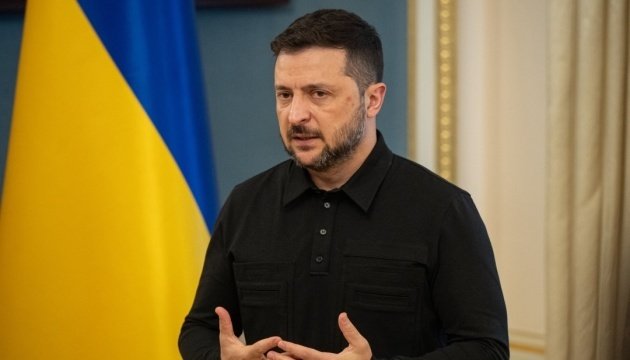
Ukraine has announced the first combat use of its domestically developed FP-7 tactical ballistic missile, marking a significant new stage in Kyiv’s effort to expand its own long-range weapons industry while continuing to confront Russia’s sustained missile and drone campaign. President Volodymyr Zelenskyy announced the development on Thursday, describing the missile’s first battlefield deployment as a successful step and indicating that increased production would now be the next priority.
Zelenskyy did not disclose where the FP-7 was used, what target was struck or how many missiles were involved. The lack of operational details means the effectiveness of the weapon cannot yet be independently assessed. Nevertheless, the announcement underlines Ukraine’s growing emphasis on domestically produced strike systems as it seeks to reduce its dependence on foreign-supplied weapons and respond to Russia’s extensive use of ballistic missiles against Ukrainian targets.
The FP-7 has been developed by Ukrainian defence company Fire Point. The company has also described the missile as part of a broader European effort to develop ballistic-missile interception technology under the Freyja programme. Ukrainian military analysts have characterised the FP-7 as a short-range ballistic missile with a reported range of roughly 200 kilometres, placing it in a category of weapons intended for rapid strikes against important targets within the battlefield and surrounding operational area.

The emergence of the FP-7 is particularly notable because ballistic missile development has long been an area in which Russia has maintained a considerable advantage. Ukraine has increasingly sought to close part of that gap through the rapid expansion of domestic drone, cruise-missile and ballistic-missile production. The objective is not simply to produce another weapon but to create a broader industrial capability that can continue operating even when foreign military assistance is uncertain or limited.
The missile announcement came as Kyiv itself faced another intense day of Russian aerial attacks. Russian drones struck a school in the Ukrainian capital, while the Southern Bridge over the Dnipro River was hit during a series of attacks. Officials said pupils and staff were inside shelters when the school was struck, preventing casualties despite damage to the building.
The attacks on the Southern Bridge caused further disruption in the capital. Drones struck the bridge area during the day, followed by another strike later that damaged a support structure, part of the road surface and protective infrastructure around the metro crossing. Transport services were affected as emergency crews and specialists assessed the damage.
The attacks formed part of a wider period of heightened Russian aerial activity. Ukrainian officials have warned that Moscow is increasing pressure on the country’s infrastructure as colder weather approaches, raising concerns that energy facilities could again become major targets during the winter months. Ukraine has experienced repeated Russian campaigns against electricity generation and distribution infrastructure during previous winters, creating serious challenges for civilians, businesses and essential services.
For Kyiv, the intensification of Russian attacks is occurring alongside a parallel campaign against targets inside Russia. Ukraine has continued using long-range drones and other weapons to attack Russian military facilities, drone infrastructure and oil-related sites. Zelenskyy said Ukrainian forces had struck an oil facility in Russia’s Samara region, while also reporting an attack on a Russian vessel in the Black Sea and a site associated with the storage and launch of attack drones in the Oryol region.
Further Ukrainian drone activity was reported around Volgograd, a major Russian industrial centre with significant oil-refining infrastructure. Russian regional officials reported attacks on industrial facilities as Ukraine continues its efforts to disrupt the infrastructure supporting Moscow’s war effort.
Ukraine has increasingly targeted Russian energy infrastructure despite international concerns about the effects of attacks on fuel supplies. Kyiv argues that Russian oil facilities help finance and sustain the military campaign against Ukraine, while Moscow and other observers have warned that attacks on refineries can contribute to wider pressure on global energy markets.
The issue has become especially sensitive as fuel markets face additional disruption. European countries have reduced their dependence on Russian energy supplies since the full-scale invasion, while instability in the Middle East has placed further pressure on international fuel markets. The United States has also pressed European governments to consider releasing emergency diesel reserves as prices rise.
According to people familiar with discussions reported this week, Washington has urged France and Germany to draw down emergency diesel inventories to help relieve pressure on global markets, with the possibility of restrictions on US diesel exports reportedly raised if European countries do not act. The developments illustrate how the consequences of the war are extending beyond the battlefield, affecting energy security, transport costs and strategic fuel planning in Europe and elsewhere.
At the diplomatic level, the war also featured prominently during a Group of 20 trade ministers’ meeting in Milwaukee. European officials criticised Russian attacks affecting Ukraine’s agricultural and grain infrastructure, arguing that food supplies should not become targets during armed conflicts. Discussions at the meeting reflected the continuing international concern over the effect of the war on food security and global trade.
Ukraine’s agricultural exports remain important to international food markets, particularly for countries that depend on grain and other agricultural commodities from the Black Sea region. Disruptions to production, storage, transport and export routes can therefore have consequences well beyond Ukraine’s borders.
At the same time, tensions between Russia and NATO have continued to rise. Moscow issued warnings concerning the Russian exclave of Kaliningrad, situated between Poland and Lithuania on the Baltic Sea. Russian officials and diplomatic missions have accused NATO of considering measures that could isolate or blockade the territory. President Vladimir Putin said Russia would respond with all weapons available to it if Russian territory were directly attacked, a statement that includes the possibility of nuclear weapons.
The remarks have added another layer of tension to an already dangerous security environment in Europe. NATO maintains that its posture is defensive, while Russia has repeatedly portrayed Western military activity and support for Ukraine as threats to Russian security. The dispute over Kaliningrad is particularly sensitive because of the territory’s strategic position between NATO member states and its importance to Russia’s military presence in the Baltic region.
Despite the continuing confrontation, Putin also said Russia remained interested in ending the war through negotiations under conditions acceptable to Moscow. He reiterated his position that Ukraine should become a neutral country after the conflict. Kyiv and its international partners have continued to pursue their own diplomatic and security objectives, while disagreements over territory, sovereignty, security guarantees and the future status of Ukraine remain central obstacles to any settlement.
Another unresolved issue involves Western companies whose Russian assets have been seized by Moscow since the invasion. Putin indicated that such assets could potentially be returned under what he described as a favourable scenario. Russia has previously taken control of or seized assets belonging to several major foreign companies as relations with Western governments deteriorated.

The latest developments therefore show a conflict continuing on several interconnected fronts. On the battlefield, Ukraine is expanding its domestic missile capabilities while Russia maintains intense drone and missile pressure on Ukrainian cities and infrastructure. At the economic level, attacks on energy facilities are contributing to broader concerns about fuel supplies and prices. Diplomatically, disputes over food security, sanctions, foreign assets and the future of Ukraine remain unresolved.
The combat debut of the FP-7 nevertheless stands out as a notable development in Ukraine’s military-industrial strategy. The immediate impact of the weapon will depend on factors that remain undisclosed, including its accuracy, reliability, production capacity and ability to be deployed repeatedly. For now, its first reported combat use represents another indication that Ukraine is seeking to build an increasingly independent long-range strike capability as the war enters another difficult phase.
Related News:
 Putin Declares Russia Victory at Scaled Victory Day Parade
 Russian Missiles Intensify Pressure on Kyiv
 Zelenskyy warns over Oreshnik threat as Kyiv hit
 Russia Targets Ukraine’s Digital Economy With Strikes
 UK Prepares Aircraft Carrier for Middle East Crisis
 ‘The frontline is like Terminator’: Ukraine’s fighting robots
 RAF Typhoons scrambled amid Russian drone threat near Nato
 Trump orders US troop pullout from Germany
 Activists allege abuse after Gaza flotilla seizure
 Ukraine strikes Tuapse as oil disaster worsens
 Global order shifts amid Trump-era turmoil
 Ceasefire Standoff Deepens in Ukraine War
 Middle East Crisis Escalates as Oil Routes Shake Markets
 Discontent grows around Putin amid war strain
 Former ICC prosecutor condemns US sanctions
 Houthis Strike Saudi Arabia as Middle East Tensions Rise
 Taliban global ties grow as rights fears mount
 Trump dismisses concerns over 250-day carrier deployment
 Trump Calls Strait of Hormuz ‘American Territory’
 Trump Faces Iran War Crisis Before Midterm Vote
 UN expert urges UK to rethink Israel policy
 North Korea Expands Uranium Facility at Yongbyon
 Netanyahu faces protests and pressure at UN
 Iran Awaits Trump Response on Seven-Day Hormuz Plan
 Trump Asked Xi About Buying US Weapons
 Putin Orders Russian Army Expansion as War Intensifies
 South Korea-Ukraine Row Erupts Over North Korean POWs
 South Korea demands apology over DMZ mine blast
 Russia Escalates Ukraine Energy Attacks as Winter Nears
 Britain deploys RAF specialists to assist Belgium with drone threats
 Night after night, Belgium is on high alert.
 Machado Trump medal gesture reshapes Venezuela power struggle
 Iran unrest slows under brutal crackdown and global tensions
 EU weighs response amid Greenland tariff crisis with Trump
 EU Says US Ties Have Suffered ‘Big Blow’ After Greenland Crisis
 Thousands Protest ICE Operations in Nationwide US Day of Action
 Epstein Files Reveal Trump Officials’ Emails with Financier
 Thousands Protest ICE in New York Against Trump Deportation Campaign
 Yvette Cooper: UK Must Follow Principles, Not US Pressure
 Iran Social Media Strategy Shifts to Information War
 Cluster Strikes Test Israel’s Missile Defences
 Italian Town Buys Mussolini Villa to Keep Away Fascist Fans
 Hungary election: Orbán faces biggest test amid scandal
 Canadian astronaut French words ease language row
 Ukraine Urges UK to Seize Russian Oil Tankers
 US Calls Australia Media Law “Foreign Extortion”
 USS Gerald R Ford Ends Record Naval Deployment
 Oil Prices Surge Above $120 Amid Iran Blockade Fears
 Australia pushes Pacific security pact amid China tension
 Trump Announces 3-Day Russia–Ukraine Ceasefire Deal
 Tensions Emerge in Netanyahu-Trump Alliance
 France Faces Record Presidential Crowded Race Amid Far-Right Surge
 Norway Doubles Down on Oil and Gas for Europe Energy Security
 Irish Gangland Figure Fails in Dublin Election Bid
 Deadly Russian Air Raids Strike Across Ukraine
 Millions Gather for Khamenei’s Six-Day State Funeral
 Le Pen to Run for President Despite Embezzlement Conviction
 Meta Under Fire: The Battle Over Addictive Social Media Design
 Israeli Strike in Southern Lebanon Kills Seven
 Deadly TikTok Driving Trend Alarms Ireland
 Former Diplomats Urge UK and France to Act on Palestine
 Ukraine Villagers Demand Answers After Deadly Arms Depot Strike
 Trump Hardens Canada Trade Stance as Talks Stall
 Bayeux Tapestry Revives Franco-British Ties
 AfD election surge leaves Magdeburg residents deeply uneasy
 Europe’s democracies face a growing far-right threat
 Sweden Election Hangs on Far-Right Breakthrough
 Nearly 50,000 Flee as Houthis Advance in Yemen
 Saudi Pact Raises Risk of Pakistan Entering War
 Macron and Carney deepen France-Canada ties
 UK Plans New Centre to Counter Information Warfare
 Elif Eralp Emerges as Berlin’s Next Political Force
 Xi urges Trump to avoid US-China military conflict
 Australia Weighs New Laws After OpenAI Medicare Breach
 National Rally makes historic gains in French Senate
 Madrid Tent Camp Grows as Spain Housing Crisis Deepens
 French Student Protests Escalate Into Violent Clashes
 AI Could Intensify Election Risks in Southeast Asia
 Pilot and Passengers Help Save Flydubai Flight
 New Maps Reveal Gaza’s Vast Destruction