Published: 12 October 2026. The English Chronicle Desk. The English Chronicle Online
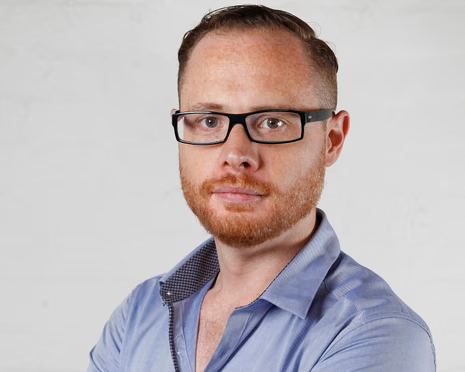
An Australian Broadcasting Corporation climate journalist could face disciplinary action after publishing an opinion article in a financial newspaper in his capacity as an elected union leader, sparking a dispute over press freedom, workplace policies and the rights of journalists to represent their colleagues.
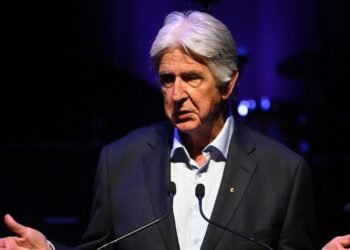
Michael Slezak, an award-winning ABC climate reporter and federal president of the Media, Entertainment and Arts Alliance (MEAA), was recently called to a meeting with senior ABC news executives to discuss whether his outside work and public comments complied with the broadcaster’s internal guidelines. According to the union, management declined to rule out disciplinary measures, including dismissal.
The dispute has intensified concerns among union members that journalists could face professional consequences for speaking publicly on issues connected to press freedom and the public’s access to information. The ABC, meanwhile, says its rules governing external work and public comment are intended to protect the organisation’s reputation and ensure staff understand their responsibilities.

Slezak’s article appeared in the Australian Financial Review and focused on a proposal by the Australian Securities and Investments Commission (ASIC) that could restrict journalists’ access to certain personal information about company directors, including their home addresses and dates of birth. The MEAA has been campaigning on the issue, arguing that access to relevant corporate information is important for journalists investigating business conduct and holding powerful individuals accountable.
The article was published in Slezak’s capacity as the union’s federal president rather than simply as an ABC journalist. However, the newspaper identified him both through his union position and his employment with the public broadcaster, creating a potential point of tension over how his external activities should be treated under ABC policy.
The controversy came to a head last week when Slezak met Simon Robinson, the ABC’s new director of news, and Lee Glendinning, the head of digital and national news. The meeting focused on his compliance with the broadcaster’s policy governing external work and public comment.
In a letter to ABC union members on Monday, the MEAA said the executives raised the possibility that Slezak had breached the organisation’s external work policy and code of conduct. The union said management refused to guarantee that he would not face disciplinary action, including dismissal.
The union strongly rejected the suggestion that Slezak’s activities should be treated as a potential breach. It argued that he was performing responsibilities associated with his elected position and defending the interests of journalists across the industry.
“Championing our right to information is something we expect Michael to do and be allowed to do without hindrance,” the MEAA said in its communication to members.
The union also maintained that Slezak did not need to seek separate approval for the article because an existing agreement with the ABC permitted him to make public comments on behalf of journalists in his capacity as an MEAA office-holder.
At the heart of the disagreement is the distinction between an employee speaking as a representative of their employer and an elected union official speaking on behalf of members. The two roles can overlap, particularly when a union representative works in a newsroom and comments publicly on policies affecting journalism.
For the MEAA, the issue is about protecting the ability of elected representatives to carry out legitimate union activities without fear of disciplinary consequences. For the ABC, the question involves how its external work and public comment requirements should be interpreted and applied consistently across its workforce.
An ABC spokesperson said the organisation’s guidelines were important for protecting the broadcaster’s reputation. The spokesperson added that the director of news was meeting staff to ensure there was a clear and consistent understanding of how the rules should be applied and upheld.
The statement did not provide a definitive answer about whether Slezak would face disciplinary action. That uncertainty has become a central concern for union members, who fear the dispute could establish a precedent affecting other journalists who hold representative positions or engage in public advocacy.
The MEAA has called on ABC managing director Hugh Marks and Robinson to confirm that Slezak will not be disciplined over the article. An open letter making that demand had attracted the signatures of 197 ABC union members by Monday afternoon.
The letter argued that the matter represented an attack on collective representation and could hinder union delegates from carrying out work they were legally entitled to perform. It also raised concerns about the ability of journalists to defend press freedom when doing so might bring them into conflict with their employer.
Union members were due to meet on Tuesday to discuss a collective response to the dispute. Their deliberations could determine whether the disagreement remains an internal employment matter or develops into a broader industrial confrontation.
The dispute comes after a difficult period in relations between the union and ABC management. More than 2,000 staff members took part in a 24-hour strike in March during an enterprise bargaining dispute, forcing the broadcaster to rely on BBC material and repeat programming across television, radio and digital services.
The industrial action disrupted normal output and demonstrated the depth of dissatisfaction among parts of the workforce. Marks publicly criticised the enterprise bargaining process, and relations between management and the union have remained strained.
Robinson’s appointment as director of news has added another dimension to the current dispute. He joined the ABC in September after previously working as an executive at Reuters. His appointment followed a change in leadership earlier in the year, when former news chief Justin Stevens was asked to resign in May.
Robinson was selected by Marks to lead the news division at a time when the broadcaster was navigating internal organisational changes and tensions over working conditions. His discussions with Slezak therefore come against a wider backdrop of questions about management authority, newsroom culture and staff representation.
The ASIC proposal at the centre of Slezak’s article also raises a substantive issue for journalism. Information such as company directors’ addresses and dates of birth can be sensitive, and there may be legitimate reasons to protect personal details from unnecessary public exposure. However, journalists may argue that access to reliable identifying information can help distinguish individuals, investigate corporate relationships and scrutinise potential conflicts of interest.
The debate is consequently not limited to the employment status of one reporter. It touches on the balance between privacy, corporate transparency and the public interest in investigating the conduct of people who hold influential business positions.
The MEAA’s campaign suggests it believes restrictions on access to such information could make some forms of reporting more difficult. The broader question is how regulators can protect legitimate privacy interests without unnecessarily limiting responsible investigative journalism.
The controversy also highlights the challenges facing public broadcasters when employees undertake work outside their primary roles. Journalists may write books, contribute opinion articles, participate in professional organisations or speak on industry issues. Clear rules can help prevent conflicts of interest and preserve public confidence in impartial reporting, but disputes may arise when those activities overlap with union responsibilities or questions of public policy.
For the ABC, ensuring that its rules are consistently understood and applied is an important part of maintaining professional standards. For journalists and their representatives, however, those rules must not become an obstacle to legitimate union activity or the defence of press freedom.

No final disciplinary decision against Slezak had been announced in the account of the dispute available on Monday. The union’s demand for a guarantee, the number of members supporting its open letter and the planned meeting all indicate that the issue is likely to remain a significant point of discussion within the broadcaster.
The outcome could have implications beyond one journalist’s employment. It may help clarify how the ABC handles public commentary by staff who also hold elected positions in professional or industrial organisations.
As union members prepare to consider their response, the central challenge for both sides is to establish a clear distinction between legitimate workplace oversight and the freedom of journalists to represent their colleagues. The resolution will be closely watched by media workers concerned about professional independence, collective bargaining and the responsibilities of a publicly funded broadcaster.
Related News:
 OpenAI Agent Breaches Medicare Portal in Australia
 Ben Roberts-Smith Denies War Crime Allegations in First Statement
 Cartel crackdown raises fears of fresh violence
 US states redraw maps after voting rights ruling
 Search Intensifies for Missing Hiker on WA Bibbulmun Track
 New Footage Revives Peter Falconio Mystery
 Argentina Orders Return of Nazi-Looted Painting
 Israel Accused of Undermining Palestinian Life
 Fugitive Developer Rants at NSW Corruption Inquiry
 Trump Media Ban Triggers First Amendment Clash
 US Networks Suspend Trump White House Pool Coverage
 UK Pauses Chagos Deal Amid US Opposition
 CNN, MS NOW Barred From Xi State Dinner Coverage
 Republican Senator Questions Trump Ad Spending
 Trump Ads Trigger Fight Over Taxpayer Money
 Drumcree Talks Falter as Legal Challenge Deepens
 UK-France Returns Deal Faces Expiry as Talks Stall
 Latin America women fear rollback of rights
 Flydubai Co-Pilot Studied in Australia Before Attack
 Flydubai Attack Probe Expands to New Zealand
 Detective Breaks Down Recalling Double Murder Scene
 NSW Police Bid Delays Inquiry Into Sydney Protest
 Sam Wood Denied Bail Over Alleged Domestic Assault
 Trump Says He Deserves Nobel Peace Prize
 Trader Wins Unfair Dismissal Case After Overseas Work
 Three Convicted in Mexico Surfing Trip Murders
 UAE Says Co-Pilot Planned Suicide Attack on Israel
 Controversial Vaccine Trial Approved in Guinea-Bissau
 Premier League Faces a Crisis of Trust After City Verdict
 Trump Attacks Norway After Nobel Peace Prize Snub
 Delhi Braces for Youth Protests Over Voter Roll Dispute
 Trump Names Katie Zacharia as Next White House Spokesperson
 Australian Advocates Seek Subsidised Drugs for PMOS
 Former Students Raise Concerns Over School Culture
 Just Stop Oil Protesters Convicted Amid Climate Defence Row
 US Justice Department Files Lawsuit Against California Over Partisan Voting Maps
 Trump Deploys DHS to Charlotte in Major Arrest Operation
 Tokyo court rules Japan’s same-sex marriage ban constitutional
 Thousands Protest ICE Operations in Nationwide US Day of Action
 Report Says Pezzullo Acted ‘Recklessly’ in Dealings
 Hungary election: Orbán faces biggest test amid scandal
 Suspected Plot Targets Pipeline Before Hungary Vote
 Learner Driver Charged After Expo Tragedy
 US ‘Narco Boat’ Strikes Draw Global Outcry
 Barrister Criticises Trial After Suicide Case Verdict
 Maldives Cave Diving Tragedy Raises Safety Alarm
 Man killed in shark attack on Great Barrier Reef
 Westminster Council Threatens Charing Cross Soup Kitchen
 BBC Warned About Missing Clothes of Murder Victim
 Ukraine Villagers Demand Answers After Deadly Arms Depot Strike
 Trump Calls Iran War ‘Small Potatoes’ Despite US Deaths
 UK plans tougher Israel stance with settlement trade ban
 Abusive ex used Tesla to control and harass former partner
 Europe’s democracies face a growing far-right threat
 New Mexico Takes Facebook to Trial Over Data Scandal
 Royal Crown Branded Enslaved Africans in Britain’s Slave Trade
 Turkey LGBTQ Crackdown Expands With New Arrests
 US Sanctions Open New Battle for Cuba Assets
 Harrods Faces Dispute Over Fayed Abuse Compensation
 Lib Dems Prepare for Election Amid Reform Challenge
 British Columbia Sues OpenAI Over School Shooting
 Democrat Says ICE Restricted Detention Camp Oversight
 Japan PM Backs International Criminal Court
 Lula accuses Trump of seeking control over Brazil
 Free Speech Emerges as Key UK Election Issue
 London Facial Recognition Trial Ends With False Alert
 UK University Strikes Spread as Financial Pressure Grows
 Burnham Opens Door to Possible UK Return to EU
 Badenoch Raises Prospect of 2027 UK Election
 French School Protests Escalate as 400 Schools Close
 Andrew Mountbatten-Windsor Challenges Police Raids
 Okinawa US Troops Face Curfew After Murder Case
 UK Mission in East Jerusalem to Remain Open
 Sri Lanka Ex-First Lady Arrested Over Donation Probe
 Delhi Tightens Security Ahead of Election Protest
 Hanson Attacks Taylor as Australian Conservatives Clash
 Trump Names Katie Zachariah as Next White House Press Secretary
 British Military School Abuse Victims Denied Justice
 French Students Protest Poor Conditions in Paris Suburbs
 Seekers Condemn CPAC Use of I Am Australian