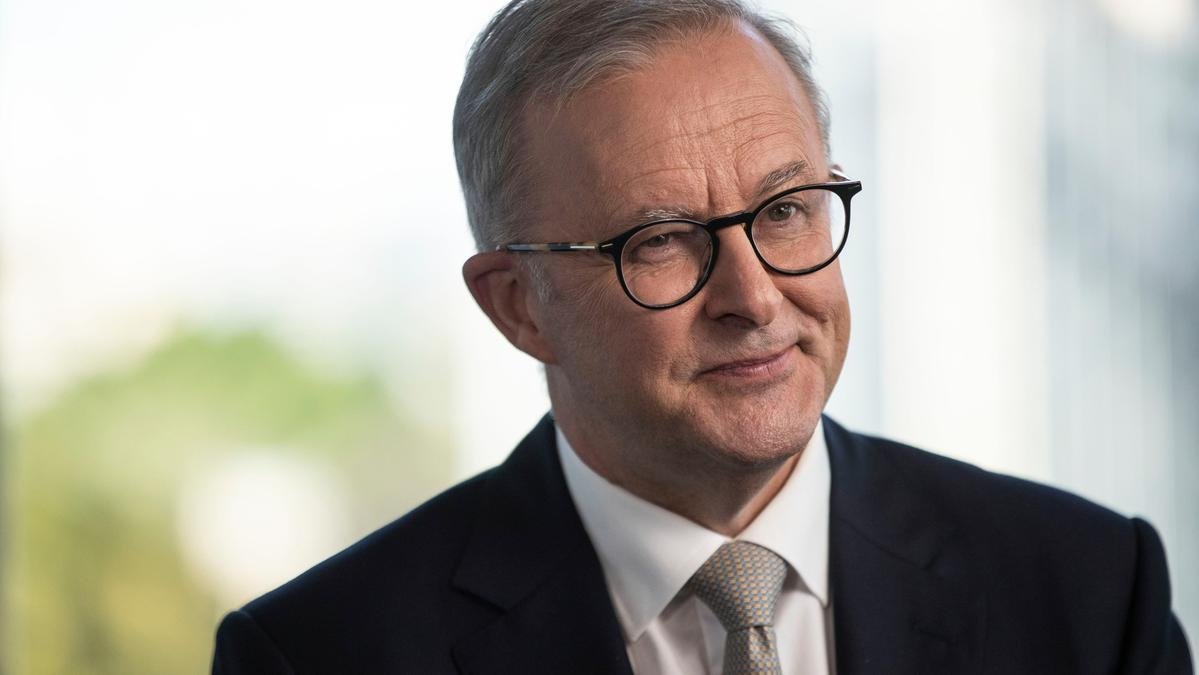
Australian Prime Minister Anthony Albanese has acknowledged that his government must find additional savings as rising inflation and household expenses intensify political pressure on his Labor administration, while ruling out major cuts to health, education and essential public services in the upcoming mid-year budget update.
Albanese’s comments come at a difficult moment for the government, with inflation accelerating, borrowing costs remaining elevated and growing frustration among households struggling to manage everyday expenses. Pressure is mounting not only from the opposition and business groups but also from within Labor itself, where some lawmakers are calling for stronger measures to ease the cost-of-living crisis.
The government is preparing its mid-year budget update, expected in mid-December, against a backdrop of economic uncertainty and growing concern that another interest rate increase could further squeeze household finances. Albanese has promised that savings will be pursued in the coming weeks but insisted that the government would not respond by making sweeping reductions to public services relied upon by millions of Australians.

Speaking about the budget outlook, the prime minister said the government would continue examining its spending commitments and identifying appropriate savings. However, he rejected proposals that would remove tens of billions of dollars from health and education, arguing that hospitals, schools and essential services must remain protected while families face mounting financial pressure.
His position reflects Labor’s attempt to balance two competing priorities: demonstrating fiscal discipline to address inflation concerns while preserving the public services that form a central part of the party’s political identity. The challenge is becoming more difficult as economic pressures increasingly influence public perceptions of the government’s performance.
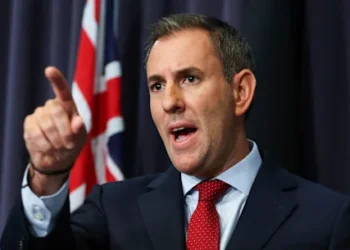
Australia’s headline inflation rate rose to 4.3% in the year to the latest reporting period, according to figures released on Wednesday. The increase has strengthened expectations that the Reserve Bank of Australia could raise interest rates again at its next policy meeting, scheduled for Melbourne Cup day.
The central bank’s cash rate already stands at 4.6%, its highest level in 15 years, following four increases during 2026. A further rise to 4.85% would push borrowing costs to their highest level in approximately 18 years, placing additional pressure on homeowners with mortgages, prospective buyers and businesses dependent on credit.
For households, the impact of higher interest rates can be immediate and substantial. Mortgage repayments may increase, leaving less money available for groceries, transport, utilities and other essential expenses. Renters can also face indirect pressure when landlords encounter higher financing costs, although the extent to which those costs are passed on varies across the housing market.
The combination of rising prices and expensive borrowing has become a central political problem for Albanese. Even when wages increase, households can struggle to maintain their standard of living if essential expenses rise faster than their incomes. Families with limited savings are particularly vulnerable because they have fewer resources to absorb unexpected bills or repeated price increases.
The prime minister has sought to place the government’s response within a broader debate about economic responsibility. He accused the opposition Coalition of criticising Labor’s spending while refusing to support proposed savings measures, including changes to the private health insurance rebate for people aged over 65.
The proposed adjustment is expected to save approximately A$3 billion over four years, with the money intended to support aged care services. However, the measure faces substantial parliamentary opposition, leaving the government with an uncertain path to securing the savings.
The Coalition has opposed the proposal, creating difficulties for Labor as it seeks to demonstrate that it can identify meaningful reductions in spending without undermining essential services. The disagreement illustrates the political obstacles confronting governments that attempt to reduce expenditure through targeted changes to existing benefits.
Opposition lawmakers have argued that Labor’s broader budget settings are contributing to the financial pressure experienced by Australian families. Shadow treasurer Tim Wilson said the government’s policies were forcing households to pay more for goods and services. The Coalition has also criticised government spending as inflation remains above levels that would offer substantial relief to consumers.
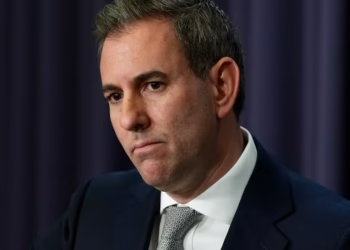
Labor, however, has argued that inflation cannot be explained solely by domestic fiscal policy. Treasurer Jim Chalmers has pointed to international fuel-price pressures and the effects of the conflict involving the United States, Israel and Iran as major contributors to the current economic situation.
Chalmers told parliament that Australia’s inflation problem reflected two important developments: a faster-than-expected recovery in private-sector activity and a significant increase in fuel prices associated with the global oil shock. His argument is that external pressures have added to domestic demand, making the task of controlling inflation more complicated.
The government has highlighted transport costs as one of the clearest examples of these pressures. Transport prices rose 8.7% over the 12 months covered by the latest figures, with escalating fuel prices contributing significantly to the increase. Higher fuel costs can affect not only motorists but also freight companies, manufacturers, retailers and agricultural businesses.
When businesses pay more to move goods and operate equipment, some of those additional costs can eventually be reflected in consumer prices. Food production and distribution are particularly exposed because fuel is needed at multiple stages, from farming and processing to refrigeration and delivery.
Food prices increased by a further 3.2% over the year, while housing costs rose by 5.2%. These increases are especially sensitive for lower- and middle-income households, which typically devote a substantial share of their budgets to accommodation, groceries and transport.
The figures help explain why inflation has become such a pressing political issue. Higher prices for discretionary purchases can sometimes be avoided or postponed, but households cannot easily stop buying food, paying rent or travelling to work. Persistent increases in these areas can force families to reduce spending elsewhere, postpone major purchases or rely more heavily on savings and credit.
Within Labor, concern is growing that the government needs to offer a more direct response to these pressures. Former industry minister Ed Husic has called for price controls on essential grocery items, including bread, milk, meat and fresh produce. His proposal reflects a demand among some lawmakers for measures that could provide visible relief to consumers rather than relying exclusively on longer-term economic policies.
Price controls, however, can raise difficult questions about implementation, supply and the financial position of retailers and producers. Any such policy would need to consider how prices are set, whether suppliers could maintain adequate production and how potential shortages or other unintended consequences would be addressed. The debate nevertheless demonstrates the extent of concern within Labor about the political and social consequences of rising living costs.
Albanese has not embraced a broad programme of price controls in the statements provided, instead emphasising the need to identify savings while protecting public services. His approach suggests the government intends to continue balancing budget discipline with targeted support rather than making immediate, sweeping changes to its economic programme.
The private health insurance rebate proposal is one example of the difficult decisions involved. Reducing the benefit for older Australians could generate funds for aged care, but it may also provoke opposition from affected households and political parties. At the same time, abandoning the measure could make it harder for the government to demonstrate that it is willing to reconsider existing spending commitments.
The December budget update is therefore likely to attract close attention from households, businesses, financial markets and opposition politicians. Higher government borrowing costs could complicate the government’s calculations, particularly if conditions in global bond markets increase the cost of servicing public debt. Additional interest expenses can reduce the room available for new programmes or make further savings more politically urgent.
The government must also contend with the possibility that another rate increase could deepen public dissatisfaction. Although interest rates are determined by the Reserve Bank rather than the prime minister, voters often judge governments by the overall economic conditions they experience. A prolonged period of high inflation and expensive mortgages can therefore become a political liability even when external factors contribute substantially to the problem.
For Albanese, the immediate task is to show that the government recognises the pressure on ordinary Australians and has a credible plan to respond. Protecting health and education spending may help preserve Labor’s support among voters who depend on public services, but the commitment also narrows the range of spending reductions available to the government.

The coming weeks will reveal whether Labor can secure agreement on savings measures, particularly the proposed changes to the private health insurance rebate, and whether its broader budget strategy can address concerns about inflation and government spending. The government will also be watching the Reserve Bank’s next decision for signs of how much further borrowing costs could rise.
Australia’s economic debate is increasingly focused on the relationship between inflation, government spending, global energy prices and household financial security. Albanese’s refusal to pursue major cuts to essential services establishes a clear boundary for his administration, but it does not remove the pressure to find savings or demonstrate that living costs can be brought under control.
With prices continuing to rise and the possibility of another interest rate increase approaching, the political test for Labor will be whether it can turn its commitments into meaningful relief for households while maintaining the funding needed for hospitals, schools and other essential services.
Related News:
 Ministers Push ATO to Reconsider Credit Card Ban
 Australia Delays Tax Credit Card Payment Ban After Backlash
 Cormann Warns Australia Against Populist Migration Caps
 BBC News Faces Deep Cuts in 2,000 Job Plan
 Reeves Fights to Keep Treasury Role Amid Labour Turmoil
 Burnham Faces Mounting Budget Challenges
 Thinktank Calls for Abolition of UK State Pension
 MPs Defend UK Economic Watchdog Against Critics
 Tony Blair Calls for Britain to Rejoin EU Within a Decade
 Saudi intercepts Houthi missiles as oil fears grow
 London Council Warns of 150% Council Tax Rise
 Informa Agrees £2.24bn Deal to Buy Clarion
 EU-China Talks Target Surge in Hybrid Car Imports
 IMF Warns Governments Over Rising Debt Burdens
 France Faces Debt Crisis as Protests and Markets Clash
 Labour Fears Budget Will Fail to Lift Living Standards
 IFS Warns UK Budget Faces £35bn Spending Gap
IMF Raises UK Growth Forecast Ahead of Healey’s Budget
 Greens Block Labor’s Health Rebate Cuts for Pensioners
 Business Chief Urges Burnham to Fix Brexit Damage
UK Borrowing Hits £24.5bn Ahead of Healey’s Budget
 Trump Faces Voter Backlash Over Soaring Gas Prices
 Tax Online Sales to Save High Street, Burnham Urged
 Jim Chalmers Navigates Hard Economic Choices as Inflation
 Labour MPs Urge Burnham to Lead UK Reindustrialisation
 Australia Inflation Surges as Trump’s Iran War Hits Households
 Fed Expected to Hold Rates Steady Ahead of US Midterms
 UK Doubles Steel Tariffs to 50% to Protect Domestic Plants
 Albanese Rejects Gas Export Tax Push
 Kevin Warsh sworn in as Fed chair amid economic backlash
 Albanese Defends Tax Reforms Amid Emotional Speech
 Nationwide Faces Governance Scrutiny Ahead of AGM
 Hungary Targets Oligarchs with Proposed Landmark Wealth Tax
 Trump Refuses to Sign Housing Bill, But Law Takes Effect
 Trump Hardens Canada Trade Stance as Talks Stall
 Reform Faces Fresh Financial Controversy
 Swedish Mining Push Puts Sami Land Rights Under Pressure
 UK House Prices Fall as Mortgage Rates Rise
 Oil nears $100 as Saudi attacks shake markets
 John Lewis Losses Widen to £124m as Confidence Falls
 North Sea Firms Urge Early End to Windfall Tax
 UK Pay Growth Slows to 3.9% as Rate Decision Nears
 Bank Urged to Slow Bond Sales as UK Costs Rise
 Trump Threatens EU With Tariffs Over Canada Proposal
 Trump Threatens EU Over Canada Partnership Proposal
 UK Retail Sales Rebound as Consumers Spend More
 UK Rent Gap Puts Low-Income Families Under Pressure
 Reform UK Faces Internal Debate Over £72m Spending
 Calls Grow to Expand UK National Wealth Fund
 Australia Renewables Reach Record 80% Grid Demand
 Iran Rejects Claims of Shift in US Talks
 Chinese Hybrid Car Surge Raises EU Auto Industry Concerns
 AO Acquires Jessops in Camera Retail Expansion
 Should Savers Lock Into 5.25% Fixed Rates?
 Burnham Opens Door to Possible UK Return to EU
 Poundland Rescue Bid Could Protect 11,000 Jobs
 Healey urged to act as UK energy bills rise 4%
 UK house price growth slows as mortgage rates rise
 UK borrowing costs surge as global bond sell-off deepens
 French Debt Fears Put Euro Markets Under Pressure
 UK Assures Public Over Diesel Supply
 Badenoch Raises Prospect of 2027 UK Election
 UK Diesel Reaches £2 as Inflation Surges Across Europe
 Minister Rejects Fears of UK Diesel Shortage
 DOJ Declines to Reopen Powell Renovation Probe
 BT Agrees £400m TalkTalk Rescue Deal
 Tesco Raises Profit Forecast as Consumer Confidence Holds
 Oil Shock Sends Markets Lower as Middle East Risks Grow
 Australia Rejects Russian Fuel as Trump Strikes Deal
 Hall and Woodford Win Nobel Economics Prize
 IMF Warns Global Economy Is Nearing Its Limits
 Brazil Court Scandal Threatens Lula as Bolsonaros Rise
 Healey Plans £1bn Online Marketplace Tax Crackdown
 Trump Rallies GOP as Senate Democrats Boost Key Races
 UK Could Rejoin EU Through a Switzerland Plus Deal
 UK Plans Higher Training Costs for Older Apprentices
 UK Unemployment Falls to 4.7% as Vacancies Decline
 Sainsbury’s Warns of Tough Christmas Ahead
 China’s AI Ambitions Hit $2.4 Trillion Market Setback
 Healey Set to Scrap Planned Cut to Cash ISA Allowance