Published: 30 October 2026. The English Chronicle Desk. The English Chronicle Online
Millions of Britons who earn extra money from hobbies, freelance work, reselling goods and other small-scale activities are set to receive a significant tax change, after the UK government announced plans to increase the tax-free trading allowance from £1,000 to £3,000 a year.
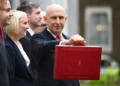
The change, announced in the 2026 budget, is due to take effect in April 2027 and could benefit as many as 1.4 million people across the country. For many individuals who use side hustles to supplement their wages, the increase could mean lower tax bills, less administrative work and greater flexibility in turning spare-time activities into additional income.
The government has presented the measure as a way of making it easier for people to earn money independently at a time when household finances remain under pressure. Side hustles have become increasingly common in recent years, with people looking for additional sources of income alongside traditional employment.

Activities such as selling unwanted or second-hand clothing, tutoring, dog-walking and providing specialist services have become popular ways of generating extra cash. Online marketplaces have also made it considerably easier for individuals to reach customers without establishing a conventional business.
The growth of online selling has been particularly striking. Data provided by HM Revenue and Customs to accountancy firm Lubbock Fine showed that 2.6 million people made money selling goods through platforms such as eBay, Vinted and Etsy last year. That compared with only about 450,000 people in 2024, highlighting how rapidly informal and small-scale trading has expanded.
Under the current rules, individuals can earn up to £1,000 a year from trading activities without paying tax under the trading allowance. Once income exceeds that threshold, tax obligations can arise depending on a person’s overall income and circumstances.
The new £3,000 threshold will provide a much larger margin for people who earn relatively modest amounts from side activities. The government estimates that about 1.4 million people could benefit from the reform, although the effect will vary depending on individual earnings and tax positions.
Around 400,000 people are expected to see their tax bills fall as a result of the change. The average saving for those individuals is estimated at approximately £380 a year. For households managing tight budgets, several hundred pounds in annual savings could make a meaningful difference, particularly when combined with other rising living costs.
Another 100,000 people are expected to benefit in a different way because they will no longer need to report their trading income to HMRC. Reducing the number of people required to complete additional tax reporting could make the system easier to understand and reduce the administrative burden associated with small-scale income generation.
Sarah Coles, head of personal finance at AJ Bell, said the higher allowance would offer more than simply a financial benefit. For people running small side businesses, she argued, reducing the amount of paperwork could allow them to spend more time earning money and less time dealing with tax administration.
The new threshold means eligible individuals will be able to make up to £3,000 through trading before they need to consider whether they must complete a self-assessment tax return because of that trading income. The change is therefore expected to be particularly useful for people whose side activities remain relatively small.
However, the higher allowance does not mean that every form of money received by an individual will automatically become tax-free. The distinction between selling personal possessions and operating a trading activity remains important.
For example, someone who sells their own clothes or household belongings for less than they originally paid generally does not make a taxable profit. In such circumstances, the transaction is normally regarded as the disposal of a personal possession rather than commercial trading.
The situation can be different when a person regularly buys goods with the intention of reselling them for profit. That activity can constitute trading, meaning the income may fall within the tax rules even if it takes place through an online marketplace and is operated from home.
Jane Hawkes, a consumer champion and founder of the Lady Janey blog, welcomed the increase in the allowance, describing side hustles as an opportunity for people to turn hobbies, skills and spare-time activities into additional income. She also stressed that individuals need to understand their responsibilities so they do not accidentally breach tax rules.
The distinction is becoming increasingly important because HMRC has gained greater access to information about online sellers. New rules introduced last year require digital platforms to provide information about sellers and their earnings to the tax authority.
HMRC now receives data concerning sellers who meet specified activity thresholds, including those who make 30 sales or generate €2,000, equivalent to roughly £1,700, on a platform during a year. The information-sharing system is designed to help authorities identify taxable trading activity and ensure that people who are required to pay tax do so.
The new £3,000 allowance does not remove the need for individuals to understand those rules. Instead, it raises the level at which the trading allowance becomes relevant. People who earn more than the threshold may still have tax obligations, while those with larger businesses may need to consider whether claiming actual allowable expenses would be more beneficial.
For individuals whose trading income exceeds £3,000, taxpayers can generally consider the trading allowance against their income or calculate their taxable profit by deducting eligible business expenses and certain capital costs. The most appropriate approach will depend on the circumstances of each individual business.
The policy comes as the UK’s side-hustle economy continues to evolve. The growth of online marketplaces, social media platforms and digital payment systems has lowered many of the traditional barriers to starting a small business. Someone with a specialist skill, spare room, creative hobby or collection of second-hand goods can now potentially reach customers across the country without investing heavily in premises or conventional advertising.
For some people, side hustles are primarily a way to earn a little extra money. For others, they represent a potential pathway into self-employment. A more generous trading allowance could encourage more individuals to experiment with small commercial activities without immediately facing the administrative demands associated with a larger business.
The policy could also have wider implications for the UK’s labour market. As traditional employment patterns change, an increasing number of workers are combining salaried jobs with freelance or entrepreneurial activities. The rise of flexible working and digital platforms has made it easier for individuals to generate income outside their main occupation.
At the same time, policymakers face the challenge of ensuring that the tax system remains fair between informal sellers and established businesses. A person operating a small online shop may have very different costs and obligations from a company employing staff, renting premises and maintaining a larger operation. The trading allowance is therefore intended to provide a simplified route for genuinely small-scale activities rather than remove tax responsibilities from established commercial enterprises.
The government hopes the reform will make the tax system less burdensome for people at the lower end of the trading spectrum. Supporters argue that unnecessary administrative requirements can discourage people from developing small businesses, particularly when the amount of money involved is relatively modest.
Critics or tax advisers, however, are likely to continue emphasising the importance of understanding the difference between casual selling and genuine trading. The rapid growth of online marketplaces means the boundary can sometimes be unclear to individuals who start selling items regularly without considering the tax implications.

For millions of Britons, the key change from April 2027 will nevertheless be straightforward: the amount they can earn through qualifying trading activity before the trading allowance becomes a major tax consideration will rise substantially, from £1,000 to £3,000.
The increase is likely to be welcomed by people who depend on additional income to manage household expenses, as well as those who use side hustles to test whether a hobby could eventually become a larger business. But the government and tax experts are also making clear that the new allowance should not be interpreted as a blanket exemption for all money earned online.
As Britain’s side-hustle economy continues to expand, the higher threshold could encourage more people to participate while reducing the paperwork faced by those operating at a small scale. The real impact will become clearer after the new allowance takes effect in April 2027, when individuals begin navigating the revised rules in practice.
Related News:
 UK Households Could Save £173 on Fixed Energy Deals
 UK House Prices Fall as Mortgage Rates Rise
 Thames Water Revises Oxfordshire Mega-Reservoir Plan
 UK Rent Gap Puts Low-Income Families Under Pressure
 Thinktank Calls for Abolition of UK State Pension
 New UK Homes in Flood Zones Face Insurance Risk
 Poundland Rescue Bid Could Protect 11,000 Jobs
 Healey urged to act as UK energy bills rise 4%
 Labour Fears Budget Will Fail to Lift Living Standards
 Wealthy Britons Flee Gulf War but Avoid UK Taxes
 UK Wage Growth Slows as Jobs Market Holds Firm
 BBC News Faces Deep Cuts in 2,000 Job Plan
 New UK advice scheme to boost savings and investing
 Reeves Fights to Keep Treasury Role Amid Labour Turmoil
 UK rejects EV charging VAT cut amid Treasury clash
 Burnham Faces Mounting Budget Challenges
 UK Subsidence Claims Surge After Record-Breaking Summer
 Oil nears $100 as Saudi attacks shake markets
 John Lewis Losses Widen to £124m as Confidence Falls
 UK Retailers Accused of Breaking Refund Laws
 UK State Pension Set to Rise 3.9% as Triple Lock Holds
 UK Parents Cut School Uniform Costs as Prices Rise
 UK Pay Growth Slows to 3.9% as Rate Decision Nears
 Bank Urged to Slow Bond Sales as UK Costs Rise
 UK Inflation Hits 3.1% as Household Pressure Grows
 UK Youth Jobs Gap Reveals Deep Regional Divide
 Entain Plans 400 Job Cuts After Profit Update
 Barclays Staff Push Back Against Office Return Plan
 UK Retail Sales Rebound as Consumers Spend More
 Calls Grow to Expand UK National Wealth Fund
 Labour Apprenticeship Scheme Faces Slow Start
 UK Borrowing Hits £18.3bn Ahead of Budget
 MPs Defend UK Economic Watchdog Against Critics
 Tony Blair Calls for Britain to Rejoin EU Within a Decade
 UK Trade Losses Grow Without EU Product Deal
 AO Acquires Jessops in Camera Retail Expansion
 Should Savers Lock Into 5.25% Fixed Rates?
 Beaverbrooks Boss Calls for Relief on Business Costs
 UK Diesel Prices Hit Record High Amid Iran Conflict
 Burnham Opens Door to Possible UK Return to EU
 UK house price growth slows as mortgage rates rise
 UK borrowing costs surge as global bond sell-off deepens
 UK Assures Public Over Diesel Supply
 Feeld Founders Receive Record Dividend as Sales Rise
 Badenoch Raises Prospect of 2027 UK Election
 UK Diesel Reaches £2 as Inflation Surges Across Europe
 Minister Rejects Fears of UK Diesel Shortage
 London Council Warns of 150% Council Tax Rise
 BT Agrees £400m TalkTalk Rescue Deal
 Informa Agrees £2.24bn Deal to Buy Clarion
 Google Maps Brings Live Fuel Prices to UK Drivers
 Labour MP Urges Billions for Affordable Homes
 France Faces Debt Crisis as Protests and Markets Clash
 UK Savers Face Uncertainty as Rates Rise Above 5%
 IFS Warns UK Budget Faces £35bn Spending Gap
 UK Van Drivers Face £2.5bn Diesel Cost Surge
 IMF Warns Global Economy Is Nearing Its Limits
IMF Raises UK Growth Forecast Ahead of Healey’s Budget
 Cyber Fraud Threatens Trust in Global Financial System
 Healey Plans £1bn Online Marketplace Tax Crackdown
 UK Water Firms Face £107m Bill Reduction Penalties
 Business Chief Urges Burnham to Fix Brexit Damage
 Cormann Warns Australia Against Populist Migration Caps
 UK Family Linked to Offshore Gambling Licence Controversy
 UK Unemployment Falls to 4.7% as Vacancies Decline
UK Borrowing Hits £24.5bn Ahead of Healey’s Budget
 Tax Online Sales to Save High Street, Burnham Urged
 UK Consumer Confidence Plunges at Fastest Rate Since Brexit Vote
Brexit Deal Not Good Enough for Britain, Burnham Says
 Labour MPs Urge Burnham to Lead UK Reindustrialisation
 UK Chancellor Moves to Scrap Gas Standing Charges
 Healey Set to Scrap Planned Cut to Cash ISA Allowance
 UK Budget Leaves Households Facing Higher Energy Bills
 Lloyds Warns Against Extending Higher Bank Tax
 Rising Costs Force Families to Rethink Days Out
 North Sea Firms Urge Early End to Windfall Tax
 Ministers Push ATO to Reconsider Credit Card Ban
 UK Inflation Hits 3.5% as Middle East War Drives Fuel Costs
 Sainsbury’s Warns of Tough Christmas Ahead
 UK Land Registry Plan Faces Opposition From Landowners