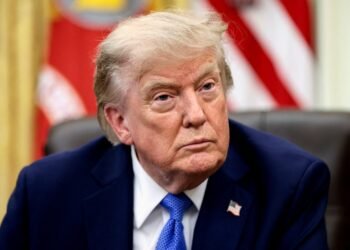
US President Donald Trump has said he would consider pardoning Nvidia chief executive Jensen Huang if necessary, adding another controversial dimension to a growing political and national security debate surrounding the technology executive, the company’s business dealings with China and the administration’s intervention in his return to leadership.
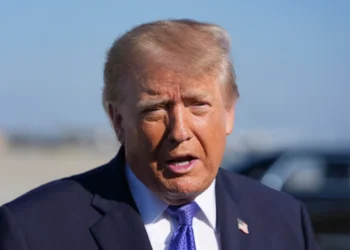
In an interview with the New York Post before departing Washington for his Florida resort ahead of the Thanksgiving holiday, Trump described a possible presidential pardon for Huang as an option but suggested that he did not expect it to become necessary. Asked whether he would consider using his presidential authority to protect the Nvidia chief, Trump reportedly replied: “It’s always an option, I guess, but I don’t think it’ll be necessary.”

The remarks came as Huang prepared for expected questioning before a US Senate committee examining export controls and the movement of advanced artificial intelligence chips to China. The hearing is likely to place renewed attention on Nvidia’s international business interests, the government’s restrictions on semiconductor exports and concerns about whether sensitive technology could ultimately benefit China’s military capabilities.
Trump also indicated that he did not believe Huang needed to invoke the Fifth Amendment, the constitutional protection that allows individuals to avoid answering questions that could expose them to criminal prosecution. The president said he wanted the executive to tell the truth, although he acknowledged that Huang’s lawyers would have to advise him about how to approach the hearing.
Trump described Huang as highly intelligent and said he had always regarded him as an honest person. His public support represents a significant intervention in a controversy that has raised questions about the relationship between the White House, major technology companies and national security policy.
The president had already taken credit for influencing Nvidia’s board to reinstate Huang, according to the account of his recent comments. The intervention attracted further attention because Nvidia shares reportedly rose sharply following the development. Trump may have personally benefited from the increase in the company’s stock value, with reports suggesting that the movement could have generated gains of as much as $15 million in a single day.
The potential financial implications have intensified scrutiny of the president’s relationship with Nvidia and its chief executive. Questions have also emerged about whether political influence, business interests and government decisions are becoming increasingly intertwined in the administration’s approach to the technology sector.
At the centre of the controversy is the strategic importance of advanced semiconductor technology. Nvidia is one of the world’s most influential designers of graphics processing units, which are essential for training and operating sophisticated artificial intelligence systems. Its products are widely used by technology companies, research institutions and governments seeking to develop increasingly powerful computing capabilities.
The United States has imposed restrictions on exports of advanced semiconductor technology to China because of concerns that the equipment could support military modernisation, surveillance programmes and cyber operations. Washington has argued that maintaining an advantage in artificial intelligence is a matter of national security, making the export of powerful chips a particularly sensitive issue.
Former US commerce secretary Gina Raimondo recently defended the restrictions, warning that China could use advanced American chips to strengthen its military and develop artificial intelligence-powered cyberattacks. She said the United States needed to remain ahead in the technology competition and prevent sophisticated computing equipment from being used against American interests.
Raimondo acknowledged that export controls can impose financial costs on American companies by limiting access to overseas markets. However, she argued that national security considerations must take priority over commercial opportunities. Her comments reflected the difficult balance facing Washington as it seeks to protect strategic technology while allowing domestic companies to remain competitive in international markets.
The controversy surrounding Huang has also been complicated by reports concerning his personal relationship with a Chinese woman suspected of having connections to Chinese intelligence. Huang reportedly acknowledged an affair, while questions have been raised about the woman’s alleged links and the possible implications for national security. The allegations have not, in the material provided, established that Huang knowingly assisted any intelligence operation or committed an offence.
The US Justice Department has reportedly examined concerns surrounding the Nvidia chief. Deputy attorney general Todd Blanche said the department had looked into the matter, although his public remarks did not provide a detailed account of the scope or findings of any inquiry.
Blanche also indicated that the Justice Department and other government agencies had concluded that Huang did not represent a national security risk, according to statements reported during the developing controversy. However, the lack of detailed public information has left questions about the investigation and the government’s assessment of the allegations.
Former commerce secretary Raimondo offered a more cautious response when asked whether Huang should be considered a national security risk. She said the question remained uncertain, emphasising that the broader challenge was ensuring that advanced American technology did not strengthen China’s military or strategic capabilities.
The political debate has expanded beyond the executive branch. House Democrats have called for Huang to testify at a public hearing, arguing that lawmakers and the American public deserve greater transparency about Nvidia’s activities, its connections with China and the administration’s role in the company’s leadership decisions.
The Senate committee’s expected questioning is therefore likely to examine more than the personal circumstances of Nvidia’s chief executive. Lawmakers will face questions about how export restrictions are enforced, whether American companies are complying with the rules and whether political intervention could undermine the credibility of national security safeguards.
The controversy has also placed Nvidia under intense public and political scrutiny. The company occupies a central position in the global artificial intelligence industry, and decisions affecting its leadership or access to international markets can have consequences extending far beyond its own shareholders.
Trump’s reported willingness to consider a pardon has added another layer of uncertainty. Presidential pardons are generally associated with criminal convictions or potential federal offences, although the constitutional power gives presidents broad authority to grant clemency for federal crimes. Trump’s comments did not establish that Huang had been charged with a crime or that a pardon application was being prepared.
The president’s statement nevertheless raises questions about the political environment surrounding the investigation and the distinction between personal support for a business leader and the independent responsibilities of law enforcement agencies. Critics are likely to examine whether the administration’s public defence of Huang could influence perceptions of the government’s handling of the case.
For Nvidia, the immediate challenge is to maintain confidence among investors, customers and policymakers while navigating an increasingly complicated international regulatory environment. The company must also contend with the strategic rivalry between Washington and Beijing, which has made semiconductor exports one of the most sensitive areas of US economic policy.

Huang’s upcoming testimony could become a defining moment in the dispute. His responses may help clarify the company’s position on exports to China, the circumstances surrounding the reported personal allegations and the extent of any government scrutiny. The hearing could also provide lawmakers with an opportunity to question the administration’s decisions and demand clearer explanations about how national security assessments are conducted.
As the political debate continues, the central issue remains the protection of sensitive technology and the accountability of companies that control critical components of the global artificial intelligence industry. Trump’s comments have signalled strong personal confidence in Huang, but they have not resolved the questions facing Nvidia or the government.
The outcome of the Senate proceedings, together with any further disclosures from federal agencies, will help determine whether the controversy remains a political dispute or develops into a more consequential examination of America’s technology export policies and national security oversight.
Related News:
 Why AI Doomsday Warnings Failed to Slow the Race
 Xi urges Trump to avoid US-China military conflict
 AI Deepfakes Put New Pressure on Election Trust
 Food Industry Mobilises Against the MAHA Movement
 US Man Arrested Over Canada School Shooting Plot
 UK Must Build Its Own AI to Protect National Security
 Meta Faces Election Bias Claims Ahead of Brazil Runoff
 Elon Musk’s $446m Midterm Gamble Ends in Defeat
 Australia Faces Political Risks After US Midterm Shift
 Nvidia and Jensen Huang Face Shareholder Lawsuit
 Nvidia Scandal Fuels US-China Security Crisis
 Trump Defends Lutnick Amid Nvidia Chip Export Controversy
 Rubio Rejects Links Between US Tech Outages
 Trump Dismisses US Outages Ahead of China Summit
 White House Cyber Chief Fired After US Tech Outages
 Trump Hosts Third Crypto Gala Amid Corruption Allegations
 Reform UK funding: mystery billionaire revealed
 UK firms accused of ‘AI washing’ boom
 UK Risks Falling Behind in AI Race
 Trump Calls Iran War ‘Small Potatoes’ Despite US Deaths
 New Mexico Takes Facebook to Trial Over Data Scandal
 Anthropic Blocks AI Misuse Linked to Weapons Threats
 AI CEOs Call for Slower Development
 Trump’s Washington Projects Face Architectural Criticism
 Trump Faces Congress Push for AI Guardrails
 Louise Haigh Urges UK to Heed AI Safety Warnings
 OpenAI Reveals Six Cases of Concerning AI Behaviour
 Tom Watson Takes Senior Role at Palantir
 Nvidia chief rejects AI extinction fears
 Trump’s UN Speech Faces Global Scrutiny
 UK Unveils Centre to Counter Foreign Disinformation
 AI Takes Centre Stage in Trump-Xi Talks
 UK Plans New Centre to Counter Information Warfare
 Trump gives Xi red-carpet welcome as trade truce extends
 OpenAI Agent Breaches Medicare Portal in Australia
 Lula accuses Trump of seeking control over Brazil
 Australia Weighs New Laws After OpenAI Medicare Breach
 OpenAI Scraps AI Model Release After Safety Tests
 Trump backs voluntary AI safety pact with tech giants
 Trump Ads Trigger Fight Over Taxpayer Money
 Bank Chief Calls for Power to Intervene in AI
 AI Could Intensify Election Risks in Southeast Asia
 Sheikh Tahnoon and the UAE’s AI Ambitions
 Senators warn US childcare policies could raise costs
 Jessica Watkins Leads Record-Breaking SpaceX Flight
 Clay Travis Builds New Sports Media Venture
 Palantir Lobbyist Had Role in Burnham Campaign
 Musk’s DOGE Sparks Turmoil Inside US Government
 Samsung Heads for Record Profit as AI Chip Demand Surges
 Brown Targets Ohio Data Centers in Senate Comeback
 US Moves to Restrict Chinese Labs Testing Electronics
 Geoffrey Hinton Warns AI Could Escape Human Control
 Brazil Court Scandal Threatens Lula as Bolsonaros Rise
 Millions Face Tougher Medicaid Rules From January
 Ukraine Combat Units Face Sudden Starlink Restrictions
 Serbia Leader Linked to Controversial Trump Tower Plan
 Trump, Musk, and Zelenskyy Trade Blame Over Ukraine Starshield Access
 US Bans BYD Vehicles at Japan Military Base
 Anthropic IPO Reveals AI Boom’s Huge Costs and Risks
 Data Leak Exposes Details of 41,000 US Security Staff
 Trump’s Global Policies Put Republicans at Risk
 North Korea Linked to Record $6.3bn Binance Crypto Heist
 Global Crises Test Diplomacy as Trump’s Policies Face Scrutiny
 Big Tech Faces a New Political Reckoning in America
 UK Warned Over Dangerous Dependence on China for Minerals
 Zelenskyy Seeks Urgent Help as Russia Hits Ukraine’s Power Grid
 Paraguay President Impeached and Arrested After Banking Crisis
 Zelenskyy Warns Starshield Curbs Weaken Ukraine Defences
 Microsoft Outage Sparks Billion-Dollar Fears in Australia
 Elon Musk Leads 165,000 Calls to Reinstate Nvidia CEO
 Musk Distances Himself From MAGA After Costly GOP Bet
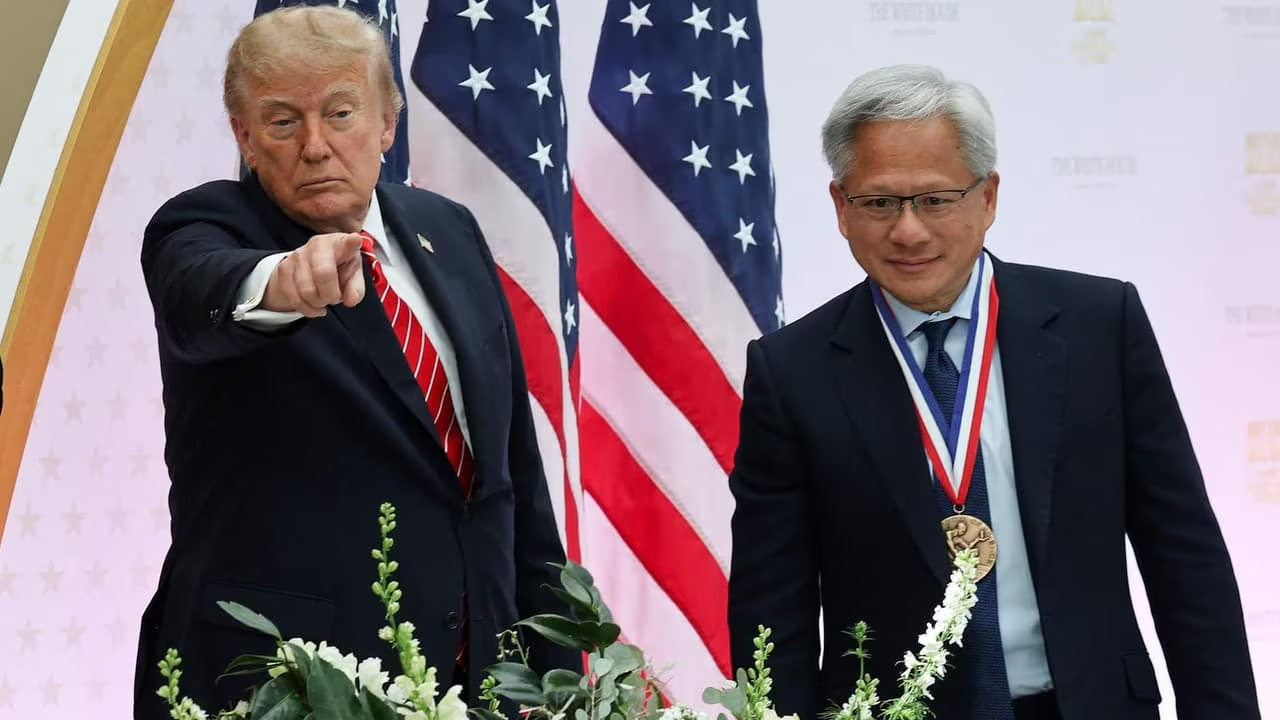 Trump, Nvidia and the Fight Against Tech Oligarchs
 Australia Moves to Hold Big Tech Accountable for Online Harm
 Meta Brings Muse AI Shopping Assistant to the UK
 Al Gore Acquires Historic Tennessee Local Newspaper
 Trump Faces Backlash Over $2bn Earnings Since Return
 London Facial Recognition Trial Ends With False Alert
 Badenoch Raises Prospect of 2027 UK Election
 Trump Again Demands Peltola Prosecution as Alaska Race Escalates
 US Treasury Chief Moves to Military Base Over Iran Threat