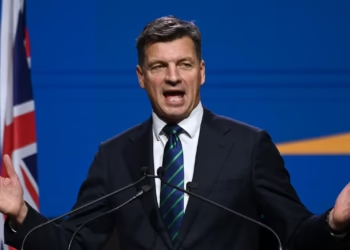
Australia’s Victorian opposition Coalition has unveiled plans to sell or lease several major public assets, including Melbourne’s sewage treatment plants, government-owned land and renewable energy projects, if it wins the state election. The proposals, released by Liberal leader Jess Wilson just two days before polling day, have placed public ownership, infrastructure investment and the state’s debt burden at the centre of the final stage of the campaign.
The policy costings reveal that a future Liberal-National government would pursue a $13.6bn asset-recycling programme as part of a broader effort to reduce capital spending and improve Victoria’s financial position. The plan includes a proposed 90-year lease of Melbourne Water’s Eastern and Western treatment plants, the sale of public land to housing developers, the disposal of state-owned renewable energy projects and the sale of development rights above land near Richmond railway station and the Melbourne Cricket Ground.

The announcement has generated strong reactions from unions, environmental organisations and the Labor government, with critics arguing that the proposals could transfer valuable public infrastructure and land into private hands. Wilson, however, has defended the plan as a responsible financial strategy, saying the government would retain ownership of the sewage assets under the proposed lease arrangement.
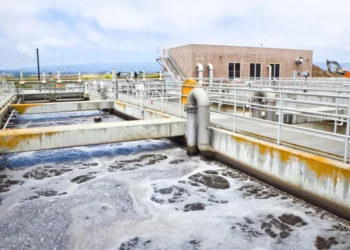
The proposed sewage arrangement is among the most significant elements of the Coalition’s financial plan. Under the proposal, Melbourne Water’s Eastern and Western treatment plants would be leased to a private operator for 90 years. Together, the facilities process the vast majority of Melbourne’s sewage, making them essential to the city’s sanitation and wastewater infrastructure. The Coalition estimates the lease would generate approximately $9.2bn.
Wilson said the state would continue to own the underlying assets and insisted that the arrangement should not be described as privatisation. She also promised that household water bills would not increase as a result of the lease, adding that the Essential Services Commission would continue regulating prices across the water sector.
The proposal is not entirely new. The Coalition has taken similar plans to the 2018 and 2022 Victorian elections. However, Wilson’s latest announcement has attracted particular attention because of her earlier public position on Melbourne Water. In August, she said the Liberals had never considered leasing or privatising the utility and indicated that the party would not pursue such a policy.
The Australian Services Union’s Victorian and Tasmanian branch secretary, Tash Wark, said the announcement represented a broken commitment to voters. She questioned why the policy had been disclosed so close to polling day, particularly when a substantial number of Victorians had already voted through early voting.
Wark also raised concerns about the consequences of a 90-year agreement, arguing that future generations could be left dealing with problems created by a decision made by the current political leadership. The union rejected the Coalition’s assurances about price regulation and pointed to concerns about the experience of water privatisation in the United Kingdom.
Beyond the sewage plants, the Coalition’s asset-recycling programme includes the proposed sale of approximately $1.3bn worth of government-owned land to housing developers. The party argues that releasing the land could help generate revenue while potentially supporting development. However, the proposal raises broader questions about the future ownership and use of public land, particularly as housing affordability remains a major issue for many Victorian households.
Another component involves selling the development rights, commonly known as air rights, above the area between Richmond railway station and the Melbourne Cricket Ground. The Coalition estimates these rights could generate around $92m, provided the precinct is revitalised. The location is significant because Richmond station serves major sporting and entertainment events at the MCG, one of Australia’s best-known venues.
The plan also proposes selling renewable energy projects owned by the State Electricity Commission, potentially generating savings of approximately $1bn. The commission was revived under the former Andrews Labor government as part of its 2022 election commitments and was subsequently protected through constitutional arrangements.
Wilson has argued that selling selected renewable energy projects would not require the complete dismantling of the commission. She said the organisation could continue providing services even if some of its existing projects were transferred to private ownership. The proposal has nevertheless raised questions about the Coalition’s future approach to publicly owned renewable energy infrastructure and the state’s role in the energy transition.
The opposition’s financial plan also depends on reducing infrastructure spending. Its costings propose a $14.47bn reduction in capital expenditure, with the asset-recycling programme forming a major part of the strategy. The Coalition has also identified savings from cancelling or delaying several planned level-crossing removal projects.
The affected locations include Brunswick, Parkville, Yarraville and Spotswood. The proposed cancellations in Yarraville and Spotswood are particularly significant because contracts have already been signed. The Coalition estimates that ending those arrangements would involve approximately $90m in cancellation costs, while producing larger savings over time. Other projects would be postponed until after 2030.
The party estimates that changes to the level-crossing programme would save approximately $1.23bn. However, the decision could affect communities that have been expecting improvements to road and rail infrastructure. Residents and commuters in the affected areas may face uncertainty over transport planning and the timing of future safety improvements.
The Coalition also plans to draw approximately $5.73bn from government contingency funding. Such funds are normally reserved for unexpected expenses and future programmes, meaning their use for debt reduction has become another point of debate in the election campaign.
According to the independent Parliamentary Budget Office, the Coalition’s proposed measures would reduce Victoria’s net debt to approximately $176bn by the 2029-30 financial year. Wilson said the plan would save the state around $4.2bn in interest payments, allowing more resources to be directed towards other priorities.
Labor released its own overall budget projections on Thursday. The figures showed a projected reduction of approximately $1bn in state debt, from $196bn to $195bn by 2029-30. The competing estimates have placed financial management at the centre of the final campaign debate, with both major parties presenting different approaches to debt reduction and public investment.
The Coalition’s costings also include changes to early childhood education. Under Labor’s plan, the free kindergarten programme is expected to expand towards 30 hours a week. The opposition, however, proposes maintaining the rollout at 15 hours weekly. It estimates that limiting the expansion would save approximately $639m while allowing the existing free-kindergarten commitment to continue.
Another proposed saving involves ending international travel allowances for members of parliament, which the Coalition estimates would save $3.38m over the forward estimates. The party has also previously announced a public service hiring freeze, which Wilson says could save $23bn over a decade, including approximately $5.7bn during the next four years.
Additional measures include ending the state’s treaty arrangements with First Nations people, which the Coalition estimates would save $407.6m, and privatising the Melbourne Market, expected to generate savings of around $578m. These proposals add to the wider debate about the future of public institutions, government responsibilities and the financial priorities of a potential Coalition administration.
The late release of the costings has become a central political controversy. More than 1.5 million Victorians had already voted before Wilson presented the detailed financial plan. The opposition leader defended the timing, saying releasing costings at this stage of an election campaign was standard practice and that voters could make their decisions using the information available to them.
The Greens leader, Ellen Sandell, strongly criticised the announcement, describing it as a major disclosure at the final stage of the campaign. She argued that public land, renewable energy infrastructure and sewage facilities belonged to the people of Victoria and should not be treated as assets available for sale by a political party.
Labor Treasurer Colin Brooks also condemned the proposals, describing them as a major programme of asset sales that had been kept from voters until shortly before election day. He questioned the transparency of the Coalition’s approach and argued that Victorians should have been given more time to assess the consequences of the policies.
Environment Victoria also expressed opposition. Its chief executive, Jono La Nauze, criticised the timing of the announcement, arguing that presenting a major privatisation programme after early voting had begun raised concerns about how openly the policies had been communicated to the electorate. He compared the approach to earlier privatisation policies associated with former Victorian premier Jeff Kennett’s era.
The dispute reflects a broader disagreement over how Victoria should address its financial pressures. The Coalition argues that selling or leasing selected assets, reducing infrastructure spending and controlling government expenditure would help lower debt and interest costs. Its critics question whether the immediate financial gains would justify transferring long-term control of essential infrastructure and public resources to private operators.

For voters, the proposals raise important questions about the balance between reducing government debt and maintaining public ownership of essential services. The sewage treatment plants, renewable energy projects and public land involved are not simply financial assets; they also form part of Victoria’s long-term infrastructure and development strategy.
With the state election approaching, the competing financial plans have become a major issue for the parties seeking public support. The Coalition’s announcement has added a new dimension to the campaign, leaving voters to consider not only the parties’ spending promises but also how they intend to finance them and what role the public sector should play in managing Victoria’s essential assets.
Related News:
 NSW Leader Downplays Impact of Landmark Coal Ruling
 Labor Minister Defends Chalmers Amid Budget Tensions
 UK rejects EV charging VAT cut amid Treasury clash
 Australia Renewables Reach Record 80% Grid Demand
 Chinese Hybrid Car Surge Raises EU Auto Industry Concerns
 Ministers Push ATO to Reconsider Credit Card Ban
 Australia Delays Tax Credit Card Payment Ban After Backlash
 Firmus Abandons Major ASX Listing Amid Investor Doubts
 Australia Rejects Russian Fuel as Trump Strikes Deal
 Cormann Warns Australia Against Populist Migration Caps
 UN Warns World Must Cut Emissions by 18% by 2030
 Albanese Faces Labor Pressure as Inflation Hits 4.3%
 Global Crises Test Diplomacy as Trump’s Policies Face Scrutiny
 Rate Rise Threatens Australian Jobs and Businesses
 Australia Raises Interest Rates to 18-Year High
 UK Warned Over Dangerous Dependence on China for Minerals
 Zelenskyy Seeks Urgent Help as Russia Hits Ukraine’s Power Grid
 Australia Faces Political Risks After US Midterm Shift
 Microsoft Outage Sparks Billion-Dollar Fears in Australia
 NSW Delays Tougher Rules on Property Underquoting
 Australia Faces Climate Test Over Major Coal Mine Expansion
 Australia Strikes Deal to Scrap Private Jet Fuel Subsidies
 Capitalism ‘Suicidal’, Warns Petro at Climate Summit
 Nationwide Faces Governance Scrutiny Ahead of AGM
 Hungary Targets Oligarchs with Proposed Landmark Wealth Tax
 Trump Faces Backlash Over $2bn Earnings Since Return
 Trump Refuses to Sign Housing Bill, But Law Takes Effect
 Weight-Loss Drugs Offer Food Savings Mainly to High Earners
 Burnham unveils £65m drought aid for farmers
 UK Subsidence Claims Surge After Record-Breaking Summer
 Reform Faces Fresh Financial Controversy
 North Sea Firms Urge Early End to Windfall Tax
 Trump Threatens EU Over Canada Partnership Proposal
 Tom Watson Takes Senior Role at Palantir
 Reform UK Faces Internal Debate Over £72m Spending
 MPs Defend UK Economic Watchdog Against Critics
 Xi urges Trump to avoid US-China military conflict
 Saudi intercepts Houthi missiles as oil fears grow
 TalkTalk Races to Sell Arms as Administration Looms
 EU-China Talks Target Surge in Hybrid Car Imports
 IMF Warns Governments Over Rising Debt Burdens
 Norway Fjord Faces Fresh Mine Waste Dumping
 UK Water Firms Earn Millions From Industrial Wastewater
 Hanson Attacks Taylor as Australian Conservatives Clash
 UK Must Build Its Own AI to Protect National Security
 IFS Warns UK Budget Faces £35bn Spending Gap
 Hall and Woodford Win Nobel Economics Prize
 Brazil Court Scandal Threatens Lula as Bolsonaros Rise
 Trump Rallies GOP as Senate Democrats Boost Key Races
 Trump Halts New Russia Sanctions Amid Ukraine Rift
UK Borrowing Hits £24.5bn Ahead of Healey’s Budget
 Meta Reaches Deal to Keep Zuckerberg in California
 Tax Online Sales to Save High Street, Burnham Urged
 Labour MPs Urge Burnham to Lead UK Reindustrialisation
 China’s AI Ambitions Hit $2.4 Trillion Market Setback
 UK Land Registry Plan Faces Opposition From Landowners
 UK Chancellor Moves to Scrap Gas Standing Charges
 Fed Expected to Hold Rates Steady Ahead of US Midterms
 UK Budget Leaves Households Facing Higher Energy Bills
 North Korea Linked to Record $6.3bn Binance Crypto Heist
 Australia Faces Deeper Economic Slowdown
 Queensland Hospital to Close Labs After Safety Probe
 Elon Musk’s $446m Midterm Gamble Ends in Defeat
 Paraguay President Quits After Major Bank Collapse
 Paris Climate Agreement Faces a Critical Test After 10 Years
 Paraguay President Impeached and Arrested After Banking Crisis
 New Zealand’s Opportunity Party Challenges Populist Politics
 Britain Seeks Emergency Power as Wind Generation Falls
Australian Mortgage Confidence Hits 32-Year Low
 US Treasury Chief Moves to Military Base Over Iran Threat
 Australian Property Investor Lending Suffers Record Fall
 Megaspeed Mystery Deepens After Nvidia CEO Resigns
 UN Climate Talks Renew Push for Carbon Removal Technology
 Labor Faces Five Major Battles Before Year-End
 Bank of England Faces £160m Renovation Challenge
 London Car Use Set to Rise 10% Over Next Decade
 BAE Systems to Cut 1,070 Jobs Amid Order Uncertainty
 MPs Press Miliband to End Offshore Company Secrecy
 Trump, Nvidia and the Fight Against Tech Oligarchs
 Australia Moves to Hold Big Tech Accountable for Online Harm