Published: 06 October 2026. The English Chronicle Desk. The English Chronicle Online.
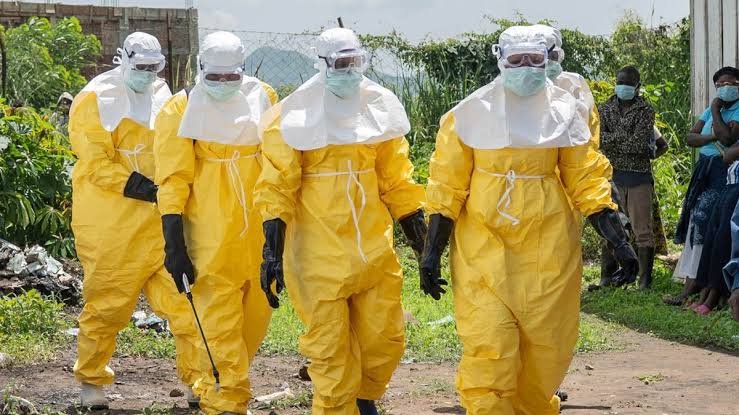
Kenya has confirmed its first recorded case of Ebola after a citizen who had been living in the Democratic Republic of the Congo (DRC) returned to Nairobi and later died, prompting health authorities to begin contact tracing and strengthen measures to prevent further transmission.
Kenya’s health minister, Aden Duale, announced the development on Tuesday, saying the patient arrived in Nairobi on Saturday after travelling from the DRC, where a major Ebola outbreak has been ongoing. The patient subsequently died, and health officials have so far identified 28 people who had contact with the individual.
Those identified include family members and healthcare workers who may have been exposed during the patient’s illness or treatment. Authorities are expected to monitor the contacts closely during the coming days as they assess whether any additional infections have occurred.

Duale sought to reassure the public that the government was responding to the situation and urged Kenyans not to panic. He said national health systems and response mechanisms were in place to contain the disease and reduce the possibility of further transmission.
The confirmation marks a significant development for Kenya, which had previously never recorded a confirmed Ebola case. The country has nevertheless spent much of the year preparing for the possibility of an imported infection because of the wider outbreak in neighbouring parts of central and eastern Africa.
The arrival of an infected traveller from the DRC highlights the difficulty countries face in preventing infectious diseases from crossing borders during regional outbreaks. Kenya is an important transport and travel hub for eastern Africa, with Nairobi serving as a major international gateway. That makes rapid detection, isolation and contact tracing particularly important when dangerous infectious diseases are reported elsewhere in the region.
The government had already faced public concern earlier this year over plans to establish an Ebola-related treatment or quarantine facility at Laikipia Air Base, located roughly 125 miles from Nairobi. The proposal generated anger and anxiety among some Kenyans, reflecting the fear that an Ebola facility could increase the risk of the disease reaching surrounding communities.
The latest confirmation is likely to renew public attention on Kenya’s preparedness and the capacity of its health system to respond to a potentially serious outbreak. However, health authorities have emphasised that the identification of contacts is an important early step in containing transmission.
The situation in the DRC has added urgency to regional preparedness. The country has been dealing with what authorities have described as its largest Ebola outbreak, involving the Bundibugyo species of the virus. The outbreak was officially declared in May, although evidence suggested that transmission may have begun several months earlier.
The scale of the outbreak in the DRC has created a major challenge for public health officials. More than 8,000 cases and over 4,000 deaths have been recorded during the crisis, according to figures cited in reports about the outbreak. Efforts to contain the virus have faced considerable difficulties, including the movement of people across communities and borders and the challenges of identifying everyone who may have been exposed.
The outbreak also reached Uganda, another country in the region with close movement and travel links to the DRC. Uganda recorded 20 cases and two deaths before authorities brought the outbreak under control. The World Health Organization subsequently declared Uganda free of Ebola in August.
The development in Kenya nevertheless demonstrates how quickly infectious diseases can pose cross-border risks even after an outbreak appears to have been contained in another country. The movement of people between central and eastern African nations means that neighbouring states must remain vigilant throughout an outbreak and for a period after transmission has been interrupted.
Ebola is a serious viral disease that can cause severe illness and death. It is generally transmitted through direct contact with the blood or other body fluids of an infected person, including someone who has died from the disease. It does not typically spread through casual contact in the same way as respiratory viruses, but close exposure to an infected person can create significant risks.
Symptoms can include fever, weakness, vomiting and diarrhoea. In severe cases, patients can develop internal or external bleeding and other serious complications. Because symptoms can initially resemble those of other illnesses, identifying potential exposure and obtaining medical assessment quickly are important parts of an effective response.
For Kenyan health authorities, the immediate priority is expected to be monitoring the 28 identified contacts, determining whether additional people may have been exposed and ensuring that suspected cases can be isolated and assessed without delay. Healthcare workers who had direct contact with the patient are also likely to receive particular attention because medical settings can become high-risk environments during Ebola outbreaks if infection-control procedures are not strictly followed.
The death of the Kenyan patient has also underlined the human cost of the regional outbreak. For the patient’s family, the confirmation comes alongside the loss of a relative who had returned to Kenya after living abroad. For the wider public, meanwhile, the case has created understandable concern about whether the virus could spread beyond the initial infection.
Authorities face the difficult task of maintaining public confidence while communicating the seriousness of the situation. Too little information can fuel rumours and fear, while exaggerated warnings can lead to unnecessary panic. The health minister’s appeal for calm reflects the importance of keeping the public informed while allowing health professionals to carry out surveillance and contact tracing.
The first confirmed Kenyan case also provides an early test of the country’s preparedness for a disease that has historically been associated with outbreaks elsewhere in Africa. Kenya’s health authorities now have to demonstrate that systems for surveillance, diagnosis, infection control and public communication can operate effectively under pressure.
The immediate confirmation of contacts is a positive step because people exposed to Ebola can be monitored for symptoms, allowing health workers to intervene quickly if illness develops. Early identification can help break chains of transmission and reduce the likelihood of wider community spread.

At the same time, the case serves as a reminder that national borders offer limited protection against infectious diseases. As long as Ebola transmission continues in parts of the DRC or other affected areas, neighbouring countries will remain vulnerable to imported cases.
Kenya’s health authorities are therefore likely to face continued scrutiny over their handling of the case and their broader preparedness. The coming days will be particularly important as officials monitor the identified contacts and investigate whether anyone else may have been exposed before the patient was diagnosed.
For now, officials have urged Kenyans to remain calm and rely on health authorities for information. The country’s first confirmed Ebola case is a serious public-health development, but the identification of contacts and activation of response measures could prove crucial in determining whether the infection remains an isolated incident or develops into a wider outbreak.
Related News:
 Ebola outbreak in DRC overwhelms health system as cases surge
 Unflinching Witness: Doctors Document Gaza’s Medical Crisis
 South Africa’s Femicide Crisis Deepens
 The diet that can significantly ease symptoms of IBS
 Europe, North America face early wave of bird flu
 Grief, Fear and Fury: Mothers Unite to End Israeli-Palestinian Violence
 Iran Leader Blames Protesters, Says They Serve Trump
 Thousands Protest ICE in New York Against Trump Deportation Campaign
 Australian Women in Syrian Camp Offer Separation Deal
 US Accused of Exploitation Over Zambia Health Aid
 Tick Bite Tragedy Claims Teen in Meat Allergy Case
 Tribunal Rules Burgertory Founder’s Chant Incited Hatred
 Hospital Fungal Outbreak Sparks Major Cover-Up Claims
 Tehran Diary: Dark Days Under Relentless Bombardment
 Canada Plasma Deaths Raise Safety Concerns After Two Donors Die
 Hong Kong Bookstore Arrests Spark New Freedom Concerns
 Death, displacement and military duties: children plunged into crisis
 ICE Detains Soldier’s Bride Days After Louisiana Wedding
 Bondi Nanny Adriana Rivas to Face Extradition to Chile
 “I was fighting two wars”: Ukraine soldiers’ addiction crisis
 Aid Crisis Grows as Hormuz War Disrupts Supply
 WHO approves first malaria drug for babies
 Judge halts deportation of Yemeni refugees in US
 Activists allege abuse after Gaza flotilla seizure
 Giuliani hospitalised in critical condition
 Alice Springs Murder Case: Justice Begins for Little Baby
 Afghan Families Left in Limbo Face Risk of Deportation
 Hantavirus Cruise: Britons Face 45-Day Isolation Order
 Three Australian Women Detained Over Islamic State Links
 Trump Announces 3-Day Russia–Ukraine Ceasefire Deal
 Bad Weather Threatens Hantavirus Cruise Ship Evacuation
 Crisis in the Canary Islands as Cruise Ship Evacuated
 Cruisers Face Perth Quarantine After Hantavirus Outbreak
 WHO Declares Ebola Outbreak a Global Emergency
 Deadly Ebola Outbreak Surges as Western Aid Vanishes
 Israeli Strikes in Lebanon Kill 10 Amid Ceasefire Strain
 China mine blast death toll rises to 90
 Maldives Cave Diving Tragedy Raises Safety Alarm
 Pope Meets Families in Italy Toxic Waste Zone
 Hunger increasingly weaponised in global conflicts
 Former ICC prosecutor condemns US sanctions
 Preserving the Fragile Memories of Tiananmen Square
 Sydney Protest Trial: Twenty-Five Activists to Face Joint Hearing
 New Footage Revives Peter Falconio Mystery
 Ukraine Creates Long-Range Strike Command
 Dreyfus Statue Finally Gets Permanent Paris Home
 Mystery Grows Over Mitch McConnell’s Health
 Taliban global ties grow as rights fears mount
 Israeli Strike in Southern Lebanon Kills Seven
 Five Years of Taliban Rule Leave Afghanistan in Crisis
 Ukraine Villagers Demand Answers After Deadly Arms Depot Strike
 Daughter Finds Bones in Parents’ Burned-Out Car
 Argentina Orders Return of Nazi-Looted Painting
 UN expert urges UK to rethink Israel policy
 Family of British man found dead in Grenada urges UK-Grenada police cooperation
 Miliband Rejects Chief Rabbi’s West Bank Warning
 Sweden Election Hangs on Far-Right Breakthrough
 Royal Crown Branded Enslaved Africans in Britain’s Slave Trade
 Israel Accused of Undermining Palestinian Life
 Gaza Strike Kills Child and Paramedic
 Saudi Pact Raises Risk of Pakistan Entering War
 Tropics May Wait Longest for Net-Zero Climate Benefits
 Japan PM Backs International Criminal Court
 King Refers Jamaica Slavery Petition to Privy Council
 Super El Niño Threatens Hundreds of Thousands of Lives
 UK Pauses Chagos Deal Amid US Opposition
 Ukraine and Russia Escalate Long-Range Drone War
 Africa Urged to Transform Universities for Young Talent
 Fayed Survivors Demand Inquiry Into Medical Regulator
 Economic growth and political strain reshape Benin
 New Maps Reveal Gaza’s Vast Destruction
 Europe’s Record Heat Summer Signals Climate Risks
 Cairo Mural Sparks Debate Over Ancient Egyptian Identity
 Flydubai Co-Pilot Accused in Mid-Air Terror Attack
 Latin America women fear rollback of rights
 Tigray rebels accused of recruiting boys as war returns
 Cancer rises faster among younger adults, study finds
 Iran Nobel Laureate Reveals Prison Torture and Fears
 Nigeria Military Aircraft Crash Kills All 32 On Board