Published: 28 September 2026. The English Chronicle Desk. The English Chronicle Online
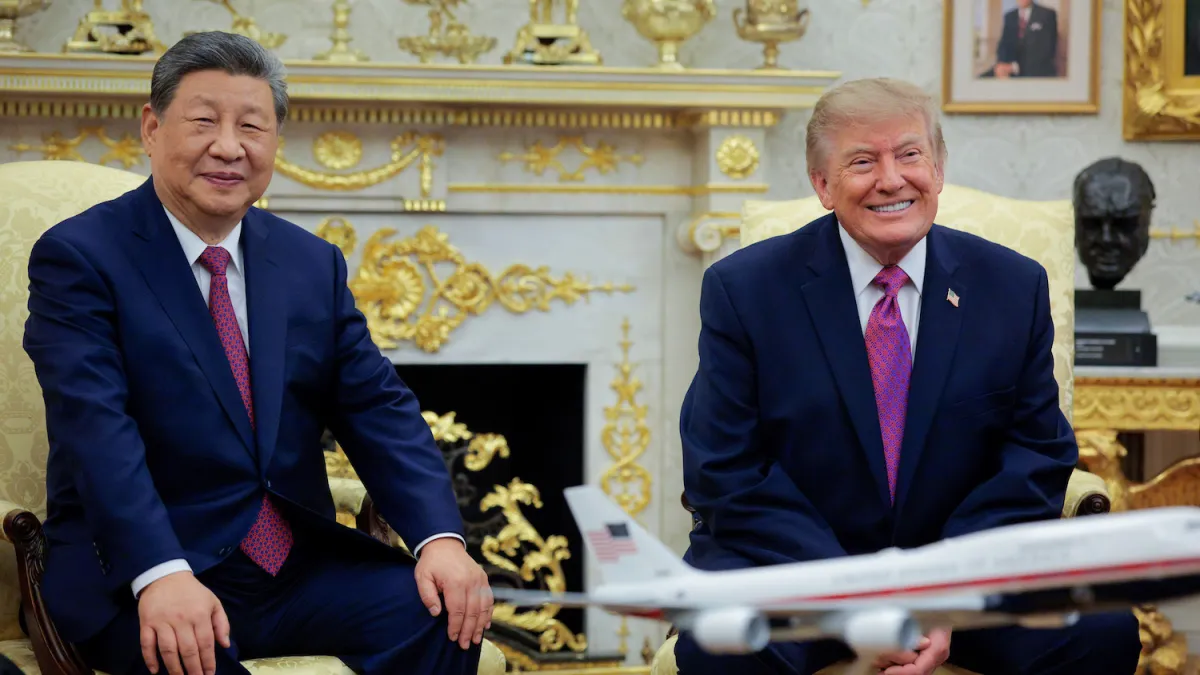
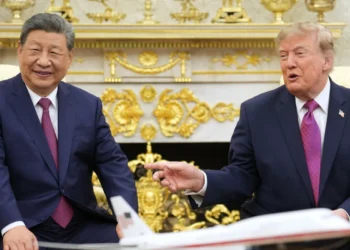
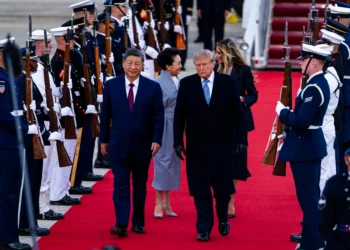
US President Donald Trump asked Chinese President Xi Jinping whether China would be interested in buying American weapons during Xi’s recent visit to Washington, according to US Ambassador to China David Perdue. The disclosure has drawn attention because it came at a time when Washington is simultaneously considering a major weapons package for Taiwan, while Beijing continues to oppose US military support for the island.
Perdue made the remarks during a television interview on Sunday while discussing the Trump administration’s approach to China and Taiwan. He said Trump has repeatedly pointed out that the United States sells military equipment to countries around the world and, at one point, asked Xi whether China would like to purchase American weapons.
The ambassador did not provide details about when exactly the question was raised during the Chinese leader’s visit, what type of weapons were discussed or how Xi responded. There was also no indication that the conversation resulted in an actual proposal or negotiations over an arms sale.
The comments were quickly followed by clarification from Washington. A State Department official said US law prohibits arms sales to China and that there was no offer or plan to sell American weapons to Beijing. The White House likewise indicated that there were no plans for such a transaction.

That distinction is significant because the United States has maintained extensive restrictions on military exports to China for decades. Beijing is regarded by Washington as a major strategic competitor, and the two countries remain divided over security, trade, technology, Taiwan and several other geopolitical issues.
The remarks also came against the backdrop of continuing uncertainty over US weapons sales to Taiwan. Taipei has been awaiting approval of a proposed arms package worth about $14bn, while Washington has previously approved other large-scale military sales to the island.
Taiwan has become one of the most sensitive issues in US-China relations. Beijing regards Taiwan as part of China and has repeatedly opposed American arms sales to Taipei. Chinese officials have also urged Washington to oppose moves toward Taiwan independence and have warned against what they describe as foreign interference in China’s internal affairs.
Washington, meanwhile, maintains a longstanding policy under which it does not formally recognize Taiwan as an independent state but maintains extensive unofficial relations with Taipei. US law also provides for the availability of defensive military equipment to Taiwan.
The latest remarks from Perdue therefore created an unusual contrast. While Washington has been weighing further military support for Taiwan, the ambassador publicly described Trump as asking Xi whether China itself would like to purchase US weapons.
Perdue’s comments did not establish that Trump intended to initiate a weapons programme for China. Instead, they described a question raised during the broader conversation between the two leaders. The subsequent statements from the State Department made clear that there is no current US plan to sell arms to Beijing.
The timing of the disclosure has nevertheless attracted attention across the region. Xi’s visit to Washington came during an important period in US-China relations, with both governments seeking to manage differences while also addressing areas of economic and strategic competition.
Trump and Xi have held discussions on a range of bilateral matters, and Taiwan remains an important issue in the relationship. Chinese officials have consistently argued that US military sales to Taiwan undermine China’s sovereignty claims and contribute to tensions across the Taiwan Strait.
During the recent visit, Xi pressed Washington to oppose what Beijing describes as Taiwan independence. Chinese state media reported that the issue was raised during the leaders’ discussions. Trump later said that the two leaders did not spend a large amount of time discussing Taiwan and indicated that Xi understood his position.
Taiwanese officials, however, have continued to emphasize the security challenges facing the island. Deputy Foreign Minister Chen Ming-chi said Taiwan faces a serious situation in the Taiwan Strait and argued that China’s continued investment in military capabilities remains a major concern for Taipei.
Chen also said Taiwan believed Washington understood its defence requirements. Taiwanese officials have separately maintained that US policy toward the island has not changed following the Trump-Xi meeting.
The issue of arms sales has been particularly sensitive because Trump previously described the proposed Taiwan package as a useful negotiating tool in discussions with China. The delay in approving the package had raised questions about how the administration intended to balance its relationship with Beijing with its longstanding security commitments to Taipei.
Perdue himself said before his latest comments that there had been no change in Trump’s Taiwan policy, including regarding arms sales. That statement is consistent with the broader US position that its policy toward Taiwan has not been fundamentally altered by the latest meeting between Trump and Xi.
The episode also highlights the unusual nature of diplomatic discussions between Washington and Beijing. Statements made by senior officials can carry significant weight because military sales are closely connected to strategic calculations, national security and regional stability.
For Beijing, American weapons sales to Taiwan are a longstanding source of friction. For Taipei, access to US defence equipment is considered an important part of maintaining its ability to respond to security threats. For Washington, decisions on military exports involve legal requirements, strategic considerations and the wider management of relations with both China and Taiwan.
Against that background, Perdue’s account of Trump’s question to Xi is likely to remain a subject of interest even though US officials have explicitly stated that there is no plan to sell American weapons to China.
The disclosure also illustrates how a single remark can generate questions about the direction of US policy, particularly when it involves the world’s two largest powers and the most sensitive security issue in their relationship. At present, however, the official position from Washington is that no arms sale to China is being planned.
Trump has not publicly elaborated on the reported exchange with Xi. Nor has the Chinese government publicly indicated that Beijing sought to purchase American military equipment following the conversation.

For Taiwan, the immediate question remains whether Washington will proceed with the proposed arms package and how future US decisions will affect the island’s defence planning. For China, opposition to American military support for Taiwan remains a central element of its position on cross-strait relations.
The latest episode therefore sits within a much broader and continuing debate over US-China relations, Taiwan’s security and the role of American military support in the Asia-Pacific. While Perdue’s remarks provided an unusual glimpse into the leaders’ conversation, subsequent US government statements have drawn a clear line between Trump’s reported question and any actual policy to sell weapons to China.
As Washington and Beijing continue managing their strategic relationship, developments involving Taiwan are likely to remain closely watched across the region. The reported exchange between Trump and Xi has added another unexpected element to that complicated diplomatic landscape, but official US statements indicate that no American arms sale to China is currently under consideration.
Related News:
 UK Prepares Aircraft Carrier for Middle East Crisis
 Houthis Strike Saudi Arabia as Middle East Tensions Rise
 Trump dismisses concerns over 250-day carrier deployment
 Trump orders US troop pullout from Germany
 Trump likens US Navy actions to ‘pirates’
 US Awaits Iran Reply on New Ceasefire Proposal
 Putin Declares Russia Victory at Scaled Victory Day Parade
 Hormuz Talks Near Critical Stage
 Discontent grows around Putin amid war strain
 Millions Gather for Khamenei’s Six-Day State Funeral
 Taliban global ties grow as rights fears mount
 Israeli Strike in Southern Lebanon Kills Seven
 Russian Missiles Intensify Pressure on Kyiv
 Trump Calls Strait of Hormuz ‘American Territory’
 Trump Faces Iran War Crisis Before Midterm Vote
 North Korea Expands Uranium Facility at Yongbyon
 Saudi Pact Raises Risk of Pakistan Entering War
 Middle powers seek new alliances amid Trump era
 Netanyahu faces protests and pressure at UN
 Xi urges Trump to avoid US-China military conflict
 Trump to Recheck Green Cards from 19 Nations After DC Attack
 Trump Escalates Minnesota Immigration Surge Amid Rising Tensions
 Greenland Faces Pivotal Summit Over Arctic Power Struggle
 EU Says US Ties Have Suffered ‘Big Blow’ After Greenland Crisis
 Thousands Protest ICE Operations in Nationwide US Day of Action
 Epstein Files Reveal Trump Officials’ Emails with Financier
 Thousands Protest ICE in New York Against Trump Deportation Campaign
 Trump Praises ‘Terrific’ Petro After White House Talks
 Clinton Testimony Erupts in Fiery Exchange
 Thousands Protest Iran Strikes Outside US Embassy London
 US Bombers Arrive at RAF Base Amid Rising Iran Tensions
 Pete Hegseth Iran War Remarks Spark Alarm
 North Korea Fires Missiles Amid US-South Korea Drills
 Trump Faces Crisis as Iran Reopens Hormuz Tensions
 Charles Faces Trump Test in High-Stakes US Visit
 UK Stands Firm on Falklands Amid US Rift
 Southeast Asia Turns to Russia Amid Energy Crisis
 USS Gerald R Ford Ends Record Naval Deployment
 US Court Ruling Reshapes Voting Rights Landscape
 US states redraw maps after voting rights ruling
 Judge halts deportation of Yemeni refugees in US
 Activists allege abuse after Gaza flotilla seizure
 Trump approval plunges amid Iran war fears
 Ohio’s Battle for Trust: Democrats Vying to Flip the Buckeye State
 Trump Threatens UN Budget Cuts as US Pushes ‘Trade Over Aid’ Agenda
 Trump warns Iran as Middle East tensions surge again
 Australia pushes Pacific security pact amid China tension
 US ‘Narco Boat’ Strikes Draw Global Outcry
 Ohio Primaries Set Stage for Crucial Midterms
 Afghan Families Left in Limbo Face Risk of Deportation
 Middle East Crisis Escalates as Oil Routes Shake Markets
 Trump Announces 3-Day Russia–Ukraine Ceasefire Deal
 Tensions Emerge in Netanyahu-Trump Alliance
 Former ICC prosecutor condemns US sanctions
 Gunman Killed After White House Security Shootout
 Trump Claims Iran Peace Deal Near Completion
 US Midterm Primaries: Democrats Target Key Republican Seats
 House Curbs Trump’s War Powers in Rare Rebellion
 Venezuela Quake Death Toll Surpasses 4,000
 Senate Halts Defense Bill Over Iran Clashes
 Is America Ready for an AOC Presidential Run?
 Nepal-Tibet Flood Death Toll Rises as 2,478 Remain Missing
 Trump Hardens Canada Trade Stance as Talks Stall
 Nepal Flood Survivors Face Unimaginable Loss
 Trump Calls Iran War ‘Small Potatoes’ Despite US Deaths
 Nepal Tunnel Rescue Offers Hope Amid Flood Devastation
 UN expert urges UK to rethink Israel policy
 Saudi Arabia Shuts Oil Pipeline After Drone Attack
 Nearly 50,000 Flee as Houthis Advance in Yemen
 Macron and Carney deepen France-Canada ties
 US Networks Suspend Trump White House Pool Coverage
 Trump Eyes Major Belarus Fertiliser Deal Amid Canada Trade Dispute
 Japan PM Backs International Criminal Court
 AI Takes Centre Stage in Trump-Xi Talks
 Iran Rejects Claims of Shift in US Talks
 Trump gives Xi red-carpet welcome as trade truce extends
 Lula accuses Trump of seeking control over Brazil
 Nepal PM calls deadly flood a global climate warning
 Saudi intercepts Houthi missiles as oil fears grow
 Russia Targets Ukraine’s Digital Economy With Strikes