Published: 30 September 2026. The English Chronicle Desk. The English Chronicle Online
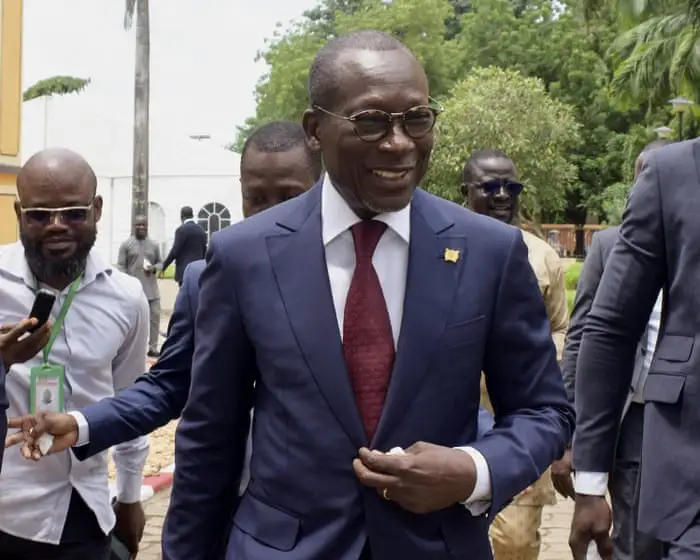
Patrice Talon’s decade-long influence over Benin has left the West African country visibly transformed, with new roads, expanding industrial activity and ambitious infrastructure projects changing the appearance and economic direction of a nation once often overshadowed by its much larger neighbour, Nigeria. Yet alongside those gains, concerns over political competition, civil liberties and the concentration of power have become increasingly central to the debate about Benin’s future.
For many residents of Cotonou and Porto-Novo, the physical changes are difficult to miss. Roads have been upgraded, public spaces have been renovated and major construction projects have altered parts of the coastline and urban landscape. The road connecting Cotonou with Ouidah, a city of enormous cultural and spiritual importance, has helped improve transport links, while a major industrial zone north-west of Cotonou has been developed as part of an effort to move the economy beyond its dependence on informal activity.
Benin’s economic growth has also strengthened during the period associated with Talon’s presidency. Annual gross domestic product growth has risen from around 3% a decade ago to approximately 6%, placing the country among the stronger performers in the region. The government has promoted industrialisation, agricultural development, tourism and infrastructure as central elements of its economic programme.

That transformation has helped create a new image of Benin. The country has increasingly sought to present itself not simply as a smaller neighbour of Nigeria but as an emerging economic and investment destination in its own right.
Talon, a wealthy businessman who built his fortune in agriculture and became widely known as the “cotton king”, entered politics after years of involvement in the country’s political and business establishment. Before becoming president in 2016, he had supported political campaigns and developed interests extending into areas including banking and hospitality.
His approach to government has often been associated with an emphasis on strong executive control combined with ambitious economic planning. Supporters argue that this has allowed projects to move forward more quickly and given the state a clearer long-term development strategy. Critics, however, contend that the same concentration of authority has weakened institutions that are essential to democratic accountability.
The contrast has become one of the defining features of Benin under Talon. The country was once widely regarded as an example of democratic transition in West Africa, particularly after its peaceful political reforms in the 1990s. In recent years, however, opposition figures, civil society organisations and international human rights groups have raised concerns about restrictions on political participation and freedom of expression.
Changes to electoral rules during Talon’s presidency have played an important role in that debate. Opposition parties faced higher financial and organisational barriers to participating in elections, while stricter requirements affected their ability to compete effectively. The 2019 parliamentary election became particularly controversial after internet access was disrupted as protests took place over the political environment surrounding the vote.
The judiciary has also come under scrutiny. Critics have accused the authorities of using legal institutions to pursue political opponents and government critics. One of the most prominent cases has involved opposition figure Reckya Madougou, whose imprisonment became a symbol for critics of the government’s treatment of dissent. A former judge, Essowé Batamoussi, later left the country and sought asylum in France, alleging that judicial pressure had influenced the handling of politically sensitive cases.
Freedom of expression has remained another area of concern. Amnesty International has reported continuing restrictions on expression and peaceful assembly in Benin, including the use of provisions in the Digital Code relating to false information and electronic harassment. The organisation has also documented pressure on journalists and media organisations. These developments have contributed to broader concerns about the shrinking space for public criticism and political mobilisation.
The political system was further altered by constitutional changes. Critics have argued that reforms approved during Talon’s tenure changed the balance of political power and created additional barriers for opposition groups. The changes have therefore become part of a larger argument over whether Benin’s institutional reforms are strengthening the state or reducing the space for political competition.
Talon eventually left the presidency in 2026 after backing Romuald Wadagni, his former finance minister, as his successor. Wadagni won the April presidential election by an overwhelming margin after the field of candidates had been sharply narrowed by the political and electoral environment. Talon subsequently moved into the Senate leadership, allowing him to remain a major figure in national politics even after leaving the presidency.
For supporters of the former president, this continuity reflects the durability of an economic development programme rather than simply an attempt to preserve political influence. They point to infrastructure, industrialisation and improvements in public facilities as evidence that the country has made significant progress.
But economic expansion has not eliminated concerns about living standards. The increase in the minimum monthly wage has provided some relief, yet many households continue to face financial pressure. Rising rents, electricity costs and fuel prices have affected family budgets, while low-paid informal workers remain particularly vulnerable.
For ordinary citizens, therefore, the meaning of economic growth is not necessarily measured by national GDP figures. It is also measured by whether families can pay rent, purchase food, educate their children, access reliable electricity and find stable employment.
The distribution of development has also generated debate. Cotonou and Ouidah have received substantial investment, while critics argue that the benefits have not been equally visible throughout the country. Civil society organisations have additionally raised concerns over forced evictions connected to some development projects. Amnesty International has previously reported that several tourism and infrastructure initiatives affected thousands of people through displacement, with questions remaining about compensation and accountability.
At the same time, Benin faces security challenges that complicate the government’s development agenda. Armed groups operating in the wider Sahel region have increased pressure on northern areas, while attacks on security forces and communities have created new humanitarian and economic difficulties. The authorities have increasingly had to balance investment in development with spending on security and counterterrorism.
The result is a complicated picture of Benin in 2026. The country has undergone a visible physical and economic transformation, and many citizens acknowledge that roads, public infrastructure and industrial facilities are significantly different from what they were a decade ago. Yet the political environment has become considerably more contested, with concerns over opposition participation, judicial independence, media freedom and the concentration of power.

The debate surrounding Talon’s legacy is therefore unlikely to be settled simply by economic indicators. For one side, the transformation demonstrates what determined government planning can achieve in a relatively small developing economy. For another, development cannot be separated from political rights, institutional independence, purchasing power and equal access to opportunity.
Benin’s experience illustrates a broader challenge facing several African states: whether rapid economic and infrastructural development can coexist with strong democratic institutions. As Wadagni begins his presidency and Talon remains an influential political figure, the country enters a new phase in which the durability of its economic model will be tested alongside questions about political openness.
For citizens such as Cotonou tyre repairer Savossou Stanislas, the most important measure may ultimately be whether the visible transformation of the country translates into better opportunities for ordinary families. Benin may have changed dramatically in appearance, but the question of how that progress is shared — and how much political freedom accompanies it — remains central to the country’s next chapter.
Related News:
 Trump Calls Iran War ‘Small Potatoes’ Despite US Deaths
 UK Pauses Chagos Deal Amid US Opposition
 Lula accuses Trump of seeking control over Brazil
 Canada Passes Carney’s First Budget in Tight Parliamentary Vote
 India’s Labour Law Overhaul Sparks Fierce Debate
 Carney’s Alberta Pipeline Deal Sparks Immediate Pushback
 Mark Carney Walks Diplomatic Tightrope on China Visit
 Trump to Deploy “God Squad” Over Gulf Wildlife Protections
 Iran Crisis Tests Trump’s Global Leadership
 Trump Slams UK Ties and Threatens To Rewrite Trade Deal
 Athens Mayor Moves to Tackle Overtourism Crisis
 Southeast Asia Turns to Russia Amid Energy Crisis
 US Calls Australia Media Law “Foreign Extortion”
 Capitalism ‘Suicidal’, Warns Petro at Climate Summit
 Oil Prices Surge Above $120 Amid Iran Blockade Fears
 Cartel crackdown raises fears of fresh violence
 US states redraw maps after voting rights ruling
 Trump approval plunges amid Iran war fears
 Trump Threatens UN Budget Cuts as US Pushes ‘Trade Over Aid’ Agenda
 US ‘Narco Boat’ Strikes Draw Global Outcry
 Norway Doubles Down on Oil and Gas for Europe Energy Security
 US Awaits Iran Reply on New Ceasefire Proposal
 Beijing Becomes Centerstage for Global Diplomatic Ballet
 Hormuz Talks Near Critical Stage
 UK Pushes for New EU Goods Trade Deal
 Reeves Fights to Keep Treasury Role Amid Labour Turmoil
 Europe Weighs Hormuz Navigation Fee Plan
 Ukraine Creates Long-Range Strike Command
 Israeli Strike in Southern Lebanon Kills Seven
 Is America Ready for an AOC Presidential Run?
 Five Years of Taliban Rule Leave Afghanistan in Crisis
 Trump announces major US oil deal with Venezuela
 Ukraine Villagers Demand Answers After Deadly Arms Depot Strike
 Trump Hardens Canada Trade Stance as Talks Stall
 Green Leader Targets Starmer’s Former Seat
 Reform Faces Fresh Financial Controversy
 Swedish Mining Push Puts Sami Land Rights Under Pressure
 Argentina to file criminal charges over Falklands oil drilling
 UK plans tougher Israel stance with settlement trade ban
 Europe’s democracies face a growing far-right threat
 Trump Pledges $5,000 if Republicans Win Midterms
 Experts Warn of Growing US Terrorism Risks 25 Years After 9/11
 Saudi Arabia Shuts Oil Pipeline After Drone Attack
 Israel Accused of Undermining Palestinian Life
 Trump’s Washington Projects Face Architectural Criticism
 Fugitive Developer Rants at NSW Corruption Inquiry
 Slave-Trade Wealth Embedded in Britain’s Financial System
 US Sanctions Open New Battle for Cuba Assets
 South Korea Rules Out Military Role in Iran War
 Trump Media Ban Triggers First Amendment Clash
 Lib Dems Prepare for Election Amid Reform Challenge
 Macron and Carney deepen France-Canada ties
 US Networks Suspend Trump White House Pool Coverage
 Trump Eyes Major Belarus Fertiliser Deal Amid Canada Trade Dispute
 Burnham Leaves Door Open to Future Brexit Reversal
 UK Plans New Centre to Counter Information Warfare
 Iran Rejects Claims of Shift in US Talks
 Elif Eralp Emerges as Berlin’s Next Political Force
 Tony Blair Calls for Britain to Rejoin EU Within a Decade
 Xi urges Trump to avoid US-China military conflict
 Saudi intercepts Houthi missiles as oil fears grow
 Republican Senator Questions Trump Ad Spending
 Dale Vince Plans New London-Wide News Operation
 Trump’s UK Ambassador Urges North Sea Drilling to Strengthen US Ties
 Shadow Fleet at Sea: Europe’s Battle Against Illicit Oil Shipping
 Starmer Says Labour’s Economic Plan Needs Years to Deliver
 UK and US Drop in Global Corruption Index Rankings
 Canberra Poster Seizure Sparks Free Speech Row
 Jacinda Ardern Move Sparks Kiwi Reflection
 Injured Mojtaba Khamenei Elevated as Iran Leader
 Air Canada CEO Faces Outcry Over Recent Language Misstep
 Relationship with Trump may be beyond repair, Starmer warned
 Ben Roberts-Smith Denies War Crime Allegations in First Statement
 Maldives Cave Diving Tragedy Raises Safety Alarm
 Trump Faces Backlash Over $2bn Earnings Since Return
 Unions Warn Labour Over Zero-Hours Contract Reforms
 Bayeux Tapestry Revives Franco-British Ties
 Tom Watson Takes Senior Role at Palantir
 Trump gives Xi red-carpet welcome as trade truce extends
 The Tests Awaiting Andy Burnham After Labour Conference