Published: 30 September 2026. The English Chronicle Desk. The English Chronicle Online
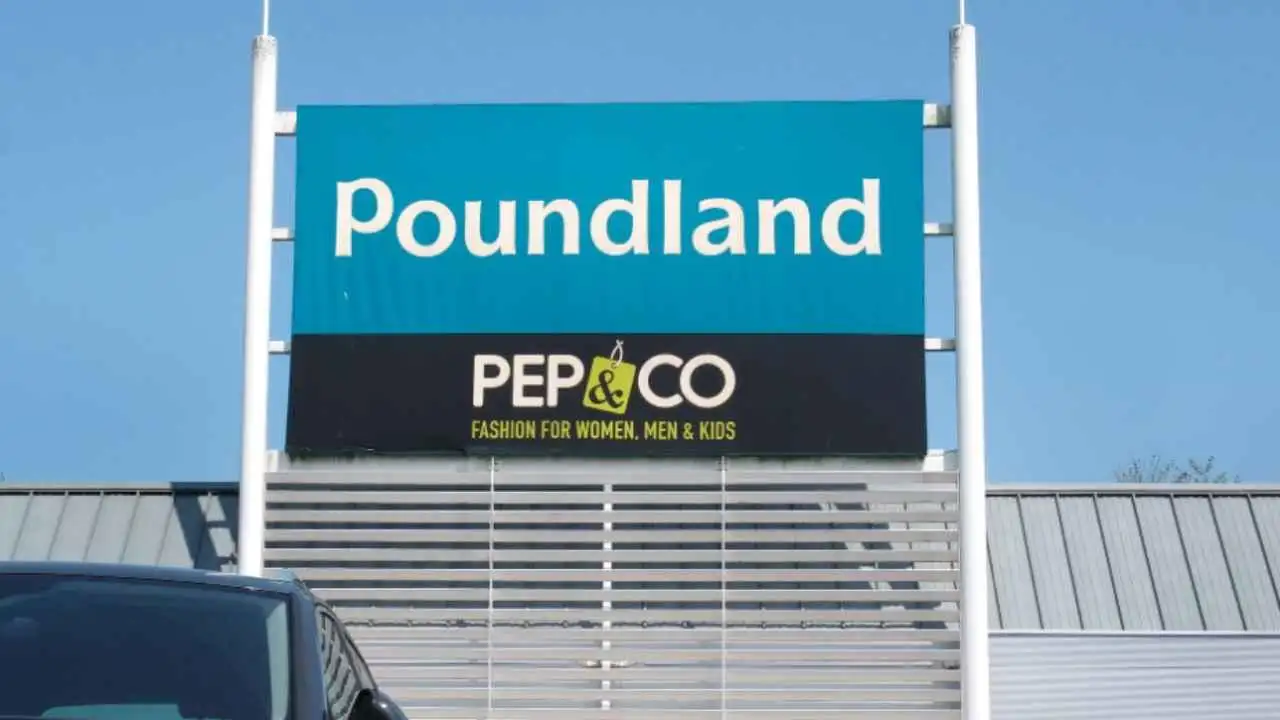
Poundland’s management team is understood to be in advanced discussions over a potential rescue bid for the struggling discount retailer, in a development that could determine the future of about 11,000 jobs across its stores and operations.
The proposed management buyout is reportedly being developed with the involvement of former Asda chief executive Andy Bond, who previously led Poundland before moving to its parent group. The team also includes Poundland’s current chief executive, Barry Williams, and is understood to be negotiating with a financial backer to support an offer for the business.
The discussions come at a critical point for the retailer, which has been undergoing a major restructuring following difficult trading conditions and significant losses. Poundland’s future has become increasingly uncertain since its owner appointed restructuring advisers to oversee a sale process, raising concerns among employees, suppliers and other stakeholders about whether the entire business can continue operating.
The company operates around 600 stores and employs approximately 11,000 people. A successful management-led deal that keeps the retailer intact could therefore prevent another substantial round of store closures and job losses in the UK’s highly competitive discount retail sector.

Poundland’s current owners, restructuring specialist Gordon Brothers, appointed Alvarez & Marsal to manage the sale process. The business has reportedly been placed on the market for about £30m, although the final value and structure of any transaction could depend on the offers received and the financial condition of the retailer.
The sale process has attracted interest from several potential buyers. Among the names linked to the process are Fortress, the US investment company that owns Poundstretcher, and Modella Capital, a UK private equity firm with interests in several retail businesses. Neither company is understood to be part of the management-backed proposal involving Bond and Williams.
Sources familiar with the process have indicated that initial bids were being considered during the week, with further discussions expected as potential buyers assess the retailer’s stores, financial position, liabilities and future prospects.
The central issue is whether Poundland can continue as a single operating business rather than being broken up or sold in parts. Some interested parties may see value in individual stores, property interests, brands or other parts of the operation, while a management-led bid would seek to preserve the wider business.
That distinction is particularly important for Poundland’s employees. The retailer has already experienced a significant reduction in its store estate as part of an earlier restructuring programme. Around 149 stores were closed during the previous shake-up, resulting in approximately 2,200 job losses.
The closures followed a period in which Poundland struggled with challenging trading conditions and problems linked to its clothing ranges. The retailer had expanded beyond its traditional discount model, but changes in the sourcing and presentation of its clothing business contributed to weaker sales.
The company has since attempted to rebuild its proposition by placing greater emphasis on its traditional value credentials. It has also relaunched its Pep & Co clothing brand after changing its approach to product sourcing.
Those changes appear to have produced some improvement in trading. Poundland recently reported that sales at established stores had returned to growth, with revenue increasing by 3.3% during the latest three-month period.
The retailer has also indicated that its profitability is improving significantly compared with the previous year. It expects pre-tax earnings to be around £80m better than in the corresponding period a year earlier.
Despite that improvement, Poundland remains in a financially difficult position. The company recorded a pre-tax loss of approximately £85m for the financial year ending in September 2025, underlining the scale of the challenges it has faced.
Poundland has nevertheless said it holds more than £30m in cash and has access to borrowing facilities. Gordon Brothers established a £95m lending facility for the business, although Poundland has said that only about £50m of that facility had been drawn.
The availability of financial resources could be an important factor in determining whether a management-led rescue can proceed. Any buyer would need to assess not only the purchase price but also the funding required to maintain stock levels, meet supplier obligations, operate stores and implement further changes to the business.
For a retailer operating hundreds of shops, relationships with suppliers are particularly important. Poundland needs a reliable flow of goods across its network, while suppliers need confidence that invoices will be paid under agreed terms.
There are reports that uncertainty surrounding Poundland’s future has already affected supplier confidence. An insurer providing credit protection to some of the retailer’s suppliers is understood to have withdrawn or reduced coverage. If suppliers become more cautious about extending credit, Poundland could face additional pressure in maintaining the flow of merchandise.
Such a situation could become particularly challenging for a discount retailer, where availability, pricing and rapid stock turnover are central to the business model. Any disruption to supplies could affect both sales and customer confidence at a time when the company is attempting to rebuild its position.
The management team therefore faces a difficult balancing act. It must demonstrate that the business can generate sustainable profits while also securing enough financial backing to complete a transaction and support the retailer after a takeover.
The involvement of Andy Bond could bring experience of Poundland’s operations and its relationship with its parent group. Bond ran Poundland for several years from 2016 before taking a senior role at its former parent company, Pepco Group. He left that organisation in 2025.
His involvement also comes at a time when the retailer is trying to establish a clearer identity after several strategic changes. Poundland has traditionally relied on its simple discount proposition, but competition from supermarkets, online retailers and other value-focused chains has intensified.
The UK discount retail market has undergone substantial change in recent years as households have become increasingly conscious of prices. Consumers have continued to seek lower-cost products, but discount retailers have also faced higher labour, property, transport and procurement costs.
For Poundland, the challenge is to ensure that lower prices do not come at the expense of profitability. The company must maintain a product range that attracts customers while controlling costs across its large network of physical stores.
The reported improvement in established-store sales could provide some encouragement to potential investors. However, the retailer’s previous losses and financing requirements mean that any prospective buyer is likely to examine its financial position closely before committing capital.
A management buyout could offer one route to maintaining Poundland as a functioning national retailer. If completed, such a deal could allow the existing leadership team to pursue its turnaround strategy while giving the company a new ownership structure and financial backing.
It could also provide greater certainty for employees and suppliers, although the long-term outcome would depend on the terms of the transaction and the ability of the new owners to restore sustainable profitability.
The alternative could involve a sale to another retailer or investment group, potentially followed by changes to Poundland’s store network or business structure. There is also uncertainty over whether all potential offers would seek to retain the company in its current form.
The immediate focus is therefore on the competing bids and the financial arrangements behind them. Poundland’s management team will need to demonstrate that its proposal can provide a credible future for the retailer, while potential financial partners will have to determine whether the business can deliver acceptable returns after years of financial pressure.

For the thousands of people working across Poundland’s stores, warehouses and support operations, the negotiations carry consequences far beyond the ownership of a retail brand. The outcome could determine whether the retailer enters another period of closures and restructuring or receives the investment needed to continue operating its national network.
Poundland’s recent return to sales growth provides evidence that its strategy may be beginning to stabilise the business, but the company still faces significant financial and operational challenges. The coming stages of the sale process will show whether those improvements are sufficient to attract a buyer willing to support the retailer as a whole.
Until a deal is reached, uncertainty will remain around Poundland’s ownership and long-term structure. But the emergence of a management-backed rescue proposal offers a potential alternative to a fragmented sale and raises the prospect that the retailer’s 600-store network and thousands of jobs could be preserved.
Related News:
 Thames Water Revises Oxfordshire Mega-Reservoir Plan
 UK House Prices Fall as Mortgage Rates Rise
 Oil nears $100 as Saudi attacks shake markets
 Thinktank Calls for Abolition of UK State Pension
 UK Trade Losses Grow Without EU Product Deal
 Pubs and Hotels Face Business Rates Reform Review
 UK Households Could Save £173 on Fixed Energy Deals
 Billionaire Chris Rokos poised to leave UK
 JPMorgan Boss Warns Against UK Bank Tax Rise
 John Lewis Losses Widen to £124m as Confidence Falls
 UK Retailers Accused of Breaking Refund Laws
 UK State Pension Set to Rise 3.9% as Triple Lock Holds
 UK Parents Cut School Uniform Costs as Prices Rise
 UK Pay Growth Slows to 3.9% as Rate Decision Nears
 Bank Urged to Slow Bond Sales as UK Costs Rise
 UK Inflation Hits 3.1% as Household Pressure Grows
 Entain Plans 400 Job Cuts After Profit Update
 UK Productivity Improves as Bank Weighs Interest Rates
 Barclays Staff Push Back Against Office Return Plan
 UK Retail Sales Rebound as Consumers Spend More
 UK Rent Gap Puts Low-Income Families Under Pressure
 UK Borrowing Hits £18.3bn Ahead of Budget
 MPs Defend UK Economic Watchdog Against Critics
 Chinese Hybrid Car Surge Raises EU Auto Industry Concerns
 AO Acquires Jessops in Camera Retail Expansion
 Should Savers Lock Into 5.25% Fixed Rates?
 Beaverbrooks Boss Calls for Relief on Business Costs
 UK Diesel Prices Hit Record High Amid Iran Conflict
 New UK Homes in Flood Zones Face Insurance Risk
 Wealthy Britons Flee Gulf War but Avoid UK Taxes
 UK Wage Growth Slows as Jobs Market Holds Firm
 BBC News Faces Deep Cuts in 2,000 Job Plan
 New UK advice scheme to boost savings and investing
 Reeves Fights to Keep Treasury Role Amid Labour Turmoil
 UK rejects EV charging VAT cut amid Treasury clash
 Weight-Loss Drugs Transform Fashion Shopping Habits
 EasyJet Takeover Sparks Fears Over Passengers’ Future
 Firms on both sides fear damage from US-Canada trade war
 Europe Faces Winter Gas Supply Anxiety
 Burnham Faces Mounting Budget Challenges
 Dutch Bank Moves 86 Tonnes of Gold to London
 UK Subsidence Claims Surge After Record-Breaking Summer
 UK Cost Squeeze Deepens as Mortgages and Gas Rise
 Spire Healthcare Agrees £1bn Takeover by Toscafund
 UK retailers plan 100,000 placements for young people
 Oil Prices Surge as Saudi Pipeline Closure Deepens Crisis
 Fashion Firms Urge UK-Made NHS and Army Uniforms
 UK Youth Jobs Gap Reveals Deep Regional Divide
 Mayors Could Gain New Powers Over UK Water Firms
 Mayors Could Gain Greater Powers Over Water Firms
 Next Raises Profit Forecast After Strong Summer Sales
 Japan Raises Rates to 31-Year High
 Calls Grow to Expand UK National Wealth Fund
 Labour Apprenticeship Scheme Faces Slow Start
 Tony Blair Calls for Britain to Rejoin EU Within a Decade
 Saudi intercepts Houthi missiles as oil fears grow
 TalkTalk Races to Sell Arms as Administration Looms
 Why Americans Feel Ripped Off by Rising Prices
 Dale Vince Plans New London-Wide News Operation
 Ukraine Faces $45m Hourly Cost From Missile Alerts
 Burnham Opens Door to Possible UK Return to EU
 Rising Costs Force Families to Rethink Days Out
 Albanese Rejects Gas Export Tax Push
 Weight-Loss Drugs Offer Food Savings Mainly to High Earners
 Burnham unveils £65m drought aid for farmers
 Canada to Match Trump’s 50% Tariffs Dollar for Dollar
 US CEOs Earn 614 Times More Than Workers
 UK Risks Falling Behind in AI Race
 Trump Hardens Canada Trade Stance as Talks Stall
 Reform Faces Fresh Financial Controversy
 Swedish Mining Push Puts Sami Land Rights Under Pressure
 Councils spend £125m on illegal children’s care
 McLaren to Create 1,000 UK Jobs in £450m Investment
 Iceland to Open First UK High Street Store in Falklands
 Farage Threatens Union Funding Ban Over Reform Donations
 North Sea Firms Urge Early End to Windfall Tax
 Trump Threatens EU With Tariffs Over Canada Proposal
 Reform UK Faces Internal Debate Over £72m Spending
 Frome Community Loses Bid for Major Regeneration Site
 UK University Strikes Spread as Financial Pressure Grows