Published: 01 October 2026. The English Chronicle Desk. The English Chronicle Online
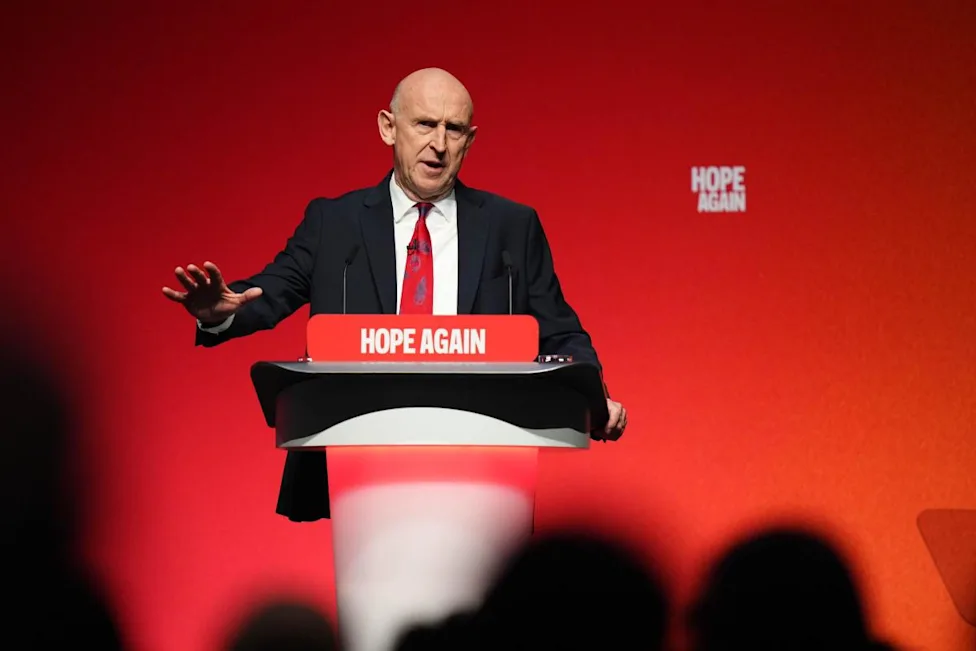
Millions of households across Great Britain are facing higher energy costs from Thursday as the latest price cap comes into effect, prompting growing pressure on Chancellor John Healey to introduce additional support for families in next month’s Budget.
The energy price cap for a typical household paying by direct debit will rise by 4%, increasing from £1,663 to £1,723 a year for the period from October to December. The increase represents an additional £60 annually, or around £5 a month, although the actual amount paid by individual households will depend on energy consumption, location, payment method and tariff.
The increase comes despite the government’s decision to remove VAT from household electricity bills from 1 October. The measure is expected to save the average household around £45 a year and has helped limit the overall rise in the price cap. The government has also pointed to an earlier £150 reduction in costs as part of its efforts to ease pressure on household finances.
However, campaigners and several Labour MPs argue that the measures currently available may not be enough to protect households from the wider pressure building ahead of winter. With gas prices affected by international developments and household energy demand typically increasing during colder months, concerns are growing that families could face another significant rise in costs within only a few months.

The issue is becoming particularly important ahead of the government’s 28 October Budget. Treasury officials have indicated that the fiscal statement will be constrained by difficult economic conditions and pressure on the public finances. That has created a difficult balancing act for the government, which is being asked to provide additional assistance to households while also maintaining control over spending and taxation.
The latest rise in the price cap means households are entering the winter with energy costs still significantly higher than many people would consider manageable. Although the price cap limits the maximum unit rates and standing charges suppliers can apply to customers on standard variable tariffs, it does not mean that every household will pay exactly £1,723. The figure is based on typical consumption and is used as an annual illustration.
The structure of the new cap also reflects changes in the way households are using energy. Ofgem has updated its typical domestic consumption figures, noting that households are now using less electricity and gas than during previous assessments. The regulator said electricity consumption has fallen by around 7% and gas consumption by about 17% compared with the previous review. As a result, the headline annual figure cannot simply be compared with older price-cap figures without taking those changes into account.
For households on standard variable tariffs, the average electricity unit rate from October is 26.32 pence per kilowatt hour, while the average daily electricity standing charge is 54.83 pence. Gas will cost an average of 7.97 pence per kilowatt hour, with a daily standing charge of 29.68 pence. Electricity will not carry VAT between October and the end of March, while gas continues to attract VAT at 5%.
The government has also highlighted the Warm Home Discount as another source of assistance. Around six million eligible households are expected to receive a £150 reduction on their electricity bills this winter. The scheme has been expanded in recent years, with households receiving certain means-tested benefits among those who can qualify.
Despite these measures, organisations campaigning on living costs say the scale of the challenge requires a broader response. A coalition of charities, thinktanks, trade unions and campaign groups has called for both universal and targeted support, arguing that rising energy costs could intensify financial pressure on households already struggling with food, housing, transport and other essential expenses.
The debate has also focused on what could happen after December. Cornwall Insight, an energy market consultancy, has forecast that the price cap could rise by a further 16% in January, taking the annualised figure for a typical dual-fuel household to about £1,999. The forecast is not an official price cap and could change as wholesale energy prices and other market conditions develop, but it highlights the possibility of another substantial increase at the beginning of 2027.
The consultancy has linked the projected increase partly to continuing disruption in international energy markets. Wholesale gas prices have been particularly sensitive to geopolitical developments, meaning that events outside Britain can have a direct impact on household bills several months later.
That uncertainty is adding to pressure on the Treasury. Supporters of further intervention argue that helping households now could prevent larger financial problems later, particularly if families begin falling behind on bills or reducing essential spending to keep up with energy costs. The government, however, must consider the cost of any new measures against its broader fiscal commitments.
One proposal under discussion is extending the temporary VAT relief on electricity beyond its current six-month period. Another possible approach would involve shifting some costs associated with clean-energy investment and electricity-grid upgrades away from household energy bills and into general taxation. Such a change could reduce the direct burden on consumers, but it would also raise questions about how those costs should ultimately be financed.
The government has said it remains focused on reducing energy costs over the longer term through investment in cleaner domestic power generation. Energy Secretary Miatta Fahnbulleh has acknowledged the concern surrounding rising bills while arguing that the VAT reduction and previous measures provide immediate assistance as ministers work on longer-term reforms.
The political pressure is also being accompanied by concern among households themselves. Recent polling cited in the debate over energy support found that a significant proportion of British adults are worried about the possibility of international conflict pushing energy prices higher during the winter. The figures have strengthened calls from campaigners for the government to consider additional protection for households most exposed to rising costs.
For many families, the timing of the increase is particularly sensitive. Energy consumption normally rises as temperatures fall, meaning the financial impact of higher unit prices can become more noticeable during the winter months. Households with older properties, poor insulation or higher heating requirements may face greater pressure than the typical household represented by the price-cap figure.

The government therefore faces a difficult period before the October Budget. Ministers must weigh the immediate need to protect households from higher bills against the cost of further intervention and the wider constraints on public finances. At the same time, developments in international energy markets could influence the scale of the challenge over the coming months.
The latest increase does not by itself determine how much an individual household will pay, but it marks another step upward in the cost of essential energy. With a potential further increase forecast for January, the question of whether additional assistance will be included in the Budget is likely to remain a major issue for households, campaigners and policymakers throughout October.
For millions of people, the immediate concern is straightforward: keeping homes warm without allowing energy costs to consume an increasingly large share of household income. The government’s response in the coming weeks will determine how much additional protection is offered as Britain heads deeper into winter.
Related News:
 UK Households Could Save £173 on Fixed Energy Deals
 UK House Prices Fall as Mortgage Rates Rise
 Thames Water Revises Oxfordshire Mega-Reservoir Plan
 UK Rent Gap Puts Low-Income Families Under Pressure
 Thinktank Calls for Abolition of UK State Pension
 New UK Homes in Flood Zones Face Insurance Risk
 Poundland Rescue Bid Could Protect 11,000 Jobs
 Wealthy Britons Flee Gulf War but Avoid UK Taxes
 UK Wage Growth Slows as Jobs Market Holds Firm
 BBC News Faces Deep Cuts in 2,000 Job Plan
 New UK advice scheme to boost savings and investing
 Reeves Fights to Keep Treasury Role Amid Labour Turmoil
 UK rejects EV charging VAT cut amid Treasury clash
 Burnham Faces Mounting Budget Challenges
 UK Subsidence Claims Surge After Record-Breaking Summer
 Oil nears $100 as Saudi attacks shake markets
 John Lewis Losses Widen to £124m as Confidence Falls
 UK Retailers Accused of Breaking Refund Laws
 UK State Pension Set to Rise 3.9% as Triple Lock Holds
 UK Parents Cut School Uniform Costs as Prices Rise
 UK Pay Growth Slows to 3.9% as Rate Decision Nears
 Bank Urged to Slow Bond Sales as UK Costs Rise
 UK Inflation Hits 3.1% as Household Pressure Grows
 UK Youth Jobs Gap Reveals Deep Regional Divide
 Entain Plans 400 Job Cuts After Profit Update
 Barclays Staff Push Back Against Office Return Plan
 UK Retail Sales Rebound as Consumers Spend More
 Calls Grow to Expand UK National Wealth Fund
 Labour Apprenticeship Scheme Faces Slow Start
 UK Borrowing Hits £18.3bn Ahead of Budget
 MPs Defend UK Economic Watchdog Against Critics
 Tony Blair Calls for Britain to Rejoin EU Within a Decade
 UK Trade Losses Grow Without EU Product Deal
 AO Acquires Jessops in Camera Retail Expansion
 Should Savers Lock Into 5.25% Fixed Rates?
 Beaverbrooks Boss Calls for Relief on Business Costs
 UK Diesel Prices Hit Record High Amid Iran Conflict
 Burnham Opens Door to Possible UK Return to EU
 UK Banks Maintain £100 Contactless Limit Despite FCA Rule Change
 UK Doubles Steel Tariffs to 50% to Protect Domestic Plants
 Oil and Gas Prices Surge Amid Iran-Israel Attacks on Gasfields
 Rising Costs Force Families to Rethink Days Out
 Student Loan Interest May Rise Despite 6% Cap
 Carmakers Face £3bn Gap in UK Loan Payout Scandal
 Reform UK funding: mystery billionaire revealed
 Albanese Rejects Gas Export Tax Push
 Britons Build Emergency Supplies Amid Rising Fears
 UK Pushes for New EU Goods Trade Deal
 Weight-Loss Drugs Transform Fashion Shopping Habits
 Labour MPs Urge Burnham to Revive UK Aid Target
 EasyJet Takeover Sparks Fears Over Passengers’ Future
 Weight-Loss Drugs Offer Food Savings Mainly to High Earners
 Burnham unveils £65m drought aid for farmers
 Pubs and Hotels Face Business Rates Reform Review
 Europe Faces Winter Gas Supply Anxiety
 Green Leader Targets Starmer’s Former Seat
 Reform Faces Fresh Financial Controversy
 UK Cost Squeeze Deepens as Mortgages and Gas Rise
 Spire Healthcare Agrees £1bn Takeover by Toscafund
 Billionaire Chris Rokos poised to leave UK
 Councils spend £125m on illegal children’s care
 JPMorgan Boss Warns Against UK Bank Tax Rise
 Reform UK Receives Record £36m Donation From Crypto Billionaire
 North Sea Firms Urge Early End to Windfall Tax
 Mayors Could Gain New Powers Over UK Water Firms
 Mayors Could Gain Greater Powers Over Water Firms
 Trump Threatens EU With Tariffs Over Canada Proposal
 UK Productivity Improves as Bank Weighs Interest Rates
 Trump Threatens EU Over Canada Partnership Proposal
 Japan Raises Rates to 31-Year High
 Reform UK Faces Internal Debate Over £72m Spending
 GP List Policy Risks Cutting Off Vulnerable Patients
 Chinese Hybrid Car Surge Raises EU Auto Industry Concerns
 Saudi intercepts Houthi missiles as oil fears grow
 Frome Community Loses Bid for Major Regeneration Site
 TalkTalk Races to Sell Arms as Administration Looms
 Burnham Opens Debate on Pension Triple Lock for Care
 Ukraine Faces $45m Hourly Cost From Missile Alerts
 UK University Strikes Spread as Financial Pressure Grows
 Bank Chief Calls for Power to Intervene in AI