Published: 14 October 2026. The English Chronicle Desk. The English Chronicle Online
A growing wave of romance scams on dating applications is exposing serious weaknesses in online safety systems, leaving victims facing devastating financial losses and emotional distress. A new US congressional investigation has raised concerns about how effectively major dating platforms identify fraudulent accounts, prevent scammers from contacting users and support people who have already been targeted.
Among those affected is Mary, a woman who lost almost $100,000 after connecting with a man on Plenty of Fish in 2024. What began as a search for companionship gradually developed into a pattern of persistent contact, emotional pressure and repeated demands for money. Her experience illustrates how online fraudsters can exploit the desire for a genuine relationship while concealing their identities and financial motives.
Mary, who has requested that her surname remain private, described how the interaction escalated quickly. The man initially maintained frequent conversations with her before beginning to ask for financial assistance. He reportedly claimed that he needed money for work-related expenses and medical emergencies, giving each request an apparently urgent explanation.

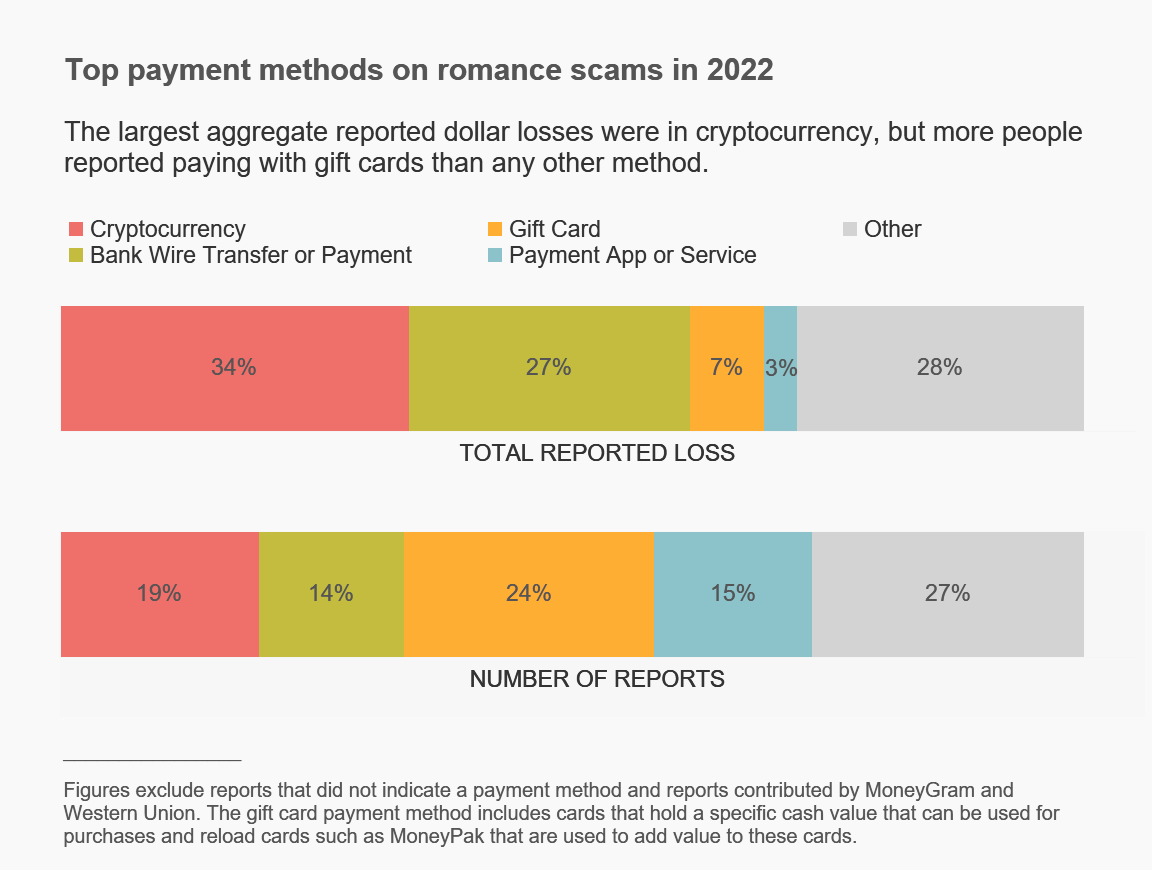
Although Mary attempted to establish whether the person she was communicating with was genuine, the constant contact made it increasingly difficult to recognise the extent of the manipulation. She eventually sent approximately $100,000 in cryptocurrency payments before realising that she had been deceived.
She described the experience as being caught in a vortex, explaining that each payment appeared separate from the previous ones. The cumulative loss became clear only when she looked back at the amount she had transferred. By then, the financial damage was substantial.
The experience did not end when Mary recognised the fraud. After blocking the man’s telephone number, she said he contacted her again using different numbers. She has since tried to identify those responsible and discovered other Plenty of Fish profiles displaying the same photographs as the individual she had spoken to. She reported the profiles to the platform.
Mary’s account formed part of an investigation conducted by staff of the US Congress’s Joint Economic Committee into romance scams on dating applications operated by Match Group. The company owns several prominent services, including Tinder, Hinge, Plenty of Fish and Match.
The investigation was launched by senators Maggie Hassan, a Democrat from New Hampshire, and Marsha Blackburn, a Republican from Tennessee. Their inquiry examined the prevalence of fraudulent activity on dating platforms and the steps taken by companies to protect users from criminals who exploit online relationships to obtain money or gifts.
In a report released on Tuesday, the committee outlined findings from documents and data supplied by Match Group. The material raised concerns about the effectiveness of some of Tinder’s systems for detecting scammers and other harmful accounts.
According to the report, internal company documents indicated that, as of the second half of 2025, Tinder had not updated most of its machine-learning models for several years. The committee said this had weakened the platform’s ability to detect fraudulent users reliably and keep pace with changing threats.
The findings also highlighted the potential scale of the problem. Data provided by Match Group showed that, through the third quarter of 2025 in the United States, nearly 1.5 million scammers or other bad actors on Tinder and Hinge had matched with at least one other user. Nearly 500,000 of those accounts had exchanged contact information with another user.
These figures do not mean that every match resulted in fraud or that every affected user lost money. However, they demonstrate how extensively suspicious accounts may interact with genuine users before their activity is detected or stopped. The exchange of telephone numbers and other contact details can also allow conversations to move beyond a platform’s built-in reporting and safety systems.
Romance scams typically rely on deception and the gradual development of trust. Criminals may use stolen photographs, fabricated biographies and false personal histories to construct convincing identities. Once a connection has been established, they may introduce emergencies, employment difficulties, travel costs or investment opportunities as reasons to request money.
In some cases, scammers maintain continuous contact with victims, creating a sense of intimacy and urgency that makes it harder to step back and assess what is happening. Repeated payments may appear manageable when considered individually, even as their combined value becomes financially ruinous.
Mary’s experience also highlights the emotional consequences. People who lose money through romance scams can struggle with embarrassment, self-blame and disbelief, particularly when they believe they should have recognised the warning signs. Mary said she found it difficult to understand how she had become involved in the situation and attributed much of the experience to the controlling nature of the interaction.
Her case underscores why financial losses alone cannot capture the full impact of such crimes. Victims may lose confidence in their judgement, become reluctant to pursue future relationships and face the additional burden of trying to identify perpetrators who may be operating under multiple false identities.
The congressional report acknowledged that Match Group had introduced and expanded measures intended to address fraudulent activity since the investigation began. Among them was a facial-verification feature on Tinder in the United States, requiring new users to complete a video-selfie verification process.
The company also introduced an artificial-intelligence model designed to examine profiles and other information to identify potential scammers and harmful accounts. The committee described the introduction of additional AI tools as encouraging but argued that the improvements followed a prolonged period during which scams continued to spread on the platform.
Hassan said the investigation had prompted progress but maintained that companies should have acted more quickly. She warned that romance scams cause severe financial and emotional harm to people who are seeking companionship but instead become targets of organised criminal networks.
She also called for dating platforms and other companies to keep their fraud-prevention systems updated as criminals increasingly use artificial intelligence to improve the scale and sophistication of their operations. The central challenge, she argued, is not simply to respond to reported scams but to identify and block suspicious activity before users suffer harm.
Match Group disputed aspects of the report’s characterisation of its safety record. Yoel Roth, the company’s senior vice-president of trust and safety, welcomed the committee’s recognition of measures introduced to protect users but said the findings misrepresented the historical scale of the company’s investment and the work already completed.
Roth said Match Group had made what he described as the largest safety advancements in its history and intended to continue developing tools to support authentic and secure connections. The company also maintained that some initiatives, including facial verification, had been under development before the congressional investigation began.
The disagreement points to a broader question facing the online dating industry: how responsibility should be shared between technology companies, regulators and law enforcement when criminals exploit platforms designed to bring people together. Verification tools and automated detection systems can make it harder to operate fraudulent accounts, but they cannot guarantee that every user is genuine or that every deceptive interaction will be identified.
The investigation has also taken place alongside wider efforts to improve the reporting and handling of scams in the United States. In June, Hassan and Republican senator Rick Scott introduced legislation proposing a central online portal through which Americans could report scams and seek assistance from law enforcement and government agencies.
A central reporting system could help victims navigate a process that may otherwise involve multiple companies and authorities. It could also make it easier to identify patterns across separate incidents, although its effectiveness would depend on implementation, coordination and the availability of appropriate support.
For users of dating applications, the findings reinforce the importance of treating unexpected financial requests with caution, even when a relationship appears emotionally convincing. Requests for cryptocurrency, urgent medical payments or money for work-related problems deserve particular scrutiny, especially when the other person cannot be independently verified. Users should also be wary when someone repeatedly changes telephone numbers, pressures them to act quickly or discourages them from discussing the relationship with trusted people.
People who suspect they have been targeted should stop sending money, preserve relevant messages and transaction records, report suspicious accounts to the platform and contact appropriate financial institutions or law-enforcement agencies. Cryptocurrency transfers can be difficult to reverse, making early reporting especially important.
However, responsibility cannot rest on individual users alone. Dating platforms possess information and technical capabilities that ordinary users do not, placing them in a position to detect suspicious patterns across large numbers of accounts. Stronger verification, regularly updated detection models, accessible reporting tools and effective responses to complaints can help reduce opportunities for abuse.
The congressional investigation has placed renewed pressure on Match Group to demonstrate that its safety measures can keep pace with increasingly sophisticated fraud. Its findings also raise questions for the wider industry about whether existing protections are sufficient when the consequences of failure can include the loss of life savings.

For Mary, the damage extended far beyond a series of cryptocurrency payments. She had entered the platform hoping to establish a meaningful connection, only to find herself trying to understand how someone she believed she knew had manipulated her trust. Her experience is a reminder that romance scams are not simply technical breaches or financial crimes. They exploit a deeply human need for connection, turning that vulnerability into an opportunity for profit.
As lawmakers continue to examine the problem, the challenge will be to translate investigations and promises of improved technology into protections that work in practice. For people searching for companionship online, safer platforms will depend not only on detecting fraudulent profiles but also on responding quickly when warning signs emerge and ensuring that victims are not left to face the consequences alone.
Related News:
 Melania Trump Epstein remarks spark survivor backlash
 US Labor Department in turmoil after secretary resigns
 Trump DOJ Targets James Comey Again
 Armed Suspect Attacks Ohio Governor Candidate
 Texas Transfers Raise Fears for Migrant Children
 Memphis Questions National Guard Crime Surge
 Democrat Says ICE Restricted Detention Camp Oversight
 Latin America women fear rollback of rights
 Botstein Quits Bard Amid Epstein Investigation Calls
 ICE Agent Shoots Man in New York as Child Escapes Harm
 US Execution Livestream Plan Sparks Global Outrage
 Recruitment Boss Accused of Leading Doxxing Campaign
 Canadian astronaut French words ease language row
 Harmeet Dhillon Faces Scrutiny in DOJ Role Debate
 NHS Safety Fears as Nurses Cover Doctor Gaps
 Reform UK funding: mystery billionaire revealed
 US Court Weighs Fate of TPS for Migrants
 US ‘Narco Boat’ Strikes Draw Global Outcry
 Immigration Judges Fear Pressure in Trump Era
 FDA Chaos Deepens as Trump Eyes Makary Exit
 Gunman Killed After White House Security Shootout
 DeSantis’s ‘Alligator Alcatraz’ Faces Final Shutdown
 Trump’s Mount Rushmore Speech: A Divisive Anniversary
 Dreyfus Statue Finally Gets Permanent Paris Home
 Trump Orders Signs Criticising Smithsonian Museum
 Is America Ready for an AOC Presidential Run?
 Masked Protesters Bring Dover Port Traffic to Standstill
 Turning Point USA Faces Crisis After Kirk Killing
 New Mexico Takes Facebook to Trial Over Data Scandal
 Patriot Platform Raises Concern Across Britain
 Man Arrested in Mississippi Woman’s Death
 Election Candidate Abuse Raises Alarm in England
 Lisa Nandy Calls for Tougher Action on Social Media Doxxing
 NBC Helicopter Crash in Los Angeles Kills Three
 Texas Charges Seven Noncitizens in Voting Crackdown
 Iran School Strike Raises War Crimes Questions, UN Says
 Mahmood Warns Far Right Over Asylum Protests
 Patrick Clancy speaks publicly about children’s deaths
 Clancy Defense Seeks Inquiry Into Lone Juror
 Trump and Mamdani Hold Cordial Gracie Mansion Meeting
 UK Reviews Hague Child Abduction Cases Involving Abuse
 King Refers Jamaica Slavery Petition to Privy Council
 Far-Right Activist Arrested After Channel Dinghy Incident
 Xi urges Trump to avoid US-China military conflict
 Elizabeth Holmes Set for Halfway House Transfer
 Portadown protest ends after tense Orange Order standoff
 Three Die in Channel Crossing Attempt Near France
 Tennessee Set to Execute Woman After Clemency Denied
 Cornell Fraternity Assault Investigation Reopened
 London Facial Recognition Trial Ends With False Alert
 French Student Protests Escalate Into Violent Clashes
 AI Deepfakes Put New Pressure on Election Trust
 Man Arrested Over Alleged Texas Capitol Attack Plot
 US election threat checks face federal pullback
 Senators warn US childcare policies could raise costs
 Drumcree Talks End Without Agreement Ahead of Appeal
 Calls Grow to Halt US Executions After Pike Failure
 French School Protests Escalate as 400 Schools Close
 New Prosecutor Takes Over Cornell Assault Case
 Musk’s DOGE Sparks Turmoil Inside US Government
 Families Await USS Abraham Lincoln Homecoming
 Pritzker’s National Profile Grows Ahead of 2028
 Gosport Protesters Clash With Police Over Migrant Rescue
 US Man Arrested Over Canada School Shooting Plot
 Christa Pike Wakes After Failed Tennessee Execution
 Luton Residents Reject Claims of ‘No-Go Zones’
 USS Lincoln Ends Record 265-Day Deployment
 Pentagon Says Fort Hood Shooter’s Execution Will Be Streamed
 US Senate Debates Turn Bitter as Midterms Near
 Bolsonaro Gains Key Endorsement Ahead of Brazil Runoff
 South Africa Withdraws Directive on Asylum Applications
 Hurricane Isaias Puts FEMA Under New Pressure
 Controversial Vaccine Trial Approved in Guinea-Bissau
 Trump Attacks Norway After Nobel Peace Prize Snub
 Trump Names Katie Zachariah as Next White House Press Secretary
 Millions Face Tougher Medicaid Rules From January
 Ohio Airports Become Key Hubs for ICE Deportation Flights
 England and Wales Begin Second Wave of Early Prison Releases
 Ukraine Combat Units Face Sudden Starlink Restrictions
 Camera Discovery Triggers Navy Ship Investigation