Published: 14 October 2026. The English Chronicle Desk. The English Chronicle Online
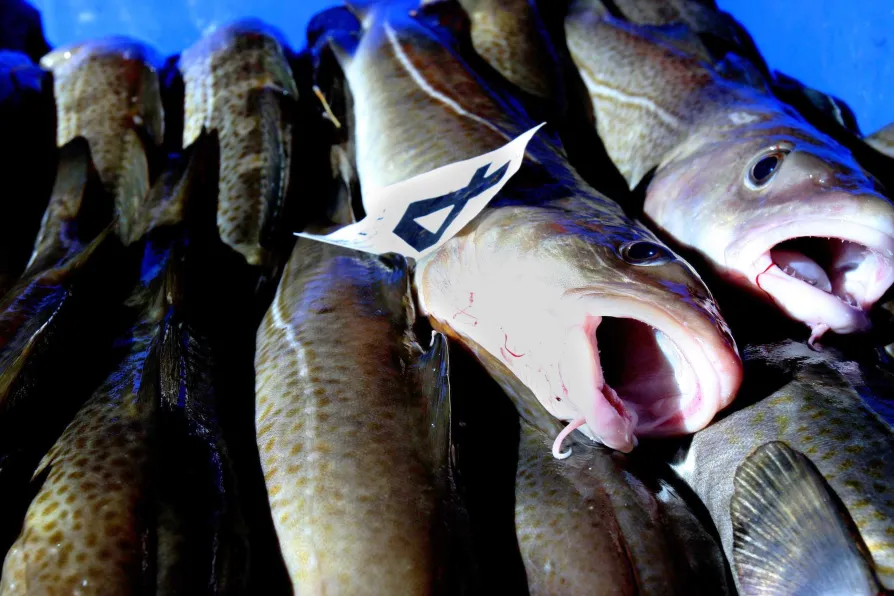
UK consumers are being urged to reconsider their seafood choices after two popular alternatives to cod received lower sustainability ratings because of declining fish stocks and increasing pressure from fishing. The warning from the Marine Conservation Society (MCS), an environmental charity, highlights growing concerns about the long-term health of marine populations and the need for consumers to make more informed decisions when buying fish.
European hake caught in the North Sea, Celtic Seas and Bay of Biscay has been downgraded from green to amber in the charity’s Good Fish Guide. Meanwhile, coley caught in several waters around the UK has fallen from amber to red, the guide’s lowest rating, placing it among the fish consumers are advised to avoid.
The changes are significant because both species have been promoted as alternatives to cod, whose populations have experienced sustained pressure. As consumers and retailers have sought substitutes for threatened fish stocks, demand has increasingly focused on a relatively small selection of popular seafood species. Conservation experts warn that repeatedly shifting demand from one species to another without considering stock conditions can transfer pressure rather than resolve the underlying problem.

The MCS publishes its Good Fish Guide to help individuals, restaurants, retailers and other seafood businesses choose products with lower environmental impacts. Its traffic-light rating system assesses seafood according to factors including the condition of fish populations and the sustainability of fishing practices. The guide is updated twice a year to reflect changes in fisheries and the evidence available about marine stocks.
Under the latest assessment, European hake from the specified fishing areas has moved from green, indicating a more sustainable choice, to amber, signalling that consumers should exercise caution. The downgrade reflects declining stocks and increased fishing pressure. The charity’s assessment suggests that shoppers should not assume hake remains a consistently sustainable alternative simply because it was previously recommended.
Coley has received a more serious downgrade in the areas covered by the latest review. The rating for fish caught in the North Sea, West of Scotland, Rockall and Skagerrak has fallen from amber to red. A red rating means the species from those fisheries is classified as a fish to avoid under the guide’s recommendations.
However, the assessment does not mean that every coley fishery has the same sustainability status. Of the 10 coley fisheries assessed by the guide, two retain green ratings, while eight are rated amber. The differences demonstrate why the fishing location and method can matter as much as the name of the species when consumers assess the environmental impact of their purchases.
Kerry Lyne, manager of the Good Fish Guide, emphasised that the condition of fish stocks is continually changing. A species that was a responsible choice in one location or several years ago may no longer be equally sustainable everywhere. The charity’s advice therefore reflects the need to keep seafood recommendations under review rather than relying on familiar labels or previous guidance.
The warning comes amid longstanding concerns about the concentration of seafood consumption in the UK. Much of the fish and seafood eaten by British consumers comes from a handful of species commonly known as the big five: cod, haddock, salmon, tuna and prawns. Their popularity places considerable demand on a relatively narrow range of wild fish populations and seafood supply chains.
Cod has been under particular pressure, with populations declining since 2015. Overfishing is identified as the principal cause, while changes in sea temperatures and wider ecosystem pressures have also affected reproduction and the survival of young fish. These additional pressures can make recovery more difficult, even when fisheries management measures are introduced.
When popular species become less abundant, consumers may turn to alternatives that offer similar taste, texture and cooking qualities. However, if demand shifts rapidly towards a small number of replacement species, those fisheries can face increased pressure of their own. The latest downgrades to hake and coley illustrate the difficulty of creating sustainable consumption habits when choices are concentrated on a limited selection of seafood.
The MCS is encouraging consumers to diversify the species they eat and avoid those facing the greatest threats. Rather than treating sustainability as a fixed label attached to a fish, shoppers are being advised to consider current assessments and the specific origin of their seafood.
One alternative suggested by the charity is wild-caught sea bass from around the UK. It has a mild flavour and flaky white flesh, making it a potential substitute for cod in a wide range of recipes. Its similar culinary characteristics may allow households to change their seafood choices without abandoning familiar meals.
Nevertheless, consumers should still consult current guidance when selecting sea bass, as the sustainability of a fish can vary according to where and how it is caught. The broader message is that diversification works best when it is supported by reliable information about the condition of individual stocks and the environmental effects of fishing methods.
The latest review of the Good Fish Guide covered 727 ratings. Of these, 29 were downgraded and 11 were upgraded, indicating that sustainability assessments are moving in different directions across the seafood sector. While the downgrades highlight areas of concern, the upgrades show that improved management and changing conditions can also create opportunities for fisheries to become more sustainable.
One encouraging development is the improved assessment of UK Atlantic bluefin tuna, which has received a new green rating following signs of substantial population recovery. The species was previously subject to significant conservation concerns, making the improved status an important development for British marine conservation.
Chris Graham, the MCS’s head of ocean regeneration and sustainable seafood, attributed part of the recovery to better fisheries management introduced more than two decades ago. The improvement demonstrates how sustained oversight and appropriate management measures can contribute to the recovery of a heavily pressured species.
However, conservation experts remain cautious. Graham welcomed the existence of a small, well-managed fishery but stressed that the population must continue to be monitored closely. A favourable rating is not a guarantee that a species will remain secure indefinitely, particularly when marine ecosystems and fishing pressures can change over time.
The review also included Lyme Bay’s so-called disco-pot scallops, which received an amber rating. The fishing technique uses LED lights inside pots to attract scallops and has a lower impact on the seabed than traditional dredging. This illustrates how innovation in fishing equipment and methods can help reduce environmental damage while allowing seafood to be harvested.
Traditional dredging can disturb seabed habitats, affecting marine organisms and the environments on which they depend. Alternative techniques that reduce contact with the seabed may offer environmental advantages, although their overall sustainability still needs to be assessed in the context of the fishery, its management and its effects on marine populations.
For shoppers, the changing ratings underline the importance of checking current advice before making seafood purchases. Choosing a species based solely on its reputation as an alternative to cod may not be sufficient. The fishing area, the condition of the stock and the method used to catch the fish can all influence whether a product represents a responsible choice.
Retailers and restaurants also have a role to play by providing clearer information about seafood origins and helping customers understand the differences between fisheries. More transparent sourcing can make it easier for consumers to choose products that align with conservation goals and can encourage suppliers to adopt more responsible practices.

Ultimately, the challenge extends beyond individual shopping decisions. Healthy fish populations depend on effective fisheries management, monitoring, compliance with rules and a willingness to adapt as scientific assessments change. Consumer choices can support those efforts, but lasting improvements require cooperation among fishing businesses, retailers, policymakers and conservation organisations.
The latest advice from the Marine Conservation Society serves as a reminder that sustainable seafood is not a permanent list of approved species. As stocks fluctuate and fishing pressure changes, yesterday’s preferred alternative may become tomorrow’s conservation concern. Diversifying seafood choices, checking updated ratings and supporting well-managed fisheries can help reduce pressure on vulnerable populations while protecting the marine resources on which future generations will depend.
Related News:
 Edinburgh Glasshouses Reopen After Major Restoration
 Britons Demand Greater Honesty on Climate Crisis
 Three-Quarters of England’s Riverbanks Still Off Limits
 London’s 2026 ‘Great Stink’ Raises Sewer Concerns
 Battery Fires Cost UK Recycling Industry £1bn
 Norfolk Broads Housing Levy Faces Environmental Criticism
 Polanski Says Leadership Not Tied to By-election Result
 Experts Warn UK Food Security Is at Risk
 Drax Datacentre Faces Major Carbon Emissions Concerns
 Bendy Elm Named UK Tree of the Year
 UK Water Firms Earn Millions From Industrial Wastewater
 Scotland’s Climate Plans Face Scrutiny Over ‘Science Fiction’ Targets
 Ocean Warming Drives Massive Marine Life Loss, Study Warns
 UK Records Earliest Spring as Nature Awakens Fast
 Heavier SUVs Accelerate Britain’s Pothole Crisis
 Chornobyl Still at Risk 40 Years After Disaster
 Reform UK funding: mystery billionaire revealed
 Older Than Dinosaurs: Secrets of Mayfly Dance Revealed
 Record May Heat to Cold Front in Eastern Australia
 Tractor Breakdown Tests Lincolnshire Farmers
 Britons Build Emergency Supplies Amid Rising Fears
 UK Faces Mass Water Shortages by 2055, Lords Warn
 Sycamore Gap Artwork Chosen After Public Vote
 UK rejects EV charging VAT cut amid Treasury clash
 UK Seas Face Extreme Heatwave as Global Temperatures Surge
 UK Schools Struggle as Classrooms Top 40C
 London Tube Heat Reaches Dangerous Levels
 Burnham unveils £65m drought aid for farmers
 Gen Z turns to BirdTok for a gentler digital escape
 UN Warns Record El Niño Could Supercharge Global Heat
 UK Subsidence Claims Surge After Record-Breaking Summer
 Australia gives users control over social media algorithms
 Thames Water Revises Oxfordshire Mega-Reservoir Plan
 Election Candidate Abuse Raises Alarm in England
 Heathrow Expansion Faces New Climate Conditions Over CO₂
 UK Heatwaves Set to Worsen Pothole Damage, RAC Warns
 Nature Access Gaps Expose Inequality Across England
 Europe Faces Climate Reckoning After Extreme Summer
 UK Funds Gene Editing to Protect Threatened Wildlife
 Tropics May Wait Longest for Net-Zero Climate Benefits
 Super El Niño Threatens Hundreds of Thousands of Lives
 Nepal PM calls deadly flood a global climate warning
 New UK Homes in Flood Zones Face Insurance Risk
 London Facial Recognition Trial Ends With False Alert
 Swiss Glaciers Lose Nearly One-Fifth of Ice in Five Years
 Berlin App Helps Residents Protect City Trees
 Banned Health Coach Faces UK Events Criticism
 Feeld Founders Receive Record Dividend as Sales Rise
 BT Broadband Pauses Raise Digital Switchover Concerns
 Tech-Optimist Scientists Less Likely to Take Climate Action
 Norway Fjord Faces Fresh Mine Waste Dumping
 Teenager Receives UK’s First Testicular Tissue Transplant
 Panama Hit by Powerful 7.7-Magnitude Earthquake
 Recruitment Boss Accused of Leading Doxxing Campaign
 UK Bans Fake Numbers: Scammers Lose Their Trick
 Patients to Test Health at Home to Ease NHS Winter Pressure
 Northern Lights may illuminate UK skies this week
 Judi Dench Champions Fight to Save London’s Green Spaces
 ‘Drinking from a Fetid Pond’: Superbug Genes in Lough Neagh
 Rising Costs Force Families to Rethink Days Out
 Barrister Criticises Trial After Suicide Case Verdict
 Farage and Reform UK Reshape British Politics
 Tech Trends and the Battle Against Exam Hall Cheating
 British Teens in EU Face Soaring UK University Fees
 Olympus Awaits Unesco Heritage Recognition
 Queue row erupts on Wales’ highest mountain
 Ghent Professors Questioned Cofnas Appointment
 British Museum Faces Questions Over Peter Thiel’s Private Bayeux Viewing
 London Launches First Self-Driving Taxis
 UK Retailers Accused of Breaking Refund Laws
 Mayors Could Gain Greater Powers Over Water Firms
 Tom Watson Takes Senior Role at Palantir
 UK Rent Gap Puts Low-Income Families Under Pressure
 Frome Community Loses Bid for Major Regeneration Site
 UK University Strikes Spread as Financial Pressure Grows
 Healey urged to act as UK energy bills rise 4%
 Badenoch Raises Prospect of 2027 UK Election
 Tories Plan Major Overhaul of UK Environmental Rules
 Gosport Protesters Clash With Police Over Migrant Rescue
 Australian Advocates Seek Subsidised Drugs for PMOS