Published: 14 October 2026. The English Chronicle Desk. The English Chronicle Online
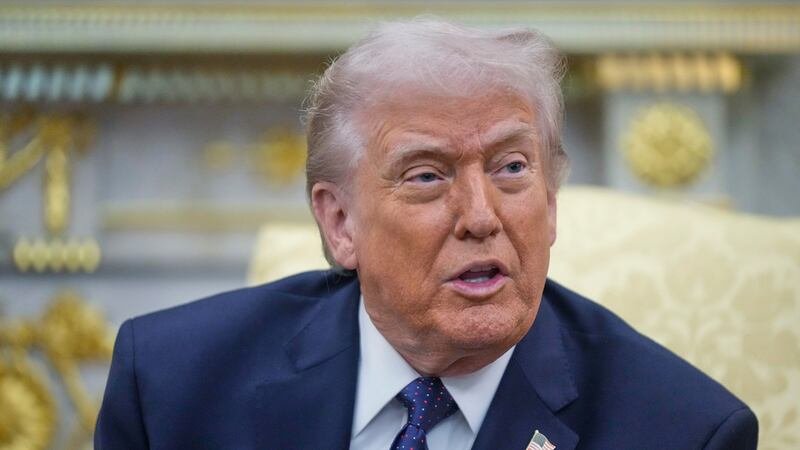
US President Donald Trump is heading to campaign rallies in Arizona and Montana after spending the previous 24 hours in Alaska, as mounting concerns over Republican electoral prospects place fresh pressure on the president and his party ahead of the midterm elections. Rising fuel prices, dissatisfaction with the cost of living and opposition to the war involving Iran are emerging as significant political challenges, while Democrats see opportunities to compete in states that have traditionally favoured Republicans.
Trump’s campaign schedule has attracted attention because he has increasingly appeared in conservative-leaning areas of competitive states rather than concentrating on more politically diverse locations where election outcomes may be less predictable. The strategy offers the president an opportunity to energise his core supporters, promote Republican candidates and reinforce party unity. However, it also raises questions about how effectively Republicans are addressing voters whose economic concerns and views on foreign policy could influence the midterm results.

Alaska provided a revealing backdrop for Trump’s latest campaign appearance. Although the state supported him by a substantial margin in the 2024 presidential election, Democrats are now hoping to challenge Republican control of a Senate seat there. Polling cited in the campaign coverage indicated that Democratic candidate Mary Peltola was running level with, or slightly ahead of, incumbent Republican senator Dan Sullivan.
Such figures suggest that even states with a strong Republican voting history may become more competitive when voters are dissatisfied with the political and economic climate. Polling remains a snapshot rather than a guarantee of an election outcome, but the contest has become an important test of whether Republican candidates can maintain their support while facing criticism over issues associated with the administration.
The rising cost of energy has emerged as one of the most immediate challenges. Higher prices for petrol and diesel affect household budgets, transport expenses and business operating costs. In a state such as Alaska, where energy production and the oil and gas industry play an important economic role, the issue also carries political significance beyond the price displayed at fuel stations.
Sullivan acknowledged the difficulties facing Alaskans over energy costs while defending the administration’s position on the conflict in the Middle East. He argued that the conflict was temporary and contrasted it with what he described as a continuing Democratic effort against Alaska’s oil and gas industry and the jobs connected to it.
His comments reflected a wider Republican effort to connect economic concerns with domestic energy policy. Republicans have frequently argued that support for oil and gas production is necessary to protect employment, maintain energy supplies and contain costs. Democrats, meanwhile, have often emphasised environmental protection, investment in alternative energy and the long-term consequences of dependence on fossil fuels.
For voters, however, the immediate question may be less ideological: whether their incomes can keep pace with the cost of everyday necessities. Fuel prices can influence the cost of moving goods, commuting to work and operating businesses, potentially spreading the impact of energy increases across the economy. If households believe the administration has failed to manage these pressures, Republican candidates could face difficult questions even in traditionally supportive communities.
The war involving Iran has added another layer of uncertainty to the political debate. Trump again claimed during his Alaska visit that Iran had been only two weeks away from obtaining a nuclear weapon when he initiated military action. That assertion is disputed by the US intelligence assessment cited in the reporting, which stated that Iran had suspended its pursuit of nuclear weapons in 2003.
The distinction is important because claims about the immediacy of a nuclear threat can influence public understanding of the justification for military action. US intelligence assessments have previously questioned the claim that Iran was on the verge of producing a nuclear weapon, while the administration has defended its approach to Iranian nuclear facilities and the wider security threat.
Trump ordered US strikes against Iranian nuclear enrichment facilities in the summer of 2025 and subsequently described the country’s nuclear programme as having been effectively destroyed. Eight months later, he launched a broader war against Iran, again invoking the alleged urgency of the nuclear threat. The administration’s explanation has therefore become a point of political contention as voters weigh the security objectives of the conflict against its economic and human consequences.
Foreign policy can be difficult to separate from domestic politics when military action contributes to uncertainty over energy markets, government spending and international stability. For Republicans campaigning ahead of the midterms, the challenge is to persuade voters that the administration’s decisions are necessary and that any immediate economic difficulties will be outweighed by longer-term security benefits.
The Alaska rally also included a notable decision involving environmental enforcement. Trump pardoned two local repair-shop owners who had been convicted of violating the federal Clean Air Act by removing pollution-control systems from diesel engines. The move placed environmental regulation and the administration’s approach to enforcement back into the political spotlight.
Supporters of such pardons may view them as relief from regulations they consider burdensome to businesses. Critics, however, may argue that removing pollution controls undermines environmental safeguards intended to protect public health. The decision illustrates how Trump’s campaign appearances can serve not only as opportunities to support Republican candidates but also as platforms for demonstrating his administration’s policy priorities.
Trump also encouraged Republicans to vote by mail, despite having repeatedly criticised and sought to restrict or discredit the practice. The apparent contrast is politically significant because voting methods have become a subject of intense partisan debate in the United States. Encouraging Republican supporters to use mail ballots could help the party maximise turnout, particularly among voters who may find it difficult to attend polling stations in person.
Arizona and Montana will provide Trump with further opportunities to rally supporters and promote Republican electoral prospects. Both states have political dynamics that make them relevant to the wider contest for congressional control. Campaign appearances can energise party activists, generate publicity and help candidates attract attention, but they do not necessarily demonstrate that voters outside a candidate’s existing support base have changed their minds.
The president’s broader political position is also being tested by developments involving the White House and the media. A federal judge has ordered the administration to continue allowing journalists from CNN, MS NOW and Politico to access the White House while a legal challenge to their exclusion proceeds.
The outlets were barred from access in September following Trump’s criticism of their reporting. The media organisations subsequently challenged the decision, arguing that the restrictions violated their constitutional rights. A temporary court order had previously preserved their access, and the latest ruling extends those protections while the lawsuit continues.
The judge’s decision means the administration cannot enforce the September 2026 revocation of the journalists’ press credentials during the relevant legal proceedings, apart from the president himself as specified in the order. The dispute has renewed concerns about the relationship between the executive branch and news organisations, particularly over whether government access can be restricted in response to unfavourable coverage.
The issue carries broader implications for public accountability. White House reporting provides information about presidential decisions, administration policies and national developments. Disagreements between officials and journalists are common, but legal challenges over access raise questions about the boundaries between executive authority, press freedom and constitutional protections.
Another controversy emerged after Trump shared footage of a fatal tiger attack involving 23-year-old British man William Chapman at Yorkshire Wildlife Park. The president accompanied the video with the caption, “Don’t ever mess with nature!” He later posted an AI-generated clip depicting himself grappling with a tiger.
Chapman’s family said the online content had caused them severe distress. In a tribute, they described him as a bright and engaging young man and raised questions about the possible relevance of his longstanding mental health difficulties and prescribed medication to the circumstances surrounding the incident. The family’s comments underline the impact that the circulation of footage of a fatal event can have on relatives who are already coping with grief.
The episode has generated criticism over the use of a personal tragedy as material for political or entertainment content. It also illustrates how social media can rapidly amplify disturbing events, with little control over how footage is reused or interpreted. The family’s response has brought attention to the need for sensitivity when discussing deaths, particularly where the circumstances remain deeply distressing for those closest to the victim.
Meanwhile, new White House press secretary Katie Zacharia faced questions about whether she holds a licence to practise law in any US jurisdiction. Asked where she had passed the bar examination, she responded that she had moved to China rather than directly clarifying her professional credentials. The exchange left the question unresolved in the account of the briefing.
Separately, the United States said its policy on sharing intelligence with Ukraine had not changed, following Ukrainian concerns about the absence of advance warnings before Russian strikes. The dispute highlights continuing uncertainty in Kyiv about the reliability of Western support amid strained relations with Washington. Ukraine relies heavily on intelligence from its partners to detect incoming attacks and inform military decisions.

Taken together, these developments show the difficult political environment surrounding Trump’s campaign appearances. Economic pressures and the Iran conflict are testing Republican support, while disputes over media access, environmental policy and the administration’s public messaging continue to draw scrutiny.
The rallies in Arizona and Montana may strengthen enthusiasm among the president’s core supporters, but the larger electoral challenge will be whether Republicans can persuade undecided and dissatisfied voters that their policies offer credible answers to the pressures affecting daily life. With control of Congress at stake in the midterm elections, the party’s ability to address fuel costs, foreign policy concerns and public confidence could prove as important as the president’s capacity to energise campaign crowds.
Related News:
 Trump Ads Trigger Fight Over Taxpayer Money
 Tanker Attacked Near Qatar as Hormuz Tensions Escalate
 Brazil Court Scandal Threatens Lula as Bolsonaros Rise
 Thousands Protest ICE Operations in Nationwide US Day of Action
 US Court Ruling Reshapes Voting Rights Landscape
 US states redraw maps after voting rights ruling
 Judge halts deportation of Yemeni refugees in US
 Trump approval plunges amid Iran war fears
 Trump Threatens UN Budget Cuts as US Pushes ‘Trade Over Aid’ Agenda
 Trump warns Iran as Middle East tensions surge again
 US Court Restores Abortion Pill Access Temporarily
 US Awaits Iran Reply on New Ceasefire Proposal
 Hormuz Talks Near Critical Stage
 Trump’s Revenge Drive Deepens GOP Divide
 Former ICC prosecutor condemns US sanctions
 Gunman Killed After White House Security Shootout
 Mystery Grows Over Mitch McConnell’s Health
 Trump Refuses to Sign Housing Bill, But Law Takes Effect
 Trump announces major US oil deal with Venezuela
 Trump Hardens Canada Trade Stance as Talks Stall
 Trump Calls Iran War ‘Small Potatoes’ Despite US Deaths
 UK plans tougher Israel stance with settlement trade ban
 Trump Pledges $5,000 if Republicans Win Midterms
 US House Passes Russia Sanctions Bill Amid Debate
 Trump Media Ban Triggers First Amendment Clash
 Macron and Carney deepen France-Canada ties
 US Networks Suspend Trump White House Pool Coverage
 Trump and Mamdani Hold Cordial Gracie Mansion Meeting
 Trump Eyes Major Belarus Fertiliser Deal Amid Canada Trade Dispute
 Xi urges Trump to avoid US-China military conflict
 Lula accuses Trump of seeking control over Brazil
 Republican Senator Questions Trump Ad Spending
 Burnham Opens Door to Possible UK Return to EU
 Trump Immigration Policy Faces New Legal Tests
 Latin America women fear rollback of rights
 Lithuania Offers to Fund Permanent US Military Base
 Trump Rally Faces Protests as Texas Race Tightens
 Trump Says He Deserves Nobel Peace Prize
 US Senate Debates Turn Bitter as Midterms Near
 Trump’s Russian Diesel Deal Sparks Ukraine Fury
 Trump Attacks Norway After Nobel Peace Prize Snub
 Ten US Midterm Races That Could Defy Expectations
 Millions Face Tougher Medicaid Rules From January
 Ohio Airports Become Key Hubs for ICE Deportation Flights
 UK Urges Interpol to Reject Argentina’s Falklands Arrest Requests
 Judge Blocks Trump White House Media Ban
 Trump Warns Alaska Voters Over Rival Dan Sullivans
 Trump Deploys DHS to Charlotte in Major Arrest Operation
 Canada Passes Carney’s First Budget in Tight Parliamentary Vote
 US National Guard Member Killed in DC Shooting
 Trump Fed bid heads to Supreme Court
 Partial US Government Shutdown Hits Homeland Security Funding
 Report Says Pezzullo Acted ‘Recklessly’ in Dealings
 Suspected Plot Targets Pipeline Before Hungary Vote
 UK Stands Firm on Falklands Amid US Rift
 Oil Prices Surge Above $120 Amid Iran Blockade Fears
 Trump orders US troop pullout from Germany
 US ‘Narco Boat’ Strikes Draw Global Outcry
 Kevin Warsh sworn in as Fed chair amid economic backlash
 US green card applicants must apply from abroad, DHS says
 Ukraine Creates Long-Range Strike Command
 Houthis Strike Saudi Arabia as Middle East Tensions Rise
 Unions Warn Labour Over Zero-Hours Contract Reforms
 Swedish Mining Push Puts Sami Land Rights Under Pressure
 Trump gives $45,000 holiday gifts to White House aides
 New Mexico Takes Facebook to Trial Over Data Scandal
 Trump Threatens EU With Tariffs Over Canada Proposal
 US Sanctions Open New Battle for Cuba Assets
 Democrat Says ICE Restricted Detention Camp Oversight
 Trump gives Xi red-carpet welcome as trade truce extends
 Badenoch Raises Prospect of 2027 UK Election
 French School Protests Escalate as 400 Schools Close
 Lula Warns of Bolsonaro Family Return as Brazil Votes
 Quebec separatists return to power without majority
 Okinawa US Troops Face Curfew After Murder Case
 South Korea Probes Fuel Shipments to Russia
 Houthi Missile Claim Sparks Riyadh Airport Disruption
 Trump Rules Out Iran Attack Before US Elections
 Trump Names Katie Zachariah as Next White House Press Secretary
 India’s Voter Roll Crisis Sparks Nationwide Protests