Published: 16 October 2026. The English Chronicle Desk. The English Chronicle Online
The United Kingdom could potentially establish a much closer relationship with the European Union within months of making a political decision to deepen ties, according to a senior European parliamentarian who played a significant role in the Brexit negotiations. Bernd Lange, chair of the European Parliament’s trade committee, has suggested that a “Switzerland plus” arrangement could offer Britain a relatively rapid route towards rebuilding economic and political links with the bloc without immediately requiring full EU membership.
Lange, a German member of the European Parliament who was closely involved in the negotiations surrounding Brexit, said he would welcome the return of the UK to the European Union. He argued that Europe had lost an important voice in its political and economic decision-making structures since Britain left the bloc, particularly because of the country’s long-standing support for open markets, international trade and democratic institutions.
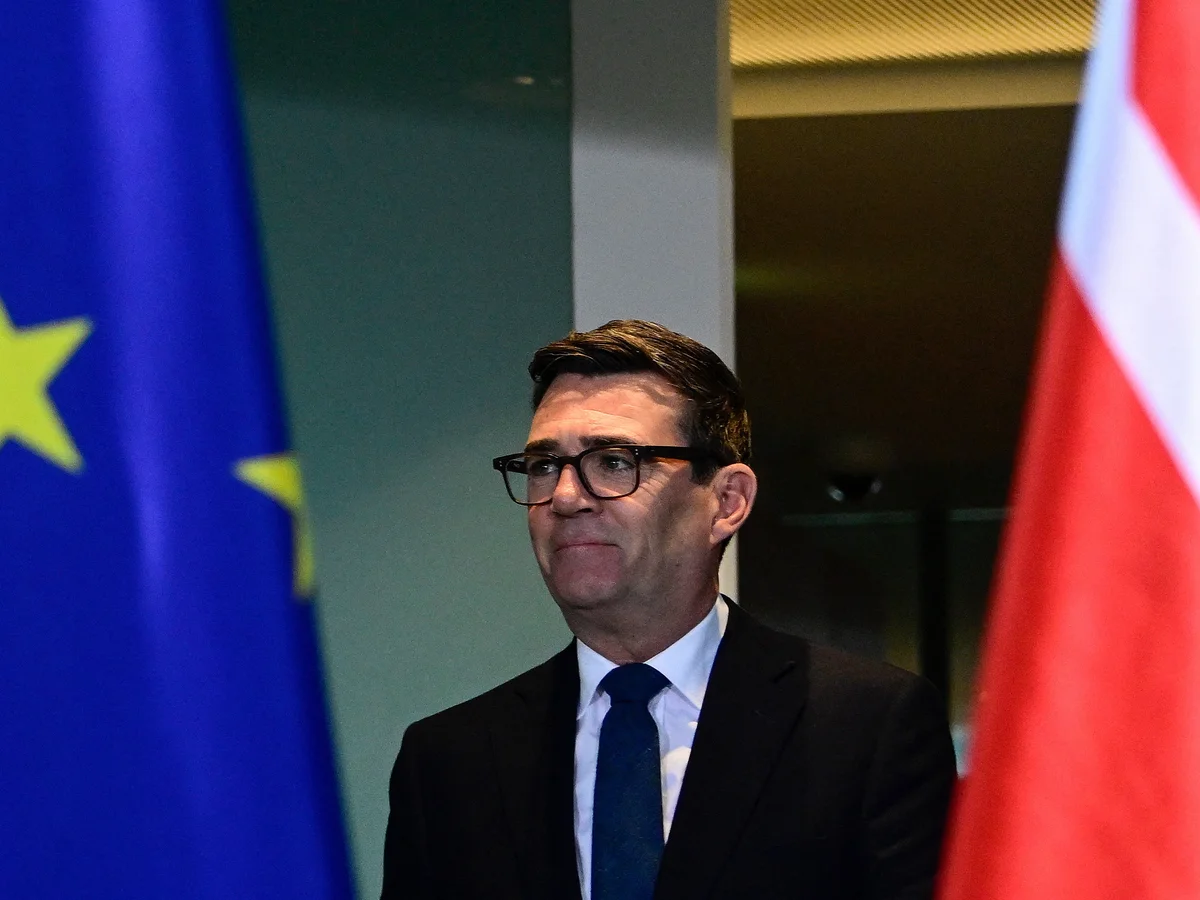
His comments come as the government under Prime Minister Andy Burnham reassesses Britain’s relationship with the EU and considers how far it should move beyond the post-Brexit settlement. The debate has increasingly shifted from whether Brexit should be reversed immediately to what practical steps could be taken to reduce economic and political barriers between Britain and Europe.

The concept of a “Switzerland plus” arrangement is based partly on Switzerland’s distinctive relationship with the European Union. Switzerland is not an EU member but has negotiated extensive agreements that give it broad access to parts of the single market while requiring it to accept certain European rules and obligations.
A Swiss-style arrangement has previously been rejected by Brexit supporters because it can involve free movement of people and regulatory alignment with the EU. Former prime minister Boris Johnson was among those who opposed such a model during earlier discussions about Britain’s post-Brexit future.
Lange believes, however, that a modified version could offer the UK a practical stepping stone towards closer European integration. He described the existing Swiss relationship as relatively passive because Switzerland has access to significant elements of the European market but does not participate fully in the EU’s political decision-making process.
A “Switzerland plus” model, in his view, could go further by providing Britain with greater political engagement while stopping short of immediate full membership. Such an arrangement could potentially allow the UK to regain closer economic ties while giving both sides time to determine whether deeper integration was desirable.
Switzerland’s relationship with the EU has developed through a series of agreements covering areas of economic and institutional cooperation. The country has recently strengthened that relationship through a new framework designed to preserve broad access to the single market.
The arrangement has provided Switzerland with access to areas including the EU electricity market, space programmes, educational opportunities through Erasmus and research cooperation through Digital Europe. It also participates in European public health structures, illustrating how a non-member country can maintain substantial links with EU institutions.
In exchange for this access, Switzerland accepts important obligations, including free movement arrangements and financial contributions to European economic and cohesion programmes. That balance is likely to be central to any future discussion about whether a similar structure could work for Britain.
Lange stressed that the decision over Britain’s future relationship with Europe ultimately rests with the UK. However, he suggested that if London chose a Switzerland-plus type of relationship, negotiations could move comparatively quickly despite the inevitable political obstacles.
His comments came during a visit to London, where he was due to meet trade minister Anas Sarwar as part of discussions surrounding Britain’s evolving approach to EU relations. The visit reflects the growing level of engagement between British and European officials as the government examines options for improving trade and cooperation.
The debate extends beyond the question of the UK’s eventual relationship with the EU to immediate concerns about European industrial policy. Lange has also backed Burnham’s call for Britain to be included in the EU’s proposed “Made in Europe” rules.
The legislation is designed to strengthen European industry by giving preference to European producers in certain public procurement contracts and corporate purchasing arrangements. Excluding British businesses could create difficulties for UK companies that remain deeply integrated into European supply chains.
Lange argued that Britain should be included because its environmental and employment standards are already broadly aligned with EU requirements. He rejected the argument that Britain’s post-Brexit status should automatically prevent British companies from participating in the scheme.
The issue has become increasingly significant for the automotive industry. Mercedes-Benz chief executive Ola Källenius has warned that excluding Britain from the programme could damage European manufacturing by disrupting established industrial relationships.
France has reportedly been more cautious about allowing the UK into the proposed framework. French officials have argued that the legislation needs to be implemented quickly to protect European manufacturers from competition, particularly from China, and that adding non-EU countries could complicate or delay the legislative process.
Lange strongly criticised that position, describing it as driven partly by emotion and domestic political considerations. He suggested that concerns about protecting French interests ahead of the country’s presidential election could be influencing the debate.
The political sensitivity in France is particularly notable because the country’s next presidential contest could have significant consequences for the future direction of European policy. The possibility of Marine Le Pen gaining power has added further pressure on French politicians to demonstrate that national interests are being protected.
For Britain, however, exclusion from the “Made in Europe” framework could create more than an economic disadvantage. It could potentially lead to legal questions surrounding the existing trade and cooperation agreement between Britain and the EU.
The current post-Brexit agreement allows British goods to enter the European single market without tariffs or other major barriers when they meet the bloc’s required standards. If the EU were to classify Britain as non-European for the purposes of major industrial legislation, UK companies could argue that such treatment conflicts with the broader principles governing the trading relationship.
The timing is therefore becoming important. The European industrial legislation is expected to receive political approval by the end of this year or early next year. That leaves Burnham’s government with limited time to influence the drafting process and secure provisions that would allow British businesses to qualify.
However, Lange believes the legislative process could still provide opportunities for change even after political approval. The European Parliament will have significant scrutiny responsibilities, with several committees examining the legislation and considering amendments.
He pointed to the enormous number of amendments involved in the process, indicating that the legislation remains far from being a simple or settled package. One of those amendments concerns Britain’s possible inclusion, creating an opportunity for the UK government to continue lobbying European lawmakers.
The debate illustrates how Britain’s relationship with Europe is gradually moving into a new phase. Rather than focusing solely on the original Brexit decision, governments and businesses are increasingly examining the practical consequences of separation and the possibilities for rebuilding cooperation.
For Burnham, the challenge is politically complicated. A move towards closer ties could face resistance from voters and politicians who regard Brexit as a settled constitutional choice. At the same time, businesses that depend heavily on European markets may favour policies that reduce trade barriers and regulatory friction.
A Switzerland-plus arrangement could potentially offer a compromise between those positions. It could provide Britain with significantly closer access to European markets and institutions without requiring an immediate return to full EU membership. But it would also likely require Britain to accept some European rules and obligations, including potentially controversial arrangements concerning mobility and financial contributions.
Lange’s intervention is significant because it comes from a senior European policymaker who understands the complexity of the Brexit negotiations. His willingness to discuss a relatively rapid pathway towards closer ties suggests that some European politicians may be open to practical solutions if Britain makes a clear political choice.
The prospect of Britain eventually returning to the EU remains politically distant and would involve complex negotiations. But the emergence of a Switzerland-plus concept demonstrates that the debate is no longer confined to the binary choices of remaining outside or immediately seeking full membership.

For British businesses, the immediate priority may be reducing friction in trade, protecting supply chains and ensuring access to European industrial opportunities. For European policymakers, the challenge will be determining how far Britain can participate in EU programmes and markets without becoming a member.
As Burnham’s government reassesses Brexit, the next stage of the relationship could therefore be shaped by practical agreements long before any decision on full membership is made. A Switzerland-plus model, if pursued, could provide a framework for rebuilding ties incrementally while allowing both sides to test the benefits of closer cooperation.
Lange’s message is ultimately that the door to a closer British-European relationship remains open. Whether the UK chooses to walk through it, and how far it ultimately goes, will depend on political decisions in London as well as the willingness of European governments and institutions to accommodate a new post-Brexit partnership.
Related News:
 Burnham Opens Door to Possible UK Return to EU
 UK Pushes for New EU Goods Trade Deal
 Reeves Fights to Keep Treasury Role Amid Labour Turmoil
 Europe Faces Winter Gas Supply Anxiety
 Trump Hardens Canada Trade Stance as Talks Stall
 UK plans tougher Israel stance with settlement trade ban
 Oil nears $100 as Saudi attacks shake markets
 Trump Threatens EU With Tariffs Over Canada Proposal
 Trump Threatens EU Over Canada Partnership Proposal
 Trump Eyes Major Belarus Fertiliser Deal Amid Canada Trade Dispute
 Burnham Leaves Door Open to Future Brexit Reversal
 Thinktank Calls for Abolition of UK State Pension
 MPs Defend UK Economic Watchdog Against Critics
 Iran Rejects Claims of Shift in US Talks
 Tony Blair Calls for Britain to Rejoin EU Within a Decade
 Saudi intercepts Houthi missiles as oil fears grow
 Badenoch Raises Prospect of 2027 UK Election
 UK Diesel Reaches £2 as Inflation Surges Across Europe
 Minister Rejects Fears of UK Diesel Shortage
 Informa Agrees £2.24bn Deal to Buy Clarion
 EU-China Talks Target Surge in Hybrid Car Imports
 Tanker Attacked Near Qatar as Hormuz Tensions Escalate
 France Urges UK to Consider Returning to EU
 France Faces Debt Crisis as Protests and Markets Clash
 IFS Warns UK Budget Faces £35bn Spending Gap
 IMF Warns Global Economy Is Nearing Its Limits
IMF Raises UK Growth Forecast Ahead of Healey’s Budget
IMF Warns Global Economy Is Nearing Its Limits
IMF Raises UK Growth Forecast Ahead of Healey’s Budget
 UK Urges Interpol to Reject Argentina’s Falklands Arrest Requests
 Business Chief Urges Burnham to Fix Brexit Damage
 UK and EU Signal Fresh Push for Defence Cooperation Talks
 UK Doubles Steel Tariffs to 50% to Protect Domestic Plants
 BBC News Faces Deep Cuts in 2,000 Job Plan
 US Awaits Iran Reply on New Ceasefire Proposal
 Labour MPs Urge Burnham to Revive UK Aid Target
 Canada to Match Trump’s 50% Tariffs Dollar for Dollar
 Unions Warn Labour Over Zero-Hours Contract Reforms
 Exeter Approves Saudi Military Training Partnership
 Green Leader Targets Starmer’s Former Seat
 UN expert urges UK to rethink Israel policy
 Ukraine Moves to Seize Water Company
 Swedish Mining Push Puts Sami Land Rights Under Pressure
 UK House Prices Fall as Mortgage Rates Rise
 Miliband Rejects Chief Rabbi’s West Bank Warning
 Saudi Arabia Shuts Oil Pipeline After Drone Attack
 Thames Water Revises Oxfordshire Mega-Reservoir Plan
 UK Pay Growth Slows to 3.9% as Rate Decision Nears
 Bank Urged to Slow Bond Sales as UK Costs Rise
 UK Inflation Hits 3.1% as Household Pressure Grows
 US Sanctions Open New Battle for Cuba Assets
 Japan Raises Rates to 31-Year High
 UK Retail Sales Rebound as Consumers Spend More
 Reform UK Faces Internal Debate Over £72m Spending
 King Refers Jamaica Slavery Petition to Privy Council
 UK Pauses Chagos Deal Amid US Opposition
 Should Savers Lock Into 5.25% Fixed Rates?
 Ukraine Faces $45m Hourly Cost From Missile Alerts
 Poundland Rescue Bid Could Protect 11,000 Jobs
 Drumcree Talks Falter as Legal Challenge Deepens
 UK-France Returns Deal Faces Expiry as Talks Stall
 UK house price growth slows as mortgage rates rise
 UK borrowing costs surge as global bond sell-off deepens
 French Debt Fears Put Euro Markets Under Pressure
 UK Assures Public Over Diesel Supply
 North Sea Strike Threatens UK Fuel Supplies
 UK Weighs Chinese Car Tariffs Amid EU Trade Push
 UK house prices stall as mortgage costs rise
 IMF Warns Governments Over Rising Debt Burdens
 South Korea Probes Fuel Shipments to Russia
 UK Mission in East Jerusalem to Remain Open
 Ministers Push ATO to Reconsider Credit Card Ban
 Oil Shock Sends Markets Lower as Middle East Risks Grow
 UK Van Drivers Face £2.5bn Diesel Cost Surge
 Hall and Woodford Win Nobel Economics Prize
 Brazil Court Scandal Threatens Lula as Bolsonaros Rise
 Farage Rejects Claims Reform Would Let Troops Shoot Migrants
 Healey Plans £1bn Online Marketplace Tax Crackdown
 Trump Targets Arizona and Montana Amid GOP Election Worries
 Brazil Cuts Working Week to 40 Hours in Lula Election Boost
 Trump Rallies GOP as Senate Democrats Boost Key Races
 Serbia Leader Linked to Controversial Trump Tower Plan