Published: 19 October 2026. The English Chronicle Desk. The English Chronicle Online
Alberta has reached a pivotal moment in its relationship with Canada as voters head to the polls in a referendum that has exposed deep political divisions, raised difficult questions about the province’s economic future and revealed significant disagreements within the independence movement itself. The vote has become much more than a debate over constitutional arrangements, touching on energy policy, national identity, Indigenous treaty rights and the potential financial consequences of creating a new country.
The central question facing Albertans is whether the province should remain part of Canada or move towards holding a second binding referendum on independence. For supporters of separation, the ballot represents an opportunity to challenge what they regard as an unfair relationship with the federal government in Ottawa. Opponents argue that breaking away would introduce enormous economic and political risks while threatening relationships and institutions built over generations.
The referendum takes place against an unusually tense backdrop. A deadly fire at Canadian Forces Base Wainwright on Saturday brought tragedy to the province shortly before polling day. The blaze spread through the military installation and into the nearby town, with the Canadian armed forces confirming multiple deaths and injuries. The incident cast a shadow over the final stages of the campaign, shifting attention towards the immediate concerns of public safety and the wider community.

Alberta Premier Danielle Smith, whose political movement has long included strong critics of federal authority, has found herself in a complicated position. Although she argued for years that a referendum was unnecessary, pressure from elements within her United Conservative Party eventually pushed the issue onto the ballot. Yet Smith has stopped short of campaigning for independence, creating tension with some supporters who expected her to lead the province towards separation.
Her caution has centred largely on the potential cost of establishing an independent state. In June, Smith estimated that the transition could cost approximately C$400 billion, with an additional C$25 billion to C$50 billion in annual expenses associated with operating a new country. Such figures underline the scale of the undertaking, which would require Alberta to consider the future of public administration, international relations, border arrangements, taxation and numerous services currently supported through Canada’s federal institutions.
Those estimates have also become a central argument for opponents of independence. The University of Calgary’s School of Public Policy has suggested that separation could cost as much as C$170 billion over five years, while warning that the longer-term financial consequences would be difficult to predict. The differing estimates illustrate the uncertainty surrounding a process that would involve extensive negotiations and potentially reshape the province’s economic relationship with the rest of the country.
For many Albertans, the dispute has its roots in the province’s long-standing frustration over energy policy and the distribution of national wealth. Alberta possesses enormous oil and gas resources, and its economy has benefited substantially from the energy industry. Some residents believe federal policies have restricted the province’s ability to develop those resources and have prevented it from receiving what they consider a fair return from its contribution to Canada’s economy.
The grievances stretch back decades. The federal government’s National Energy Program of 1980 provoked fierce opposition in Alberta because many residents viewed it as an attempt by Ottawa to exercise excessive control over the energy sector. The programme contributed to a lasting political divide between western Canada and the federal Liberal establishment. The broader perception that Alberta’s wealth flows eastwards has remained an enduring feature of provincial political debate.
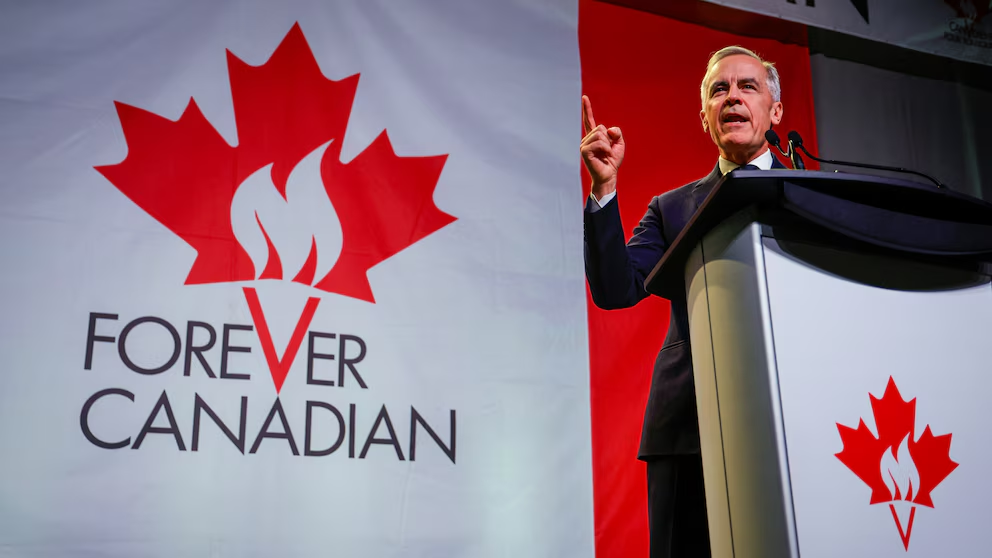
Canadian Prime Minister Mark Carney has sought to address those frustrations while making the case for national unity. Having grown up in Alberta and previously served as governor of the Bank of England, Carney has drawn attention to the economic uncertainty that can follow major constitutional decisions. His experience observing the consequences of Britain’s Brexit referendum has informed his warnings about the possible costs of a prolonged separation process.
During visits to Calgary and Edmonton in the week before the vote, Carney urged Albertans to consider the consequences for future generations. He argued that the province could pursue greater prosperity while remaining within Canada, rather than exposing itself to years of uncertainty and division. His campaign message acknowledged that federal-provincial relations needed repair, while insisting that the answer was cooperation rather than breaking up the country.
Carney has also pointed to major infrastructure and energy projects that could benefit Alberta, including a proposed pipeline to the Pacific coast that would increase the movement of Alberta crude oil towards Asian markets. The project reflects an effort to demonstrate that a united Canada can still support the province’s energy ambitions, even as debates over climate policy and resource development continue.
The campaign for national unity has received support from politicians who would ordinarily be opponents. Former Alberta premiers Jason Kenney, a Conservative, and Rachel Notley, a New Democrat, have appeared together to oppose separation, putting aside their ideological differences for the sake of the province’s place in Canada. Their cooperation highlights the unusual political circumstances surrounding the referendum and the breadth of concern about the consequences of independence.
However, the separatist movement has struggled to maintain a united front. Disagreements over strategy, leadership and the practicalities of establishing a new country have complicated its campaign. Some prominent figures have faced controversy, including allegations involving the handling of funds and a separate investigation into a voter-data scandal that exposed personal information belonging to nearly three million Albertans. Those matters have added scrutiny to a movement seeking public confidence in its ability to govern an independent state.
Supporters of independence argue that the transition could be managed through careful planning. Keith Wilson, a prominent legal figure in the movement, has produced a 214-page transition plan outlining how Alberta might establish itself as a sovereign country. Wilson has rejected comparisons with Brexit, arguing that the administrative and economic challenges of independence are manageable and that Canada would have strong incentives to maintain trade with Alberta.
Yet even within the separatist camp, concerns remain about whether the movement is moving too quickly. Bill Jones of the Wildrose Independence Party has questioned whether sufficient preparation has taken place for the institutions a new country would require. These could include a national police service, a pension system and the administrative structures needed to manage government responsibilities previously shared with Ottawa.
Such questions go to the heart of the referendum debate. Alberta’s economic strength and natural resources do not automatically resolve the practical challenges of sovereignty. An independent government would need to negotiate its relationship with Canada, establish arrangements for trade and movement, determine how federal responsibilities would be transferred and consider how public services would be financed during the transition. The outcome could affect businesses, workers, pensioners and families far beyond the political arena.
Calgary Mayor Jeromy Farkas has warned that even the prospect of separation risks damaging social cohesion. He has argued that the debate has encouraged questions about who qualifies as a genuine Canadian or Albertan, potentially creating divisions among people who live and work in the same communities. Farkas has stressed that residents should continue to feel welcome regardless of their political views or backgrounds, warning that the city and province have much to lose from prolonged uncertainty.
Concerns have also emerged over reported contacts between Alberta separatists and political figures in the United States. Accounts of meetings involving Republican operatives and US government officials have raised questions about whether some independence advocates have sought outside support for their ambitions. Allegations that discussions included potential arrangements involving oil revenues and Alberta’s freshwater resources have intensified the controversy. The details and implications of those reported discussions remain matters of public and political scrutiny.
One of the most consequential challenges to the referendum has come from First Nations communities. Indigenous leaders successfully brought legal action that forced the provincial government to reconsider the wording of the separation question or abandon it. Their argument centres on treaties signed with the Crown before Alberta became a province, agreements that continue to shape the legal and political relationship between Indigenous peoples and the land.
Chief Troy “Bossman” Knowlton, president of the Blackfoot Confederacy, has insisted that these treaties are living agreements with continuing legal force, not merely historical or symbolic documents. He has argued that Alberta cannot determine its future without recognising the rights and interests of the Indigenous nations whose lands and agreements would be affected by any attempt to separate from Canada.
Knowlton has also criticised the separatist movement for failing to engage meaningfully with First Nations before pursuing independence. In his view, Indigenous communities were treated as an obstacle rather than as treaty partners whose consent, rights and concerns deserved serious consideration. The legal dispute has therefore raised fundamental questions about whether a provincial independence project could proceed without confronting the constitutional responsibilities attached to those treaties.
Relations between First Nations leaders and the provincial government have also come under pressure following the legal challenge. Indigenous representatives have raised concerns about a pause in discussions on land claims and cooperation, seeking an explanation for the decision. The dispute illustrates how the consequences of separation would extend beyond provincial finances and political institutions to questions of land, sovereignty and longstanding obligations.
Monday’s ballot also includes nine other measures unrelated to independence, covering issues such as social programmes, judicial appointments and the Senate. These additional questions have created another layer of complexity, with some campaigns urging voters to reject the nine measures while others have encouraged support for the remaining proposals. Even some separatists have joined efforts to oppose the additional questions, reflecting the broader disagreements surrounding Smith’s approach.

Whatever the result, the referendum has exposed the difficulty of turning longstanding grievances into a workable plan for independence. The desire for greater control over resources and provincial decision-making is real among some Albertans, but so are concerns about costs, institutional readiness, social division and treaty obligations.
The vote may determine the next stage of Alberta’s constitutional debate, but it is unlikely to settle every question about the province’s future. Whether voters favour remaining in Canada or pursuing another binding independence referendum, the province will still face the challenge of reconciling regional frustrations with economic realities and the rights of the communities that call Alberta home. The decision will be watched closely across Canada as a test of national unity, political leadership and the limits of separatist ambition.
Related News:
 Burnham Opens Door to Possible UK Return to EU
 Brazil Cuts Working Week to 40 Hours in Lula Election Boost
 Athens Mayor Moves to Tackle Overtourism Crisis
 Ukraine Urges UK to Seize Russian Oil Tankers
 Trump’s Revenge Drive Deepens GOP Divide
 Le Pen’s Popularity Holds Despite Conviction
 Green Leader Targets Starmer’s Former Seat
 UK plans tougher Israel stance with settlement trade ban
 Macron and Carney deepen France-Canada ties
 Trump and Mamdani Hold Cordial Gracie Mansion Meeting
 King Refers Jamaica Slavery Petition to Privy Council
 French Student Protests Escalate Into Violent Clashes
 Trump Ads Trigger Fight Over Taxpayer Money
 Drumcree Talks Falter as Legal Challenge Deepens
 UK-France Returns Deal Faces Expiry as Talks Stall
 Badenoch Raises Prospect of 2027 UK Election
 French School Protests Escalate as 400 Schools Close
 Latin America women fear rollback of rights
 Spain Sets Snap Election as Housing Crisis Deepens
 Tanker Attacked Near Qatar as Hormuz Tensions Escalate
 US Senate Debates Turn Bitter as Midterms Near
 Turkey Rules Out Troops in Saudi Arabia’s Houthi Conflict
 Trader Wins Unfair Dismissal Case After Overseas Work
 Navi Pillay Wins Nobel Peace Prize for Justice
 Controversial Vaccine Trial Approved in Guinea-Bissau
 France Faces Debt Crisis as Protests and Markets Clash
 Premier League Faces a Crisis of Trust After City Verdict
 Trump Attacks Norway After Nobel Peace Prize Snub
 Delhi Braces for Youth Protests Over Voter Roll Dispute
 Delhi Detains Protest Leaders as Youth Rally Escalates
 Ten US Midterm Races That Could Defy Expectations
 Brazil Court Scandal Threatens Lula as Bolsonaros Rise
 Millions Face Tougher Medicaid Rules From January
 Ohio Airports Become Key Hubs for ICE Deportation Flights
 Farage Rejects Claims Reform Would Let Troops Shoot Migrants
 UK Urges Interpol to Reject Argentina’s Falklands Arrest Requests
 Trump Targets Arizona and Montana Amid GOP Election Worries
 Gadi Eisenkot: Israel’s Anti-Netanyahu Challenger
 Trump Rallies GOP as Senate Democrats Boost Key Races
 Talarico Faces Tough Voter Test in Texas Senate Race
 Serbia Leader Linked to Controversial Trump Tower Plan
 One Nation Pledges $2,000 Baby Subsidy in Victoria
 UK Could Rejoin EU Through a Switzerland Plus Deal
 Trump Falsely Questions Ossoff’s Election Legitimacy
 Cormann Warns Australia Against Populist Migration Caps
 Macron Condemns Violence as France Faces 2,400 Arrests
 Trump Deploys DHS to Charlotte in Major Arrest Operation
 Canada Passes Carney’s First Budget in Tight Parliamentary Vote
 Thousands Protest ICE Operations in Nationwide US Day of Action
 Report Says Pezzullo Acted ‘Recklessly’ in Dealings
 Suspected Plot Targets Pipeline Before Hungary Vote
 Oil Prices Surge Above $120 Amid Iran Blockade Fears
 Trump approval plunges amid Iran war fears
 Farage and Reform UK Reshape British Politics
 Burnham unveils £65m drought aid for farmers
 Unions Warn Labour Over Zero-Hours Contract Reforms
 Trump Calls Iran War ‘Small Potatoes’ Despite US Deaths
 Swedish Mining Push Puts Sami Land Rights Under Pressure
 UK Retailers Accused of Breaking Refund Laws
 Turkey LGBTQ Crackdown Expands With New Arrests
 Trump Threatens EU With Tariffs Over Canada Proposal
 US Sanctions Open New Battle for Cuba Assets
 Mahmood Warns Far Right Over Asylum Protests
 US Networks Suspend Trump White House Pool Coverage
 Democrat Says ICE Restricted Detention Camp Oversight
 Xi urges Trump to avoid US-China military conflict
 Republican Senator Questions Trump Ad Spending
 Free Speech Emerges as Key UK Election Issue
 Madrid Tent Camp Grows as Spain Housing Crisis Deepens
 UK University Strikes Spread as Financial Pressure Grows
 Gosport Protesters Clash With Police Over Migrant Rescue
 South Korea Probes Fuel Shipments to Russia
 UK Mission in East Jerusalem to Remain Open
 Trump Says He Deserves Nobel Peace Prize
 Houthi Missile Claim Sparks Riyadh Airport Disruption
 South Africa Withdraws Directive on Asylum Applications
 Trump’s Russian Diesel Deal Sparks Ukraine Fury
 Trump Names Katie Zachariah as Next White House Press Secretary
 India’s Voter Roll Crisis Sparks Nationwide Protests
 UK Visa Refusal Threatens Baby’s Family Christmas