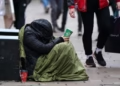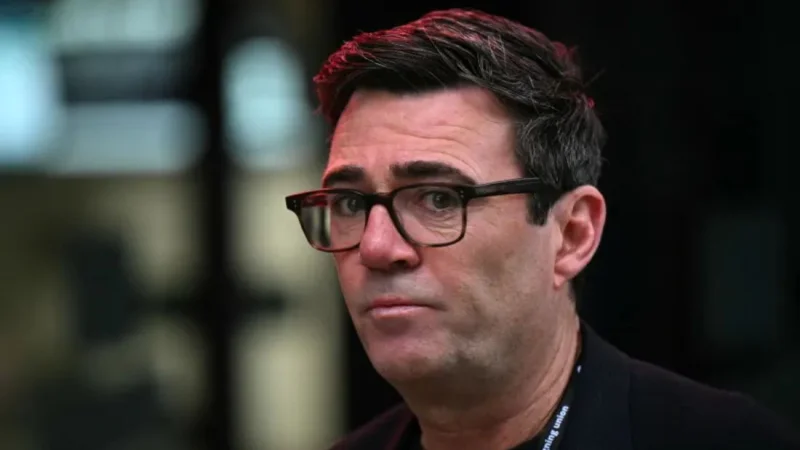
British Prime Minister Andy Burnham’s ambitious pledge to ensure that every rough sleeper in England has a safe route away from the streets before Christmas is facing growing uncertainty as homelessness continues to rise and the country struggles with a severe shortage of affordable housing. Despite substantial government funding and renewed commitments to tackle the crisis, increasing numbers of people are sleeping outdoors, while local authorities face mounting pressure to provide emergency accommodation and long-term housing support.
The government’s latest figures highlight the scale of the challenge. According to official statistics, 8,748 people were sleeping rough across England in June 2026, representing an increase of nearly 1,000 compared with January. The figure is the highest recorded since November 2025 and reflects the continuing difficulties facing people who cannot afford accommodation or have lost access to stable housing.
The figures also reveal that only 15 per cent of people identified as rough sleepers had been placed in accommodation by the end of June. This represents the lowest proportion since August 2025, raising further questions about whether the government can fulfil its Christmas commitment within the remaining weeks of the year. The limited progress comes despite repeated promises to strengthen homelessness services and increase financial support for local councils.

Homelessness Minister Florence Eshalomi has acknowledged the difficulties, saying the government hopes to offer a bed to every rough sleeper by Christmas. However, she admitted that a chronic shortage of suitable housing remains one of the biggest obstacles to achieving the target.
Speaking about whether everyone sleeping on the streets in England would receive an accommodation offer within the next six weeks, Eshalomi said the government was working towards that objective. She also stressed that its broader commitment was to establish a clear route away from street homelessness for anyone willing to accept assistance.
Her remarks suggest that the government’s Christmas pledge may involve more than simply providing permanent accommodation. For some individuals, the proposed support could include temporary housing, access to mental health services, treatment for substance misuse and personalised assistance designed to address the circumstances that have contributed to their homelessness.
Eshalomi explained that different people require different forms of support. While accommodation would be offered to those seeking a place to stay, others might need specialist intervention before they could move towards independent living. She also emphasised that authorities could not forcibly remove people from the streets and that individual choices and circumstances must be respected.
The distinction between providing a bed and establishing a broader route away from homelessness is particularly significant. Although the government has presented its initiative as an ambitious effort to ensure that nobody is left without support, the practical meaning of the commitment remains dependent on the availability of suitable accommodation and specialist services.
Burnham has made ending rough sleeping a central priority of his premiership. When he became prime minister on 20 July 2026, he declared that his first instruction would be to end rough sleeping in the country. The announcement generated expectations that the new administration would take a more determined approach to one of England’s most persistent social challenges.
The following month, the government announced an additional £442 million in funding as part of a national initiative described as the drive to get everyone in for Christmas. The money was intended to strengthen local homelessness services, improve access to accommodation and help councils respond to the growing number of people living without stable housing.
In October, Burnham announced a further £432 million in funding from March 2027. The additional investment was designed to support people in finding a safe route away from the streets during the winter and provide assistance through the remainder of the parliamentary term.
However, financial commitments alone may not be sufficient to resolve the crisis. Local authorities across England have repeatedly warned that the shortage of affordable homes is making it increasingly difficult to respond to homelessness. Councils are facing rising demand for temporary accommodation, while the availability of suitable properties remains limited.
The pressure extends beyond individuals sleeping rough. Families with children, people on low incomes and households facing eviction are increasingly struggling to secure stable accommodation. For many, temporary housing has become a prolonged alternative to permanent homes, creating additional financial and administrative challenges for local authorities.
Official figures show that a record 135,600 households in England were living in temporary accommodation at the end of March 2026. Such accommodation includes bed-and-breakfast establishments, hostels and other temporary facilities. The number represents an increase of approximately 90 per cent compared with a decade earlier and is around four per cent higher than the previous year.
The growing number of families requiring emergency accommodation illustrates how homelessness has developed into a wider housing crisis. It is no longer confined to people sleeping in public spaces or those experiencing long-term street homelessness. Increasingly, households with limited financial resources are finding themselves unable to maintain secure living arrangements.
One of the major factors behind the situation is the gap between private rental costs and the financial support available to low-income households. Local authorities have identified the long-term freeze of Local Housing Allowance as a significant obstacle. As rents continue to rise, housing assistance has failed to keep pace in many areas, leaving vulnerable households struggling to cover their accommodation expenses.
Eshalomi has previously described the freeze in Local Housing Allowance as one of the systemic barriers preventing meaningful progress in reducing homelessness. She has also acknowledged that the issue remains a major concern within government discussions.
During a visit to a temporary accommodation facility in Manchester last week, the minister criticised the existing situation and indicated that she had repeatedly raised the matter with colleagues, including the Treasury. Asked whether she had discussed the issue with fellow ministers ahead of the previous month’s budget, she said she had been raising the concern since becoming a member of parliament in 2019.
Her comments highlight the difficulties of addressing homelessness through government policy when housing support, public spending and the wider rental market are closely connected. Without changes that improve affordability, additional emergency accommodation may offer only temporary relief to households facing persistent financial pressure.
Another concern raised by frontline professionals involves the consequences of the prison early-release scheme. Some offenders leaving prison have reportedly struggled to secure stable accommodation, increasing the possibility that they could become homeless. Without appropriate housing and reintegration support, former prisoners may face additional difficulties accessing employment, healthcare and other essential services.
The impact of eviction has also contributed to the pressure. Housing professionals have expressed concern about a surge in no-fault evictions before the practice was banned on 1 May 2026. The period preceding the ban reportedly placed additional pressure on renters, with some households losing their accommodation and requiring emergency assistance.
For local councils, these developments have created a complicated situation in which several sources of housing insecurity are contributing to rising demand. Authorities must support rough sleepers while also assisting families facing eviction, people leaving institutions and individuals unable to afford private rental accommodation.
Eshalomi has said the government is working with local councils and housing associations to bring thousands of empty or derelict properties back into use. The initiative is intended to increase the availability of accommodation and provide additional options for people who are currently without stable housing.
However, she acknowledged that the long-term solution requires a substantial increase in housebuilding, particularly in the social and affordable housing sectors. Expanding the supply of these homes would help reduce dependence on expensive private rentals and provide more secure accommodation for people on lower incomes.
The minister argued that people should not have to choose between meeting their basic living expenses and paying for a place to live. Her comments underline the importance of treating homelessness as a structural economic and social issue rather than simply an emergency requiring temporary intervention.
As Christmas approaches, the government faces a difficult test of whether its promises can translate into meaningful improvements for people living on the streets. The rising number of rough sleepers, limited accommodation placements and growing demand for temporary housing suggest that significant challenges remain.

Although the additional funding and proposed housing initiatives demonstrate the administration’s commitment, their effectiveness will ultimately depend on whether suitable homes and specialist support become available quickly enough. For thousands of vulnerable people, the difference between a political promise and practical assistance could determine whether they spend the winter in a safe place or continue facing the dangers of life on the streets.
The coming weeks will therefore be crucial for Burnham’s homelessness strategy. Whether the government can deliver accommodation for everyone seeking a bed by Christmas remains uncertain, but its broader responsibility will be to ensure that those experiencing homelessness receive meaningful support, dignity and a realistic opportunity to rebuild their lives.
Related News:
 Green Leader Targets Starmer’s Former Seat
 Burnham Opens Door to Possible UK Return to EU
 UK Aid Set to Fall Short of Reduced 2027 Target
 Brexit Deal Not Good Enough for Britain, Burnham Says
 Denmark Seeks EU-Wide Ban on Fast-Growing Turbo Chickens
 Australia Reviews UK Visa Rules Amid Worker Influx
 UK Parliament Faces Risk of Notre Dame-Style Fire
 Athens Mayor Moves to Tackle Overtourism Crisis
 Reform UK funding: mystery billionaire revealed
 UK Pushes for New EU Goods Trade Deal
 Reeves Fights to Keep Treasury Role Amid Labour Turmoil
 Farage and Reform UK Reshape British Politics
 Starmer Leadership Under Pressure After Setbacks
 Burnham unveils £65m drought aid for farmers
 Masked Protesters Bring Dover Port Traffic to Standstill
 Argentina to file criminal charges over Falklands oil drilling
 UK plans tougher Israel stance with settlement trade ban
 Slave-Trade Wealth Embedded in Britain’s Financial System
 Lib Dems Prepare for Election Amid Reform Challenge
 Burnham Leaves Door Open to Future Brexit Reversal
 King Refers Jamaica Slavery Petition to Privy Council
 Thinktank Calls for Abolition of UK State Pension
 Elif Eralp Emerges as Berlin’s Next Political Force
 Tony Blair Calls for Britain to Rejoin EU Within a Decade
 Three Die in Channel Crossing Attempt Near France
 Dale Vince Plans New London-Wide News Operation
 Drumcree Talks Falter as Legal Challenge Deepens
 UK-France Returns Deal Faces Expiry as Talks Stall
 Green Party faces dispute over Zionism motion
 Badenoch Raises Prospect of 2027 UK Election
 Spain Sets Snap Election as Housing Crisis Deepens
 Report Urges UK to Rethink Overseas Military Spending
 Holborn and St Pancras Vote Tests Labour and Greens
 France Urges UK to Consider Returning to EU
 Labour Wins Key London By-election as Greens Fall Short
 Turkey Rules Out Troops in Saudi Arabia’s Houthi Conflict
 Burnham Rises as Farage and Polanski Face Setbacks
 Labour Beats Greens in Crucial London By-election
 Labour MP Urges Billions for Affordable Homes
 Jewish Greens Leader Calls for Polanski to Quit
 France Faces Debt Crisis as Protests and Markets Clash
 Milburn Proposes Pre-Apprenticeship Route for Young People
 UK Gaza Refugee Route Criticised Over False Hope Claims
 Labour Fears Budget Will Fail to Lift Living Standards
 UK Greens Face Crisis Over Zionism and Extremism Row
 Millions Face Tougher Medicaid Rules From January
 Farage Rejects Claims Reform Would Let Troops Shoot Migrants
 UK Urges Interpol to Reject Argentina’s Falklands Arrest Requests
 UK Rejects EU Pressure to Impose Tariffs on China
 Brazil Cuts Working Week to 40 Hours in Lula Election Boost
 UK Could Rejoin EU Through a Switzerland Plus Deal
 Cormann Warns Australia Against Populist Migration Caps
 Brexit Debate Returns as UK Voters Reconsider EU Exit
 Alberta Referendum Exposes Deep Divisions Over Independence
 Milan Luxury Stores Shut as Italy Plans Troop Deployment
 Alberta Voters Reject Push for Canadian Independence
 Bradford Rail Hub Promises Faster Northern Connections
 Middleton Revitalisation Blueprint for UK Towns
 France to Deploy 70,000 Police Amid Unrest Fears
 Older Worker Training Plan Faces Business Backlash
 King Charles Faces Caribbean Slavery Apology Demands
 UK Land Registry Plan Faces Opposition From Landowners
 Campbell Urges Australia to Defend Democratic Politics
 King Charles Faces Calls for Slavery Reparations Talks
 MPs Urge UK to Write Off Most British Council Debt
Burnham Admits First Budget Fell Short of His Ambitions
King Charles Faces Reparations Protests at Antigua Summit
 European Peacekeepers Could Return Fire in Ukraine
 Exiled Journalists Defy Putin’s Growing Media Crackdown
 UK Apologises to Ukrainian Refugees Over Russian GCSE
 UK Review Urges Jobs Revolution for Disabled Youth
 UK Employers to Be Forced to Publish Job Salaries
 English Mayors Warn Police Merger Could Weaken Local Policing
 EU Citizens Sue Home Office Over UK Residency Rights
 New Zealand’s Opportunity Party Challenges Populist Politics
 Pope Leo Rebukes Milei Over Argentina’s Austerity Policies
 Victorian Labor Faces Election Crisis as Poll Slumps to 18%
 Unions Warn Labour Over Zero-Hours Contract Reforms
 Bayeux Tapestry Revives Franco-British Ties
 Tom Watson Takes Senior Role at Palantir