Australia’s Labor government has secured crucial support from the Greens for a series of major legislative changes after agreeing to end preferential fuel tax treatment for private jet owners and protect pensioners from proposed reductions in private health insurance rebates. The agreements represent significant concessions by the government as it seeks to pass key legislation before the parliamentary year concludes.
The latest arrangement focuses on changes to discretionary trusts, a financial structure commonly used to manage and distribute income among family members and other beneficiaries. Under the agreement, the government will introduce a minimum tax rate of 30% on income received through discretionary trusts from the 2029-30 financial year. The measure is expected to raise approximately A$4.5bn in its first year of operation, according to the government’s estimates.
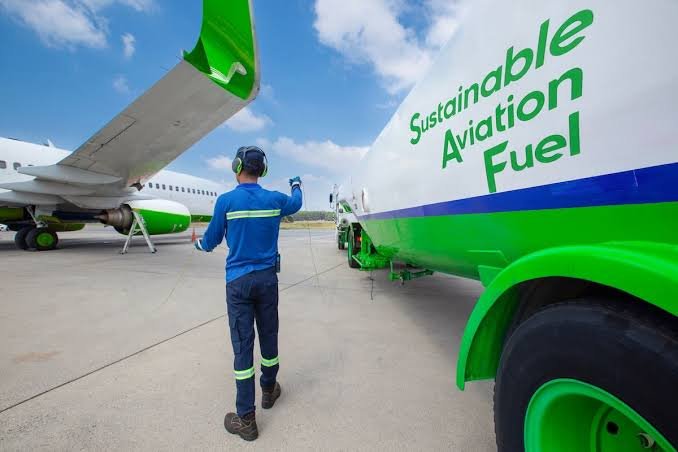
In return for supporting the proposed tax changes, the Greens secured an agreement to remove a substantial fuel tax advantage enjoyed by private aircraft operators. The party described the arrangement as an end to a long-standing benefit that allowed wealthy individuals using private jets to pay considerably less fuel tax than ordinary motorists.

Greens leader David Shoebridge said the existing system was unfair because owners of private aircraft were paying only a fraction of the fuel excise imposed on petrol and diesel used by ordinary drivers. He argued that the government had agreed to end a tax arrangement that disproportionately benefited wealthy Australians at a time when households were struggling with rising living costs.
Shoebridge said private jet users would now face a tax treatment closer to that applied to ordinary motorists. He specifically referred to prominent Australian figures, including mining magnate Gina Rinehart, businessman Clive Palmer and politician Pauline Hanson, while arguing that the wealthy should not receive preferential treatment when purchasing fuel.
The difference between the existing tax rates illustrates the scale of the disparity highlighted by the Greens. Petrol used in certain aircraft has been subject to an excise rate of less than four Australian cents per litre, while petrol and diesel used in road vehicles attract an excise of approximately 54 cents per litre. The proposed change is intended to narrow that gap and remove the favourable treatment associated with private aviation fuel.
The agreement gives Labor an important political achievement as it attempts to advance several contentious measures through a Senate in which it needs support beyond its own parliamentary ranks. The Greens have used their position to negotiate changes to legislation that the government considers important to its economic and social policy agenda.
However, the opposition has strongly criticised the arrangement. Liberal leader Angus Taylor accused Labor of making an inappropriate agreement with the Greens and described the package as a dirty deal. He argued that the government’s proposed tax changes would place additional pressure on small businesses, portraying the discretionary trust reforms as part of a broader campaign against business owners.
The debate over discretionary trusts has been particularly sensitive because such arrangements are used by families, investors and businesses to distribute income and manage financial affairs. Supporters of reform argue that a minimum tax rate would reduce opportunities for high-income individuals to use trust structures to lower their tax liabilities. Critics, however, warn that changes could affect legitimate business and family arrangements and create additional financial pressure.
Under the new arrangement, the minimum tax rate will not take effect until 2029-30, giving affected taxpayers time to prepare for the changes. The government’s projected revenue from the measure is expected to provide a substantial contribution to public finances, although the actual outcome will depend on how the reforms are implemented and how taxpayers respond.
The agreement over private jet fuel subsidies was not the only concession secured by the Greens. Earlier, the government agreed to exempt pensioners from planned reductions in private health insurance rebates for Australians aged over 65. The change followed the defeat of the original legislation in the Senate last month, when the Greens, the Coalition and other crossbench senators opposed the proposal.
The proposed reduction had attracted criticism because of its potential impact on older Australians, particularly those living on modest incomes. The Greens argued that many pensioners already faced difficult choices between healthcare costs, food, housing and other essential expenses. Removing their protection from the rebate changes, the party said, could have forced vulnerable older people to reconsider whether they could afford private health insurance.
Shoebridge said the revised arrangement would protect approximately 1.2 million pensioners from higher costs. He also pointed to the financial circumstances of older Australians, saying around two million insured people aged over 65 lived on less than A$37,000 annually. In his view, reducing their rebates without a clear plan to reinvest the savings in healthcare would have placed additional pressure on people already facing financial hardship.
Labor had previously argued that the proposed changes to private health insurance rebates would generate approximately A$3bn in savings, which would be directed towards expanding aged care capacity, including funding additional aged care beds. Following the agreement with the Greens, Health Minister Mark Butler said the government would maintain the same level of funding for aged care despite the pensioner exemption.
Butler acknowledged that the government had needed to make concessions to secure sufficient support in the Senate. He said the administration understood the realities of the upper house and considered agreement necessary to pass the legislation and deliver the planned investment in aged care.
The decision illustrates the challenges facing the Albanese government as it attempts to negotiate legislation through a politically divided parliament. Although Labor holds government, its ability to secure Senate approval depends on cooperation with other parties and independent senators. The Greens have repeatedly used this parliamentary influence to seek changes to government proposals.
The government also secured support for its digital duty of care legislation on Wednesday afternoon after reaching a separate agreement with the Greens. The revised measures include stronger penalties for social media companies that fail to meet their legal responsibilities. The proposed penalties could reach billions of dollars, while individuals would also be given the ability to take legal action against social media companies through the courts.
The digital legislation represents another important part of Labor’s effort to strengthen regulatory oversight of technology platforms. The Greens’ support followed negotiations over the level of corporate accountability and the legal remedies available to individuals affected by failures in digital safety protections.
With agreements reached on discretionary trusts, private health insurance rebates and digital regulation, the government’s attention has turned to its proposed gas reservation scheme. The legislation is intended to address domestic gas supply and ensure that Australian consumers have access to resources produced within the country.
Industry Minister Madeleine King said the government remained committed to securing passage of the gas reservation laws before parliament finished its work for the year. Speaking to News24, she indicated that senators would need to decide whether they supported the principle of ensuring Australian gas remained available for Australian consumers.
The gas proposal is likely to be another difficult issue because it involves competing interests among energy producers, industrial users, households and the wider economy. The government has argued that domestic supply is important for energy security and affordability, while the precise arrangements for reserving gas have remained a subject of political and industry debate.
Labor is now seeking to complete its legislative programme during the final days of the parliamentary year. The series of agreements with the Greens demonstrates how negotiations and concessions have become central to the government’s efforts to secure Senate support.

For the Greens, the deals provide an opportunity to claim policy victories on tax fairness, pensioner protection and corporate accountability. The party has presented the removal of private jet fuel advantages as a step towards a fairer tax system, while describing the pensioner exemption as protection for older Australians facing cost-of-living pressures.
For Labor, the agreements offer a route to passing legislation that might otherwise have remained blocked. However, the concessions also expose the political difficulties involved in balancing budget priorities, business interests and public expectations.
The final test will be whether the government can secure support for the gas reservation scheme and complete its remaining legislative commitments. The outcome will help determine how much of Labor’s policy programme can be delivered before the parliamentary year ends, while demonstrating the continuing influence of minor parties in Australia’s Senate.
Related News:
 Cormann Warns Australia Against Populist Migration Caps
 Thinktank Calls for Abolition of UK State Pension
 Ministers Push ATO to Reconsider Credit Card Ban
 Australia Delays Tax Credit Card Payment Ban After Backlash
 France Faces Debt Crisis as Protests and Markets Clash
 Labour Fears Budget Will Fail to Lift Living Standards
 Greens Block Labor’s Health Rebate Cuts for Pensioners
 Albanese Faces Labor Pressure as Inflation Hits 4.3%
 Burnham Admits First Budget Fell Short of His Ambitions
 Rate Rise Threatens Australian Jobs and Businesses
 Australia Raises Interest Rates to 18-Year High
 Australian Mortgage Confidence Hits 32-Year Low
 NSW Delays Tougher Rules on Property Underquoting
 BBC News Faces Deep Cuts in 2,000 Job Plan
 Reeves Fights to Keep Treasury Role Amid Labour Turmoil
 UK Households Could Save £173 on Fixed Energy Deals
 Burnham Faces Mounting Budget Challenges
 UK House Prices Fall as Mortgage Rates Rise
 Thames Water Revises Oxfordshire Mega-Reservoir Plan
 North Sea Firms Urge Early End to Windfall Tax
 UK Pay Growth Slows to 3.9% as Rate Decision Nears
 Bank Urged to Slow Bond Sales as UK Costs Rise
 UK Inflation Hits 3.1% as Household Pressure Grows
 UK Youth Jobs Gap Reveals Deep Regional Divide
 UK Rent Gap Puts Low-Income Families Under Pressure
 MPs Defend UK Economic Watchdog Against Critics
 Tony Blair Calls for Britain to Rejoin EU Within a Decade
 Saudi intercepts Houthi missiles as oil fears grow
 UK Diesel Prices Hit Record High Amid Iran Conflict
 New UK Homes in Flood Zones Face Insurance Risk
 Burnham Opens Door to Possible UK Return to EU
 Poundland Rescue Bid Could Protect 11,000 Jobs
 Healey urged to act as UK energy bills rise 4%
 Badenoch Raises Prospect of 2027 UK Election
 UK Diesel Reaches £2 as Inflation Surges Across Europe
 Minister Rejects Fears of UK Diesel Shortage
 London Council Warns of 150% Council Tax Rise
 Informa Agrees £2.24bn Deal to Buy Clarion
 EU-China Talks Target Surge in Hybrid Car Imports
 IMF Warns Governments Over Rising Debt Burdens
 Oil Shock Sends Markets Lower as Middle East Risks Grow
 US Senate Debates Turn Bitter as Midterms Near
 Sydney Town Square Plans Face New Planning Hurdle
 Labour MP Urges Billions for Affordable Homes
 Australia Rejects Russian Fuel as Trump Strikes Deal
 IFS Warns UK Budget Faces £35bn Spending Gap
IMF Raises UK Growth Forecast Ahead of Healey’s Budget
 Business Chief Urges Burnham to Fix Brexit Damage
 Australian Mortgages Now Cheaper Than Rent in Some Suburbs
 Alberta Voters Reject Push for Canadian Independence
 Trump Pledges $400m to Boost Republicans in Midterms
UK Borrowing Hits £24.5bn Ahead of Healey’s Budget
 Trump Faces Voter Backlash Over Soaring Gas Prices
Tax Online Sales to Save High Street, Burnham Urged
 Jim Chalmers Navigates Hard Economic Choices as Inflation
Brexit Deal Not Good Enough for Britain, Burnham Says
 Labour MPs Urge Burnham to Lead UK Reindustrialisation
 Australia Inflation Surges as Trump’s Iran War Hits Households
 Fed Expected to Hold Rates Steady Ahead of US Midterms
 UK Budget Leaves Households Facing Higher Energy Bills
 UK Side-Hustle Tax-Free Limit to Rise to £3,000
 UK House Price Growth Slows to Two-Year Low
 G20 Photo Cancelled as Russia Deepens Western Rift
 Avanti West Coast Faces £70m Refund Bill
 Australia Faces Deeper Economic Slowdown
 David Jones Faces Administration After Talks Collapse
 Victorian Labor Faces Election Crisis as Poll Slumps to 18%
 Labor Minister Defends Chalmers Amid Budget Tensions
 California Voters Reject One-Time Billionaire Tax
 UK Youth Face Jobs Crisis as Economy Loses Momentum
 Badenoch Unveils £36bn Tory Welfare Cuts Plan
 Australian Property Investor Lending Suffers Record Fall
 Tories Face Pension Age Rise Beyond 70, Labour Warns
 UK Unemployment Falls to 4.6% Amid Youth Jobs Crisis
 Burnham Weighs Tax Cuts to Boost Youth Employment
 Bank of England Faces £160m Renovation Challenge
 Trump Hosts Third Crypto Gala Amid Corruption Allegations
 UK Rents Set to Rise Twice as Fast as House Prices
 Capita CEO Quits as Shares Plunge 67% Over Pension Crisis
 Trump, Nvidia and the Fight Against Tech Oligarchs