Published: 07 October 2026. The English Chronicle Desk. The English Chronicle Online.
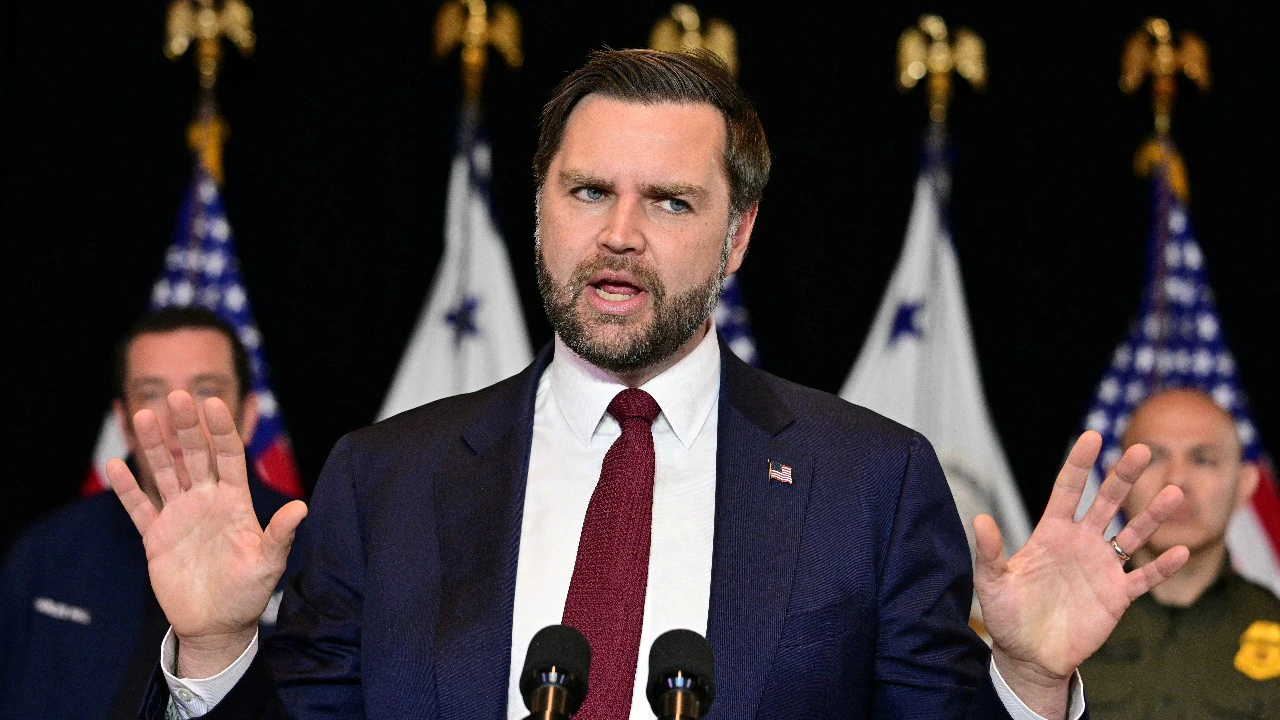
US Vice-President JD Vance has said Iran must make a meaningful reduction in its uranium enrichment capabilities if Washington is to agree to a deal aimed at ending the seven-month war between the two countries.
In an exclusive interview, Vance said the United States remained open to negotiations but would not accept assurances alone from Tehran. He argued that any agreement would need to include concrete and verifiable steps by Iran to reduce its ability to enrich uranium to high levels.
The remarks come as diplomatic efforts to end the conflict face renewed uncertainty. Iran and the United States have exchanged proposals in recent weeks in an effort to halt the fighting and reopen the Strait of Hormuz, one of the world’s most important routes for energy shipments. US President Donald Trump has rejected Iran’s latest proposal, while warning that military operations could intensify after November’s US midterm elections.

The conflict has already caused disruption in global energy markets, adding to economic pressures at a politically sensitive moment for the Trump administration and the Republican Party.
Vance, who has historically expressed reservations about US military involvement overseas, has nevertheless taken a prominent role in attempts to resolve the confrontation with Iran. A temporary ceasefire reached in June with his involvement quickly collapsed, leaving Washington and Tehran once again searching for a possible route towards de-escalation.
Despite the breakdown of previous efforts, Vance indicated that Washington had not abandoned diplomacy. But he made clear that the nuclear issue remained at the centre of the US position.
He argued that Iran’s continued production of uranium enriched to 60% would be difficult to reconcile with claims that the country had no intention of developing nuclear weapons. In his view, Tehran would need to stop producing highly enriched material as part of any credible commitment against nuclear weapons development.
The vice-president said the United States was not prepared to rely simply on promises about future behaviour. Instead, Washington wanted to see actual changes in Iran’s nuclear programme before accepting a settlement.
That demand could prove one of the most difficult obstacles to an agreement.
Iran has long maintained that its nuclear programme is intended for peaceful purposes, while the United States and its allies have expressed concerns about the potential military implications of high-level uranium enrichment.
The disagreement over enrichment has been at the heart of tensions between Iran and Western governments for years. Any attempt to negotiate a new settlement would therefore require the two sides to bridge substantial differences over nuclear restrictions, monitoring and the future of Iran’s nuclear infrastructure.
Vance’s latest comments suggest that Washington expects Iran to make significant concessions rather than simply offer political assurances.
“We will not make a deal based only on words,” was the message from the vice-president, who said practical measures would be necessary.
The diplomatic challenge is further complicated by uncertainty in Washington over how decisions are being made inside Iran.
Vance said US officials were uncertain about who ultimately holds authority over major decisions in Tehran. Washington has been communicating with Iranian President Masoud Pezeshkian and Foreign Minister Abbas Araghchi, but the extent of their authority within Iran’s political and security structure remains unclear, according to the vice-president.
That uncertainty has become even more significant following the reported death of Supreme Leader Ayatollah Ali Khamenei during an earlier joint US-Israeli attack at the beginning of the conflict.
Vance said the United States had learned that Iran’s decision-making process was not completely clear. Trump separately described uncertainty over who is running Iran as one of the biggest problems facing negotiations.
Iranian officials have rejected that assessment. Foreign Ministry spokesperson Esmail Baghaei said Iranian representatives and the country’s decision-making structure were well known to American officials, arguing instead that contradictory statements coming from Washington were creating confusion.
The disagreement over who speaks for Iran adds another layer of complexity to negotiations that are already burdened by the legacy of months of fighting.
For the United States, a durable agreement would need to address both the immediate military conflict and the nuclear issue. For Iran, however, accepting major restrictions on enrichment could carry significant political consequences, particularly after a prolonged confrontation with Washington and its allies.
The Strait of Hormuz has emerged as another central issue in the diplomatic effort.
The narrow waterway is a critical route for global energy supplies, with large volumes of oil and other fuels passing through it. Prolonged disruption would have consequences far beyond the Middle East, potentially driving up energy costs and increasing inflationary pressure in economies around the world.
Both Iran and the United States have exchanged proposals intended to help end the fighting and restore normal shipping through the strait. Yet the rejection of Tehran’s latest proposal suggests that significant differences remain.
Trump has also indicated that military action could become more intense after the US midterm elections, increasing pressure on both sides to determine whether diplomacy can produce a workable settlement.
Vance has sought to present the US military position as strong despite the ongoing negotiations. He said he had personally spoken with field commanders to gain a clearer understanding of conditions on the ground.
He also rejected concerns about shortages of critical ammunition.
According to Vance, Iranian forces may have the ability to attack commercial vessels in the Strait of Hormuz at certain moments, but he argued that Tehran does not possess the ability to permanently prevent energy exports from passing through the waterway.
His comments reflect the wider strategic calculation facing Washington. The United States must maintain enough military pressure to deter further Iranian attacks while simultaneously keeping diplomatic channels open.
For Vance, the challenge is particularly notable because of his previous scepticism towards prolonged American military interventions overseas. His involvement in the Iran negotiations represents a more direct diplomatic role than might have been expected from his earlier political positions.
He declined to say whether he was personally leading the peace negotiations, despite being frequently identified as a central figure in the White House effort.
Vance instead emphasised that the United States was involved in the process but that the final authority rested with President Trump.
The comments underline the difference between participating in negotiations and having the power to make binding decisions. Ultimately, any agreement would have to receive approval from the US president, while Iran would need to determine whether the terms were acceptable to its own political and security leadership.
The nuclear issue is likely to remain the most difficult part of that process.
Washington wants meaningful restrictions on enrichment, while Tehran has historically regarded its nuclear programme as a matter of national sovereignty and technological capability. The higher the level of enrichment and the greater the amount of material available, the more intense international concerns become over the possibility of a shift towards weapons development.
For the United States, therefore, an agreement that does not significantly address enrichment could be politically difficult to defend.
For Iran, accepting such restrictions without securing substantial benefits in return could also be difficult to sell domestically.
That leaves both sides facing a familiar diplomatic dilemma: each needs the other to make concessions first, while neither wants to appear to be yielding under pressure.
The economic consequences of continued conflict add another incentive for a settlement. Energy markets remain highly sensitive to developments around Iran and the Strait of Hormuz. Any prolonged disruption could affect fuel prices, transportation costs and household finances across multiple regions.
The conflict also presents political risks for Trump and Republicans ahead of the midterm elections. A prolonged war could become an important issue for voters concerned about military spending, fuel prices and the possibility of further US involvement in the Middle East.
For Iran, the costs are also considerable. Continued military confrontation risks further economic disruption and international isolation, while negotiations offer a potential path towards reducing pressure.
Yet diplomacy remains fragile.
The collapse of the temporary June ceasefire demonstrated how quickly progress can unravel when military and political calculations change. The latest exchange of proposals shows that communication remains possible, but the rejection of Tehran’s most recent offer indicates that the distance between the two sides is still substantial.
Vance’s insistence on concrete nuclear concessions therefore sets a clear benchmark for future negotiations. Any agreement will likely depend on whether Iran is prepared to reduce its enrichment activities in a way that Washington considers meaningful and verifiable.

At the same time, the United States will need to determine whether its own demands can be reconciled with Iran’s political constraints and security concerns.
The immediate objective remains ending the fighting and restoring safe passage through the Strait of Hormuz. But the longer-term challenge is broader: establishing a framework capable of preventing another confrontation over Iran’s nuclear programme.
For now, Washington is signalling that diplomacy remains possible but that it will not accept an agreement based solely on promises. Tehran, meanwhile, faces pressure to decide how far it is willing to compromise.
Whether those positions can be brought together could determine not only the future of the current conflict but also the stability of energy markets and security across the wider Middle East.
Related News:
 UK Prepares Aircraft Carrier for Middle East Crisis
 Houthis Strike Saudi Arabia as Middle East Tensions Rise
 Trump Calls Strait of Hormuz ‘American Territory’
 Trump Faces Iran War Crisis Before Midterm Vote
 Netanyahu faces protests and pressure at UN
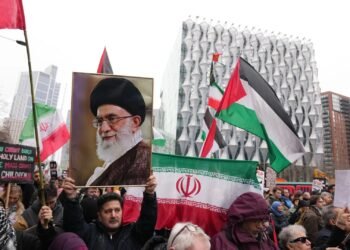 Thousands Protest Iran Strikes Outside US Embassy London
 US Bombers Arrive at RAF Base Amid Rising Iran Tensions
 Trump likens US Navy actions to ‘pirates’
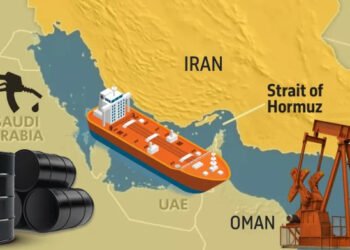 Middle East Crisis Escalates as Oil Routes Shake Markets
 Tensions Emerge in Netanyahu-Trump Alliance
 Former ICC prosecutor condemns US sanctions
 Trump Claims Iran Peace Deal Near Completion
 Trump dismisses concerns over 250-day carrier deployment
 Trump Calls Iran War ‘Small Potatoes’ Despite US Deaths
 Saudi Pact Raises Risk of Pakistan Entering War
 Iran Awaits Trump Response on Seven-Day Hormuz Plan
 Trump Asked Xi About Buying US Weapons
 New Maps Reveal Gaza’s Vast Destruction
 US Sends Third Carrier to Middle East
 Trump Comments on Iran Strike Draw US Backlash
 Canadian Veterans Condemn Trump Allies’ Military Remarks
 Israeli Settlers Assault Palestinian Photographer
 Three Years On, October 7 Survivors Face Lasting Trauma
 Yemen Conflict Escalates as Houthis Expand Their Front
 Trump Escalates Minnesota Immigration Surge Amid Rising Tensions
 Greenland Faces Pivotal Summit Over Arctic Power Struggle
 Thousands Protest ICE Operations in Nationwide US Day of Action
 Epstein Files Reveal Trump Officials’ Emails with Financier
 Thousands Protest ICE in New York Against Trump Deportation Campaign
 Clinton Testimony Erupts in Fiery Exchange
 Ukraine war briefing: Zelenskyy offers help to Saudi Crown prince on combatting Iranian drones
 Mojtaba Khamenei Chosen as Iran’s New Supreme Leader
 Tehran Oil Depot Strikes Darken City With Toxic Smoke
 Mojtaba Khamenei Supporters Rally as Iranians Fear Repression
 Iran Defiance Grows Amid US-Israel War Pressure
 Hormuz Crisis Sparks Global Oil Market Fears
 Injured Mojtaba Khamenei Elevated as Iran Leader
 Trump Iran War Stance Hardens as Conflict Widens
 MAGA Anxiety and the Iran War: A Movement Divided at CPAC
 Iran Crisis Tests Trump’s Global Leadership
 Trump Faces Crisis as Iran Reopens Hormuz Tensions
 UK Stands Firm on Falklands Amid US Rift
 Trump orders US troop pullout from Germany
 Judge halts deportation of Yemeni refugees in US
 Activists allege abuse after Gaza flotilla seizure
 Trump approval plunges amid Iran war fears
 Ohio’s Battle for Trust: Democrats Vying to Flip the Buckeye State
 Trump warns Iran as Middle East tensions surge again
 US ‘Narco Boat’ Strikes Draw Global Outcry
 Ohio Primaries Set Stage for Crucial Midterms
 Afghan Families Left in Limbo Face Risk of Deportation
 Trump Announces 3-Day Russia–Ukraine Ceasefire Deal
 US Awaits Iran Reply on New Ceasefire Proposal
 Hormuz Talks Near Critical Stage
 House Curbs Trump’s War Powers in Rare Rebellion
 Millions Gather for Khamenei’s Six-Day State Funeral
 Israeli Strike in Southern Lebanon Kills Seven
 Russian Missiles Intensify Pressure on Kyiv
 Former Diplomats Urge UK and France to Act on Palestine
 Trump Hardens Canada Trade Stance as Talks Stall
 Saudi Arabia Shuts Oil Pipeline After Drone Attack
 Israel Accused of Undermining Palestinian Life
 US Networks Suspend Trump White House Pool Coverage
 Xi urges Trump to avoid US-China military conflict
 Lula accuses Trump of seeking control over Brazil
 Saudi intercepts Houthi missiles as oil fears grow
 Republican Senator Questions Trump Ad Spending
 South Korea-Ukraine Row Erupts Over North Korean POWs
 Pilot and Passengers Help Save Flydubai Flight
 Brazil Election Draws Religion Into Final Campaign
 Trump Immigration Policy Faces New Legal Tests
 Lula Warns of Bolsonaro Family Return as Brazil Votes
 Families Await USS Abraham Lincoln Homecoming
 Yemen government launches offensive against Houthis
 US bombers leave RAF Fairford after terror threat
 Germany Pledges €1bn Military Aid to Ukraine
 Ukraine claims strikes have crippled Russia’s oil refining
 Quebec separatists return to power without majority
 Iran Nobel Laureate Reveals Prison Torture and Fears
 Argentina Protesters Resist Milei’s Land Sale Drive