Published: 08 October 2026. The English Chronicle Desk. The English Chronicle Online
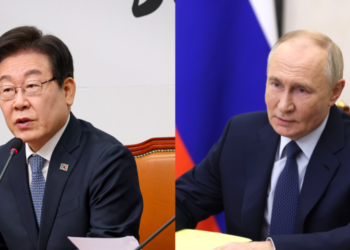
South Korea has warned that it could take legal action if an investigation finds that fuel shipments from its ports to Russia violated domestic law, following reports that thousands of tonnes of refined petroleum products were transported to the Russian Far East during the summer.
The government in Seoul said it was examining additional information about the shipments after reports detailed the movement of fuel from South Korean ports to Russia. Officials said that if the investigation establishes that laws or regulations were breached, appropriate legal measures would follow.
The investigation has placed South Korea in a politically sensitive position as it attempts to maintain its sanctions policies toward Russia while also preserving its relationship with Ukraine and other Western partners supporting Kyiv.

According to an analysis of port records and vessel-tracking information, more than 176,000 tonnes of fuel, much of it diesel, were loaded at several South Korean ports during July and August. The fuel was carried by seven tankers that subsequently made 14 voyages to Russia’s Far East.
The shipments have attracted particular attention because three of the tankers involved were subject to sanctions imposed by the United Kingdom and European Union. One of those vessels reportedly received approximately 26,000 tonnes of fuel through a ship-to-ship transfer at an anchorage near Yeosu, a major port city on South Korea’s southern coast.
The findings have raised questions over whether the trade may have undermined international efforts to restrict Russia’s access to energy-related supplies following its invasion of Ukraine.
Isaac Levi, an analyst at the Centre for Research on Energy and Clean Air, argued that the shipments could weaken the broader sanctions regime and conflict with South Korea’s stated support for Ukraine.
The issue has become particularly significant because Russia’s domestic refining sector has experienced major disruption. Ukrainian drone attacks have repeatedly targeted Russian energy infrastructure, reducing refinery operations and placing additional pressure on the country’s fuel supply.
Russia’s refinery output fell sharply earlier this year, with June production reaching its lowest level in more than two decades, according to International Energy Agency data cited in the report. Russian diesel production has also reportedly fallen by almost 30% compared with the previous year.
Those disruptions have increased Russia’s need for imported refined petroleum products, making the movement of diesel and other fuels into the Russian Far East an important development for international energy and sanctions analysts.
However, Seoul has stressed that the reported shipments do not automatically constitute a violation of South Korean law.
In a statement issued jointly by the foreign and trade ministries and customs authorities, the government said refined petroleum products involved in the reported loading operations were not covered by South Korea’s export controls on Russia. Those controls primarily focus on categories such as industrial machinery, electronic equipment and vehicles.
Officials also said that the loading of refined petroleum products at South Korean ports, by itself, does not constitute a breach of domestic law.
The government further said it had not established that the fuel was of South Korean origin. It also pointed out that no diesel, aviation fuel or motor petrol had been formally exported from South Korea to Russia through customs clearance.
That distinction could become important in determining whether any laws were broken. South Korean authorities said the ownership and origin of the fuel could not be established from publicly available port records, leaving questions over who actually sold the petroleum products and who ultimately controlled the shipments.
Officials are also examining the routes taken by the vessels.
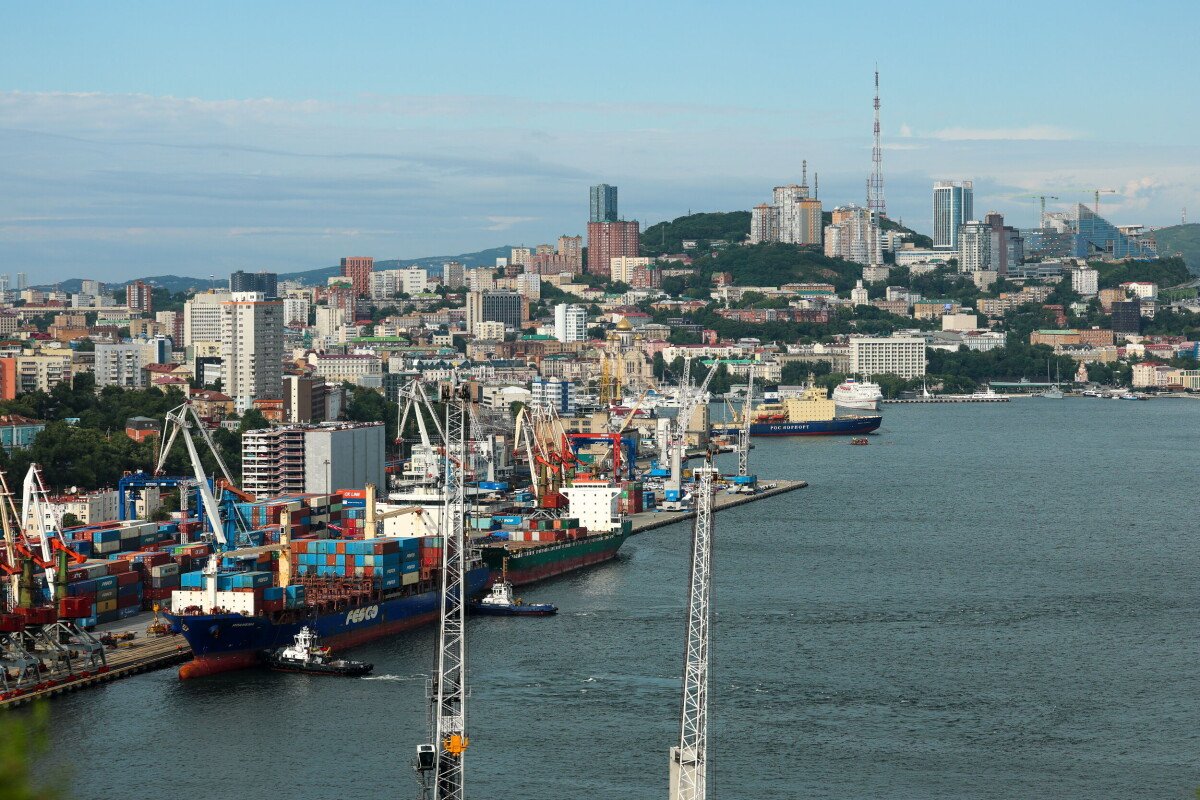
Several tankers reportedly declared destinations such as Japan or Singapore to South Korean authorities before eventually travelling to Vladivostok in Russia. Seoul said that a vessel changing course after leaving South Korea does not automatically establish that the original declaration was false.
The government said it would examine the actual routes taken by the tankers, compare those movements with their declared destinations and investigate why the vessels changed course before determining whether any violation occurred.
One vessel, the Russian-flagged Aram Khachaturian, has attracted particular attention. The ship is not subject to Western sanctions and reportedly loaded fuel at Ulsan three times during July and August. On each occasion, it allegedly declared a destination other than Russia before later travelling to the Russian Far East.
The case has also caused tension between Seoul and Kyiv.
An adviser to Ukrainian President Volodymyr Zelenskyy said the reported fuel shipments were in sharp contrast with South Korea’s publicly stated sanctions policies toward Russia. South Korea’s presidential office rejected that criticism, describing it as inaccurate and inappropriate.
Seoul also urged Ukraine to avoid public comments that could harm South Korea’s international credibility.
The disagreement illustrates the diplomatic sensitivity surrounding South Korea’s position. Seoul has supported Ukraine and participated in international efforts to pressure Russia, but it also maintains extensive commercial and maritime interests and must interpret its own export-control framework according to domestic law.
Ukraine, meanwhile, has indicated that it is seeking explanations from South Korean authorities.
Kyiv reportedly raised the matter through diplomatic channels and asked Seoul to clarify the circumstances surrounding the shipments. Ukrainian foreign ministry spokesperson Heorhii Tykhyi said Ukraine had its own information regarding the activity, suggesting that Kyiv is independently examining the movements of the vessels and the fuel.
The dispute comes as Western governments continue to focus on preventing sanctions evasion and limiting Russia’s ability to replace supplies lost because of restrictions imposed after the invasion of Ukraine.
The complexity of the South Korean shipments highlights the challenges involved in enforcing such measures. A vessel’s final destination, the declared destination at the time of loading, the origin of the cargo, ownership of the fuel and the legal status of the ship can all affect whether a transaction violates national or international restrictions.
The distinction between loading fuel in South Korea and formally exporting South Korean-origin petroleum products is particularly important. Seoul has emphasised that its customs records do not show the reported diesel, aviation fuel or petrol as exports to Russia.
However, the government’s investigation suggests that officials are not dismissing the concerns entirely. By examining vessel movements and declared destinations, authorities appear to be assessing whether any participants deliberately misrepresented information to facilitate shipments to Russia.
For South Korea, the outcome could have consequences beyond the individual shipments. A finding that laws were deliberately circumvented could lead to legal action and increased scrutiny of the country’s ports and customs procedures.
It could also create diplomatic complications with Ukraine and other countries seeking stronger enforcement of restrictions against Russia.
For Russia, meanwhile, the reported shipments come at a time when attacks on refineries and disruptions to domestic fuel production are placing additional pressure on the country’s energy system. Access to imported diesel and other refined products could therefore have significant economic and logistical value.
The investigation is now likely to focus on what happened after the vessels left South Korean ports. Authorities will need to establish whether the declared destinations were genuine at the time of departure, whether any information was misleading and who ultimately owned or controlled the fuel.
Until those questions are answered, Seoul has stopped short of declaring that the shipments were illegal.
The government’s position is that the loading of refined petroleum products was not itself prohibited under South Korean law. At the same time, officials have made clear that any evidence of violations will be acted upon.

The controversy therefore remains unresolved, with South Korea balancing legal scrutiny, diplomatic pressure and its broader foreign-policy commitments. As the investigation progresses, the findings could determine whether the reported fuel movements were lawful commercial transactions or part of a system designed to move restricted supplies into Russia despite international sanctions.
For now, Seoul’s promise of legal action if violations are established represents an attempt to reassure international partners while allowing investigators to determine the facts before drawing conclusions. The outcome could prove significant for South Korea’s sanctions policy and for wider efforts to track and restrict Russia’s access to foreign fuel supplies.
Related News:
 US Awaits Iran Reply on New Ceasefire Proposal
 Saudi Arabia Shuts Oil Pipeline After Drone Attack
 Iran Rejects Claims of Shift in US Talks
 Saudi intercepts Houthi missiles as oil fears grow
 Tanker Attacked Near Qatar as Hormuz Tensions Escalate
 Southeast Asia Turns to Russia Amid Energy Crisis
 Hormuz Talks Near Critical Stage
 Europe Weighs Hormuz Navigation Fee Plan
 Trump Hardens Canada Trade Stance as Talks Stall
 South Korea Rules Out Military Role in Iran War
 Trump Eyes Major Belarus Fertiliser Deal Amid Canada Trade Dispute
 Trump gives Xi red-carpet welcome as trade truce extends
 Xi urges Trump to avoid US-China military conflict
 EU-China Talks Target Surge in Hybrid Car Imports
 Canada Passes Carney’s First Budget in Tight Parliamentary Vote
 India’s Labour Law Overhaul Sparks Fierce Debate
 Carney’s Alberta Pipeline Deal Sparks Immediate Pushback
 Mark Carney Walks Diplomatic Tightrope on China Visit
 Nine Killed in Karachi Consulate Protest
 Trump to Deploy “God Squad” Over Gulf Wildlife Protections
 Trump Slams UK Ties and Threatens To Rewrite Trade Deal
 US Calls Australia Media Law “Foreign Extortion”
 Capitalism ‘Suicidal’, Warns Petro at Climate Summit
 Oil Prices Surge Above $120 Amid Iran Blockade Fears
 Trump approval plunges amid Iran war fears
 Trump Threatens UN Budget Cuts as US Pushes ‘Trade Over Aid’ Agenda
 Australia pushes Pacific security pact amid China tension
 Norway Doubles Down on Oil and Gas for Europe Energy Security
 Beijing Becomes Centerstage for Global Diplomatic Ballet
 UK Pushes for New EU Goods Trade Deal
 Reeves Fights to Keep Treasury Role Amid Labour Turmoil
 China mine blast death toll rises to 90
 Victoria Labor Launches Apprenticeship Expansion Plan
 Discontent grows around Putin amid war strain
 Millions Gather for Khamenei’s Six-Day State Funeral
 Ukraine Creates Long-Range Strike Command
 Venezuela Quake Death Toll Surpasses 4,000
 Houthis Strike Saudi Arabia as Middle East Tensions Rise
 Israeli Strike in Southern Lebanon Kills Seven
 Five Years of Taliban Rule Leave Afghanistan in Crisis
 Canada to Match Trump’s 50% Tariffs Dollar for Dollar
 Shein targets $27bn valuation in Hong Kong debut
 Europe Faces Winter Gas Supply Anxiety
 Dutch Bank Moves 86 Tonnes of Gold to London
 Green Leader Targets Starmer’s Former Seat
 Trump Calls Iran War ‘Small Potatoes’ Despite US Deaths
 Swedish Mining Push Puts Sami Land Rights Under Pressure
 Argentina to file criminal charges over Falklands oil drilling
 UK plans tougher Israel stance with settlement trade ban
 Oil nears $100 as Saudi attacks shake markets
 Trump Pledges $5,000 if Republicans Win Midterms
 Nearly 50,000 Flee as Houthis Advance in Yemen
 Indonesia Receives First Aircraft Carrier
 Japan Raises Rates to 31-Year High
 Saudi Pact Raises Risk of Pakistan Entering War
 Middle powers seek new alliances amid Trump era
 Macron and Carney deepen France-Canada ties
 Japan PM Backs International Criminal Court
 AI Takes Centre Stage in Trump-Xi Talks
 MPs Defend UK Economic Watchdog Against Critics
 Chinese Hybrid Car Surge Raises EU Auto Industry Concerns
 Tony Blair Calls for Britain to Rejoin EU Within a Decade
 Lula accuses Trump of seeking control over Brazil
 South Korea-Ukraine Row Erupts Over North Korean POWs
 Economic growth and political strain reshape Benin
 Ukraine Faces $45m Hourly Cost From Missile Alerts
 Burnham Opens Door to Possible UK Return to EU
 New Maps Reveal Gaza’s Vast Destruction
 French Debt Fears Put Euro Markets Under Pressure
 Clay Travis Builds New Sports Media Venture
 UK Diesel Reaches £2 as Inflation Surges Across Europe
 Minister Rejects Fears of UK Diesel Shortage
 North Korea Fires Missile Amid DMZ Tensions
 Germany Pledges €1bn Military Aid to Ukraine
 Spain Sets Snap Election as Housing Crisis Deepens
 South Korean fuel reaches Russia despite sanctions
 Japan PM condemns alleged killing by US Marine
 Informa Agrees £2.24bn Deal to Buy Clarion
 Israel Marks Three Years Since October 7 Attack
 IMF Warns Governments Over Rising Debt Burdens